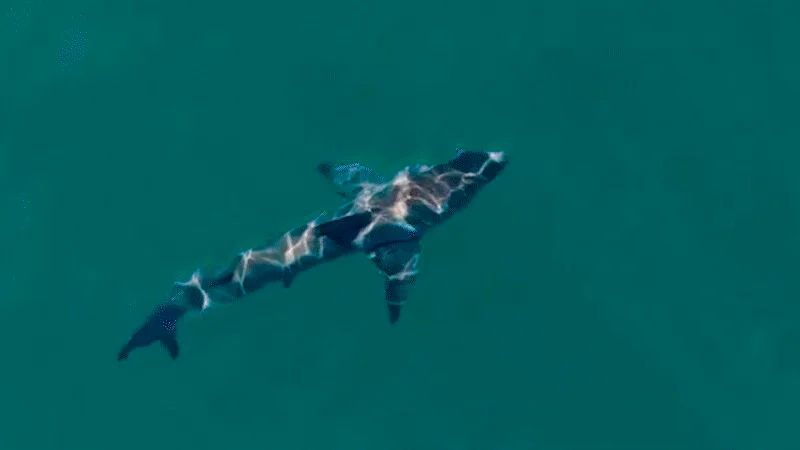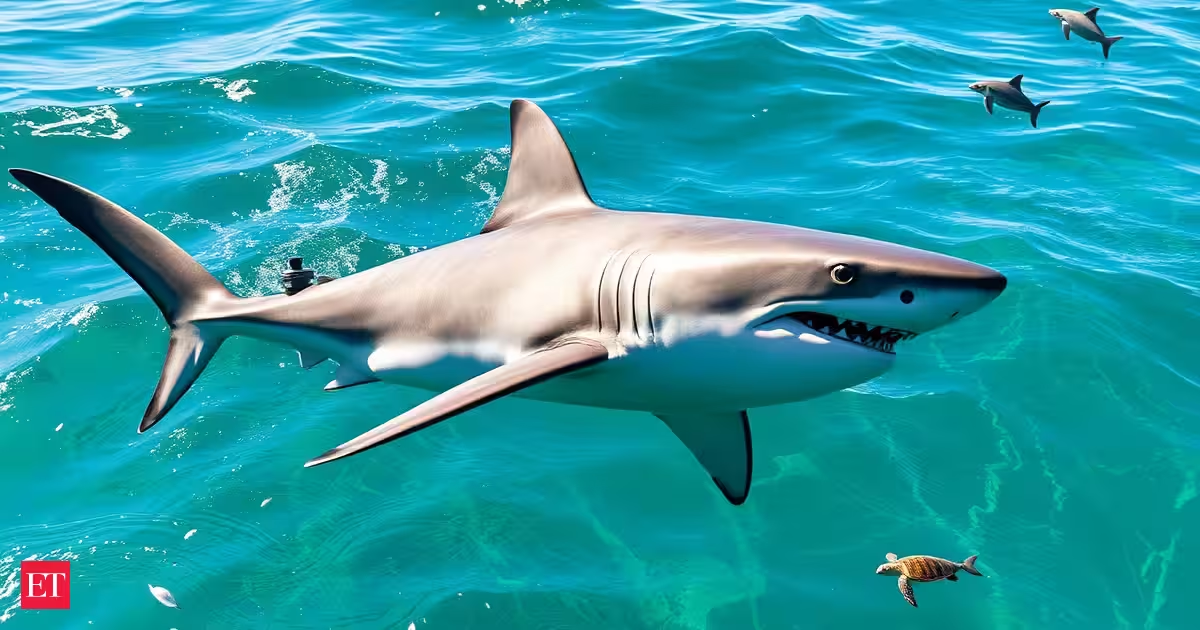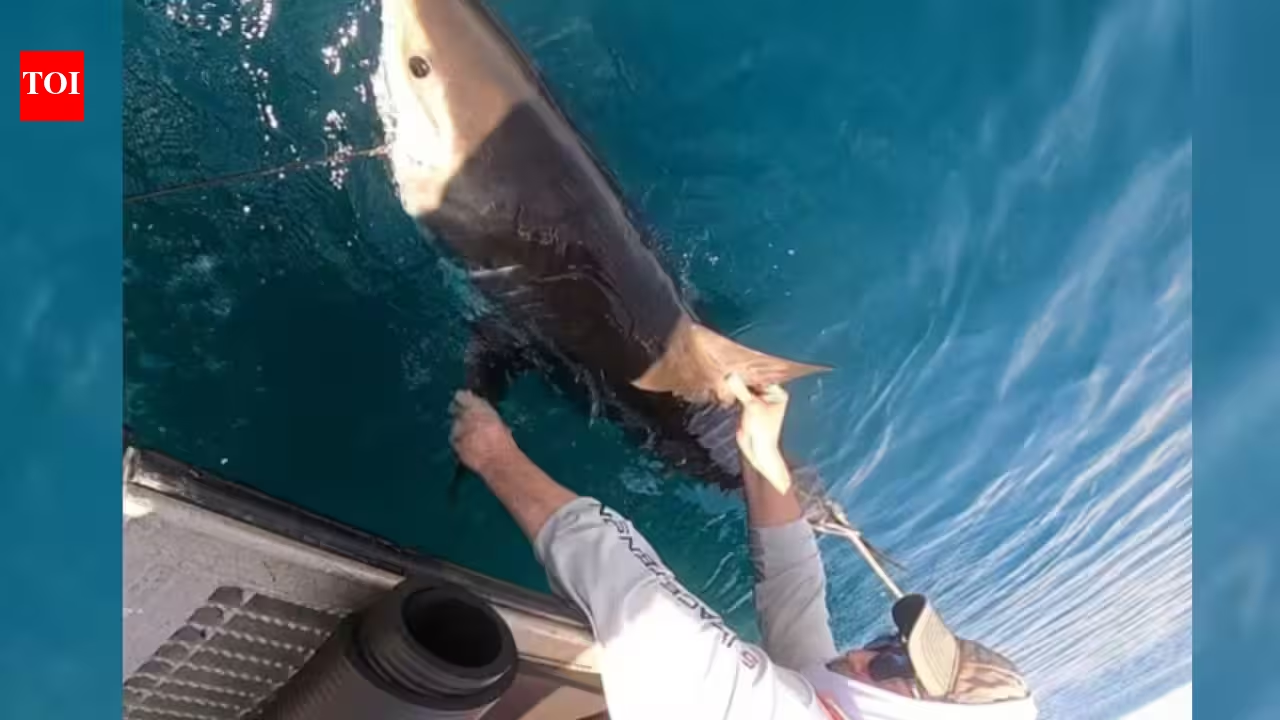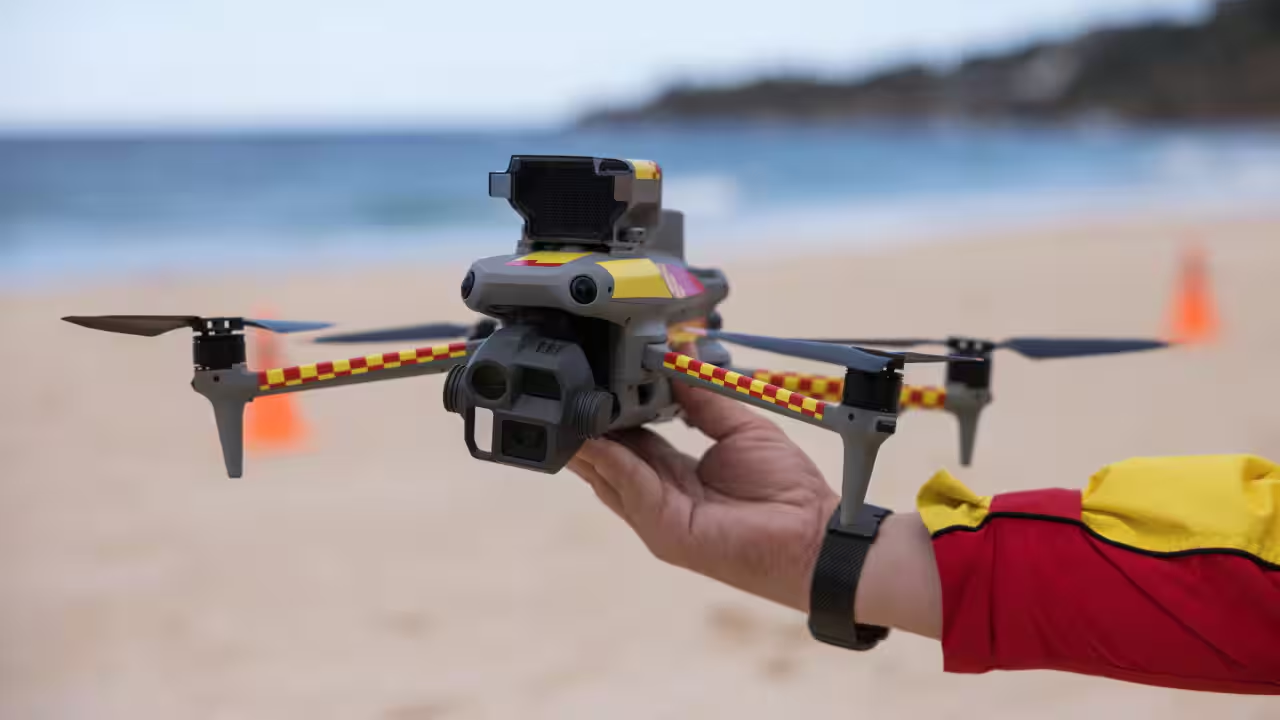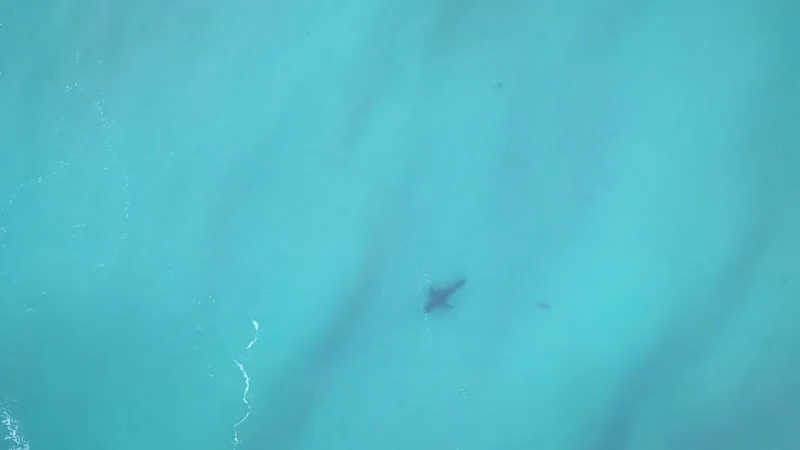
Representative Image of a futuristic robotScientists in California are reportedly developing a semi-autonomous robot designed to detect great white sharks near beaches and give researchers and lifeguards more information about their movements. According to a report by the New York Post, researchers at California State University, Long Beach’s Shark Lab have unveiled the Shark Surveillance Bot (SSB), which can patrol waters just offshore. Once fully operational, the robot will “listen” for great white sharks fitted with tracking tags. At the same time, it will collect water samples to search for shark environmental DNA, or eDNA — genetic traces that sharks leave in the water through skin cells, blood and other biological material.The project is being developed by the Shark Lab in collaboration with New York University’s Center of Robotics and the Monterey Bay Aquarium Research Institute. It is funded by the Seaver Institute. The robots, the lab said will “be capable of patrolling off a beach, listening for tagged white sharks, sampling water for shark eDNA, and will have a drone nest on the back for aerial surveillance”.Shark-spotting robots said to monitor a beach for up to a weekAs stated in the report, researchers hope the Shark Surveillance Bot will eventually be able to remain near an individual beach for as long as a week, continuously gathering information about sharks in the area. The aim is not simply to detect whether a shark is nearby. Scientists want to better understand which sharks are present and how many are moving around popular beaches.“Our data suggests that there are sharks around our beaches all the time without incident,” Shark Lab Director Christopher Lowe told KTLA as quoted in the report. “Knowing what sharks, and how many are out there helps lifeguards make better decisions in beach safety operations and in advising the public.”The robot will detect signals from great white sharks that researchers have previously fitted with tracking tags. Its water-sampling system will provide another way of looking for evidence of sharks through environmental DNA.Drone to provide an aerial view of the waterThe shark-monitoring robot will also work with an aerial drone. The drone will sit on the robot and can be launched to provide researchers with a bird’s-eye view of the surrounding ocean. The system will combine this aerial footage with 360-degree video and shark-tracking data. Information can then be sent back to the Shark Lab over Wi-Fi.Researchers hope the technology could eventually provide lifeguards with near real-time information about shark activity, helping them make beach safety decisions based on more detailed data.
Scientists have built robot that has one practical mission: Keeping tabs on great white shark to protect swimmers
Scientists in California are reportedly developing a semi-autonomous robot designed to detect great white sharks near beaches and give researchers and lifeguards more information about their movements. According to a report by the New York Post, researchers at California State University, Long Beach’s Shark Lab have unveiled the Shark Surveillance Bot (SSB), which can patrol waters just offshore.
422 words~2 min read