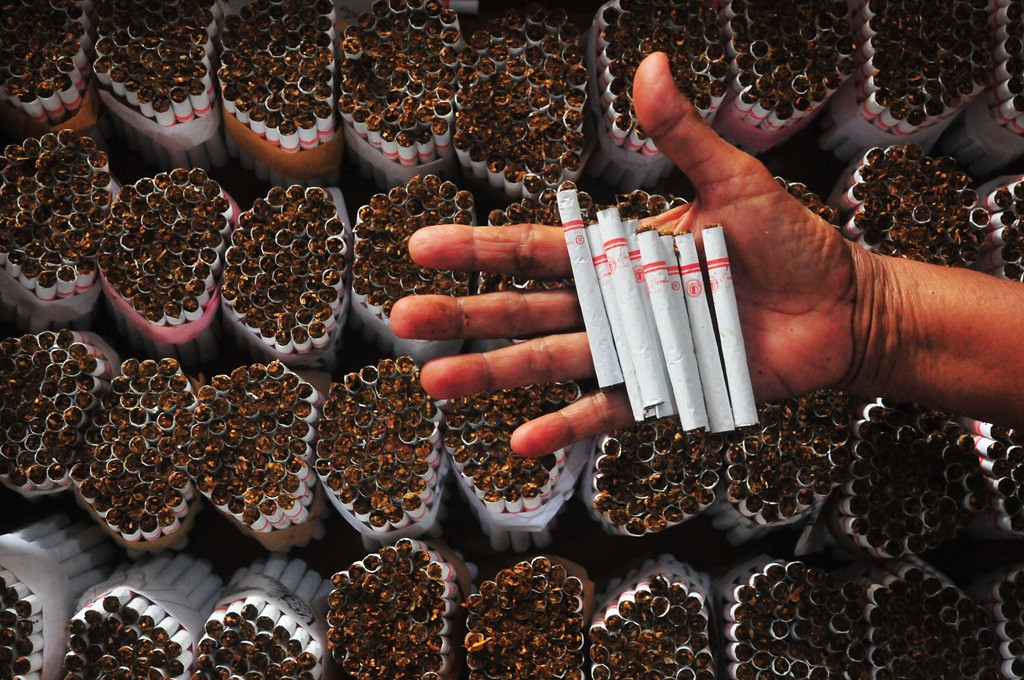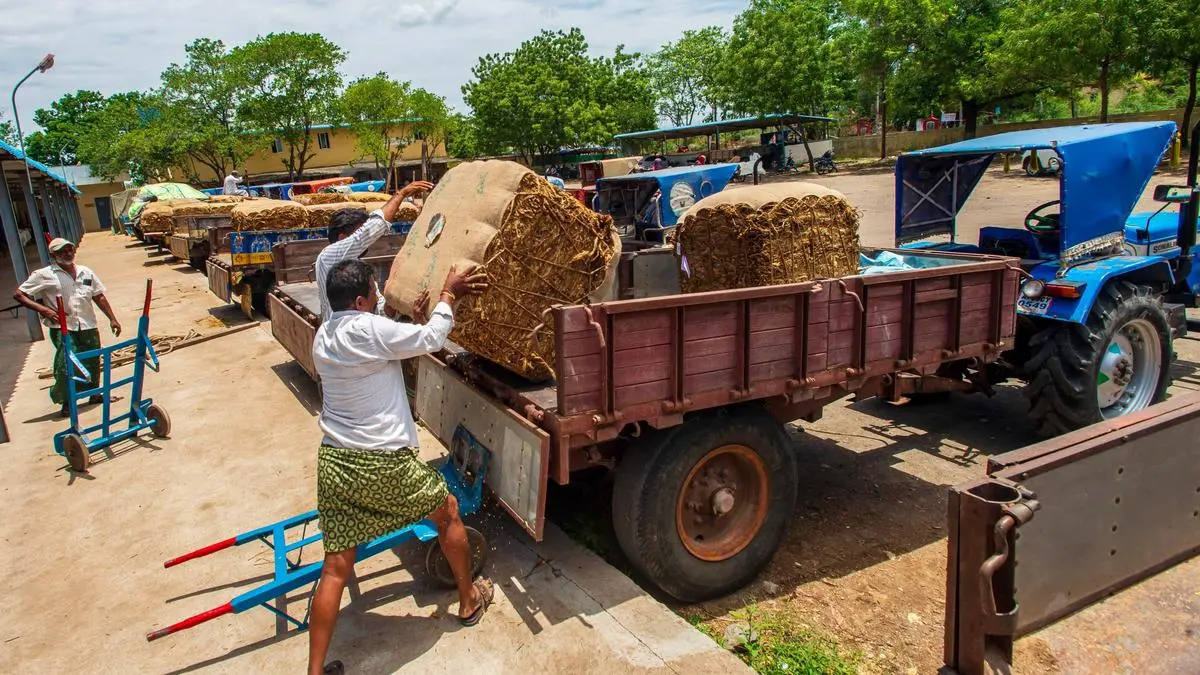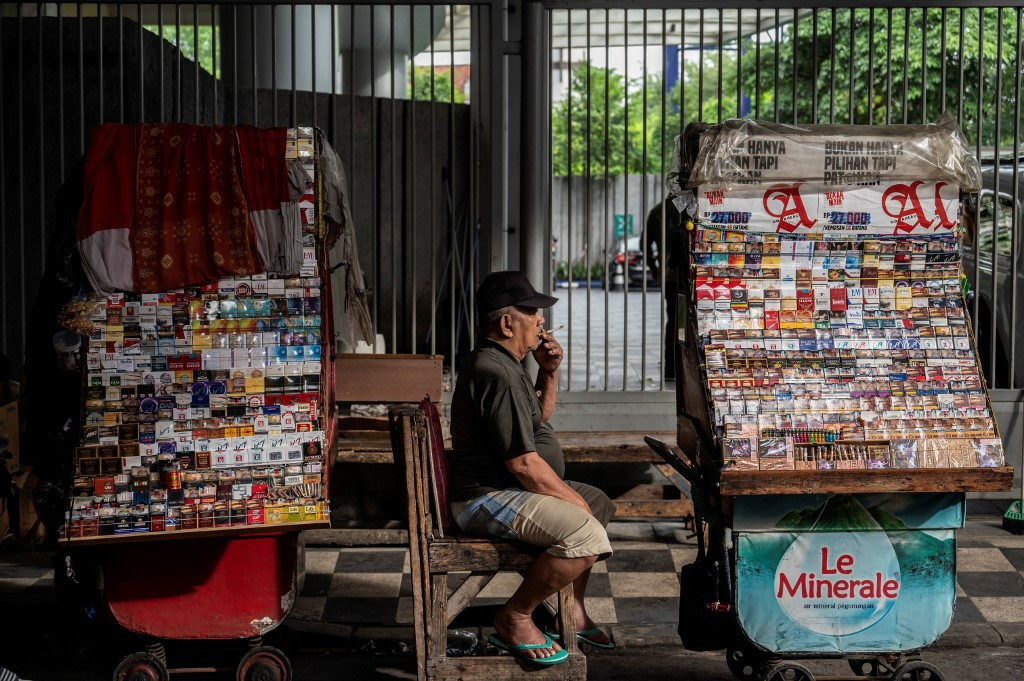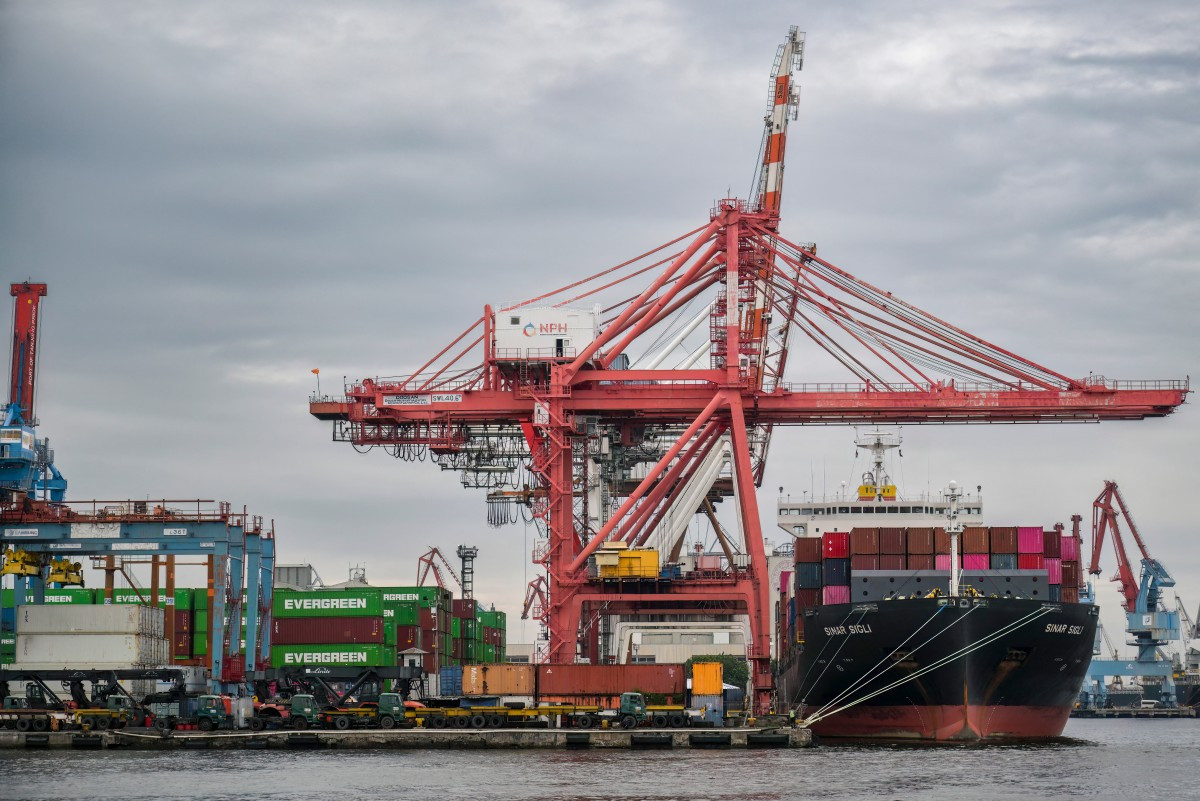
For the last 15 years, Indonesia's trade of unmanufactured tobacco under Harmonized System (HS) code 2401, has been running on deficit.HS 2401 imports climbed from 129,140 tonnes in 2023 to a record 214,420 tonnes in 2025. Almost the entire share of total imported HS 2401 products over that period comprised HS 240120, partly or wholly stemmed or stripped tobacco leaf, at 77.6 percent. Unstemmed or unstripped leaf (HS 240110), which competes directly with what local farmers harvest, accounted for less than 3 percent of imports and has barely grown.
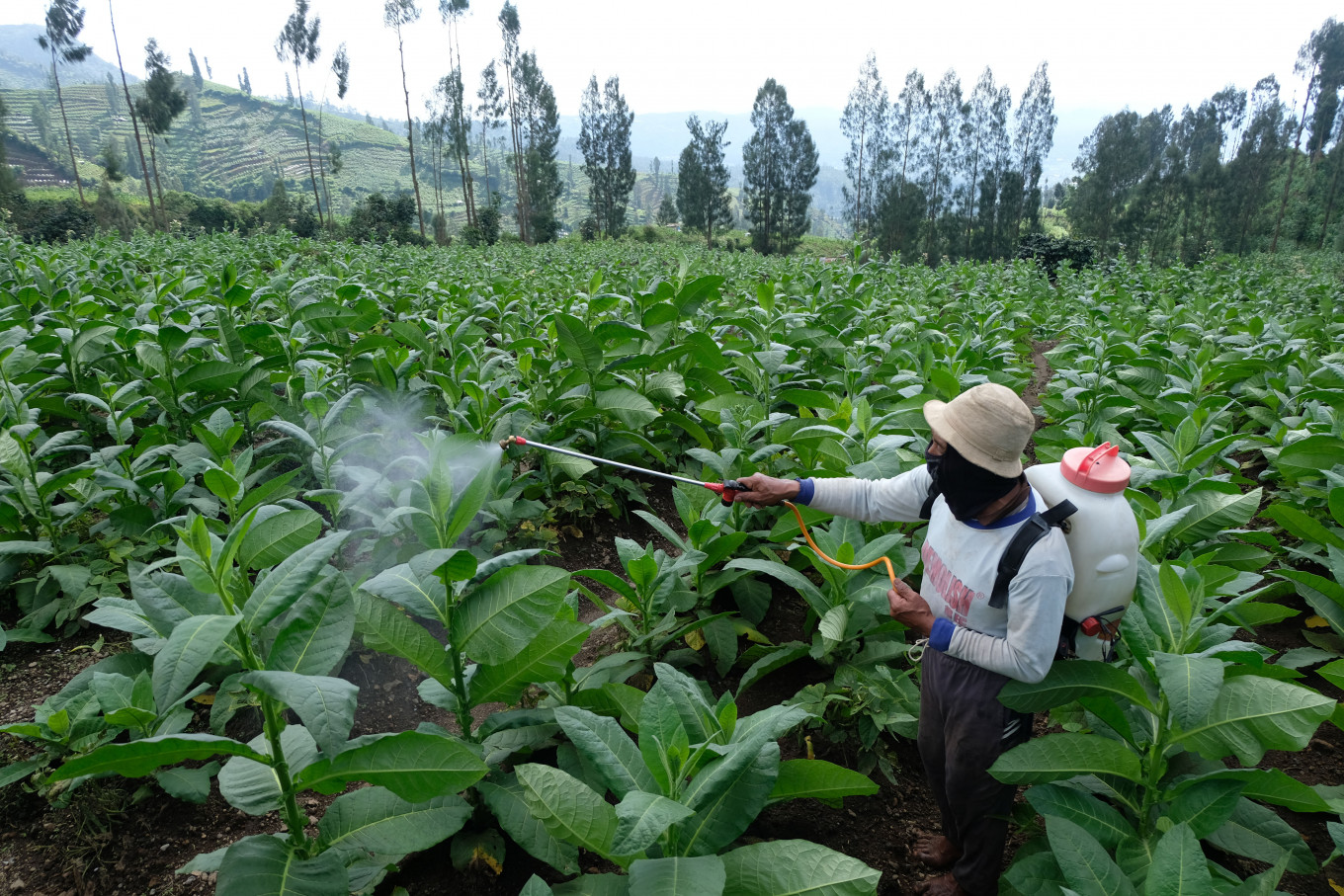
Domestic tobacco leaf production, on the other hand, was estimated at roughly 330,000 tonnes in 2025. Threshing retains roughly three-quarters of the original weight once the stem is stripped, leaving some 240,000 tonnes of lamina equivalent.
Meanwhile, the industry needs 315,000-340,000 tonnes of tobacco equivalent per year, leaving a production gap of roughly 75,000-100,000 tonnes. Yet 214,000 tonnes of threshed and cured tobacco still came in from abroad, more than double that shortfall.
To fill the gap, the industry imported dried lamina, dominated by flue-cured Virginia tobacco at 72 percent of total HS 240120, followed by other flue-cured tobacco (15.7 percent) as well as the Oriental (6.2 percent) and Burley (5.2 percent) varieties. This tracks usage, as Virginia and other flue-cured tobacco remain the staple blend for kretek (clove cigarettes), while Oriental and Burley tobaccos are typically used for American Blend cigarettes.