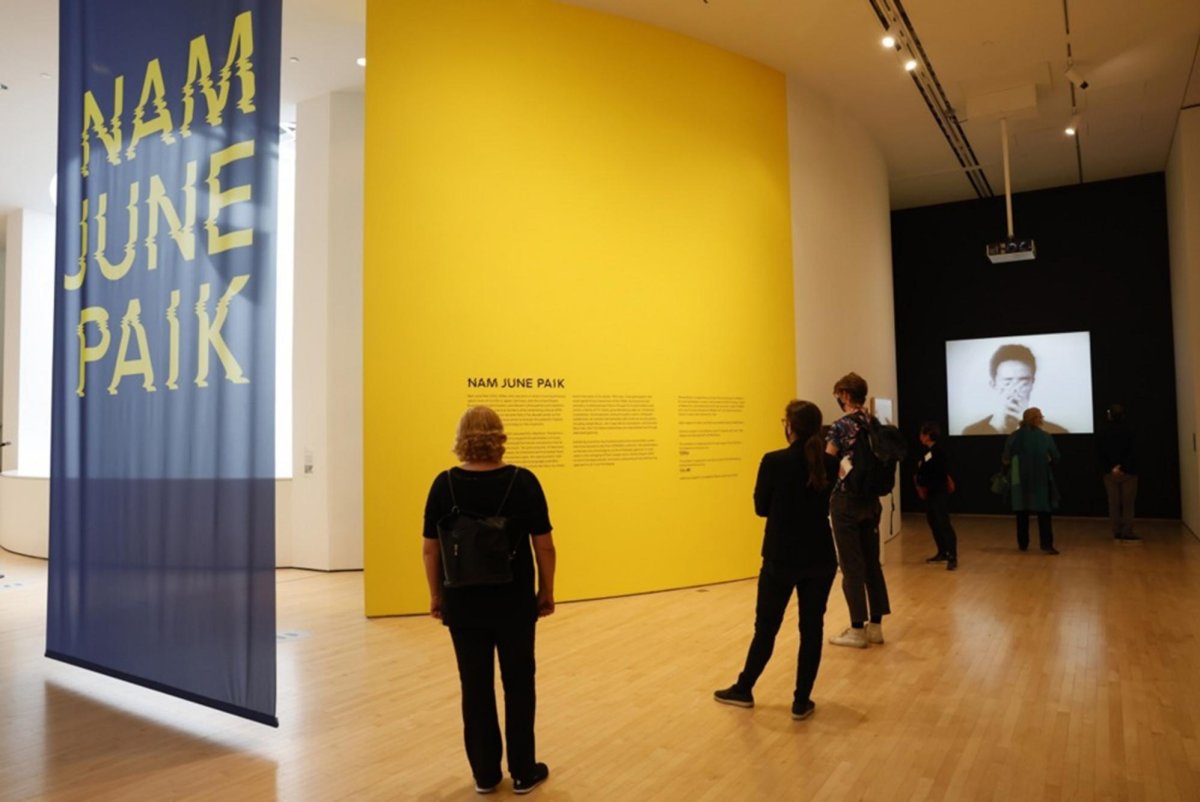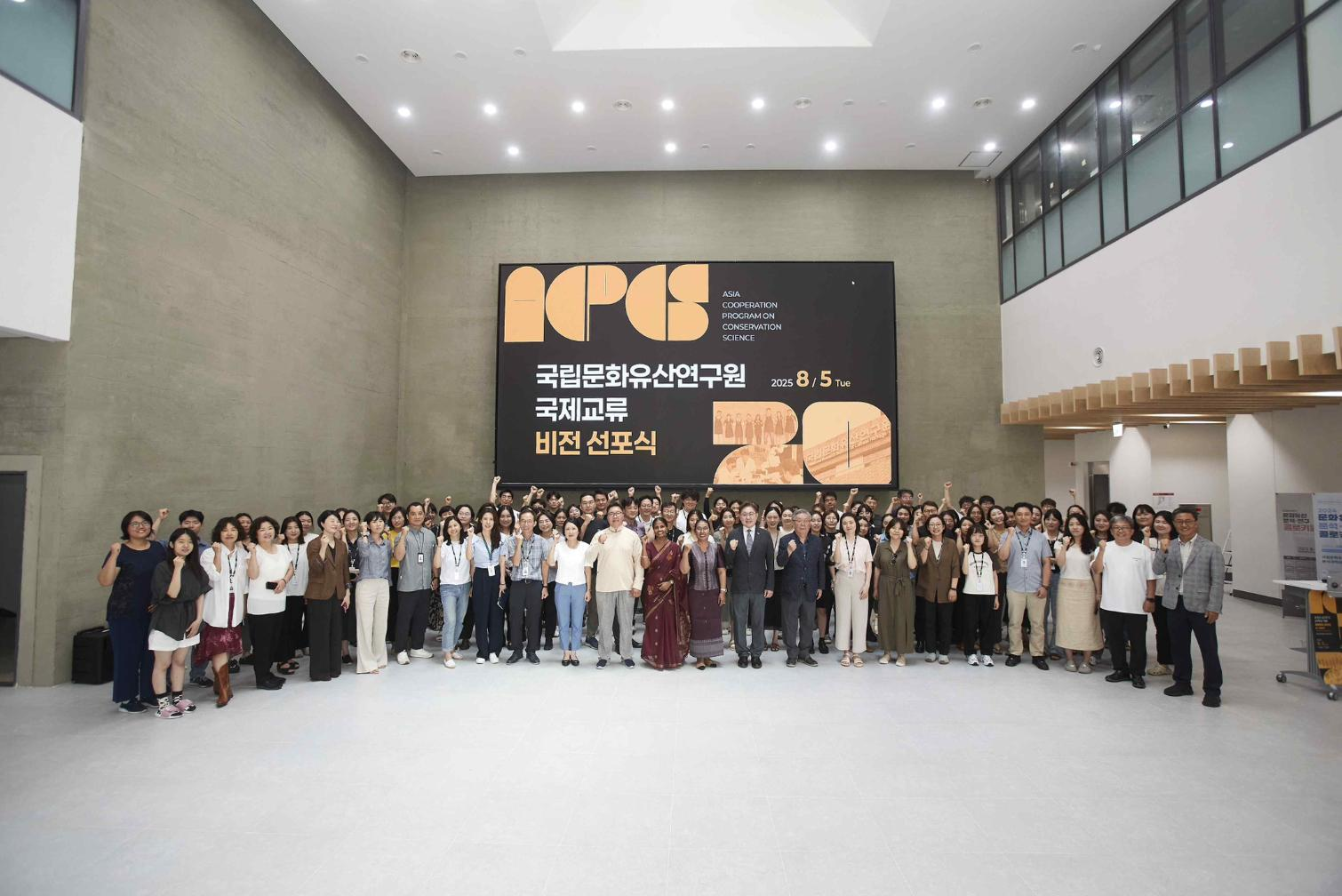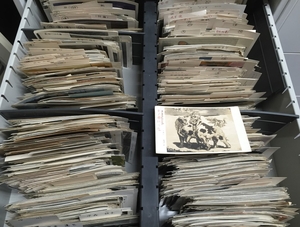
Archival materials held by The Tokyo National Research Institute for Cultural Properties (Courtesy of the institute, MMCA) The National Museum of Modern and Contemporary Art, Korea, will launch a five-year study of archival materials tracing how Korean artists' studies and careers in Japan shaped modern and contemporary Korean art and artistic exchanges between the two countries.Under a recent agreement with the Tokyo National Research Institute for Cultural Properties, MMCA will examine records concerning Korean artists who studied or worked in Japan from the 1920s through the 1990s during the Japanese colonial era and after.The Tokyo institute’s collection includes materials on Korea’s first Western-style painter, Ko Hui-dong, and other early modern artists such as Lee In-sung, Lee Jung-seop and Yoo Young-kuk, according to the MMCA.It also holds records related to postwar and contemporary figures who worked in Japan, including Nam June Paik, Lee Ufan and Park Seo-bo.The archives are expected to offer insight into the social and cultural environments surrounding the artists, as well as the creation and circulation of their works and their influence on Korea’s art scene, the Korean state museum noted in a statement.MMCA will dispatch a visiting researcher to Tokyo from August through November.The first phase will focus on Korean artists active in Japan during the 1920s and 1930s. Selected documents will be scanned, researched and translated into Korean before being made public on the museum’s website.“The agreement will shed new light on Korean art materials and establish a solid foundation for research into Korea-Japan artistic exchange,” MMCA Director Kim Sung-hee said.
MMCA, Tokyo Institute to trace Korea-Japan art exchanges through archives
The National Museum of Modern and Contemporary Art, Korea, will launch a five-year study of archival materials tracing how Korean artists' studies and careers i
256 words~1 min read