Published on
04/08/2026 - 7:09 GMT+2
Sleep is increasingly recognised as a key pillar of health, with poor sleep linked to a higher risk of cardiovascular disease, obesity, depression and reduced productivity. As cities look for ways to improve residents' wellbeing, researchers are exploring whether features of the built environment can also help people get a better night's rest.
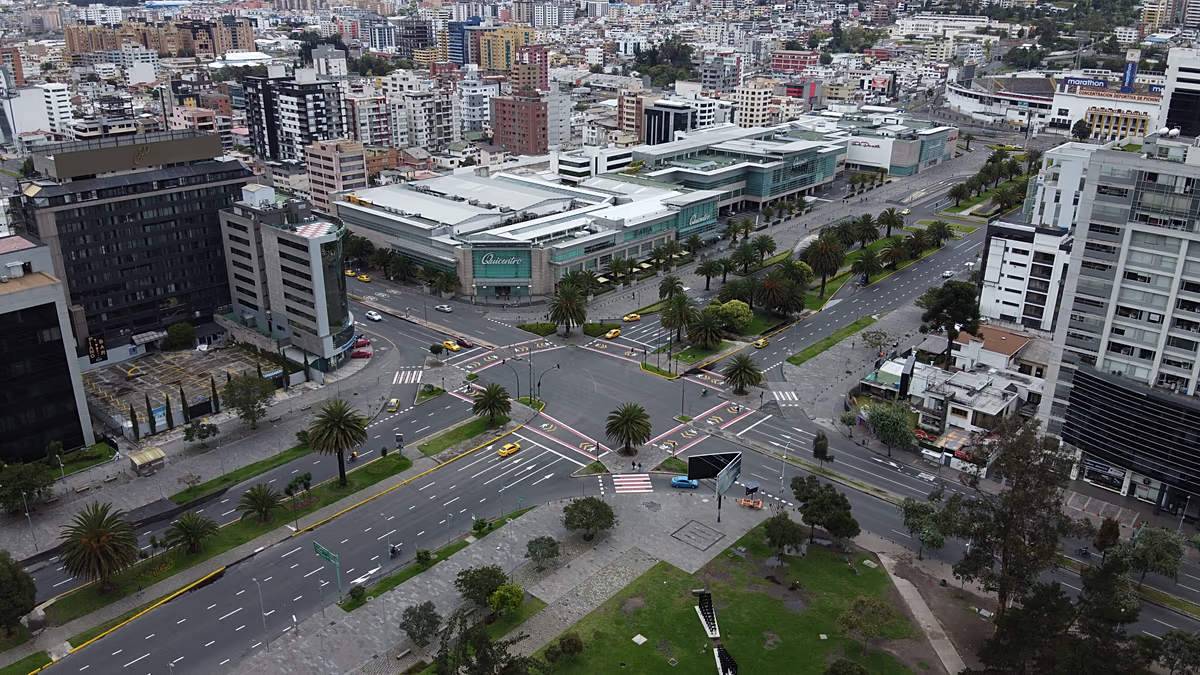
A new study suggests that greener neighbourhoods and streets with greater visual enclosure – for example, where buildings or trees frame the street – are associated with longer sleep, while neighbourhoods with more pedestrian-friendly street layouts were associated with shorter sleep.
Researchers at Osaka Metropolitan University in Japan examined how neighbourhood appearance and perceptions of safety affect sleep among employed adults aged 40 to 59 living on the third floor or below in Tokyo.