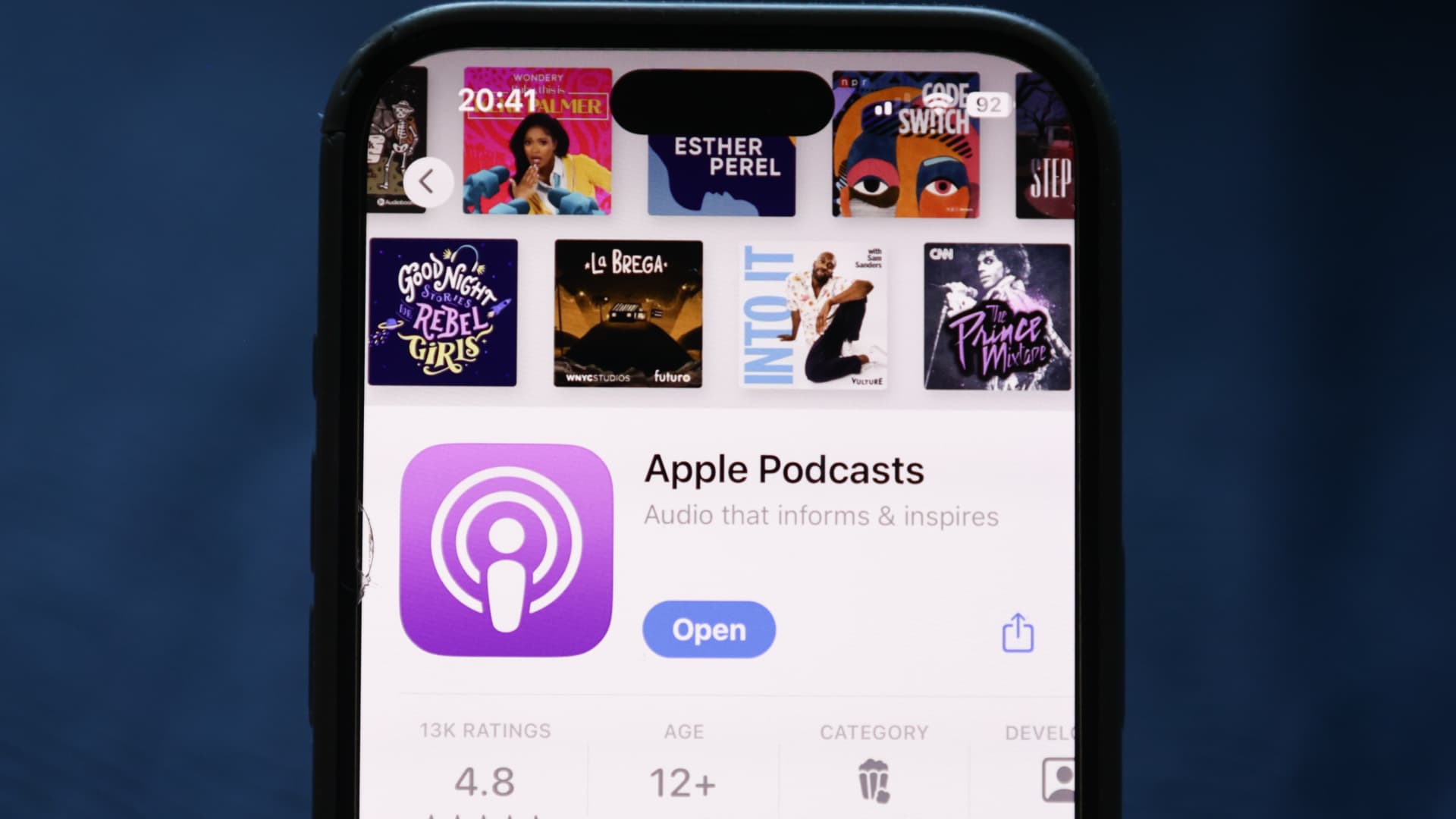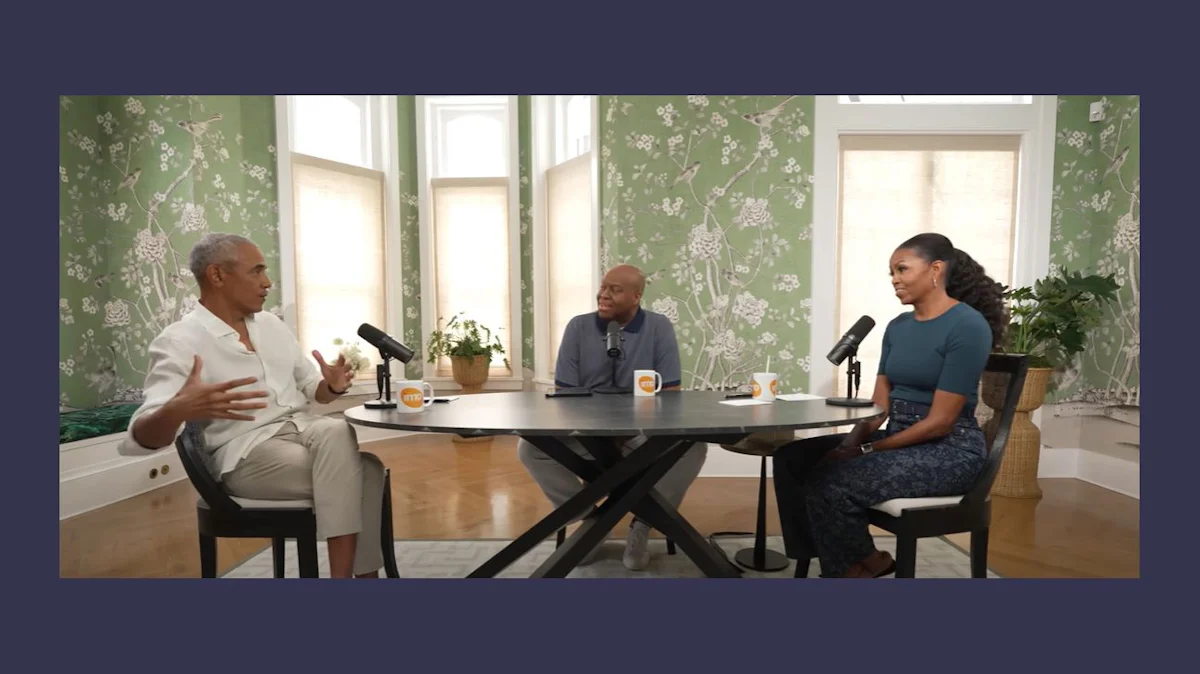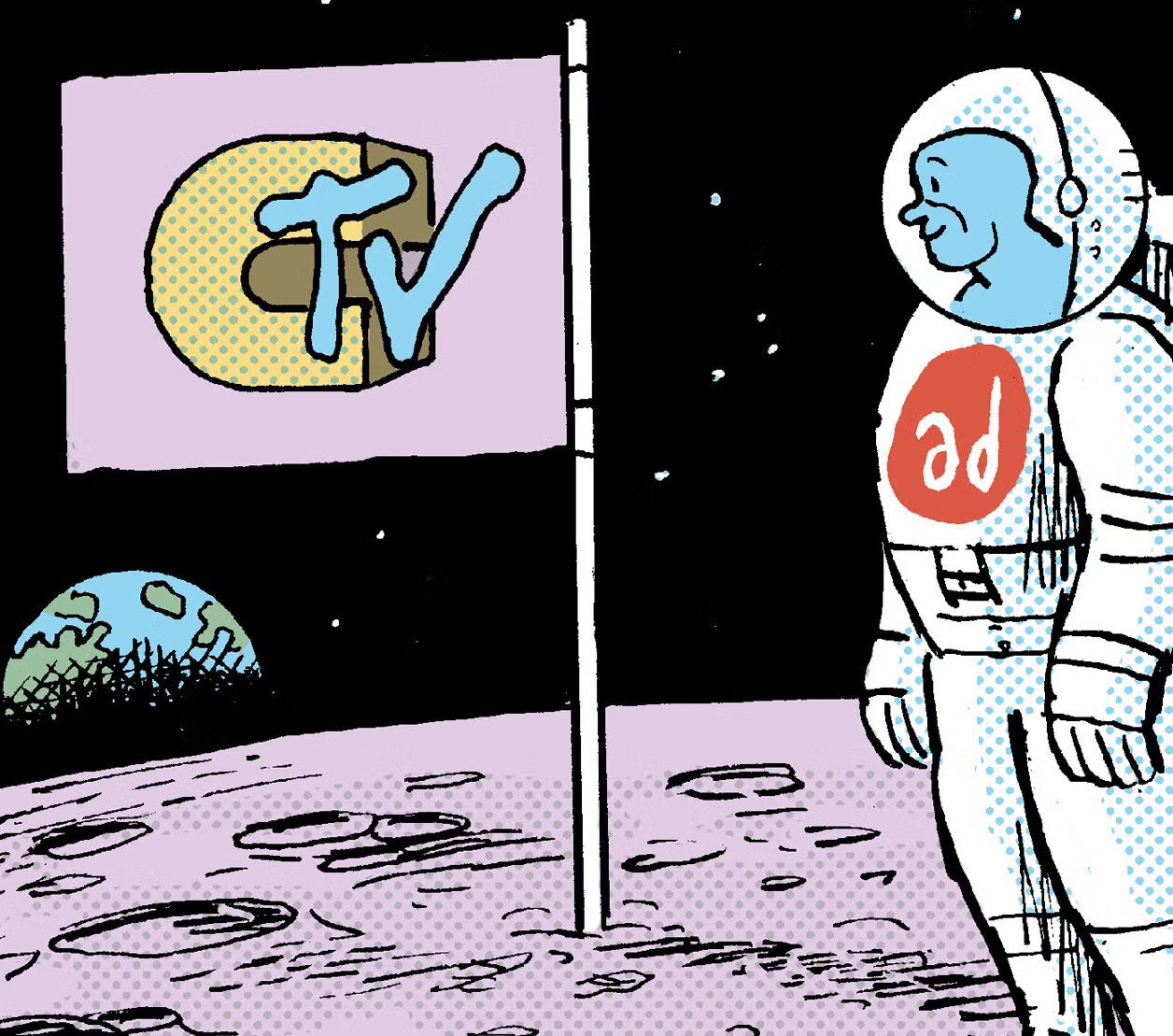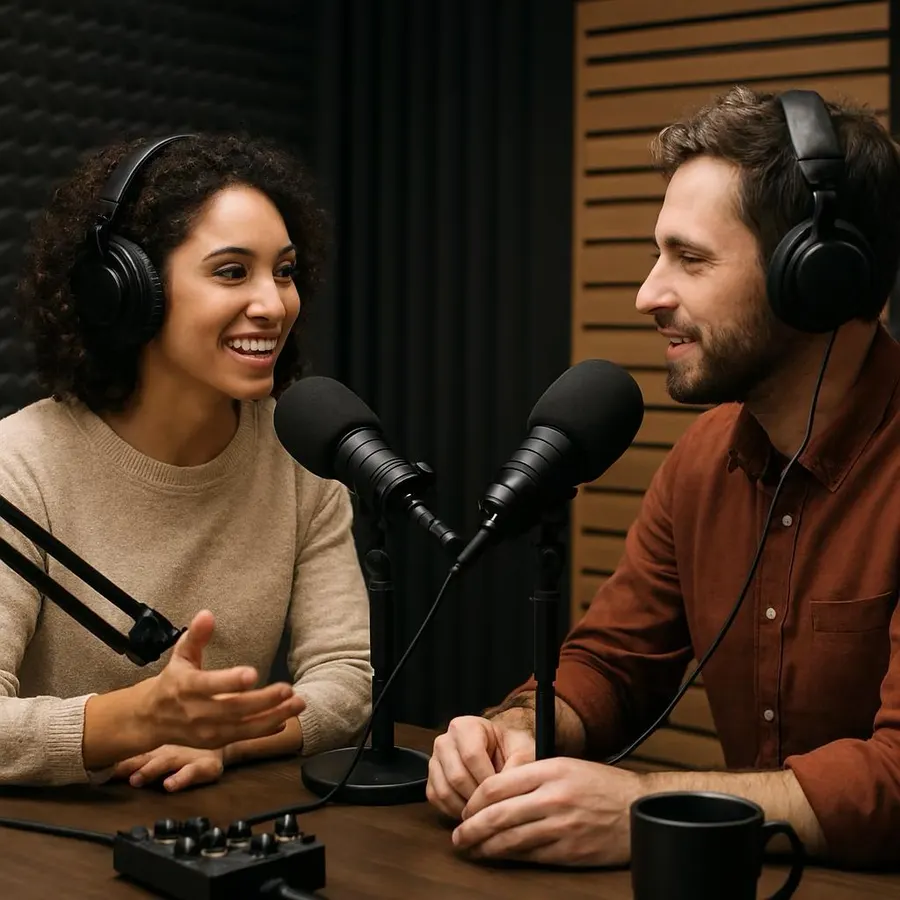
We have started uploading full episodes of Inside Politics, The Irish Times podcast I present, to YouTube. For years, the consolation of audio was that nobody had to look at the people making it. I have, as the old line goes, a face made for radio and the medium was until recently gracious enough to keep it hidden. That protection is being withdrawn everywhere, because the industry has decided audio on its own is no longer enough.At this stage, the evidence that this is a fait accompli rather than a fad is hard to argue with. In the US, YouTube is now the most popular place to hear podcasts, ahead of Spotify and Apple. Last year, more than a billion people around the world watched podcasts on the platform every month, a figure which has almost certainly grown further since.The shift to video is being accompanied by a shift in consumption habits. According to the figures YouTube owner Alphabet gave investors, in October last year Americans watched over 700 million hours of podcasts on livingroom television sets, a jump of 75 per cent in a year. YouTube is now the most-watched service on American television, ahead of Netflix and every network. Britain is travelling in the same direction, albeit more slowly. Ofcom’s latest research puts weekly podcast reach at 27 per cent of adults, up from 23 per cent a year earlier and, among weekly listeners, 68 per cent have now watched a podcast with video.But the picture is not as tidy as some would like you to believe. The same Ofcom research finds four in 10 regular listeners still prefer audio only and around a quarter of YouTube podcast consumers say they put the video on and then never look at it, letting it play in the background. So some people will lean back on the couch to hear us talk ad nauseam about politics, while others listen on the way to work or cooking the dinner and wouldn’t notice if the camera fell off its tripod.The reason for the video streaming platforms’ enthusiasm for podcasts is simple. They’re a cheap source of the one thing streamers can never get enough of: hours of programming made for a fraction of the cost of drama, sport or the sort of expensive shows made in traditional broadcast TV studios. The big-name podcasts arrive with an audience already attached. [ The news learned to follow us everywhere. No wonder we are hiding from itOpens in new window ]YouTube is the main beneficiary, but no longer the only one. Netflix has begun striking deals with Spotify, iHeartMedia and Barstool Sports for exclusive rights to some shows.Having been a disruptive, insurgent presence in traditional audio markets for almost a decade, podcasts are now doing the same in the more lucrative and competitive terrain of what we used to call TV. That raises all sorts of interesting questions for traditional broadcasters, regulators and legislators. In order to answer them clearly, they need good comparative data. Sadly that is not available.We are asked to make sense of a landscape in which linear television, live radio, subscription video-on-demand services and “free” streamers funded by programmatic advertising all jostle for attention on the menus of our phones, laptops and connected televisions.Meanwhile, the instruments that publicly measure them in Ireland stay separate and mutually unintelligible. Television is counted one way, radio another, streaming a third and podcasts barely at all (despite the fact podcast producers have access to rich server-side data sets in real time). Each measuring tool was built for a different, disappearing world.There is a widespread assumption that Ireland has historically had an unusually strong attachment to the spoken word. Our most listened-to radio station is a speech and current-affairs service, and talk radio holds the place in Irish life that music stations hold elsewhere.[ End of an era for ITV could have implications for Irish viewersOpens in new window ]That, at least, is what the listenership figures say, though the JNLR survey they come from relies on people responding to prompts and recalling a day later what they heard. And its claims about the size of the young audience have always struck me, and others, as generous to the point of fantasy. Even so, the affinity looks real. The question is whether it survives contact with video. If a watchable podcast now costs not much more than two fixed cameras and some automated editing software, and the audience, especially the young audience, is drifting on to YouTube, then the way people listen to talk may change shape in ways we are poorly equipped to understand.The platforms know exactly what is going on, because it is their data. The rest of us, however, are working from samples and surveys designed for a previous era. Coimisiún na Meán, the media regulator, now holds a remit for a freshly minted set of legislative and regulatory tools, from the European Media Freedom Act to its powers under the Digital Services Act, that could be used to fill this knowledge gap. It should use whatever is at its disposal to give the public, the industry and itself a more accurate picture of what Irish audiences are really doing in this brave new world. We assume we know where the audience is heading. It would be no harm to be sure we can actually see it.
Podcast shift to video is a fait accompli, but how is it changing audience habits?
TV, radio, video-on-demand and streamers all jostle for attention but the instruments that measure them remain separate and mutually unintelligible
894 words~4 min read