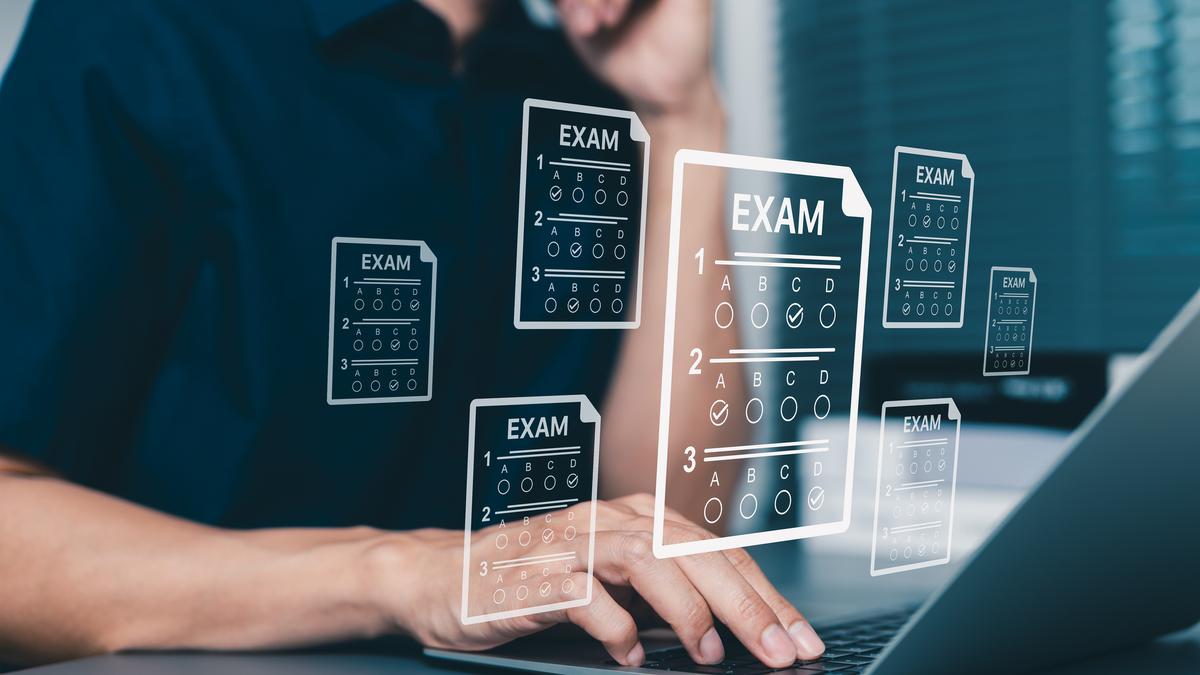
There is, says Colin Hughes, who is the head of the exam board AQA, no downside to switching pupils from written exams into a gleaming modern utopia of computerised tests. Students, he says, are baffled by the fact that exams don’t take place on screens. He also seems to think the poor dears won’t be able to type if they don’t take exams on computers, as if they weren’t competent enough to learn how to use a keyboard without them. What’s more, boring old exam papers, it seems, have been causing delays in providing results for schools: doing them on a screen would solve that problem instantly, and, shazaam, Johnny and Jemima can get their C minuses in Raffia Work almost instantly.
Sometimes I do wonder why certain people are so bedazzled by technology. We spend so much of our time trying to keep children away from computers: why force it on them in other situations? Well, I know the reason why in this particular case: it would obviously be oodles cheaper to feed pupils’ examinations into a computer, which can then be marked by AI, rather than hiring a lot of depressed teachers to wearily wade through one million essays on ‘The role of women in Of Mice and Men.’
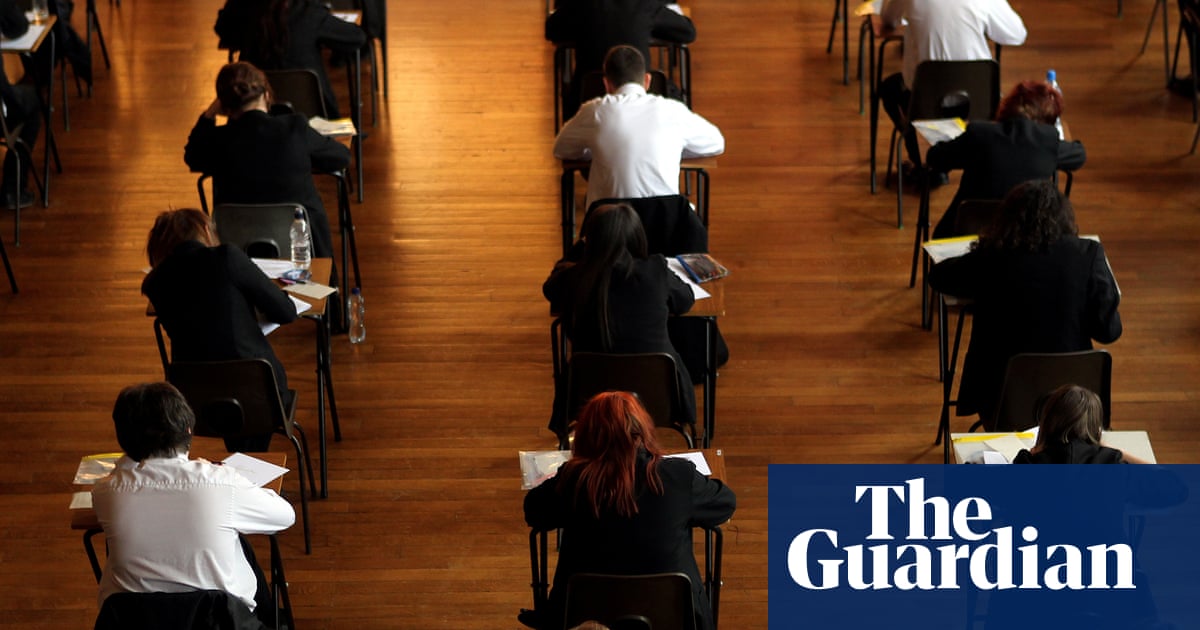
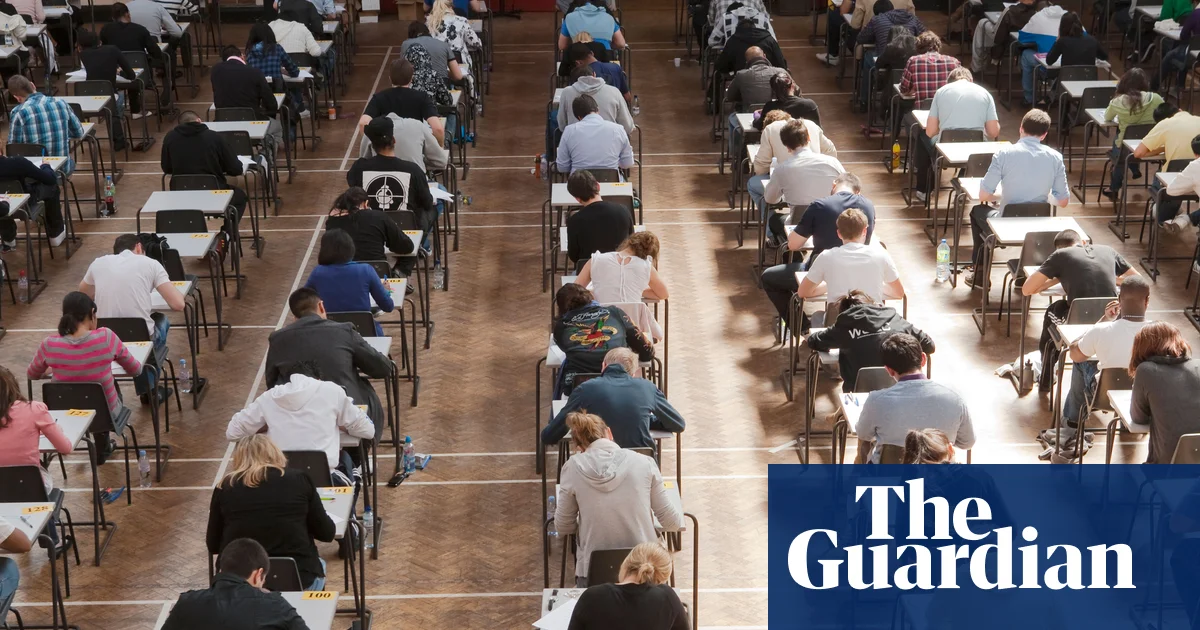
But do these people not understand? Have they not, in recent years, been near a computer? Are they unable to contemplate the horrors that will unfold? There is something almost sanctified about an exam hall. Though I would imagine that few people look back with any kind of positive emotion at those long summers interrupted by frantic revision, I must admit that I did rather enjoy the challenges (and the stationery that accompanied it). Two uninterrupted hours in which to write an essay, or translate something, or solve a problem, in a situation which is entirely geared to keep you in monastic silence. There has been nothing like it since.