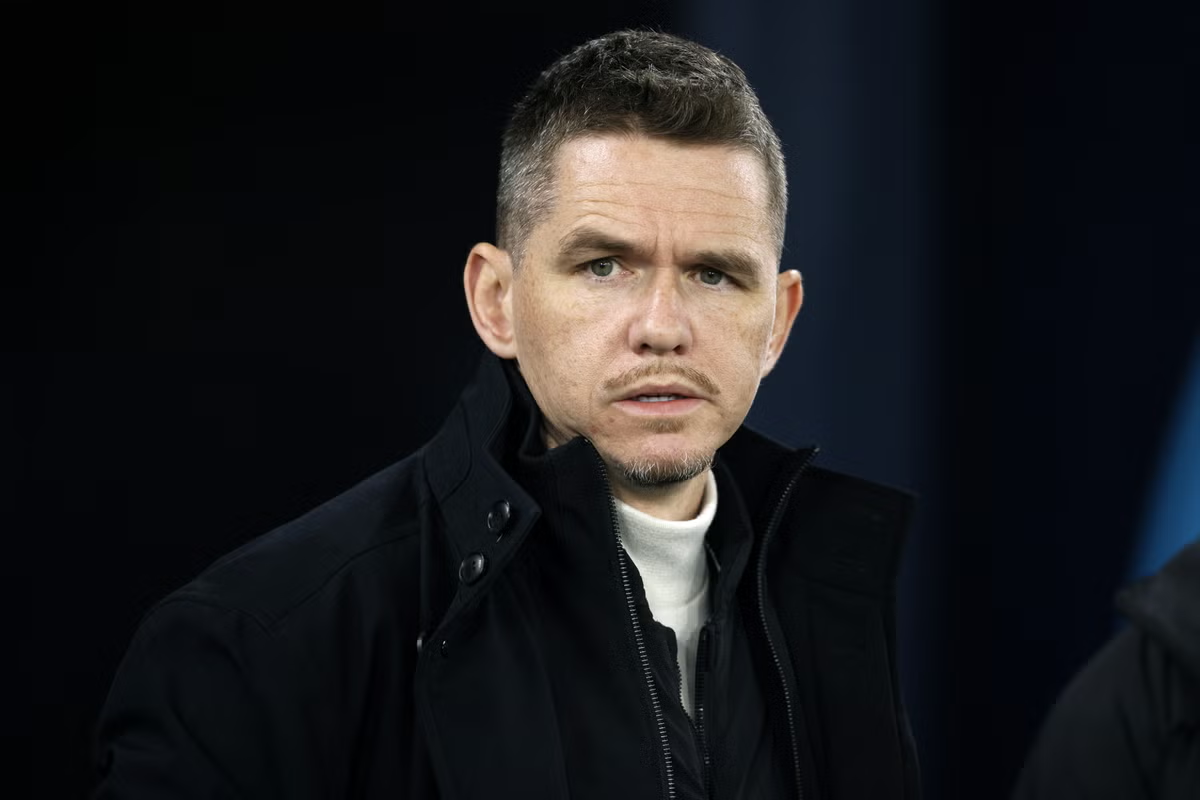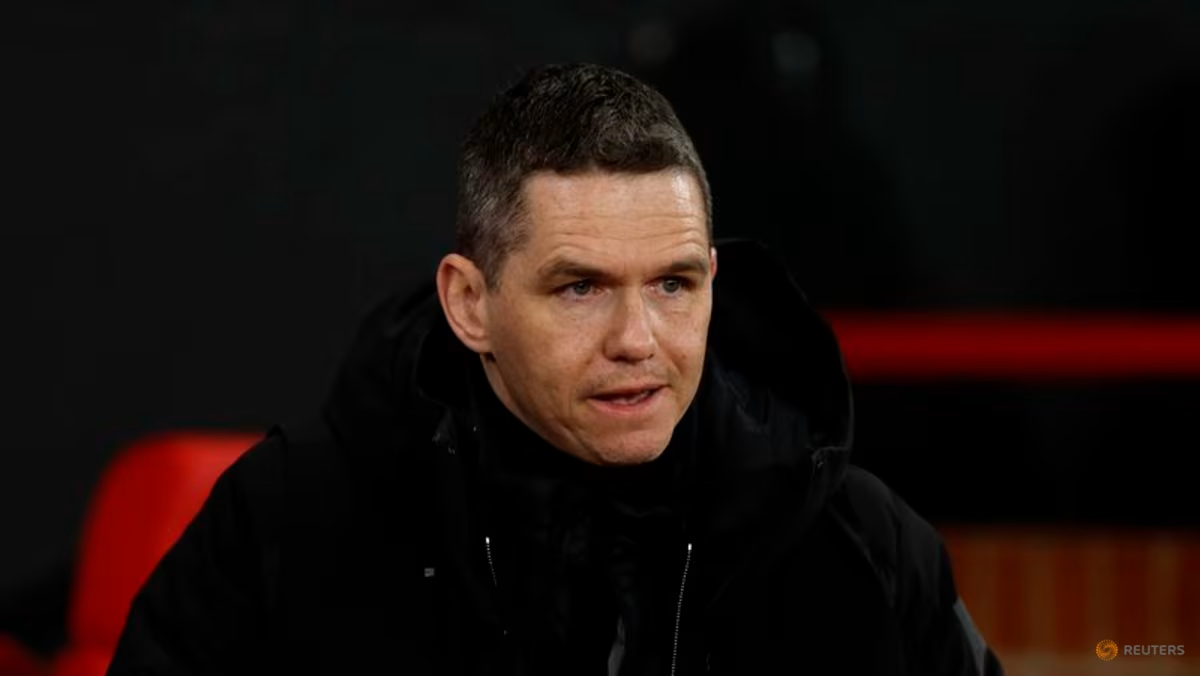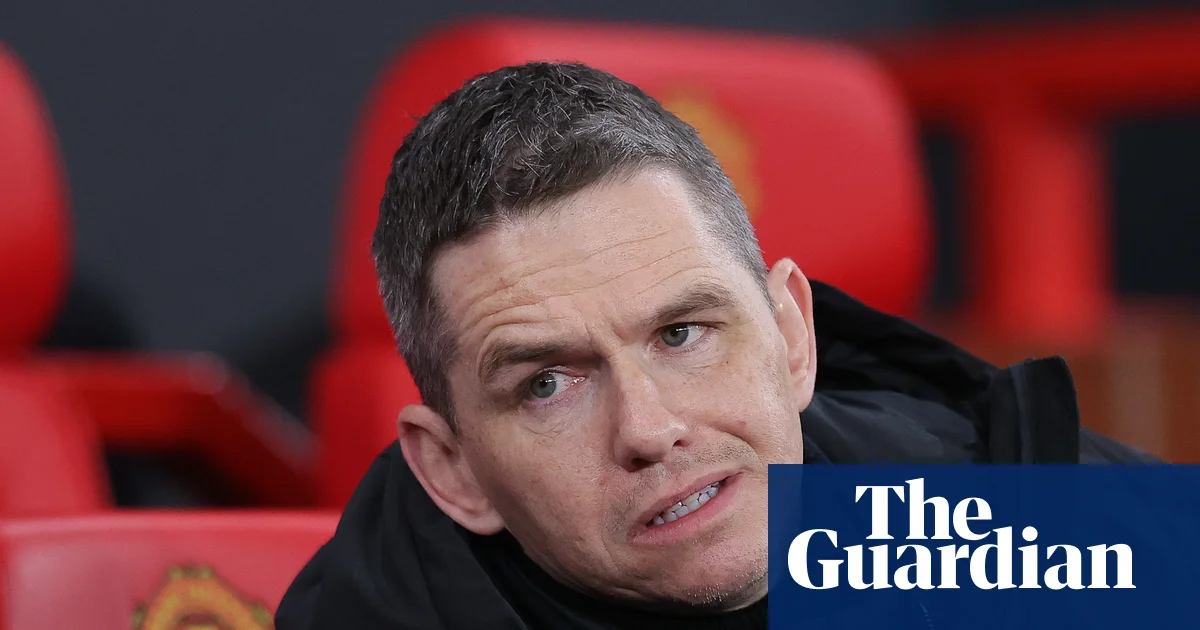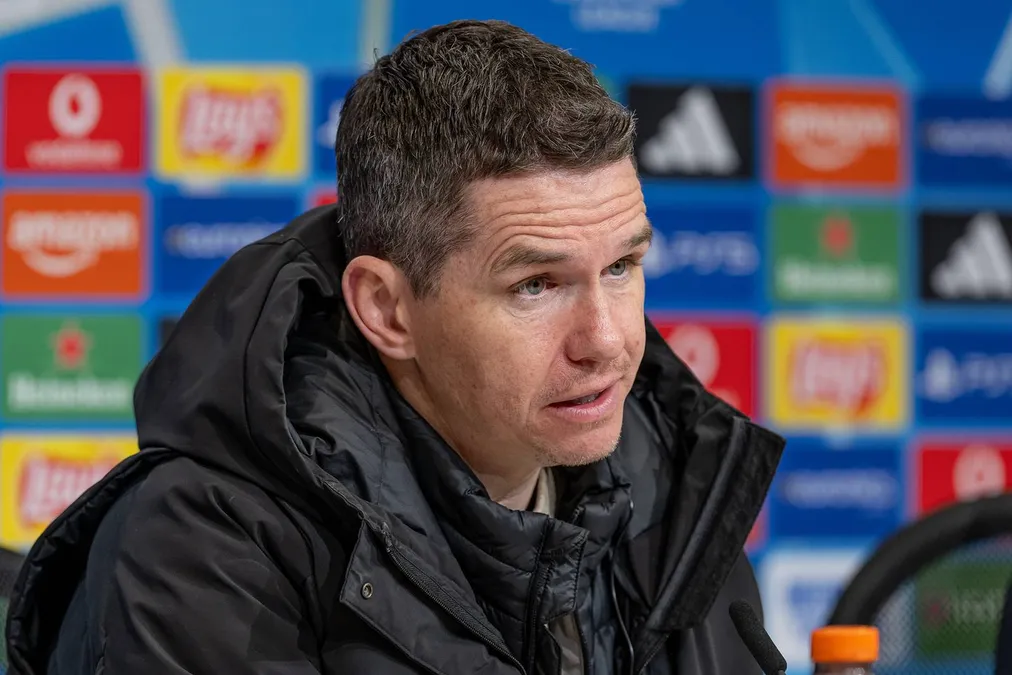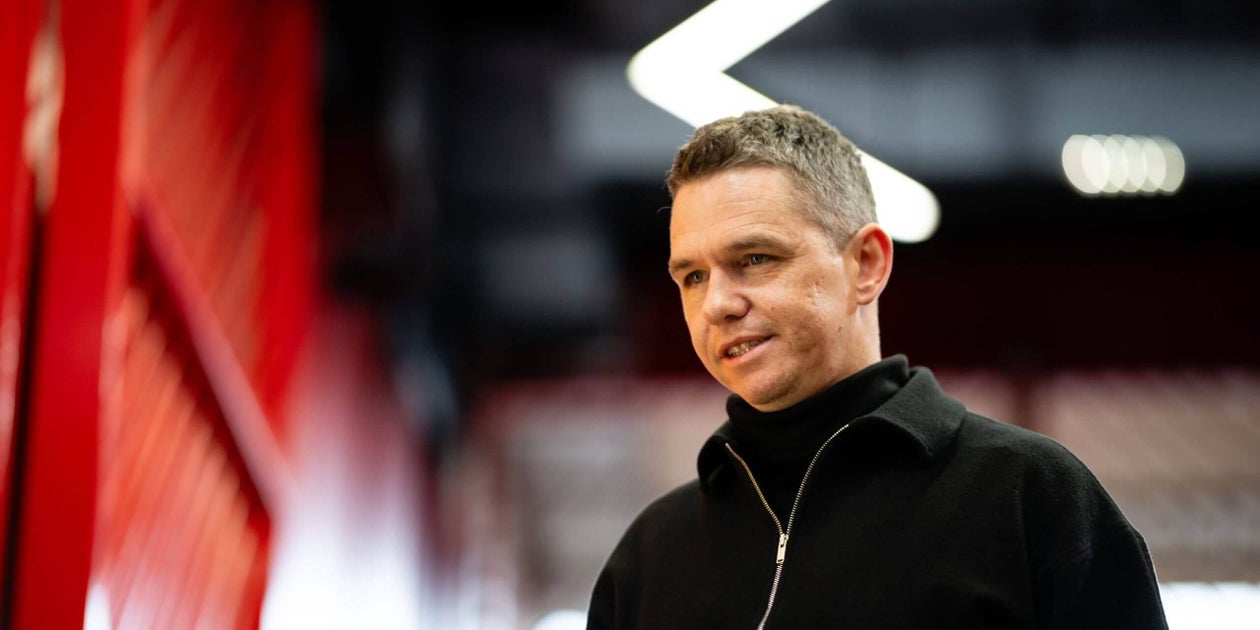
On the final Monday of July, Ameesh Manek walked into Manchester United Women’s training complex. The director of football operations stood before first-team players and staff and delivered the club’s plan for the upcoming season: United would be following a “sustainable long-term” investment model. There would be a return to the DNA of bringing through academy products, placing trust in youth and playing “exciting” football. It was also said that two more signings would arrive before the new season: a central defender and a left-winger.According to two sources familiar with the meeting — who, like others referenced in this article, spoke on condition of anonymity to protect relationships — at least one senior member of the first team asked for the names of the players being targeted. Manek did not divulge that information but insisted both players were “elite and experienced”. Some players questioned whether just two additional recruits would be enough to keep United competitive with the Women’s Super League’s (WSL) top three, having finished fourth last season and outside the Champions League qualification positions, nine points adrift of third-placed Chelsea.After 15 minutes, the meeting was over and Manek left the room.A week later, at 8:45am on Monday, Manek was back inside the women’s first-team training facility. But this time it was head coach Marc Skinner who was in front of the players, sitting in a chair rather than standing, interpreted by one person present as a sign that he was attempting to contain his emotions. Skinner said he was leaving after a mutual termination of his contract had been agreed. He thanked the players for allowing him to say goodbye and spoke of his gratitude for the connections made, saying he would always remain a fan.Then he stood up and left.As The Athletic reported on Monday morning, Skinner’s five-year tenure as head coach of United Women has come to an end. People close to the situation said he offered his resignation on Sunday evening before reaching an agreement with the club.The offer, according to sources familiar with the situation, was the culmination of frustrations built over the past year regarding the direction of the women’s team, specifically investment in the summer. The club insist the decision to part ways was arrived at mutually and that it was in the best interests of all parties.They expect to appoint a new head coach swiftly — background checks have already been completed on potential successors — and the club’s view is that a new manager will bring fresh energy and a renewed ambition.Skinner’s relationship with Manchester United had grown increasingly frayed. He had publicly implored the board to back the women’s team, stating in April after United’s quarter-final Champions League exit: “I’m incredibly proud of what my players are doing on the resources we have. Because we wear Manchester United’s badge, everybody expects us to be the very best team in the world. We have that expectation too. Yet we’ve got to grow because we’re eight years old.“You (can) give me all the flak. That’s no problem; that’s my job. But if we want to compete at this latter stage we’ve seen what we’ve got to do, as a club. And then it’s our choice now, isn’t it?”According to multiple people inside and outside the club, United’s budget for the summer ranks between the sixth and seventh lowest in the WSL. They have made two signings so far this summer, reserve goalkeeper Janina Leitzig from relegated Leicester City and Spain defender Andrea Medina on a free transfer. Meanwhile, five players have departed, including France winger Melvine Malard (who had the most goal involvements of any player at the club last season) to Chelsea after United opted against meeting the player’s salary expectations.Melvine Malard joined Chelsea earlier this summer (Molly Darlington/World Sevens Football via Getty Images)It is anticipated there will be at least one more first-team departure this summer to augment the overall operating budget, according to two sources familiar with the matter.
Inside Marc Skinner’s Man United exit: How frustration over strategy led to end of five-year reign
The club want to focus more on the academy and young players but that has cast doubt on their ability to compete with the WSL's top teams
1,843 words~8 min read