The Fatal Flaw of the Dual-Write
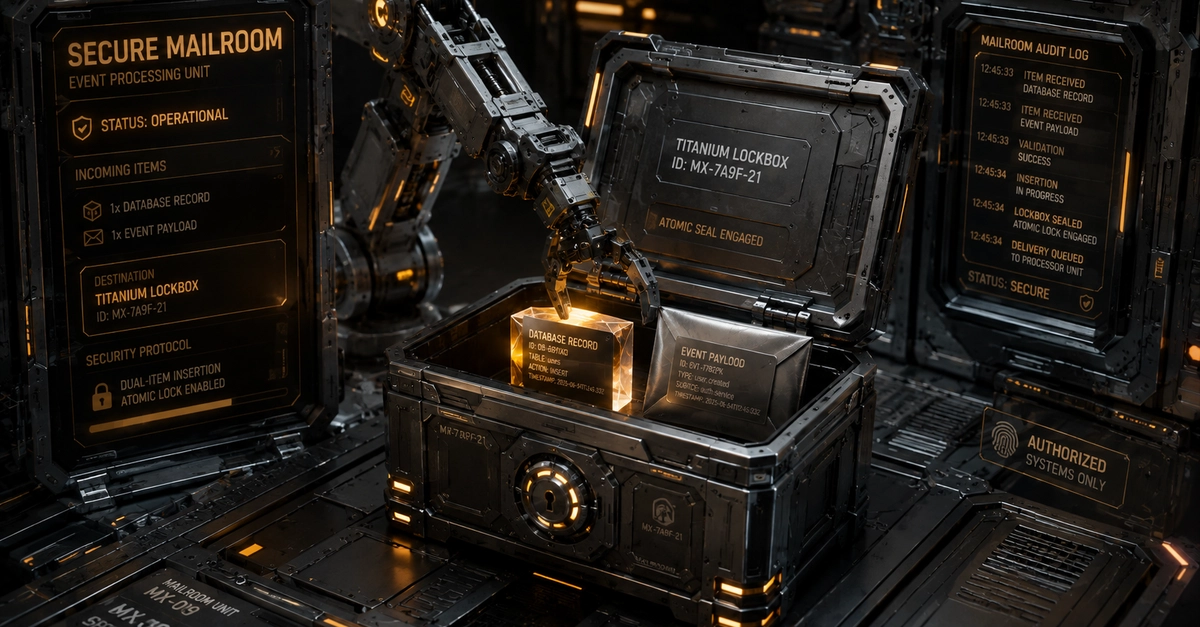
In modern microservice architectures, or even well-structured modular monoliths, a single business action often requires two distinct technical operations: writing a state change to the primary database, and dispatching an event to a message broker (like RabbitMQ, Kafka, or Laravel's Redis Queue) to notify other systems. For example, when a user registers on your SaaS platform, you must first insert their record into the users table, and then fire a UserRegistered event so the mailing service can send a welcome email and the billing service can create a Stripe customer.
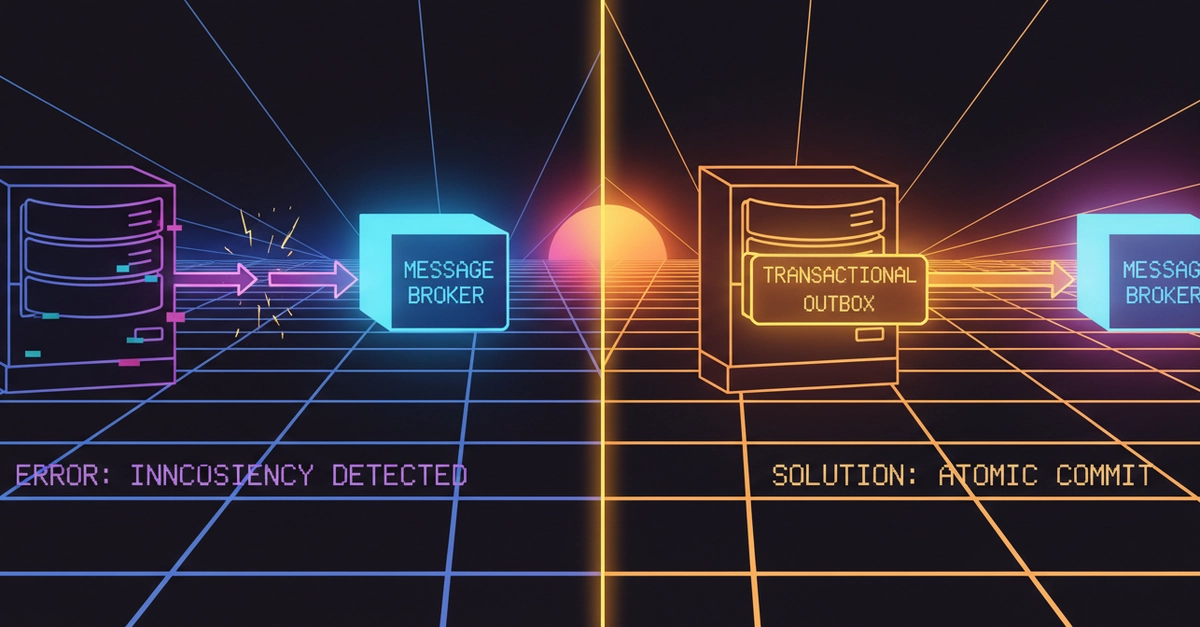
Most developers naively implement this as a sequential process: save to the database, then dispatch to the queue. This is known as the Dual-Write Problem. It is a ticking time bomb in distributed systems. If your server successfully commits the database transaction but experiences a sudden network failure or hard crash a millisecond before dispatching the job to Redis, your system enters an inconsistent state. The user exists in the database, but the event was permanently lost. The welcome email is never sent, and the billing record is never created. The user is now a "ghost" in your system, breaking your application's fundamental business guarantees.