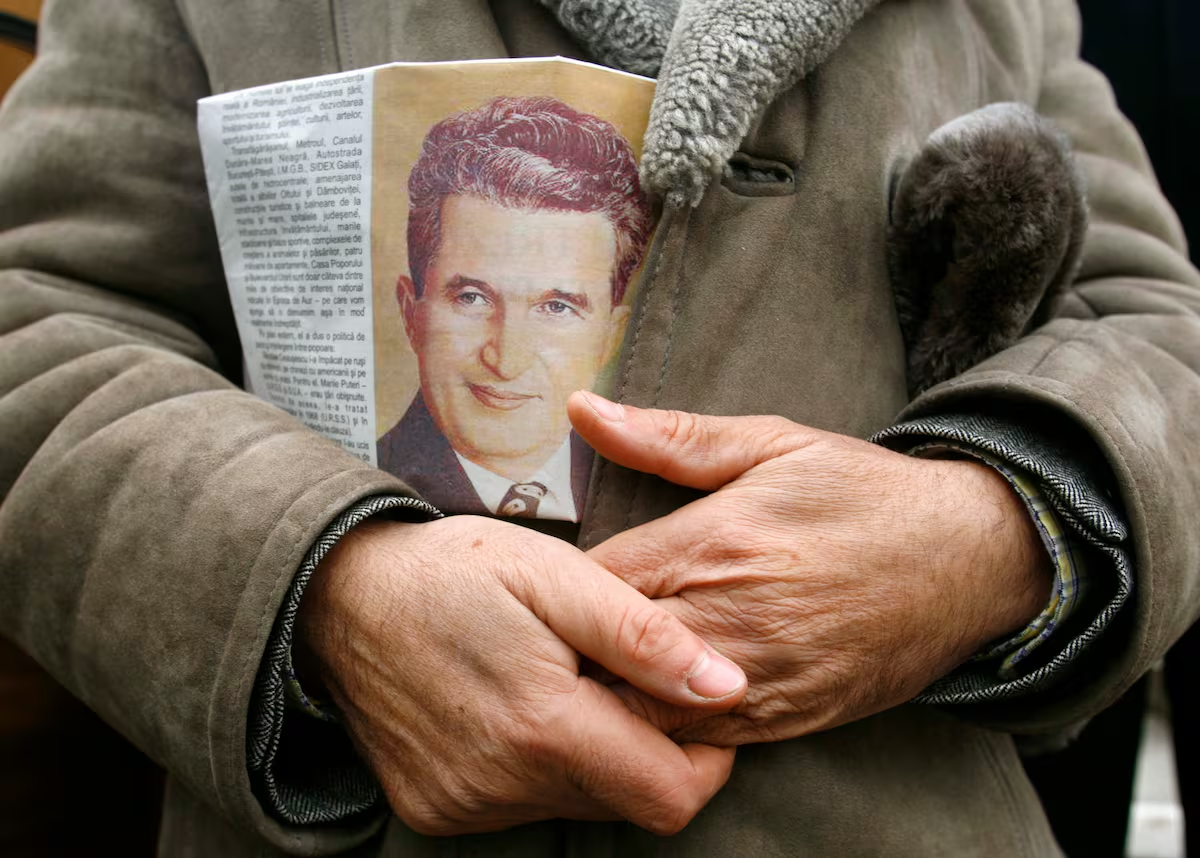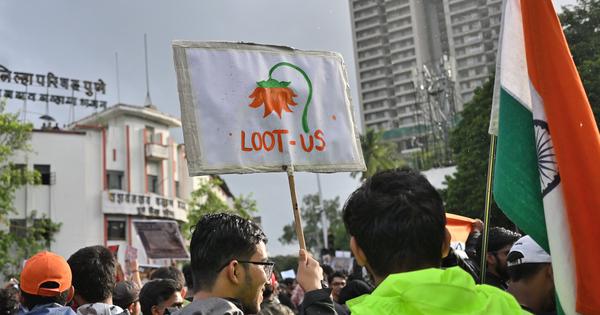
On a chilly morning in December 1989, Romanian President Nicolae Ceaușescu stepped onto the balcony of the Communist Party headquarters in Bucharest to deliver a speech. The crowd was full with people holding up carrying massive pictures of the version of him, and of his wife Elena.Ceaușescu was very particular about how he looked on photographs – a team made sure wrinkles were removed and any photo looked perfectly staged. The widely circulated large posters of him had him in his 40s, people in Romania marveled at how his official posters refused to age. Like an unfortunate analogy for South Indian movie stardom, the crowd waving posters of the yesteryear blockbuster, facing an arthritic live version.At first, the event seemed to be going alright. There were the usual celebratory chants, revolutionary slogans being waved on large red banners, the perfected dictatorship-style choreographed clapping lining the speech. Then something unexpected happened. Someone booed, then another person booed, and another. Within seconds the entire crowd burst into aggressive heckling.The leader, so used to complete obedience and speeches peppered with the chant “Ceaușescu și poporul” (Ceaușescu and the people) was suddenly caught on camera with an expression his pre-Photoshop airbrushed images hadn’t prepared people for. He looked stunned and helpless, repeatedly asking the crowd to calm down.In this photograph from December 21, 1989, a television screen shows former Romanian communist dictator Nicolae Ceausescu delivering his last public speech from the balcony of the Romanian Communist Party Headquarters’ in Bucharest. Credit: AFP.His wife, similarly used to her de facto role as the second in command, had no luck trying to get people to quiet down. A row of cronies standing alongside on the balcony seemed likewise shocked, as a feared leader seemed to suddenly fail to instill dread in the people.The national broadcaster’s television cameras covering the speech quickly turned the lens away from the jeering crowds and up towards the sky.Ceaușescu had wielded near-complete power over the state and its institutions. The majority of the country’s population had known no leader other than him. There were massive banners and large cutouts of him in city squares, even photos in schools and factories. There were regular television missives from him, typically with him facing the camera directly, often taking only pre-selected questions.He never did direct, unscripted engagements with journalists. All mainstream media was carefully managed, information that the people got from the government were presented as coming from Comrade Ceaușescu – factories existed because of him, agricultural successes came from his guidance, technological achievements were from his genius.The common term of reference for this Eastern Bloc Vishwaguru was “Geniul Carpaților” – The Genius of the Carpathians.The region was in disarray, but unlike Poland or Czechoslovakia there was no functional opposition in Romania. There was no problem with organised and disaffected regional minorities like in Yugoslavia. The state security apparatus, the Securitate, was extremely effective and feared. The standard process was to quickly prosecute and quell any dissenters as enemies of the state. Anyone of institutional significance – the army, bureaucracy, judiciary – had been vetted for loyalty to Ceaușescu and the party.And yet, within a day of that catastrophic speech, he was reduced to a deposed prisoner.The downfall of Ceaușescu was among the most unexpected and rapid falls from power in the history of modern politics. While the shock of booing was a massive trigger, the turning point moment of his downfall was when the television cameras turned away from the crowd and up towards the sky. That moment broadcast fear.The past fortnight, the streets of the capital in India saw chants of protestors describing Prime Minister Narendra Modi as a coward who hid from the press, people openly asking for his resignation. But even with pliant television, turning the camera from the crowd to the sky was no longer possible. Not only was the fear of the genius leader and his apparatus struck down, even the unwritten rules of liberal civility were out of the window.Full-frontal verbal assaults that were typically inflicted on the Opposition by the ruling party were now being dished out by protestors taking aim at everything that was sacred to the leader and establishment’s image, things that had been built up over years of branding.For his 56-inch chest, protesters asked that he “tighten his bra”, for his picture-perfect photoshoots, protesters asked that he spruce up the lipstick, his chaiwala claims, once a marker of his connection to the ground reality of India, became a fodder for a flood of quickly assembled, handheld posters.In a country where even “liking” the wrong social media message had been grounds for arrest, it felt like all bets were off as the internet eagerly awaited the next hilarious meme. The strong arm of the khaki vardi had seemingly ceased to scare students who stayed upright against swinging sticks of the Delhi Police, as they were also immune to the potential threats of sanskari lynch-happy mobs. This was a true fight or flight moment.Supporters of the Cockroach Janata Party celebrate after Education Minister Dharmendra Pradhan resigned, in New Delhi on July 25. Credit: Reuters.The information environment and the shock eventIt could have gone the Tiananmen Square way. The lathis could have turned into armoured cars. But there was a problem. The more aggressive the media control, the more even the smallest bit of dissent could kill all semblance of narrative control. Crowds can be cleared out, but the memes were out. The information environment had been changed.Insulting the prime minister had suddenly become cool and, as the Bharatiya Janata Party knew very well when it stuck the pejorative “Pappu” Rahul Gandhi, it takes years to roll back the butt of a joke. Within a few days, Modi had bent to the will of the student agitators, accepting all their demands for and conveying his acquiescence on the media platform they decided to use most aggressively to attack him – Instagram.Regimes that thrive on the belief that they have permanently convinced their people that resistance is futile do not deal well with shocks. In most cases, the information environment is critical in determining if the boiling point will cause an explosion. In the run-up to the events that defined the French Revolution in 1789, for instance, there was discontent brewing and a range of other problems with the flailing finances of Louis XVI’s regime.But the days leading up to the shock event, the storming of the Bastille by common people in Paris, saw a flood of insecurities surface and detonate. The information environment at the time included newspapers and official royal missives, but these had little impact on the crowds. Instead, it was cafe gossip, tales from travelers, and unverified pamphlets that got around a lot faster.
Undone by a meme: Mockery may have dealt a shock to the Modi-led regime – history shows why
Despite media control, the information environment suddenly changed, and the government had long banned one platform where it could have seen warning signs.
3,949 words~18 min read