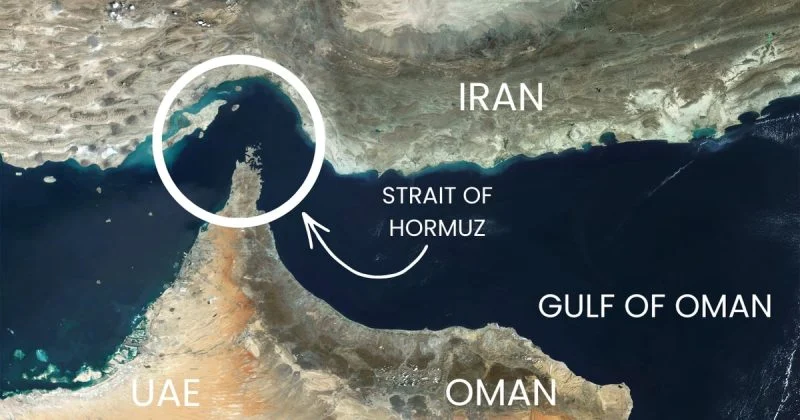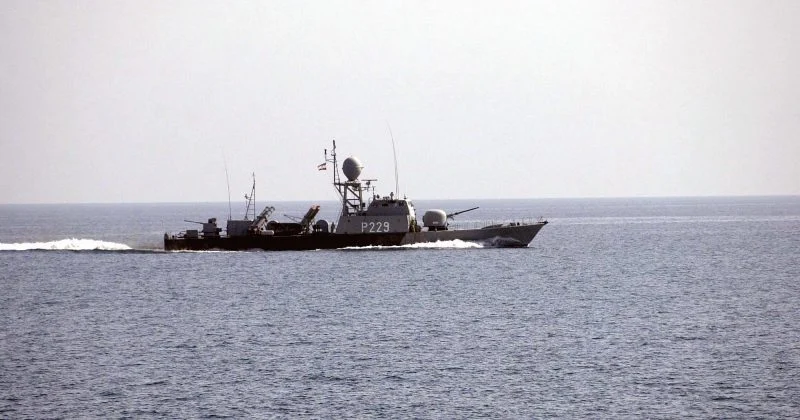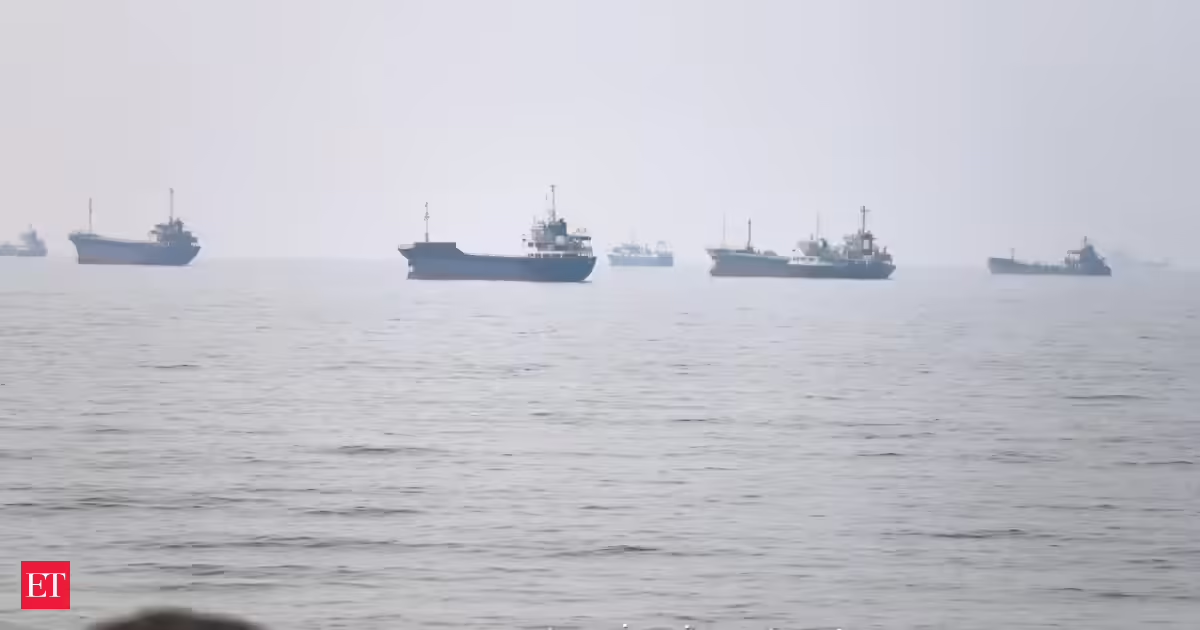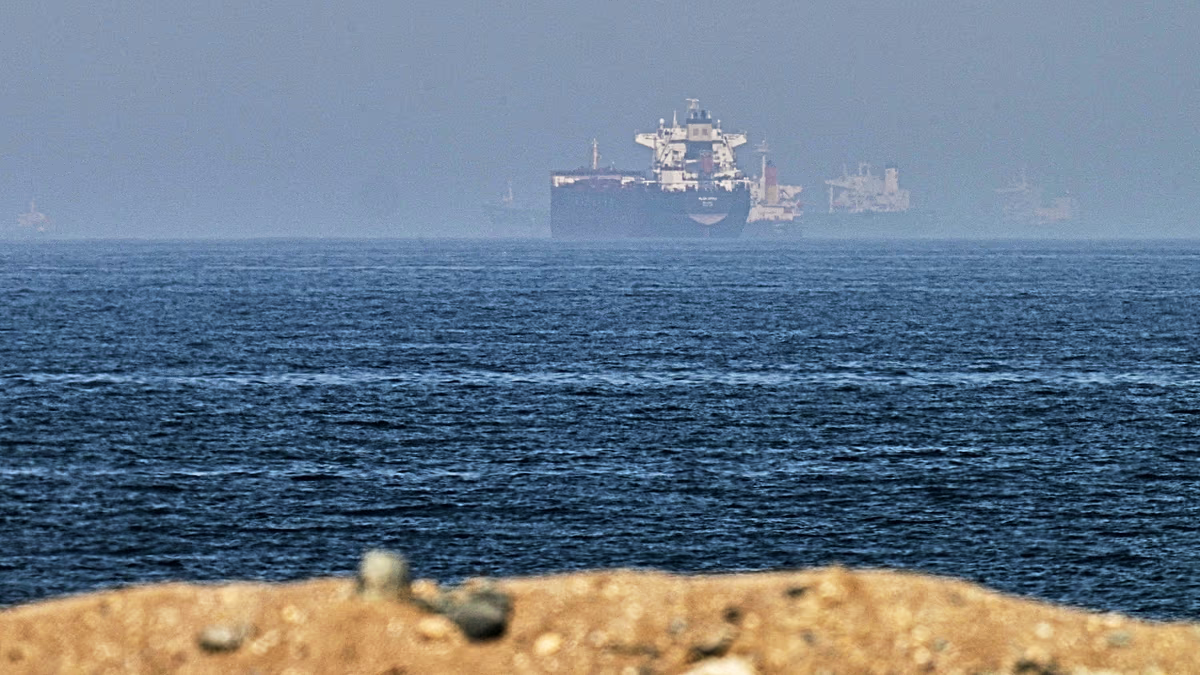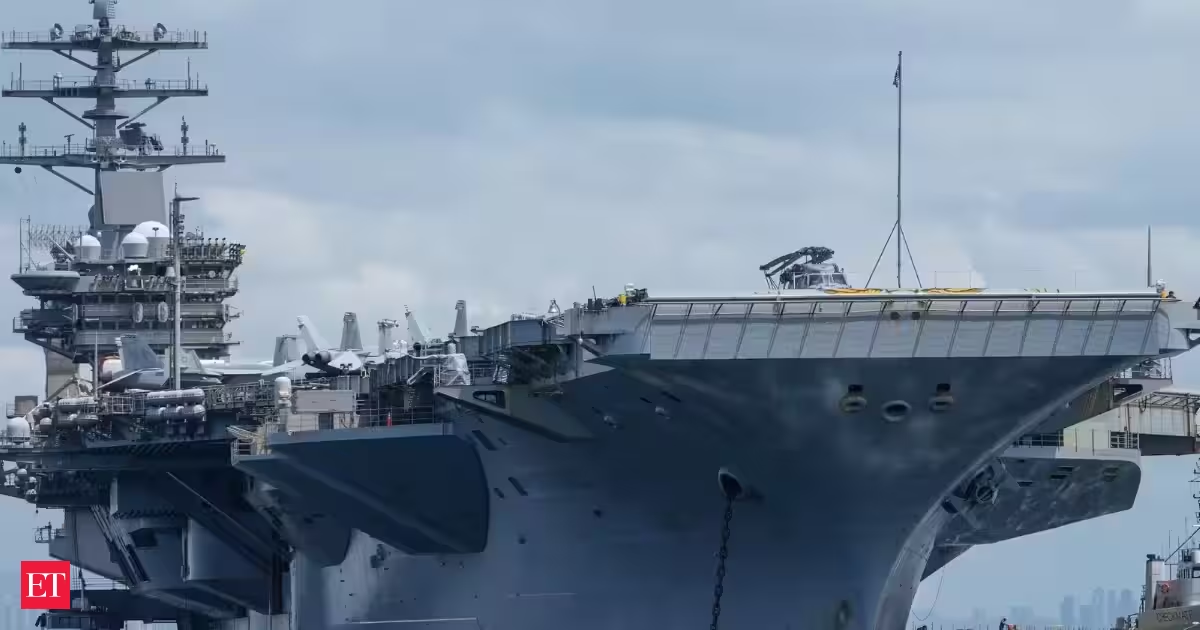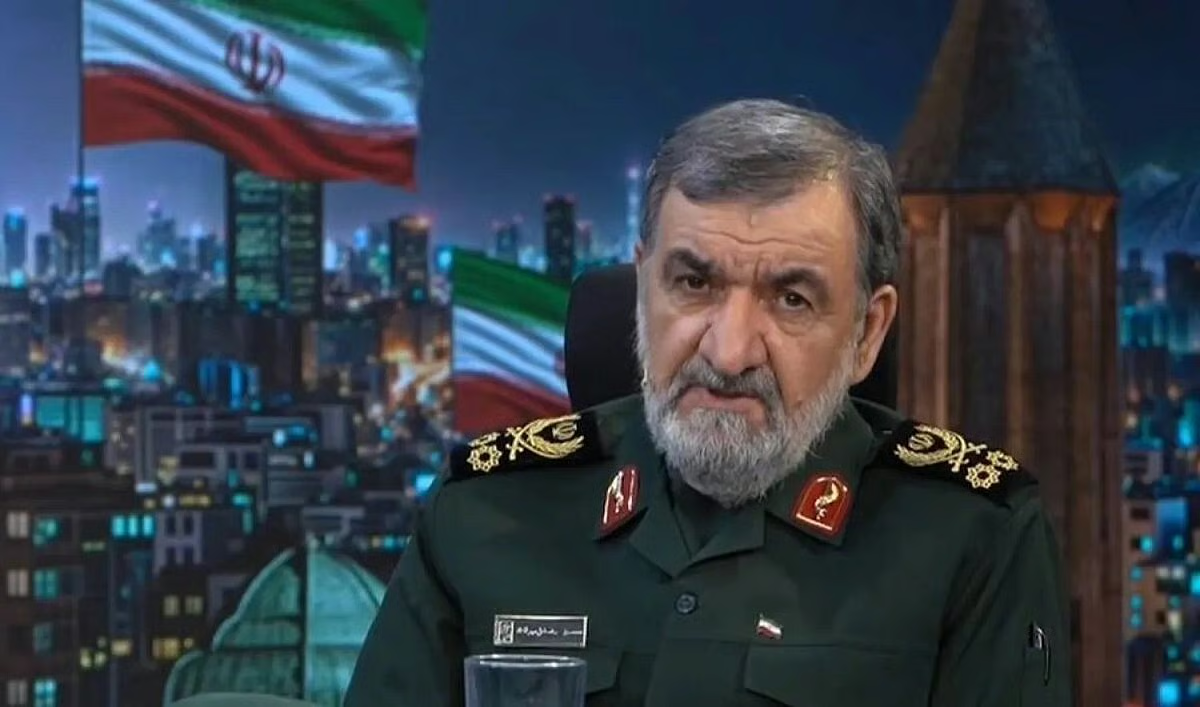
Iran warns US naval push in Hormuz could spark direct clash over key oil routeLast updated: August 04, 2026 | 06:473 MIN READIranian Major Gen. Mohsen Rezaei: ScreengrabAn Iranina general has warned that US warships attempting to establish or enforce an alternative shipping corridor through the Strait of Hormuz could become targets, escalating an already dangerous confrontation over the strategic waterway.Major Gen. Mohsen Rezaei, a senior adviser to Supreme Leader Mojtaba Khamenei and former commander of the Islamic Revolutionary Guard Corps (IRGC), said Iran would not permit an "unauthorised route" through the strait and warned that US vessels could face "serious consequences" if they tried to force one open.Iranian officials have repeatedly described Hormuz as a major instrument of Tehran's deterrence.In an interview with Iran's SNN TV channel, Major General Rezaei said: “Even if they bring a warship, we will strike that warship. If they bring military forces, we will strike them.” Get it: Fast, verified news for FREE ... download the Gulf News app — simply click hereRezaei said many ships now heed Iran’s warnings and turn back, while vessels pushed by the Americans “suffer some damage and then turn back themselves.” Despite months of US attacks, Iran’s stance remains unchanged: Hormuz will not be reopened on Washington's terms.Fars News quoted Rezaei, Supreme Leader’s adviser, as saying that Iran pushed CentCom away from Hormuz and its regional command to move from Qatar to Jordan, and then from Jordan to Israel.“More importantly, the CENTCOM command, which was in Qatar, moved at one stage to Jordan. We struck Jordan heavily. The command moved from Jordan to Israel,” Rezaei said. He added that Iranian attacks turned US positions in Kuwait into "ruins" and forced many American personnel to evacuate Erbil. CENTCOM wanted to manage its war on Iran from a forward regional position — Iran made the “forward” command move backward, Rezaei said.What Rezaei is warning aboutRezaei's latest remarks amount to a warning against a possible US effort to physically reopen commercial navigation through a corridor that Iran says it controls.The threat is significant: a US naval escort operation would put American warships directly into the same maritime environment where Iranian forces have warned commercial vessels to comply with their instructions.Iran has previously said vessels attempting to use routes it considers unauthorised could face military action. In July, the IRGC said a vessel that had switched off its tracking system and ignored warnings was fired upon and forced to stop. Tehran subsequently declared the strait closed until US intervention ceased.Rezaei has also previously characterised Hormuz as a “powerful arm of deterrence” for Iran, underscoring how central the waterway is to Tehran's military strategy.Commercial ships are already turning aroundThe threat is not merely theoretical.US Central Command has said it is enforcing a blockade of Iranian ports, rather than a blanket blockade of the Strait of Hormuz itself. Iran, meanwhile, has issued its own warnings to vessels transiting the strait.The result is a dangerous de facto reduction in commercial traffic. The International Maritime Organisation (IMO) warned in June that there was no reliable guarantee of safe passage and said seafarers had already been killed, injured or detained.By July, the IMO said nearly 6,000 seafarers remained stranded aboard vessels unable to safely leave the Gulf.Why Hormuz mattersThe Strait of Hormuz connects the Arabian Gulf with the Gulf of Oman and Arabian Sea and is one of the world's most important energy chokepoints.Any sustained disruption threatens shipments of crude oil, refined petroleum products and liquefied natural gas from Gulf producers including Saudi Arabia, Iraq, Kuwait, Qatar and the United Arab Emirates.That is why the confrontation has implications far beyond Iran and the United States:A military confrontation over a shipping lane can rapidly become a global energy-price shock.The dangerous calculationThe central risk now is miscalculation. Washington could argue that it is attempting to restore freedom of navigation and protect commercial shipping.Tehran could interpret an American naval escort or newly established corridor as direct military intervention designed to break Iran's control of the waterway.That creates the possibility of a confrontation between US and Iranian forces even without either side initially intending to launch a wider war.And the stakes are already high. The IMO has warned that the maritime environment remains highly volatile and that commercial considerations cannot justify exposing civilian seafarers to unacceptable risks.Rezaei's warning signals that Tehran is prepared to treat any US attempt to physically reopen an alternative corridor through Hormuz as a military challenge. With commercial vessels already changing course or remaining stranded, the next US move could determine whether the crisis evolves into a negotiated reopening — or a direct naval confrontation.Also In This PackageGet Updates on Topics You ChooseUp Next
Iran general warns US warships: Any attempt to open new Hormuz route could trigger attack
Iran warns US naval push in Hormuz could spark direct clash over key oil route
777 words~4 min read