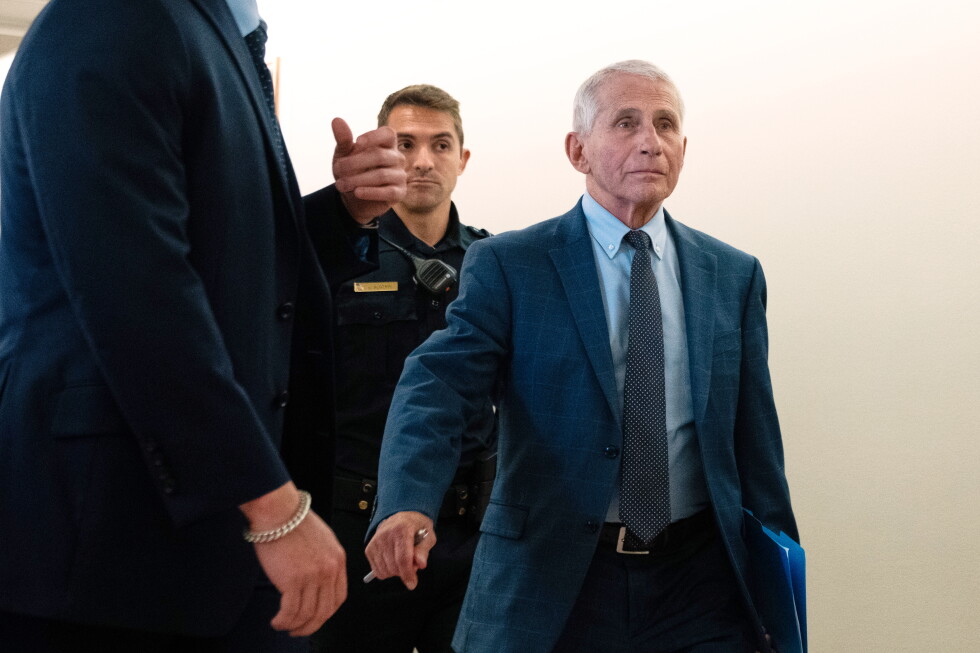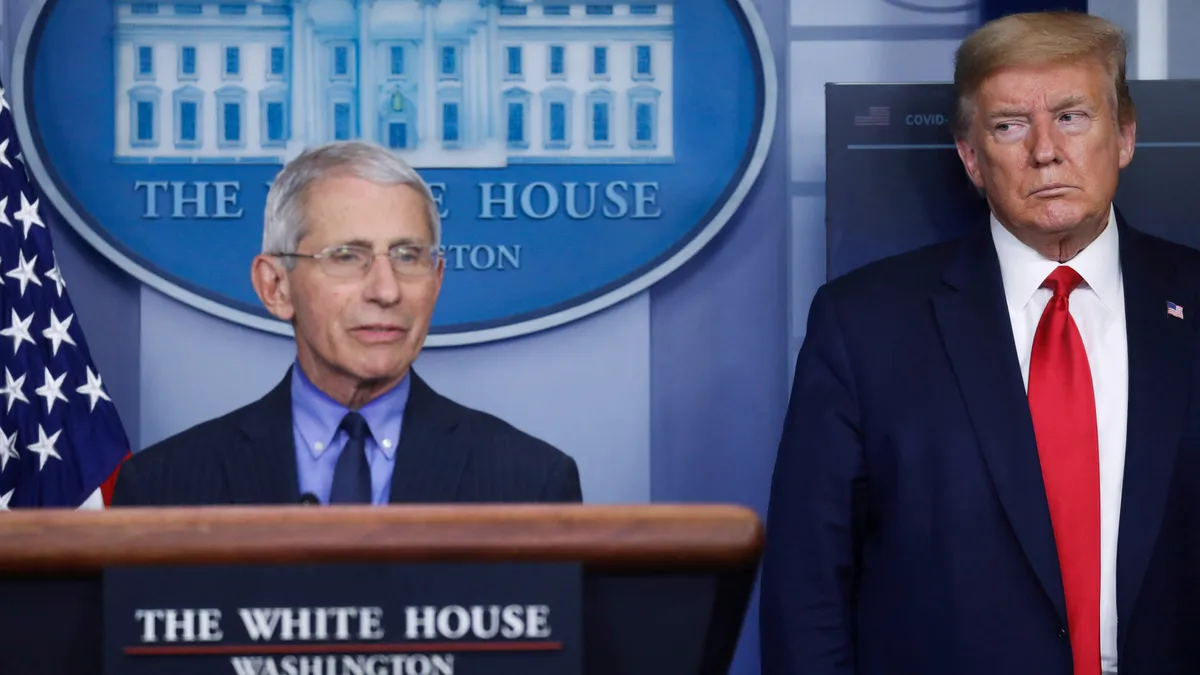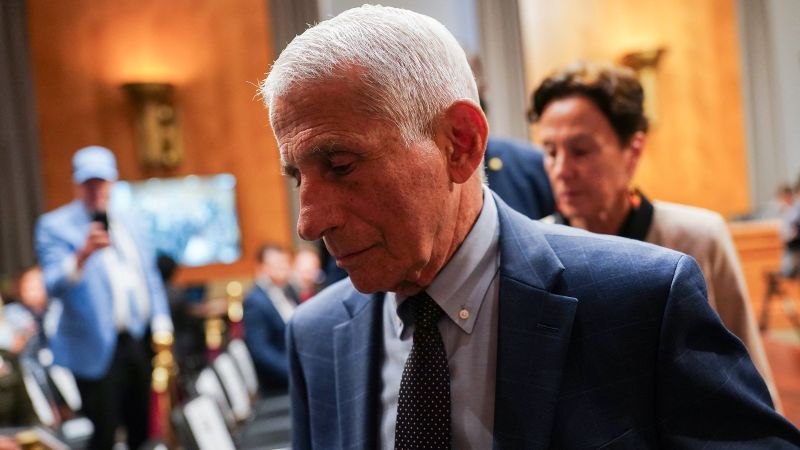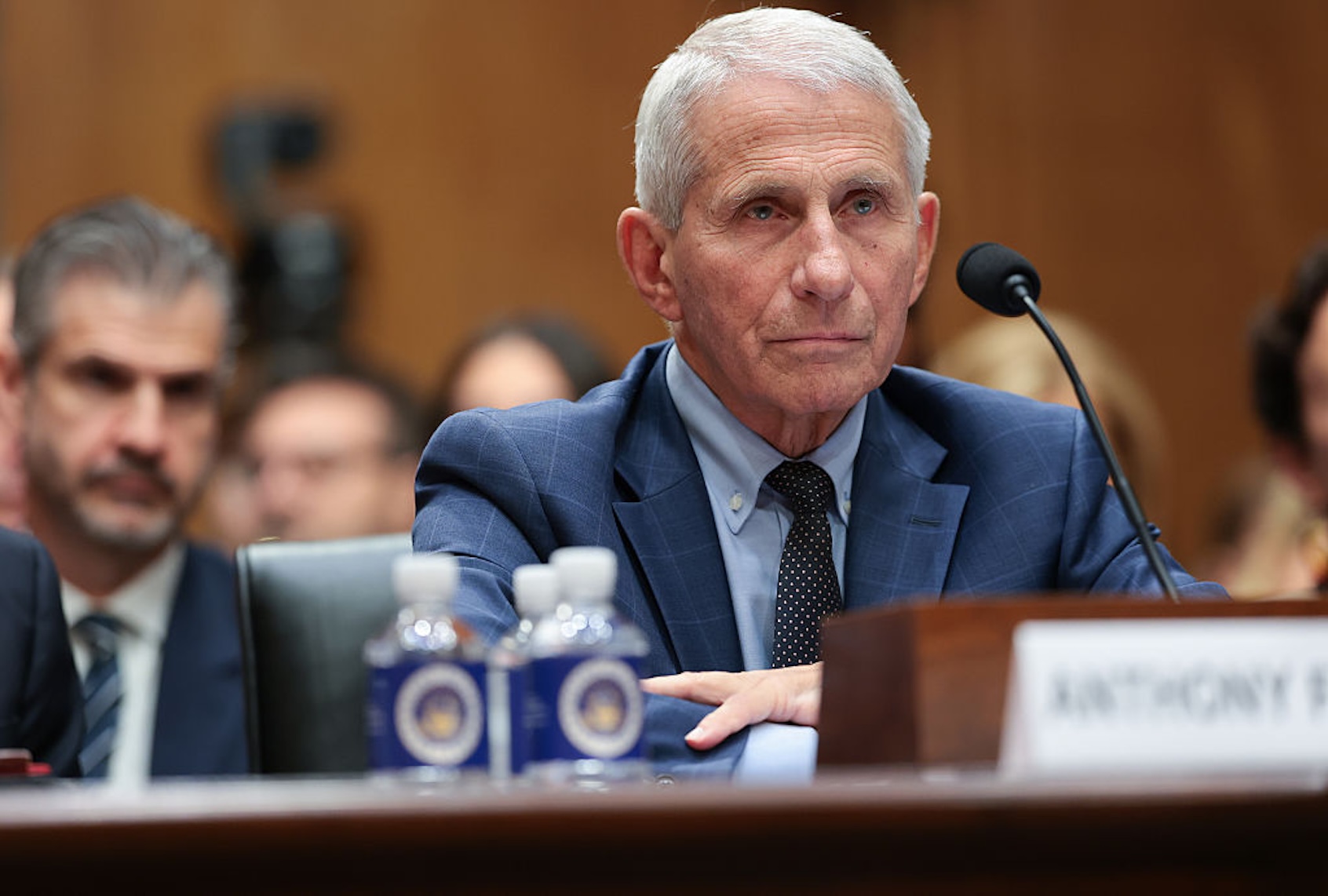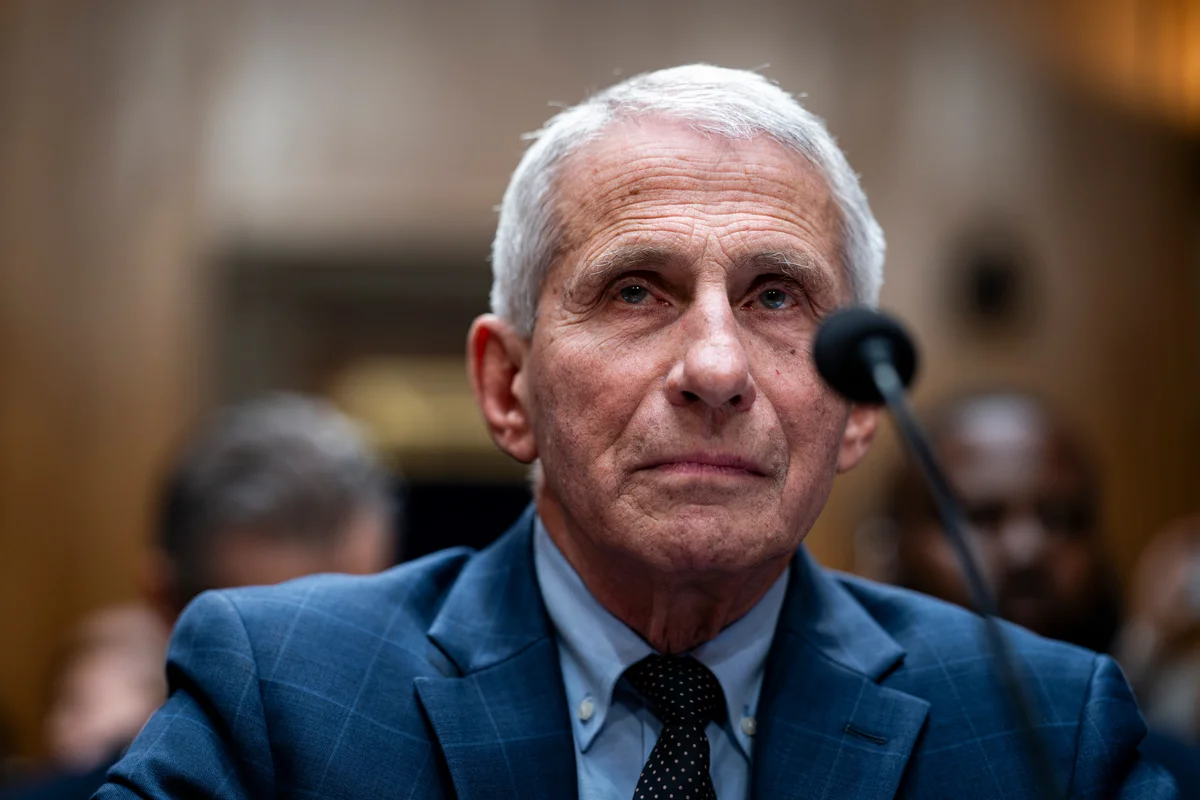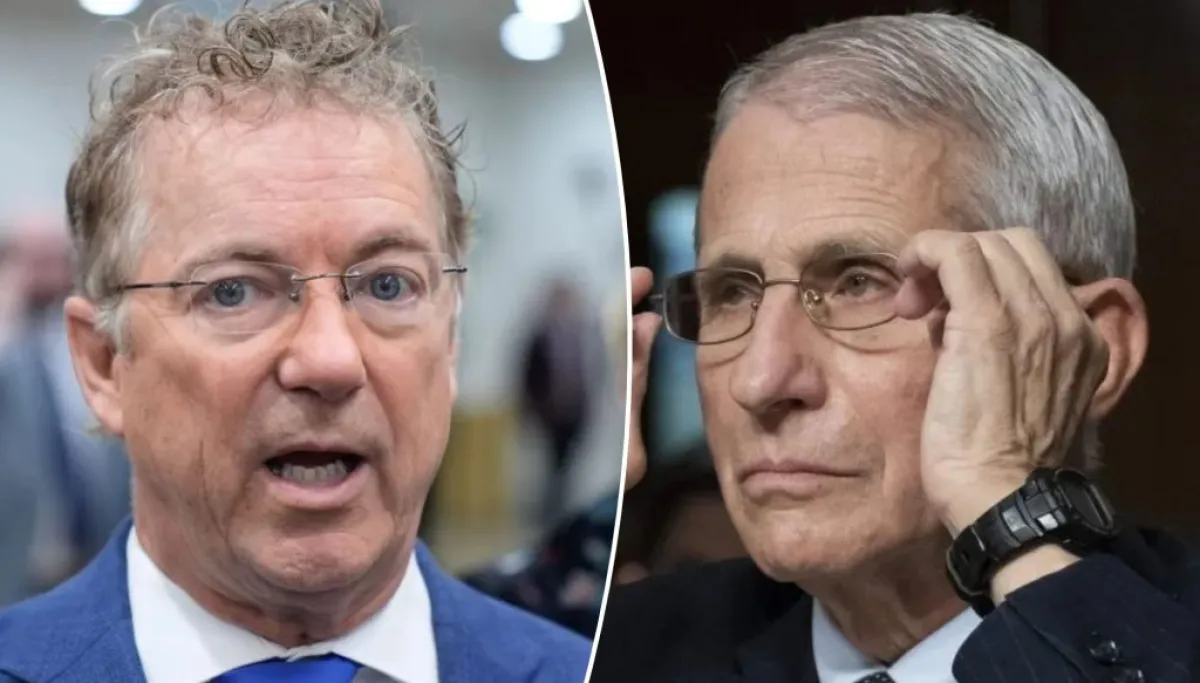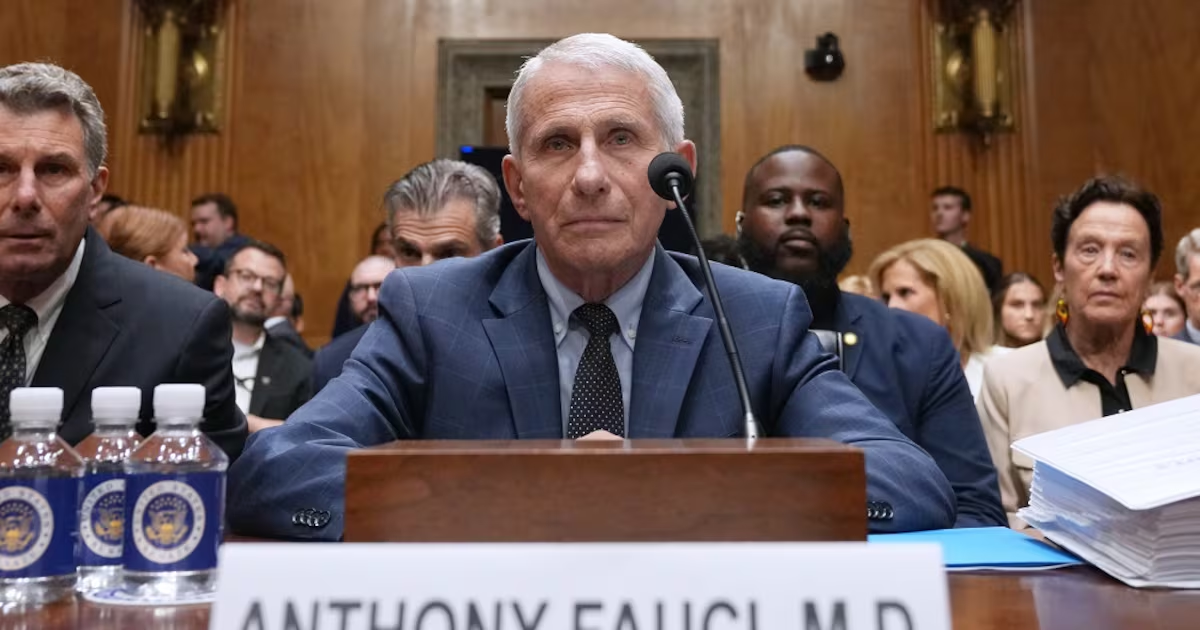
It is hard to argue that Covid-19 left societies wiser. Anthony Fauci retired in December 2022 after 38 years leading the agency that guides US government responses to infectious diseases. During his congressional testimony last week about Covid-era controversies, he invoked his constitutional right not to testify against himself more than 100 times. The health and protection of its people should be a government’s top priority; meanwhile, politics is largely about managing trade-offs among diverse groups. Yet if a similarly dangerous epidemic were to break out tomorrow, politics would again dilute scientific insights. A group well organised as a voting bloc, such as teacher unions, could keep schools closed far longer than what is in the general public’s interest. Today’s democratic societies typically place reliance on well-designed constitutions alongside diligent media organisations and robust civil society organisations. But they won’t produce desired outcomes if voters embrace criticising at the expense of understanding.Fauci cannot easily distance himself from the charge that he promoted himself as the personification of science to advance politically framed positions. He made scientific claims he later had to correct. When people all around the world were looking to their governments to guide their response to a lethal threat, Fauci weaponised the trust people placed in him, as a man of science, and used it against those who disagreed with him. It is not easy to manage trade-offs between rising morbidity and mortality among teachers versus stunted child development. Yet managing such difficult challenges is not new. Forced to migrate long distances in search of food and water, our ancestors would sometimes have to abandon weak elders, children or both. Thankfully, having to make such harsh decisions has become rare.As survival pressures have declined sharply in recent decades, societies ― and individuals ― have become easier to manipulate. South Africa is particularly vulnerable. As our constitution was a clear break with the past, we expect much from it. When in March 2020 President Cyril Ramaphosa announced a lockdown, his leadership was broadly applauded. If similar circumstances were to repeat themselves the public response would be quite different.The ability of democratic forces to navigate among complex trade-offs is greatly limited if facts are routinely reinterpreted through highly partisan lenses. Unfortunately, this has become commonplace to the point of being broadly accepted.Of the two wars that now dominate our global challenges, the facts concerning the war in Ukraine are far better understood than those regarding the Iran war. As with Covid, we will want to look back and ask who misled us. Among many glaring omissions: why is no-one pointing out that the Strait of Hormuz can’t be forcibly opened as Iran could simply target ships sooner?The war with Iran is a clash of civilisations involving trade-offs between accommodating religious zealotry versus managing global energy supplies and principles such as freedom of navigation. Unfortunately, today’s voters are the same general audiences who conflate news and entertainment. Meanwhile, media executives and university administrators know their interests are less well served by seeking to advance understanding than by encouraging partisan criticisms. Most of us know people who died from Covid, and the economic costs were also high. Yet humanity survived while learning little.Among the plausible conclusions to today’s Middle East hostilities is that the Gulf countries are left reliant on Israel for protection from Iran and its proxies as the US winds down its vulnerable military bases in the region. Might Ramaphosa then be in Fauci’s current position? Might he have to explain, as a trained attorney, whether he exploited trust not in science but rather in jurisprudence, to seek to prosecute Israel not for war crimes but for genocide?Today’s indulgent era, which mixes subdued survival pressures with excessively partisan news reporting and politics, isn’t sustainable. Probably the best we can hope for is that AI makes it easier to hold our leaders accountable. • Hagedorn is an independent strategy adviser.
SHAWN HAGEDORN | When societies cease to prioritise survival
Anthony Fauci shows what happens when partisan politics and eroding trust undermine crisis management
649 words~3 min read