Story audio is generated using AI
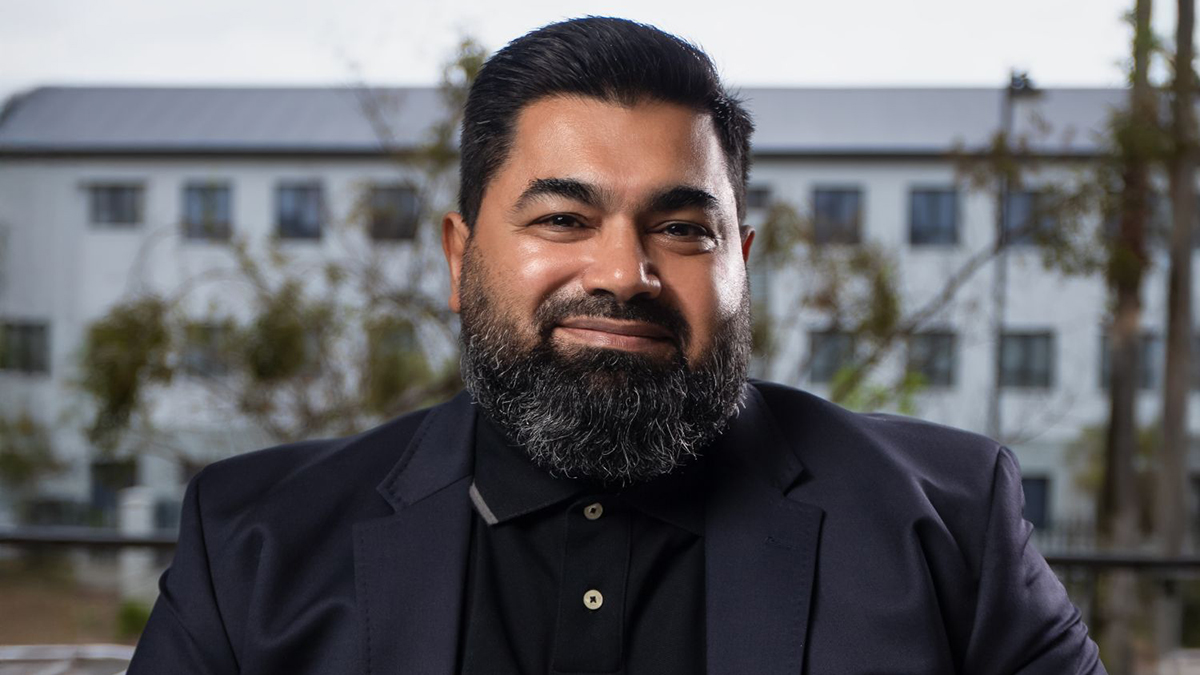
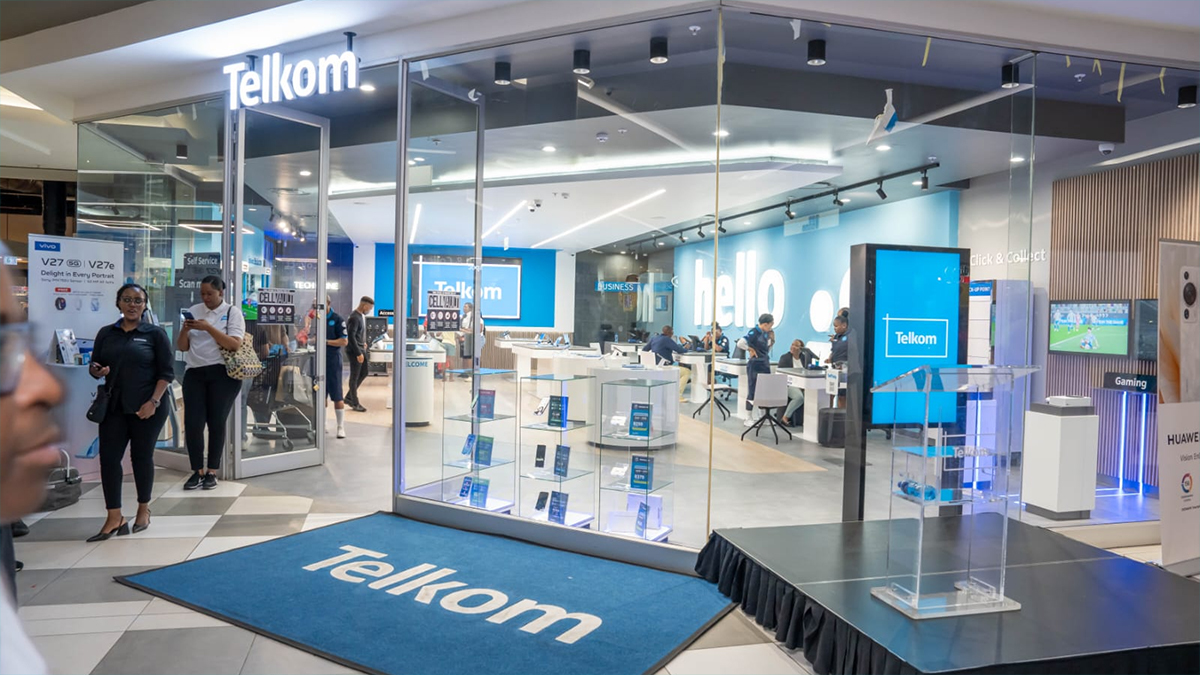
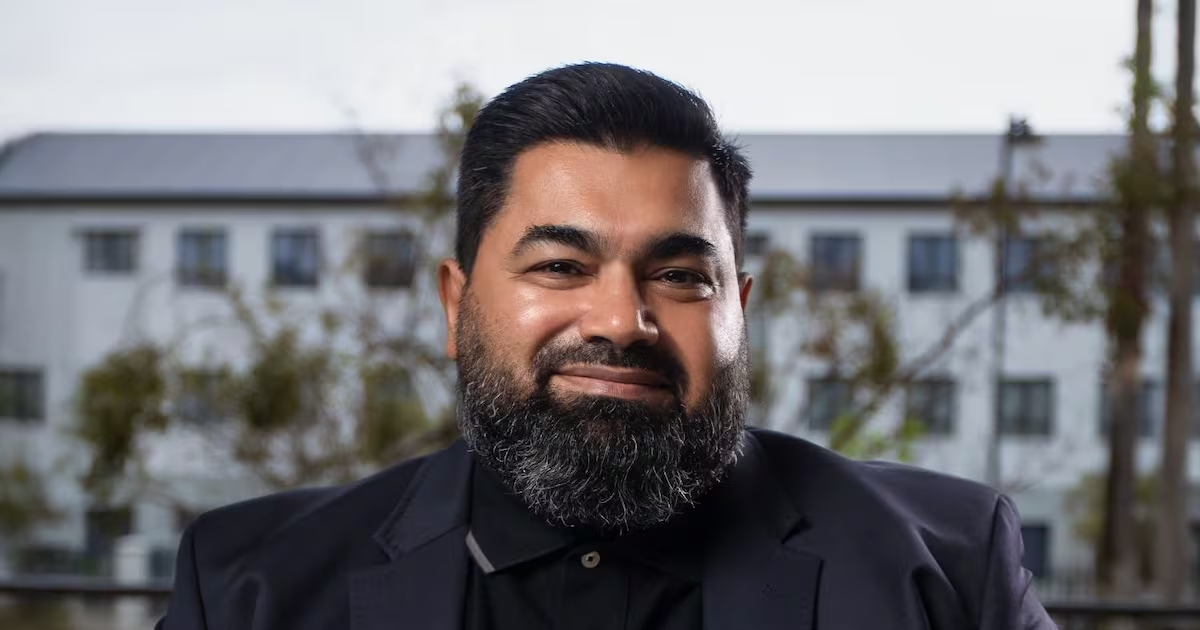
Telkom has tasked Hasnain Motlekar with leading the telecom group’s efforts to combine its offering to enterprises through BCX, Telkom Business and Openserve. The state-affiliated group is working to integrate its three business units into a more cohesive structure under its “One Telkom” strategy.Historically, BCX was treated as an independent silo or “stepchild” of the wider Telkom group. The new strategy aligns BCX, Telkom Business, and Openserve into a unified business-to-business (B2B) offering.In essence, this allows the group to offer end-to-end solutions to its suite of business customers, from fibre connectivity through Openserve to complex IT and cloud services from BCX.“This is about actually enforcing and entrenching that way of working that when we go to market — specifically in B2B — we go together with the power of One Telkom,” BCX CEO Motlekar said in an interview.Motlekar, who oversees the commercial activities of Telkom Business and has been with the group for 28 years, has been acting as CEO since March when IT veteran Jonas Bogoshi stepped down.BCX has struggled in recent times, with Telkom mulling a partial or complete sell-off of the business.In June, Telkom boss Serame Taukobong told Business Day the group saw value in holding on to BCX, despite such businesses facing lower spend and tightening margins. Motlekar candidly addressed that BCX has been bleeding market share and losing money over the past decade. He said a key objective is to stabilise BCX. “We’ve been losing revenue, and we have to take it on the chin. We’ve been conceding market share for the past 10 years.”Total revenue fell 7.6% to R11.4bn for the year to end-March, mainly due to the shift from legacy voice that carries higher margins. To combat this, BCX is restructuring its “front of shop”, having split the company’s focus into two primary segments: SMB/diversified and large enterprise/public sector.According to Motlekar, the diversified segment refers to what he calls the “missing middle” or midmarket businesses that are too big to be considered small and medium firms but still not at the scale of large enterprises. The technology executive sees the potential to turn BCX around in the same way the group was able to turn its upstart mobile unit into South Africa’s fastest-growing cellphone provider. But in doing so, the company also has to fight a market in which customers are tightening their budgets. “Every enterprise customer we engage with is not looking to increase their ICT spend. They’re hanging on to those budgets, and their CFOs are putting them under pressure … but they all want to jump onto the AI bandwagon, they all want to be able to say they have AI deployed,” said Motlekar. While performing, BCX only offers low margins, but Telkom is comfortable with this situation, as it creates opportunities to sell higher-margin products and services to customers.According to Taukobong, BCX’s alignment with the group’s broader digital infrastructure differentiates it from rivals facing the same challenges. In recent years, margins for legacy IT services have come under pressure due to high costs for labour and hardware and lower spending by corporates. By comparison, platform businesses appear to be doing much better on this score.