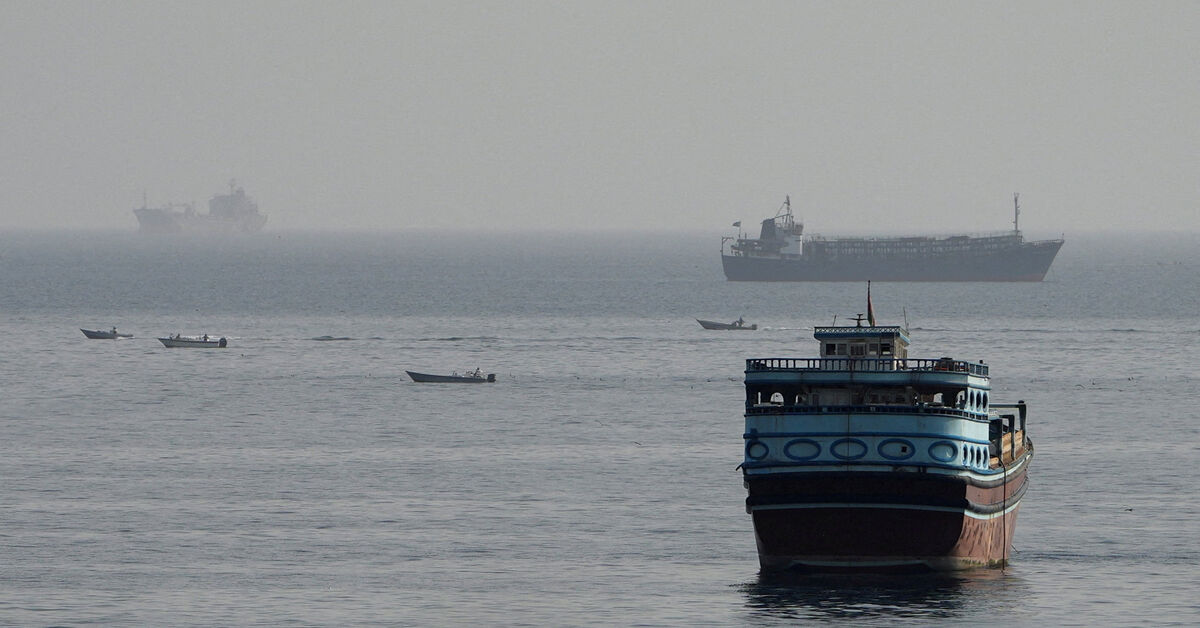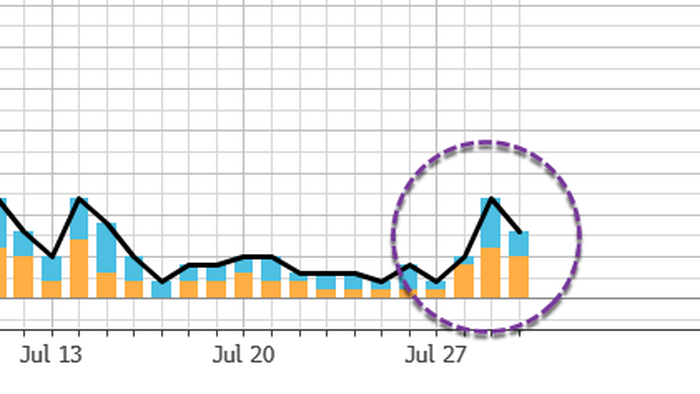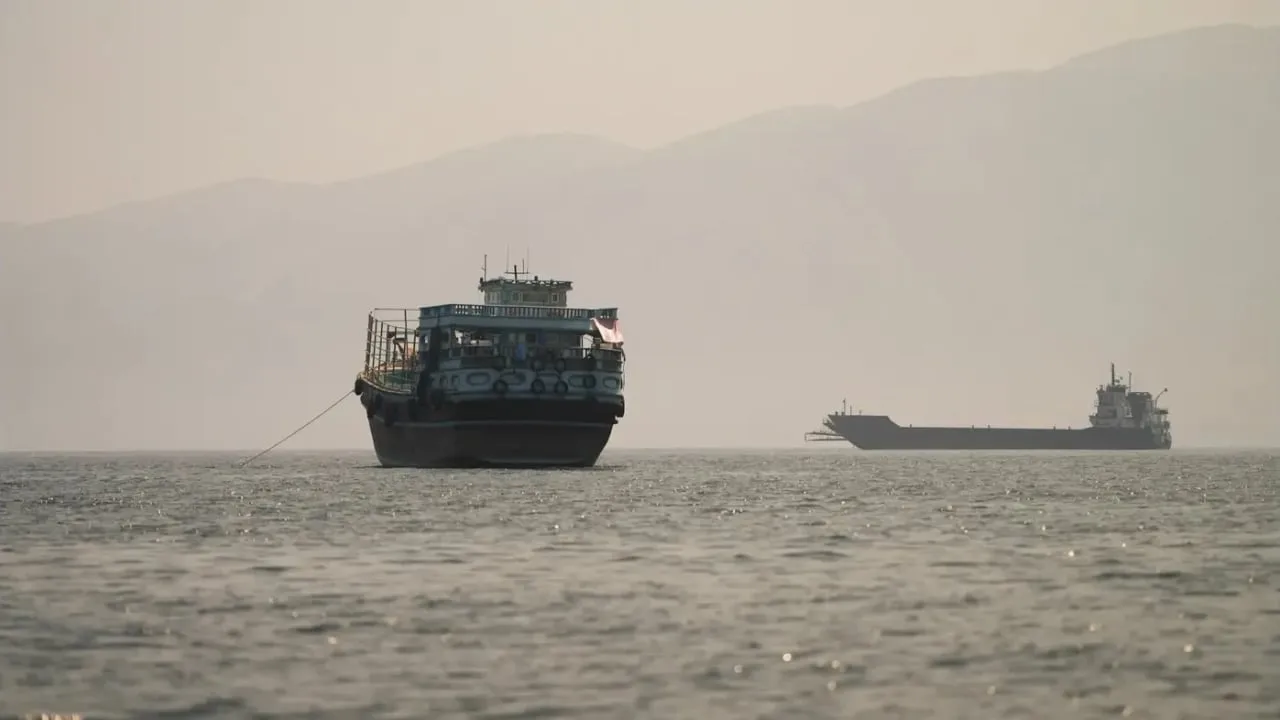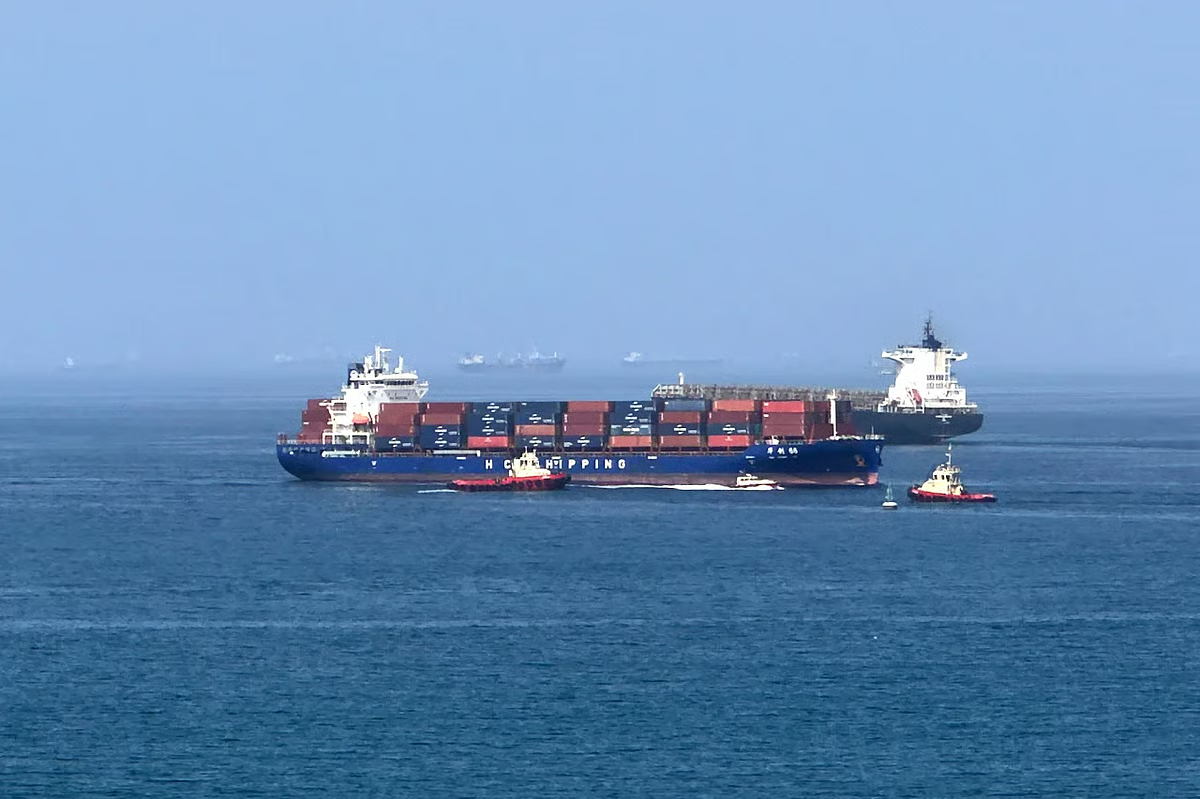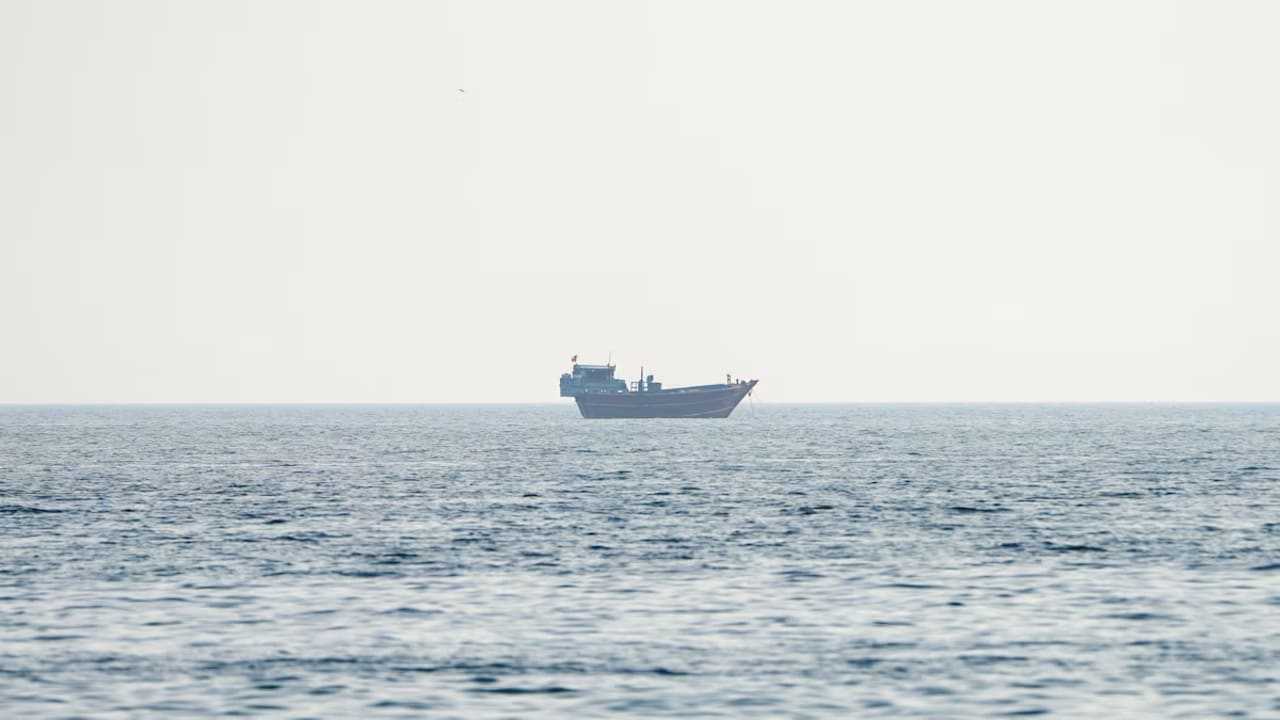
Jerusalem Post/Middle East/Iran NewsTraffic remained largely slow at Hormuz, with six vessels, three tankers and three bulk carriers, transiting the strait on Monday, down from seven on the previous day, according to Kpler data.Follow us on GoogleA vessel at the Strait of Hormuz, as seen from Musandam, Oman, July 23, 2026. (photo credit: REUTERS/STRINGER)ByREUTERSAUGUST 4, 2026 05:39Shipping traffic at the key Gulf waterways of Bab al-Mandab and Strait of Hormuz held largely unchanged at the start of the week, shipping data showed, as the progress of talks between the United States and Iran remained ambiguous.Twenty vessels, 12 tankers and eight bulk carriers, passed through the Bab el-Mandeb strait on Monday, Kpler shipping data showed, steady from the previous day.Of these 20 crossings, there were a total of 12 exits and eight entries, mostly with their transponders on.Any progress in US-Iran talks appeared to be uncertain. Iran's Foreign Ministry spokesman Esmail Baghaei said on Monday that no negotiations with the US were taking place and no meetings were scheduled.This came after US President Donald Trump said on Sunday he was holding off on new attacks on Iran pending ongoing talks to end their war and to settle claims over the control of the Strait of Hormuz.A satellite imagery shows Bab el Mandeb Strait, a key shipping waterway and the gateway to the Red Sea, as Iran threatens using Yemen's Houthi allies to shut the Bab el-Mandeb gateway to the Red Sea, in this handout picture dated July 12, 2026. (credit: NASA Worldview/Handout via REUTERS)Traffic in the Strait of Hormuz unchanged by talksTraffic remained largely slow at Hormuz, with six vessels, three tankers and three bulk carriers, transiting the strait on Monday, down from seven on the previous day, according to Kpler data.These six vessels included five entries and one exit, all via the Iranian shipping route.Some vessels may still be sailing with their transponders turned off, which are not considered in the counts.The risk of vessel attacks kept shipping sentiment cautious at the key waterways, prompting some Saudi-flagged supertankers to change course in the Gulf of Aden and divert to southern Africa amid threats by Yemen's Houthi movement to target Saudi shipping.Follow us on Google
Shipping traffic at key Gulf waterways little changed on uncertain US-Iran talks | The Jerusalem Post
Traffic remained largely slow at Hormuz, with six vessels, three tankers and three bulk carriers, transiting the strait on Monday, down from seven on the previous day, according to Kpler data.
364 words~2 min read