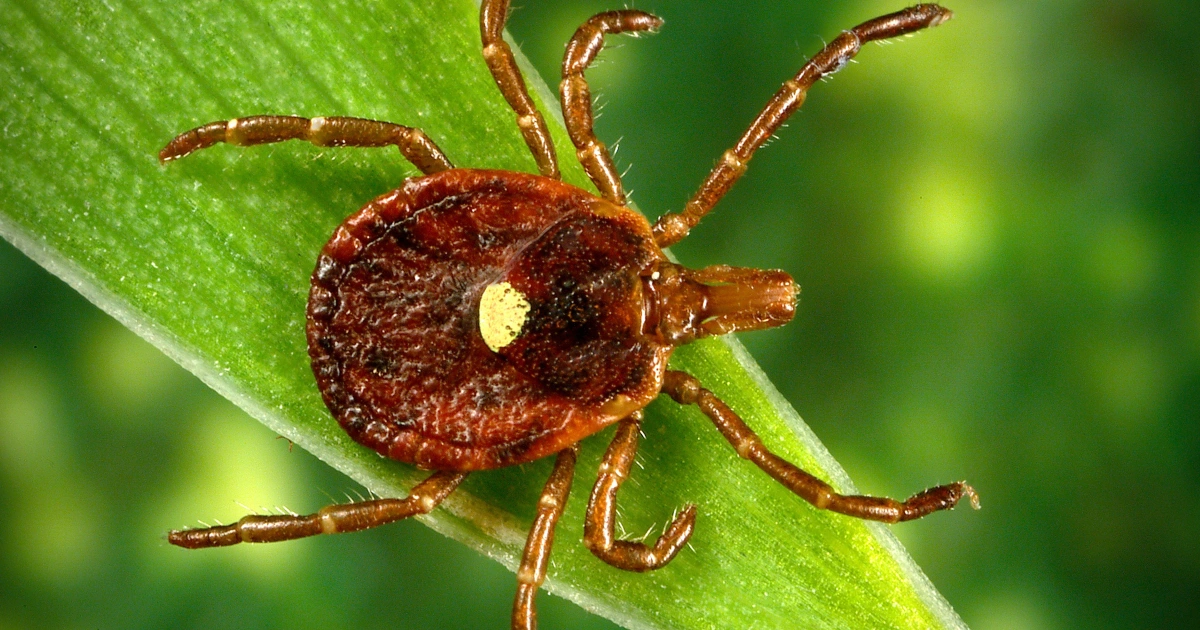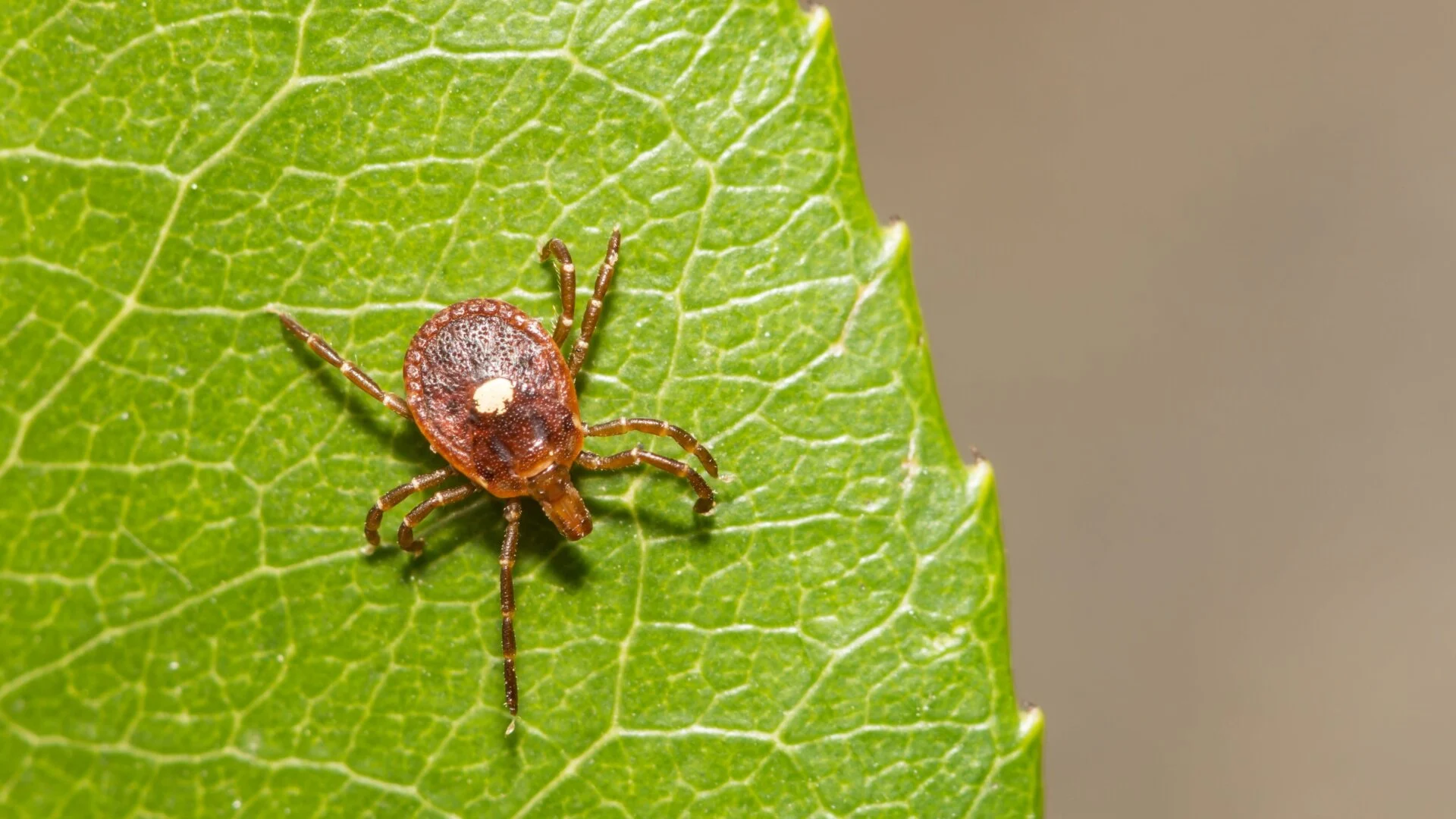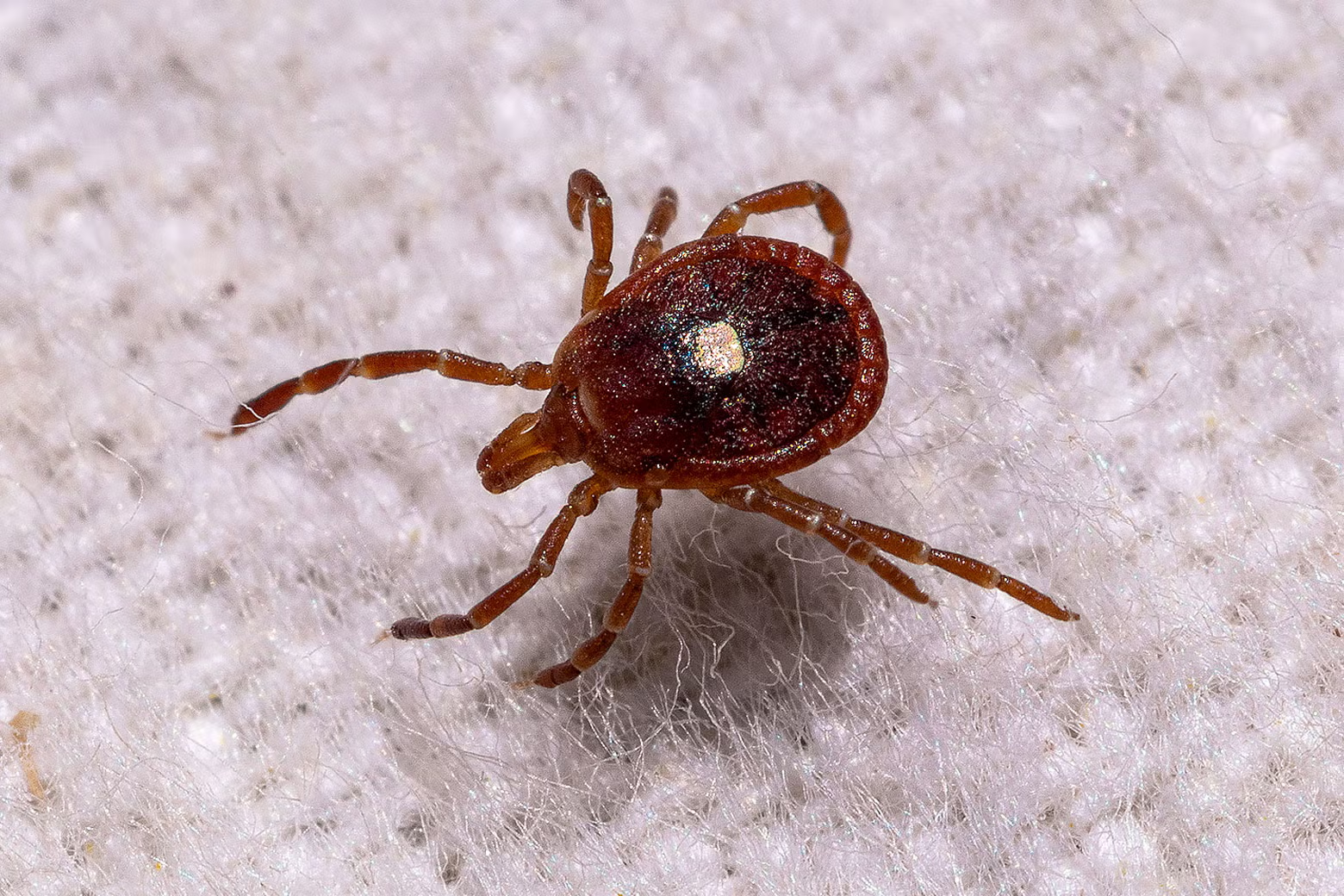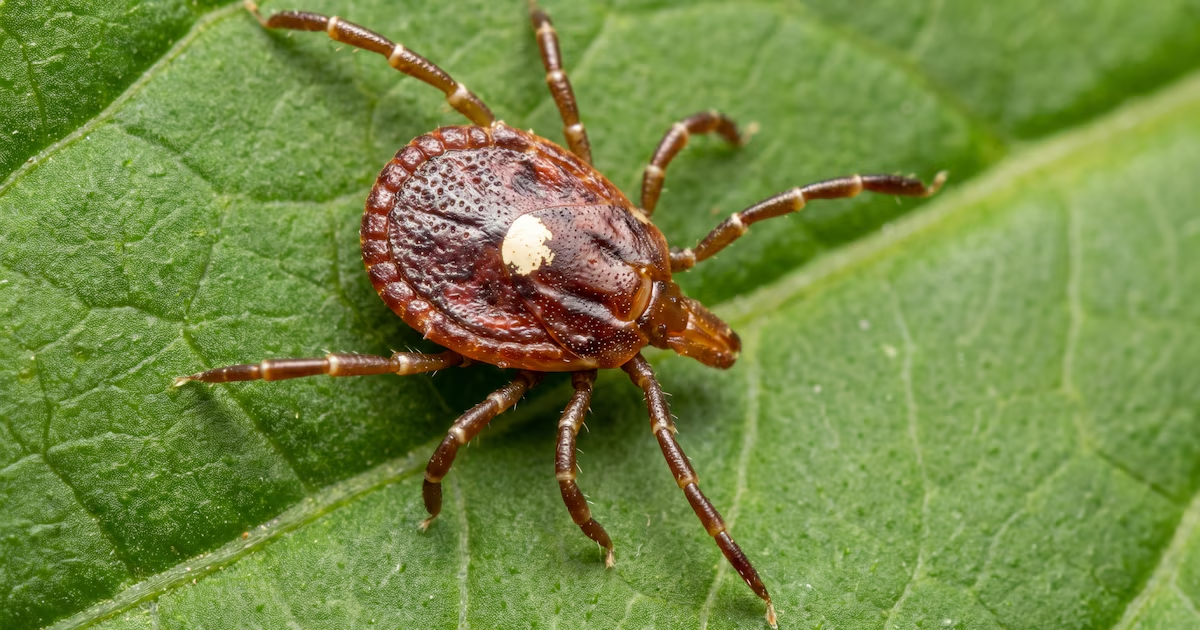
The Suffolk County Department of Health in New York said Monday that it’s seen three probable cases of tularemia, a rare but serious infection that’s also known as rabbit fever. It can occur after a bite from a tick or a fly that has previously bitten a sick mammal, typically a rabbit.
Tularemia is caused by infection with F. tularensis bacteria. Bites from the Lone Star tick and the American dog tick are most closely associated with the disease. A person can also get rabbit fever if they have direct contact with a sick animal, through drinking water or inhaling dust contaminated with the bacteria, or through eating undercooked contaminated rabbit meat. The disease does not spread from person to person.
Tularemia cases are more common from May through September, according to the US Centers for Disease Control and Prevention. Fewer than 200 cases have been reported annually, according to CDC data from 2019 to 2023, although the number of cases has been rising.
Suffolk County, on Long Island, has had only a handful of cases of rabbit fever over the years. Four cases were reported in 2024, three in 2023 and one in 2022, according to data from the county health department. Data for 2025 is not yet available.