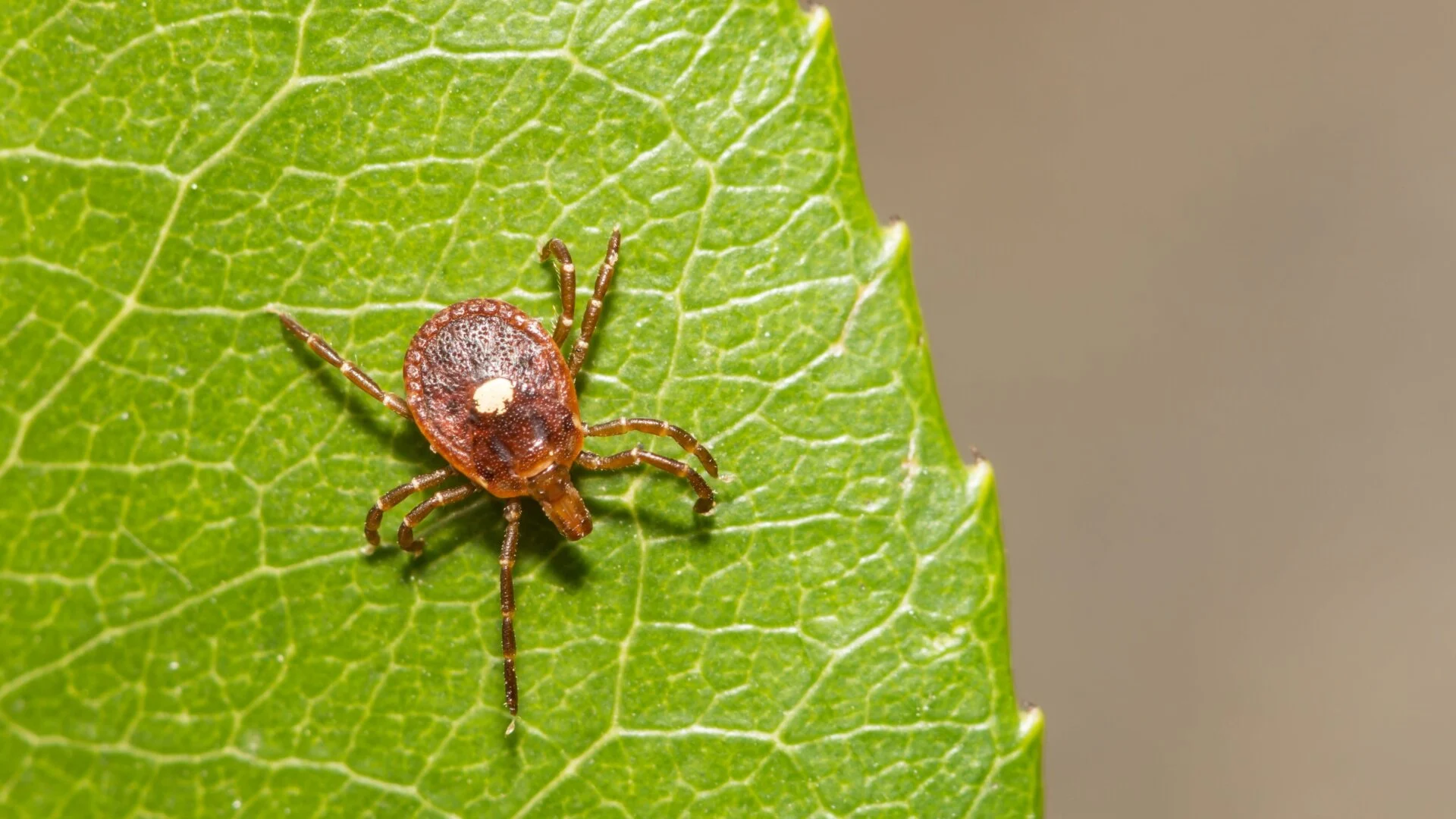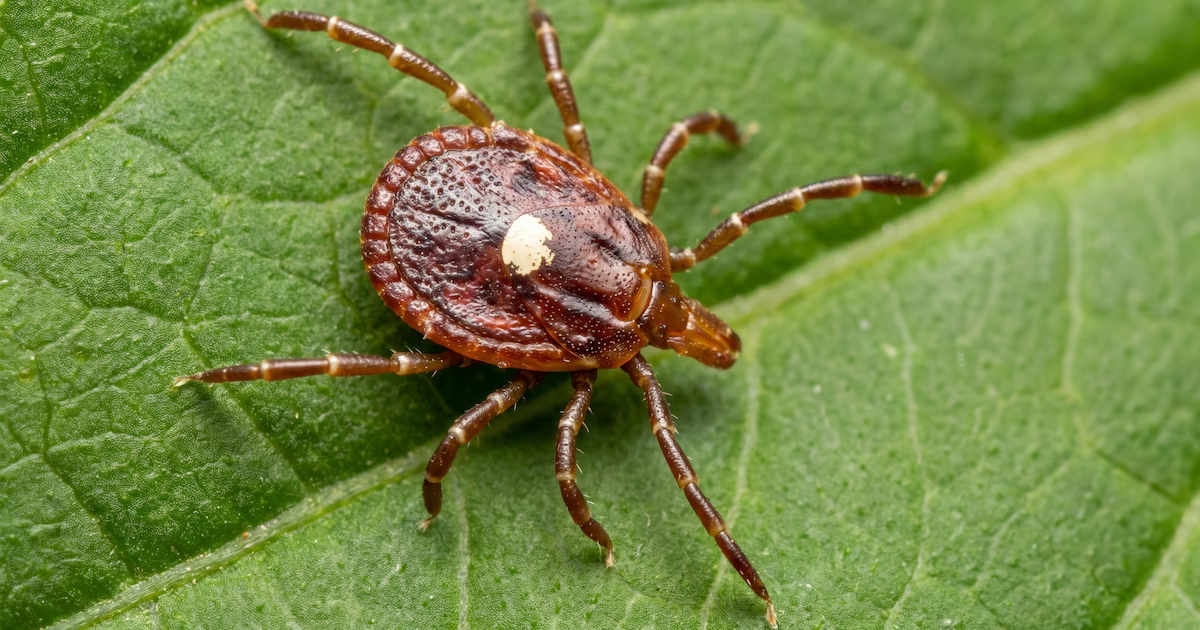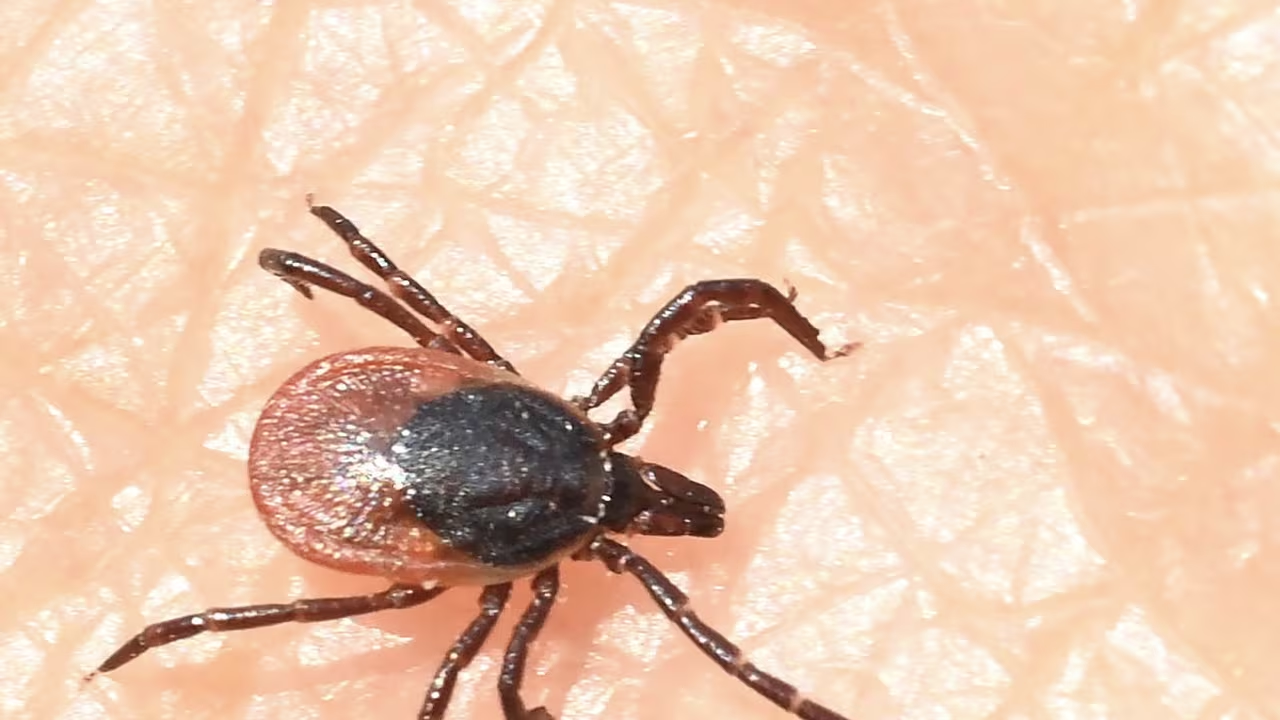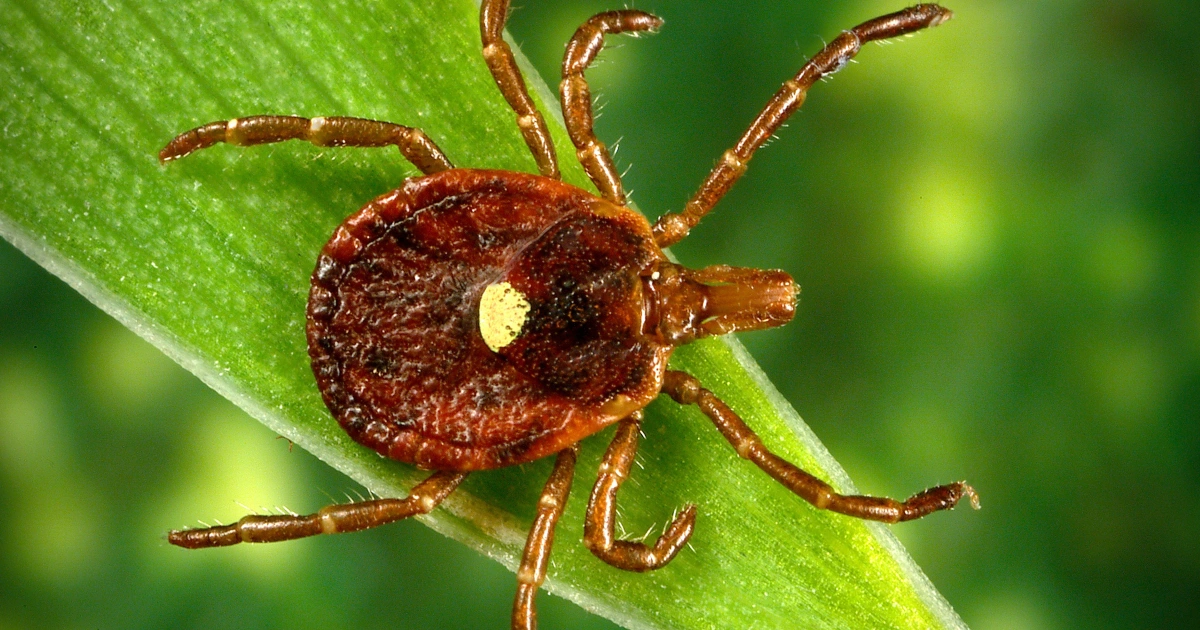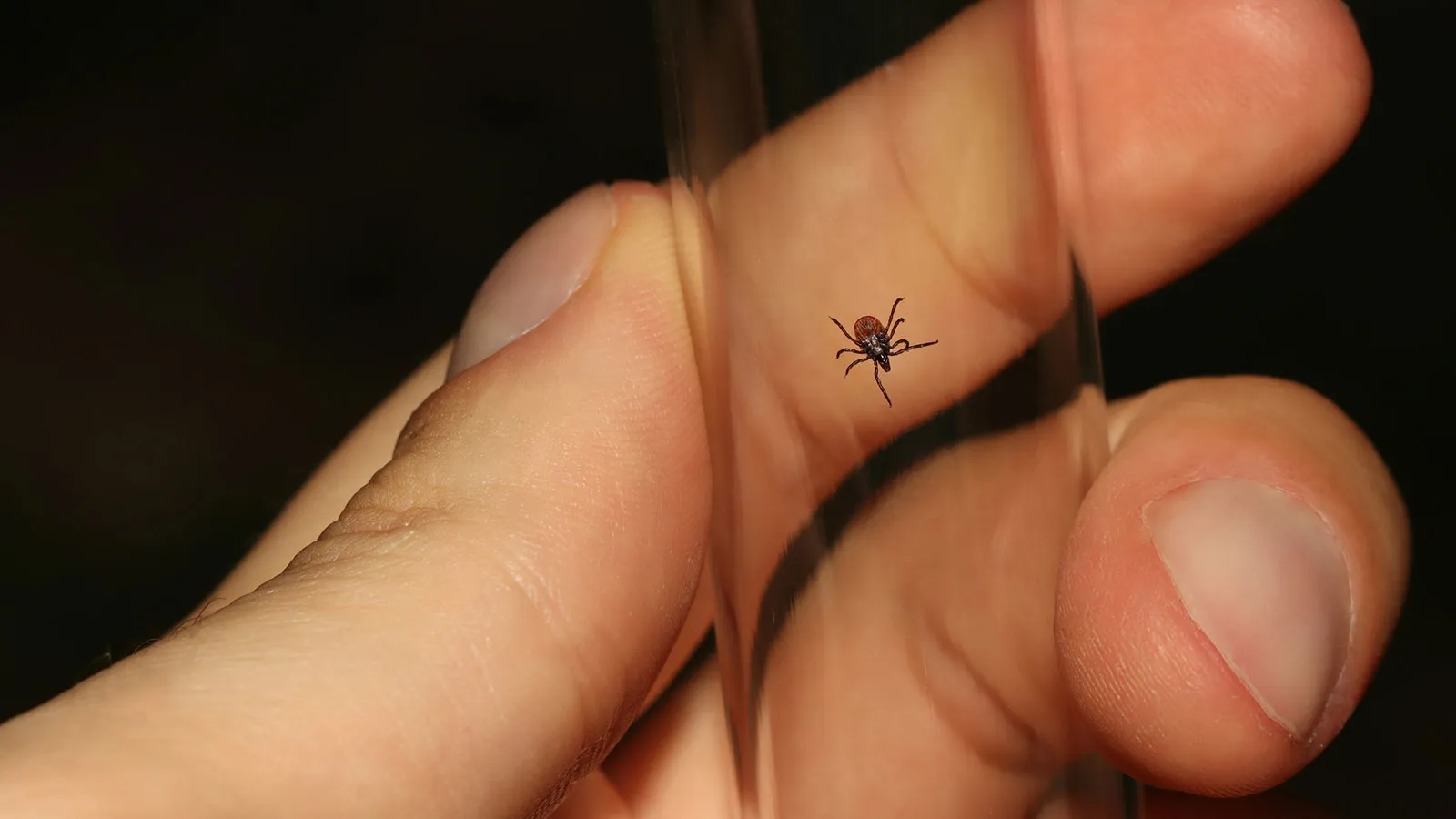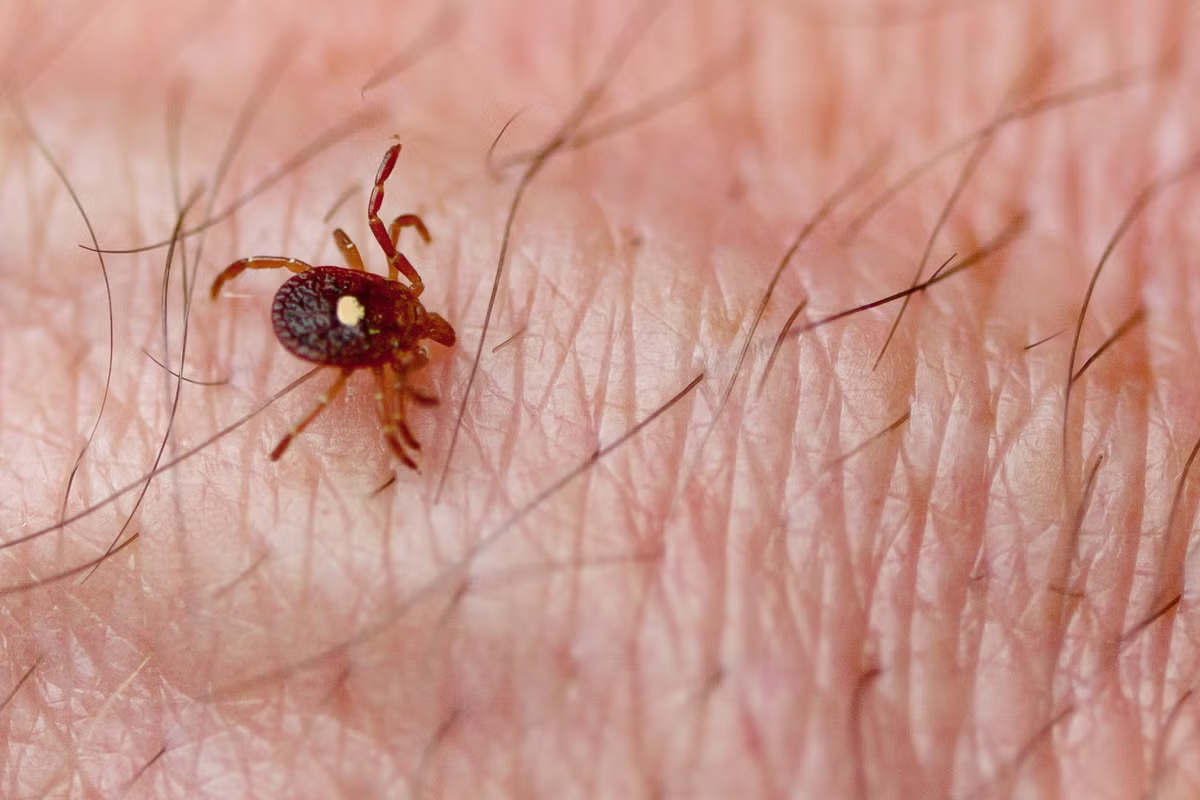
The symptoms Bourbon virus presents are similar to other tick-borne illnesses such as Lyme disease and doctors often misidentify virus given how rare it is04:44, 31 Jul 2026The first case of a rare, tick-borne infection has been identified in New York.Sixty-seven-year-old Michael Larkin was working outdoors in Suffolk County when he was bitten by two lone star ticks. The bites infected him with the Bourbon virus - an infection with no preventative vaccine, commercial test nor treatment.The symptoms Bourbon virus presents are similar to other tick-borne illnesses such as Lyme disease. Doctors often misidentify Bourbon virus given how rare it is.Mr Larkin was one of the cases where the virus was misidentified. He was treated with an antibiotic, which is appropriate for Lyme disease, but that did not stop Bourbon virus.He was infected with the Bourbon virus in 2021, but it took five years for the diagnosis to be confirmed with specialized tests.Mr Larkin spent five days in the hospital before making a full recovery, but recovery is is not a guarantee in many cases.Very few cases have been confirmed even across Kansas, Oklahoma and Missouri, where the virus is more prevalent — averaging less than one case per year.Two of those cases have ended in death."Now we know the virus can be lethal," Dr. Luis Marcos, who treated Mr Larkin, told CBS News."On Long Island, at least, we have a lot of lone star ticks."And honestly this may be the very, very tip of the iceberg."Bourbon virus got its name from the county in Kansas where the disease was first identified.The virus is carried by, aggressive lone star ticks, which have a white dot or "lone star" on their back. These ticks are found in wooded areas, tall grass and brush.Where the Bourbon virus relies on lone star ticks to spread, the ticks rely on white-tailed deer, whose population has grown. They live beside humans and spend time in suburban yards.Increased deer populations mean more ticks, while milder winters and longer warm seasons allow ticks to remain out for longer and move farther north.Lone star ticks can trigger alpha-gal syndrome, which can cause a lifelong meat and dairy allergy. They can also spread ehrlichiosis, a bacterial infection with flu-like symptoms.Article continues belowTo protect yourself from tick bites, avoid grassy, brushy and wooded areas. Stay in the centre of trails when venturing into wooded areas.
First case of rare and untreatable Bourbon virus confirmed in New York
The symptoms Bourbon virus presents are similar to other tick-borne illnesses such as Lyme disease and doctors often misidentify virus given how rare it is
395 words~2 min read