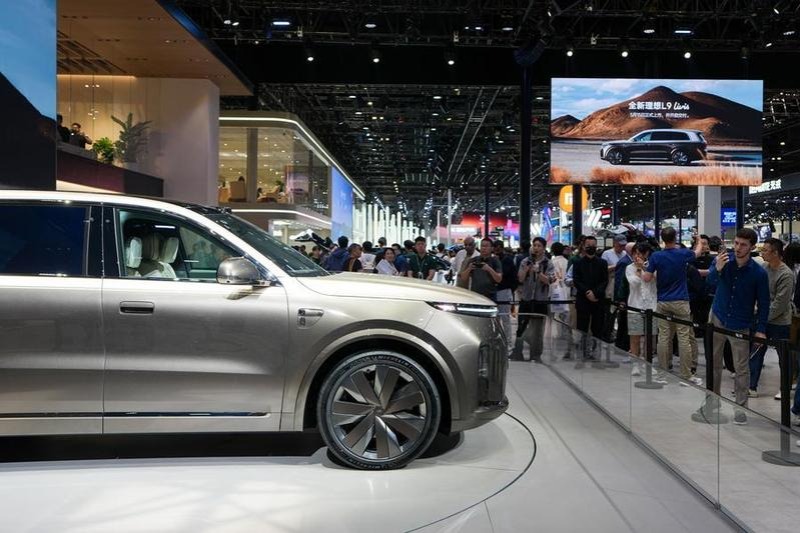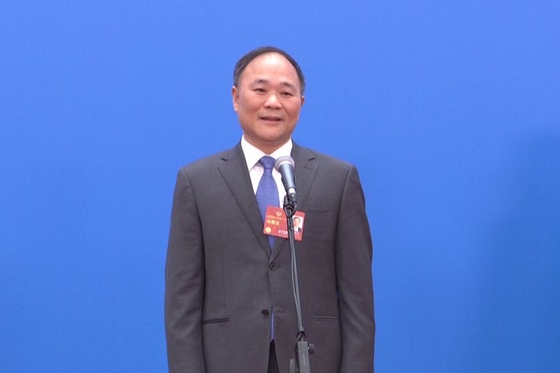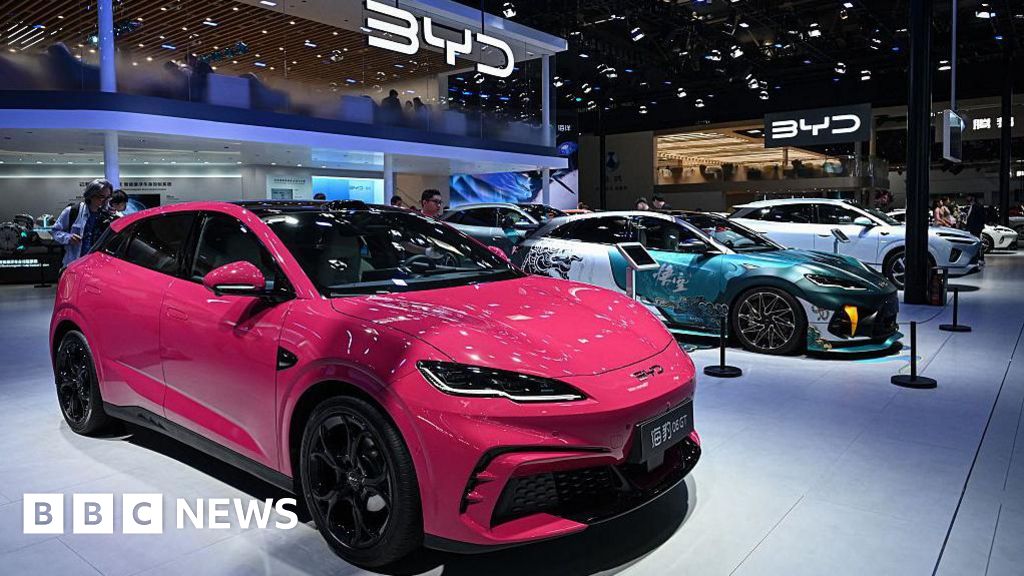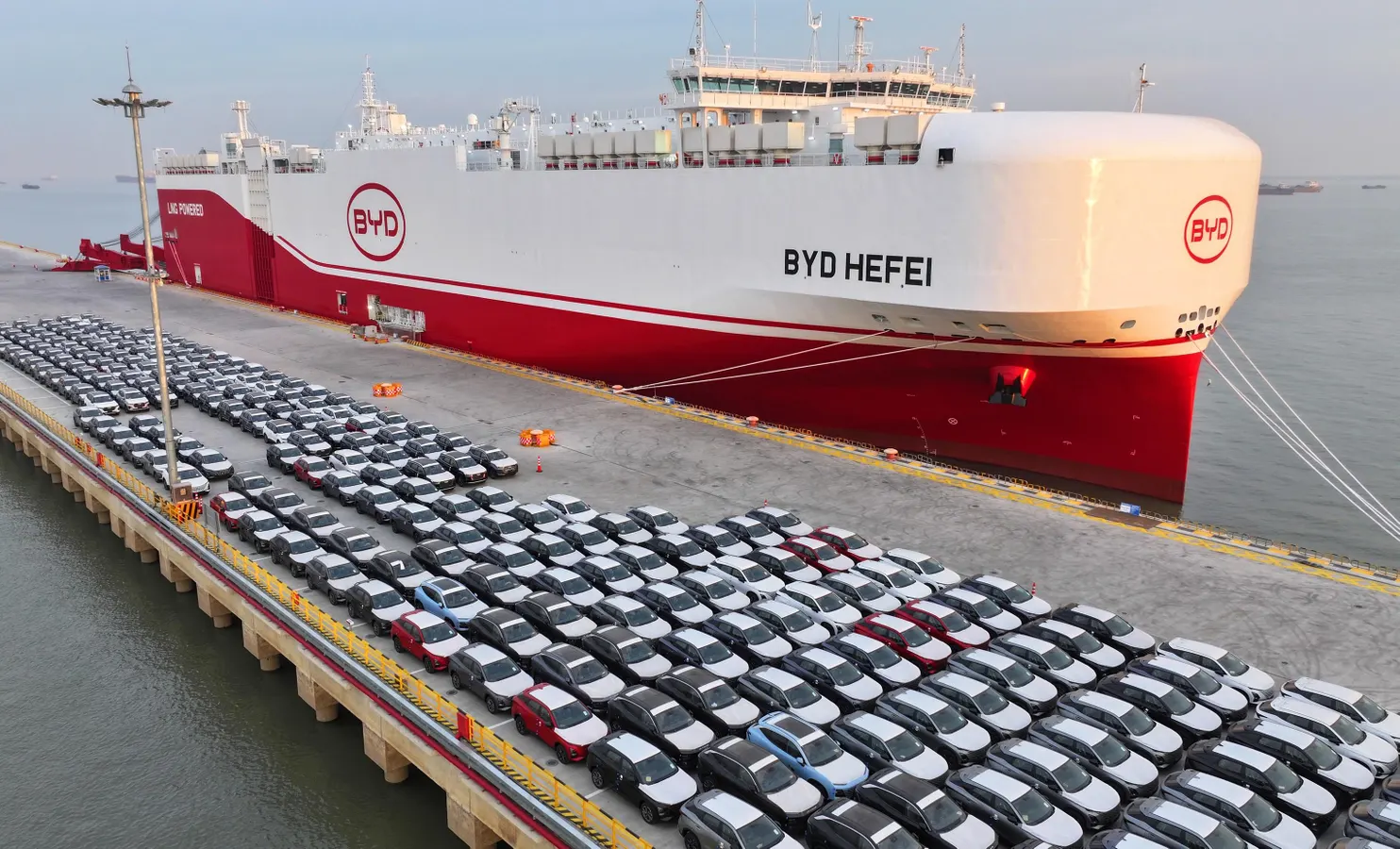
China is an electric vehicle giant, with companies such as BYD and Geely dominating global markets. But a lesser-known technology is also part of that clean transport story: methanol-powered flexible-fuel vehicles. That story begins with an almost forgotten collaboration, one powered by the U.S. motor giant Ford, that began in 1995.
The partnership never produced a commercial breakthrough. Ford eventually abandoned methanol, while China moved on to other technologies. Yet nearly three decades later, methanol vehicles have reappeared in China, where Geely now operates one of the world’s largest fleets of methanol-powered commercial vehicles.
Tech leadership, especially in Big Tech forms of innovation, involves more than the technology itself. As the Ford story shows, a critical element is whether governments, firms, and local institutions are willing to sustain multiple technological pathways long enough for one of them to mature.
Ford’s interest in methanol long predated its push into China. Methanol is a relatively convenient alternative fuel for conventional internal combustion engines. Existing gasoline engines can be modified to run on methanol blends or even pure methanol, and it can be produced from a wide range of feedstocks, from coal to biomass.