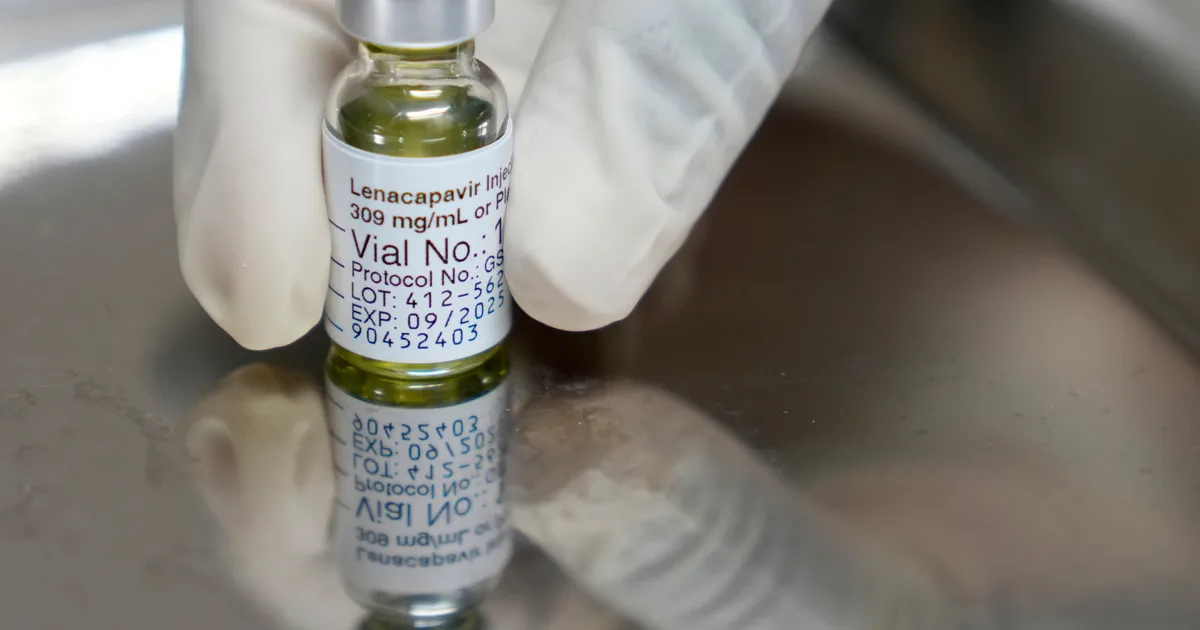
No women taking long-acting cabotegravir (Apretude) for HIV pre-exposure prophylaxis (PrEP) developed an HIV infection despite short delays before some maintenance injections, according to a U.S. study of routine clinical care.
There were no cases of incident HIV over a median follow-up of 13 months among 315 women who started cabotegravir in 2021-2024 as part of the OPERA longitudinal cohort.
No HIV transmissions occurred despite less-than-perfect adherence to the cabotegravir regimen: 88% of 1,193 maintenance injections overall were delivered on time, with late injections occurring a median 8 days late. Ultimately, 44% of women had at least one delayed maintenance injection, Laura Armas-Kolostroubis, MD, of the AIDS Healthcare Foundation in Dallas, Texas, reported at the International AIDS Conference.
"The great news is that none of the women on cabotegravir PrEP acquired HIV during the study period despite ongoing sexual transmission risk -- demonstrating that PrEP works," Armas-Kolostroubis said. "This study demonstrates the high, real-world effectiveness of cabotegravir for HIV PrEP in cisgender and transgender women in the U.S."
"We know that the life of our patients, particularly women, is very complicated, and the delays in clinical treatment may be due to family reasons, work, and other factors," Armas-Kolostroubis said. Despite delays, she said, "don't discard the possibility of continuing PrEP -- stress that this is a very effective method."