Published Aug 3, 2026, 5:15 PM EDT
It seizes cocaine, safeguards a $5.4 trillion trade economy, breaks ice in the Arctic, and remains the branch likeliest to save your life.
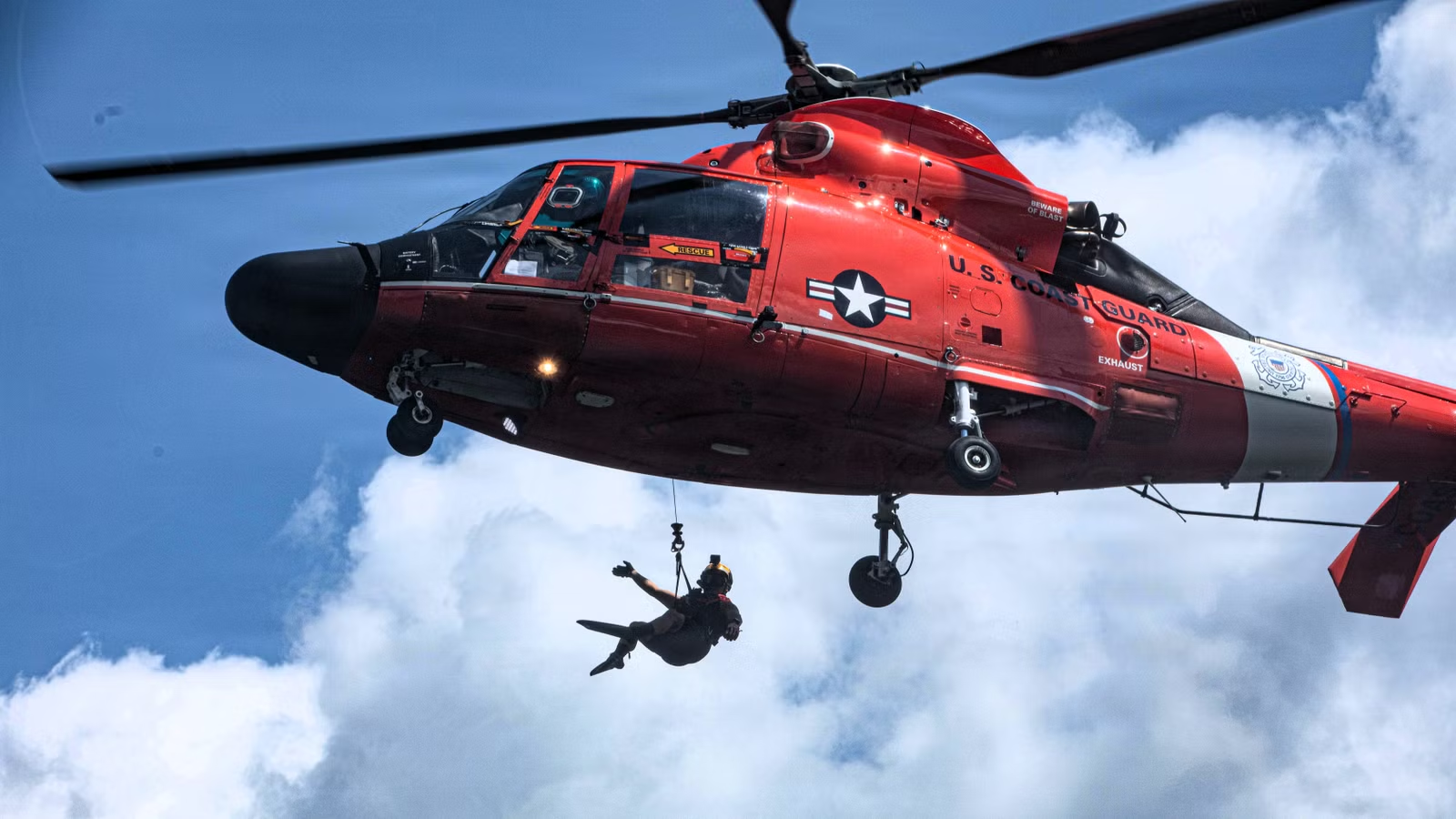
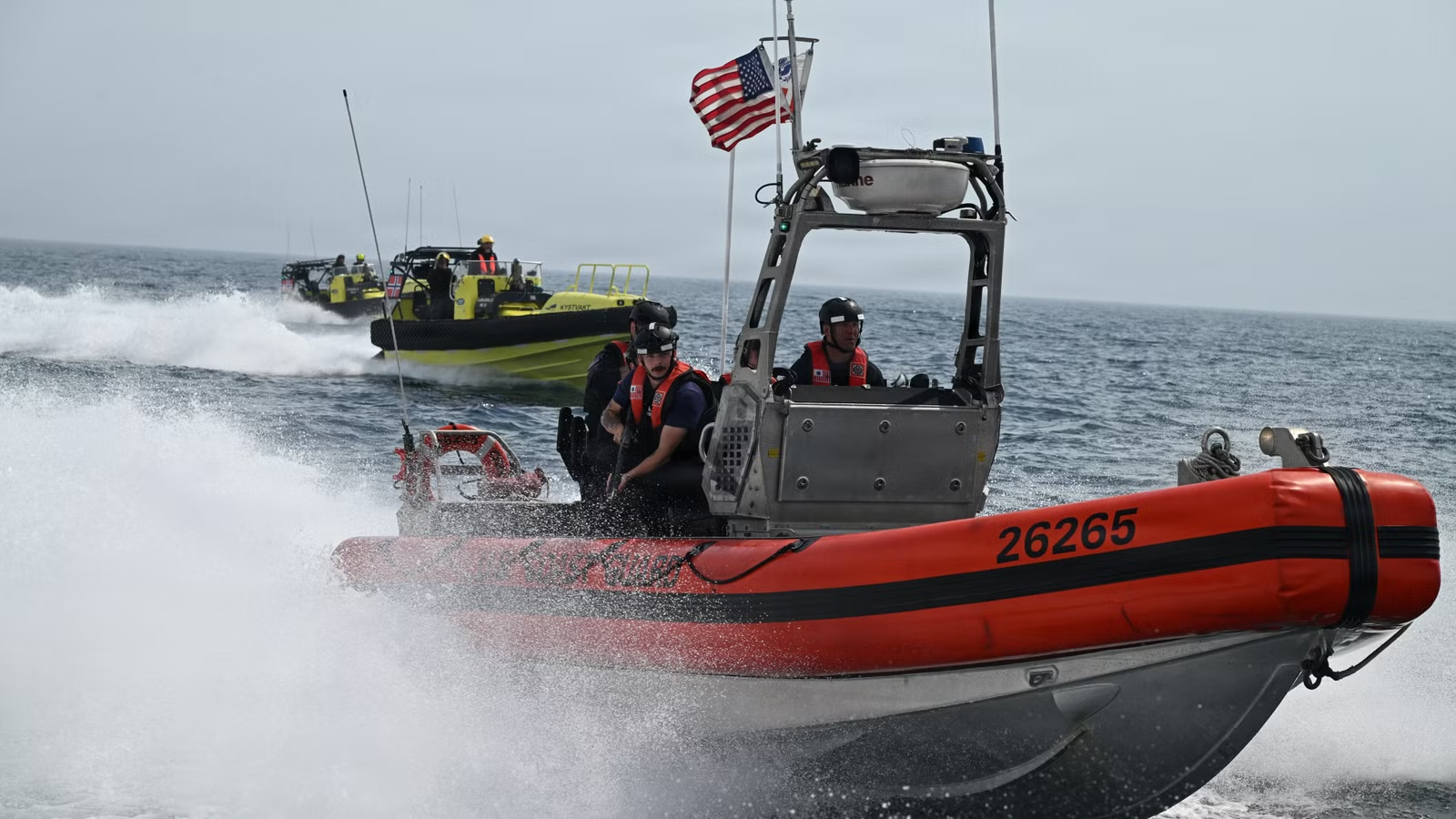
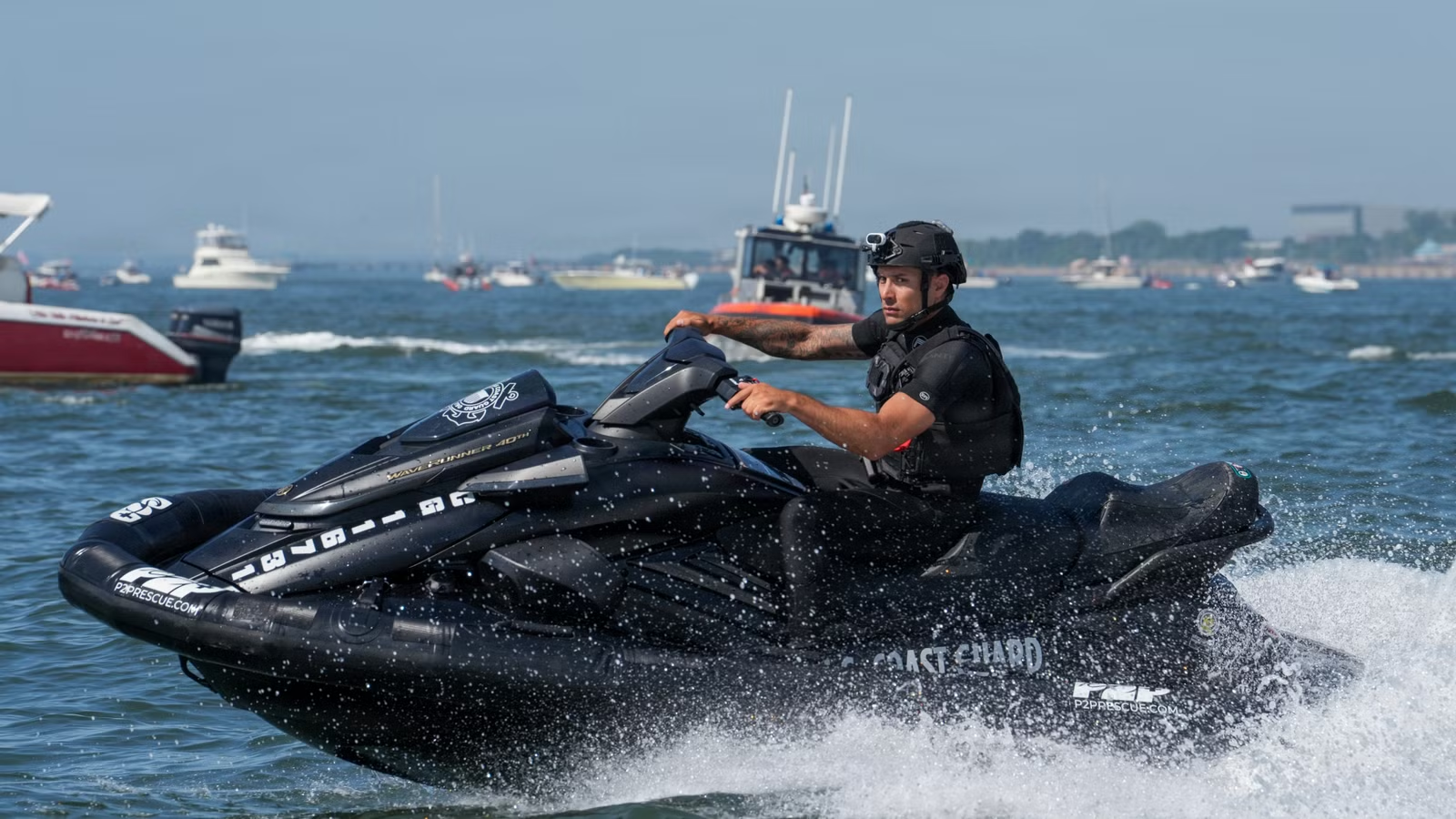
Ask most Americans what the Coast Guard does, and the answer stops at helicopter rescues. That's real, and it's the most visible part of the job, but it's a fraction of what the smallest of the six armed services is actually responsible for on any given day. By law, the Coast Guard operates under 11 statutory missions, ranging from stopping drug cartels to keeping the Great Lakes shipping lanes open through the winter. Here's what that actually looks like.
Drug Interdiction: The Numbers Are Genuinely Staggering
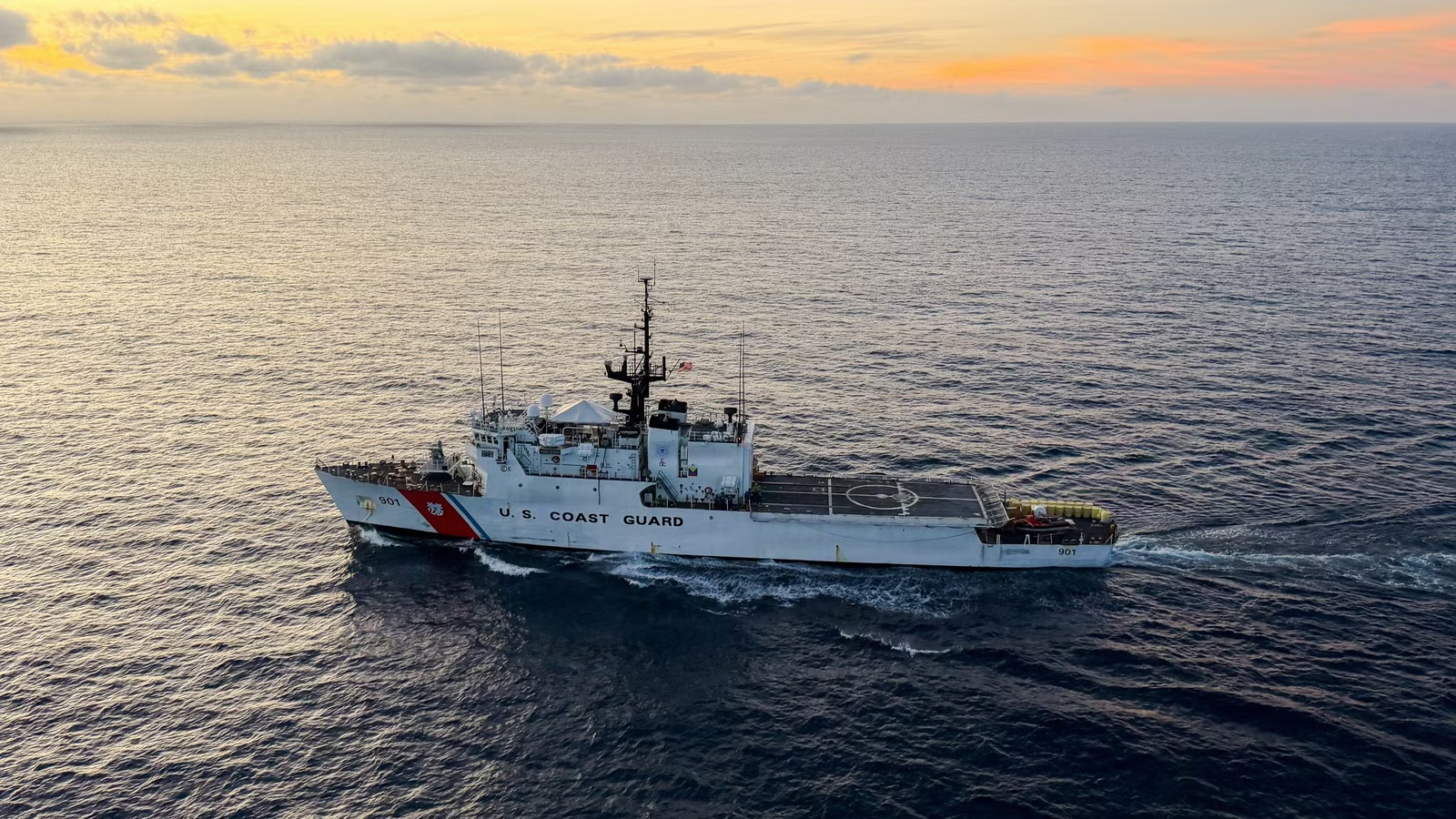
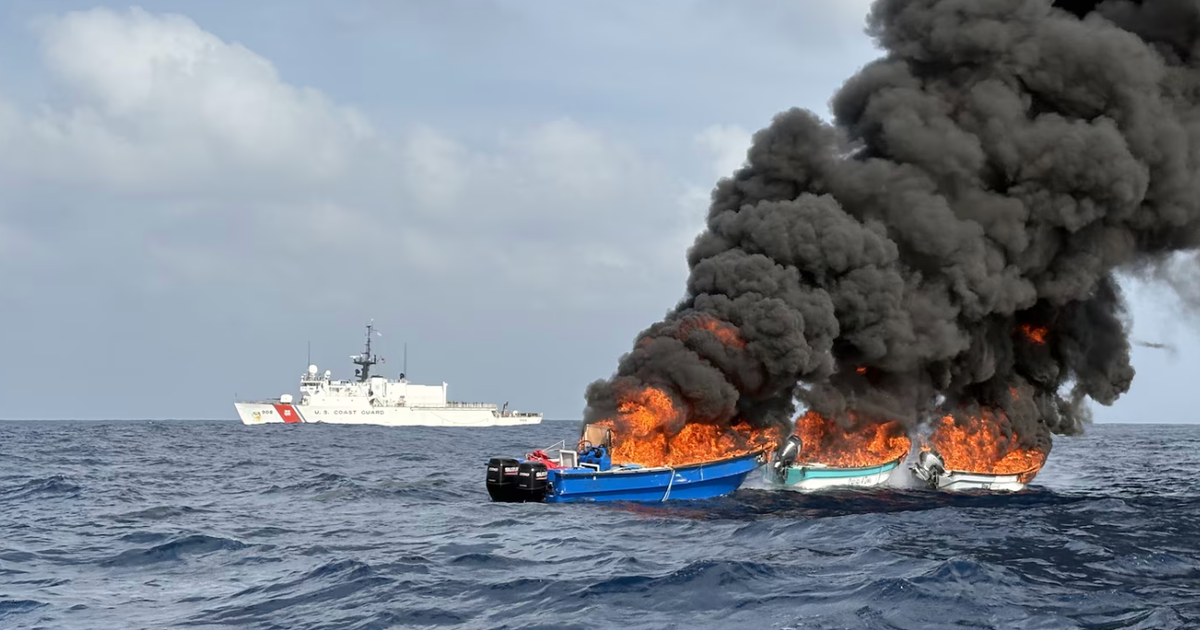
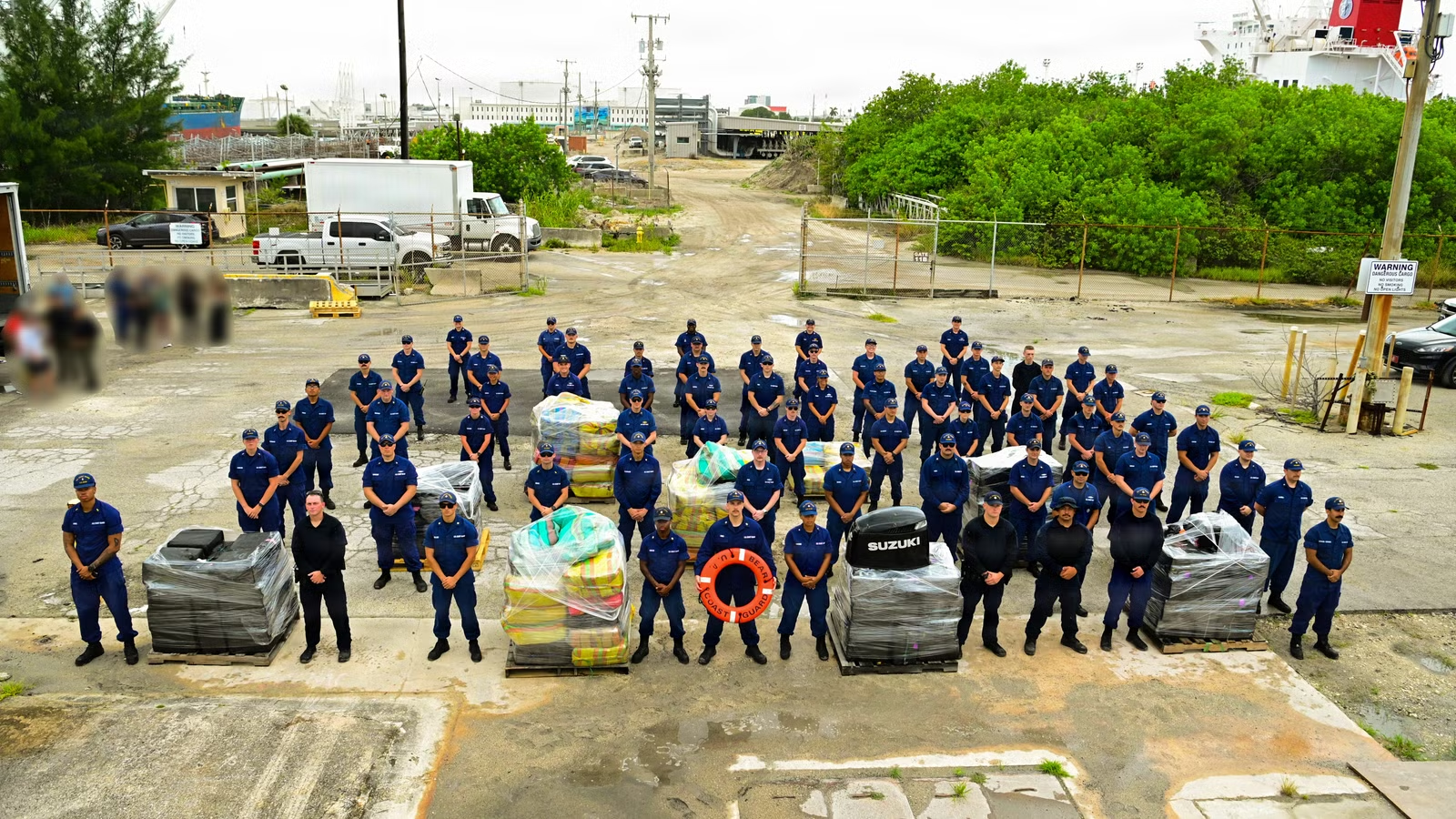
The Coast Guard is the lead federal agency for maritime drug interdiction, and the race isn't close. In fiscal year 2023, the service intercepted more than 212,000 pounds of cocaine. That pace has only accelerated. In March 2026, the Coast Guard hit a single-month record of more than 80,000 pounds of illicit drugs interdicted. That August, Coast Guard Cutter Hamilton offloaded more than 76,000 pounds of drugs in Florida, including 61,740 pounds of cocaine and 14,400 pounds of marijuana valued at $473 million, the largest single drug offload in Coast Guard history. These aren't abstract statistics gathered from a desk. A typical interdiction starts with detection and monitoring by the interagency Joint Interagency Task Force South, based in Key West, Florida, which tracks aerial and maritime drug trafficking across the Eastern Pacific and Caribbean. Once interdiction becomes imminent, operational control shifts to the Coast Guard. In February 2026 alone, the crew of Coast Guard Cutter Seneca offloaded more than 17,750 pounds of cocaine worth over $133.5 million in Port Everglades, Florida, the result of four separate interdictions in a single patrol, including one in which a Helicopter Interdiction Tactical Squadron aircrew used airborne use-of-force tactics to stop a go-fast smuggling vessel before boarding it.