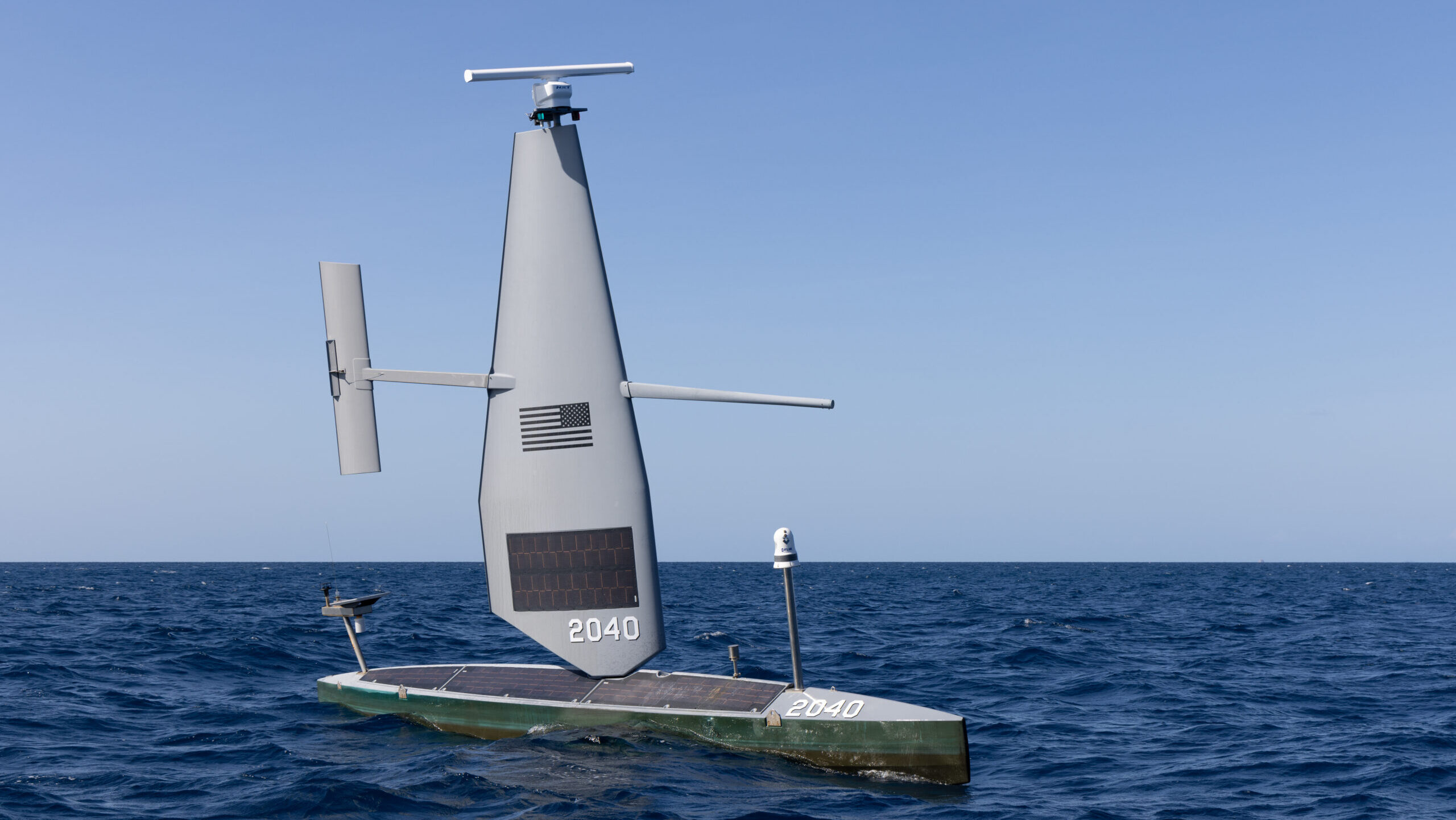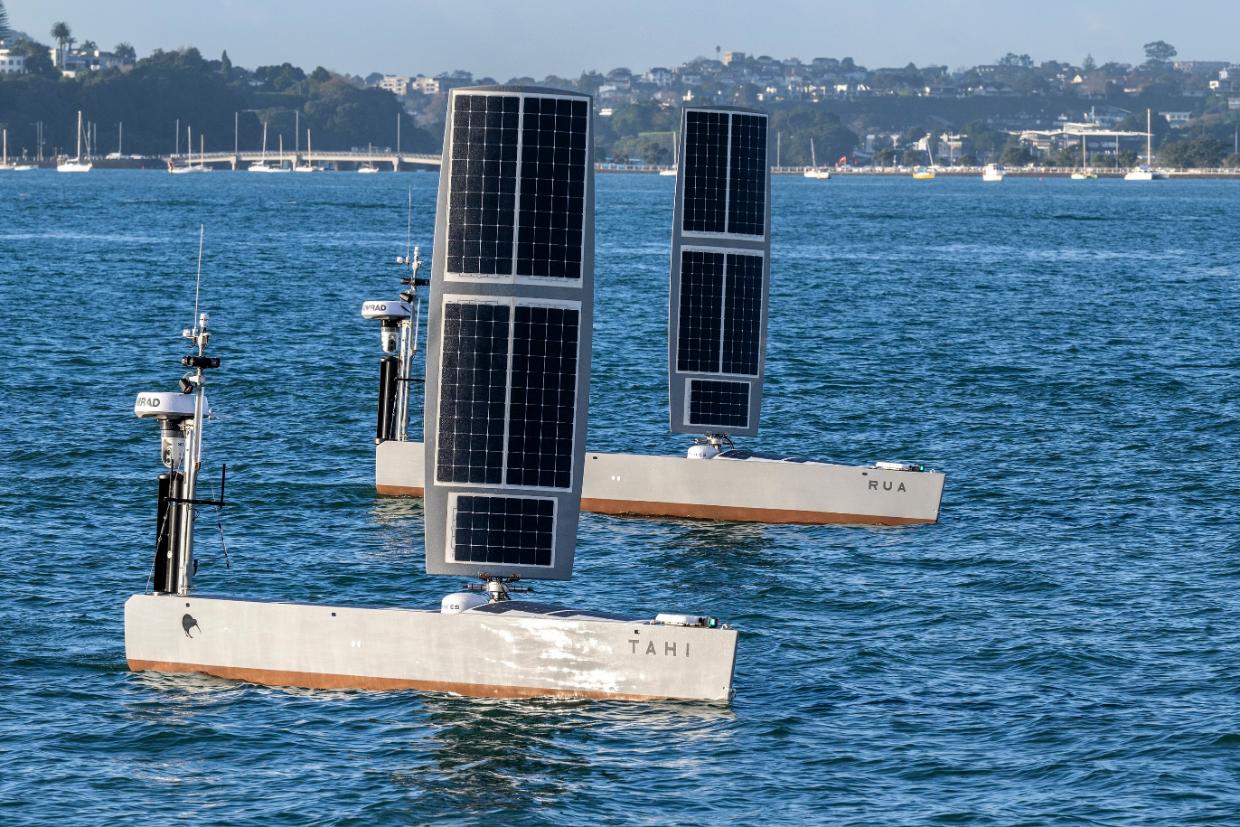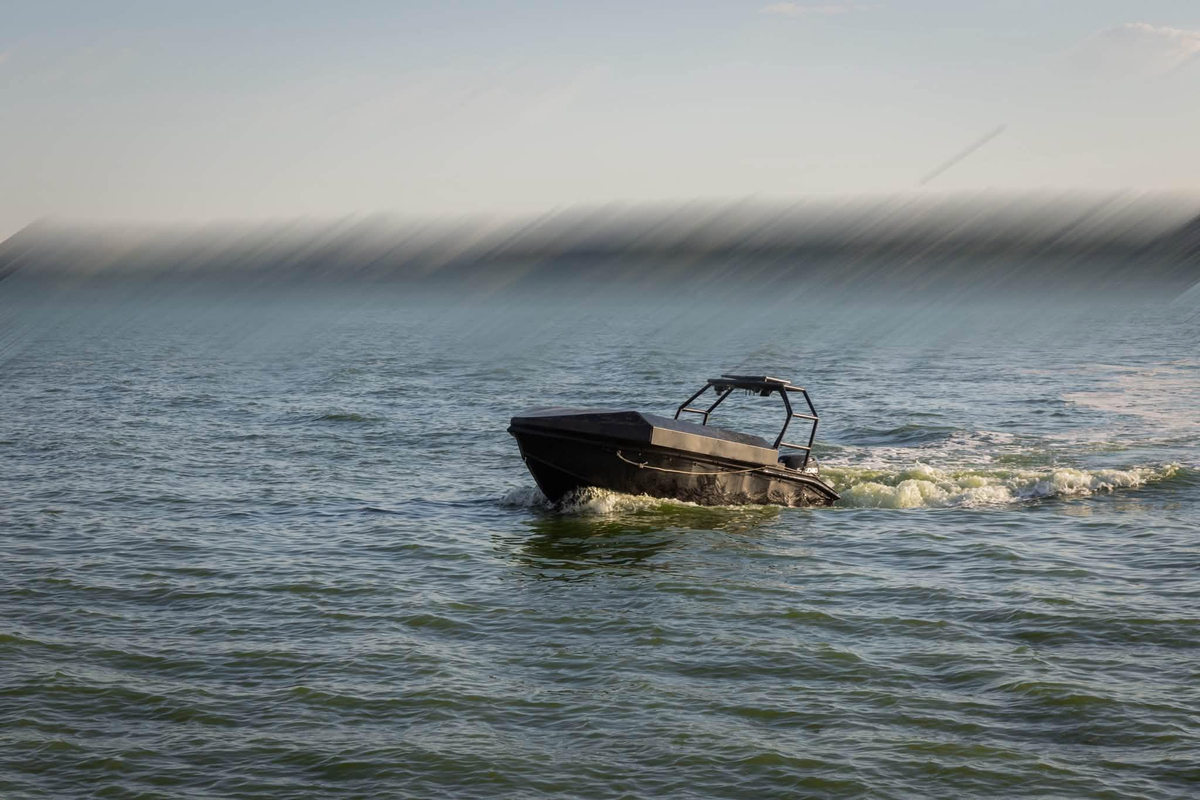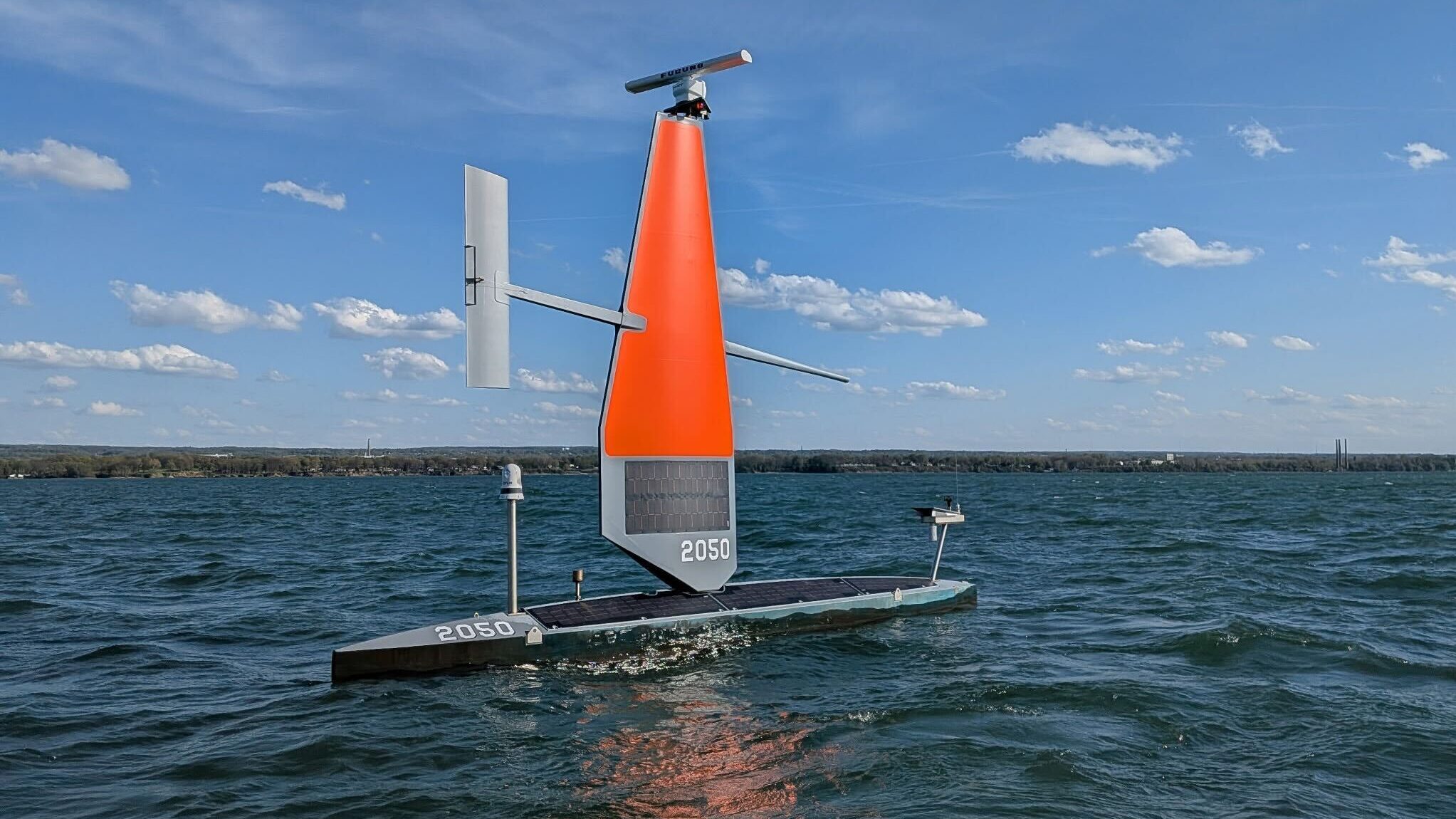
A Saildrone Voyager is pictured on Lake Erie, as part of a new deployment with the Coast Guard. in the Great Lakes and North Atlantic. (Saildrone)
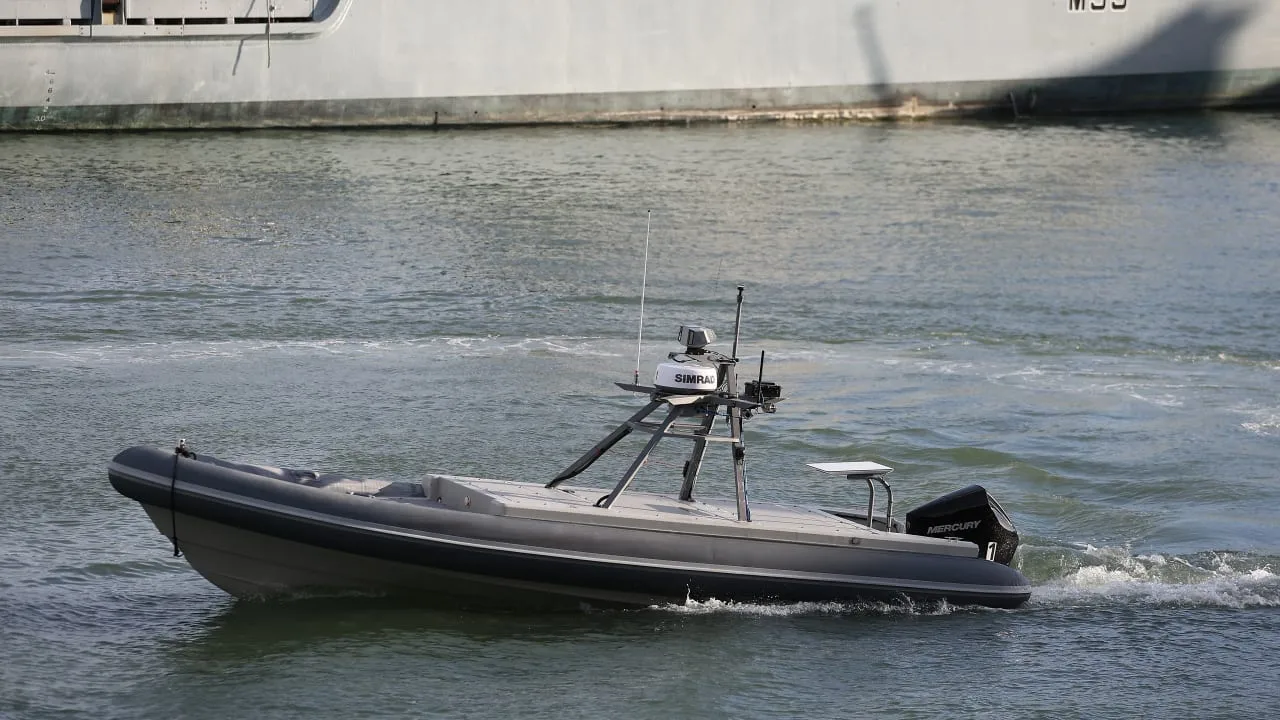
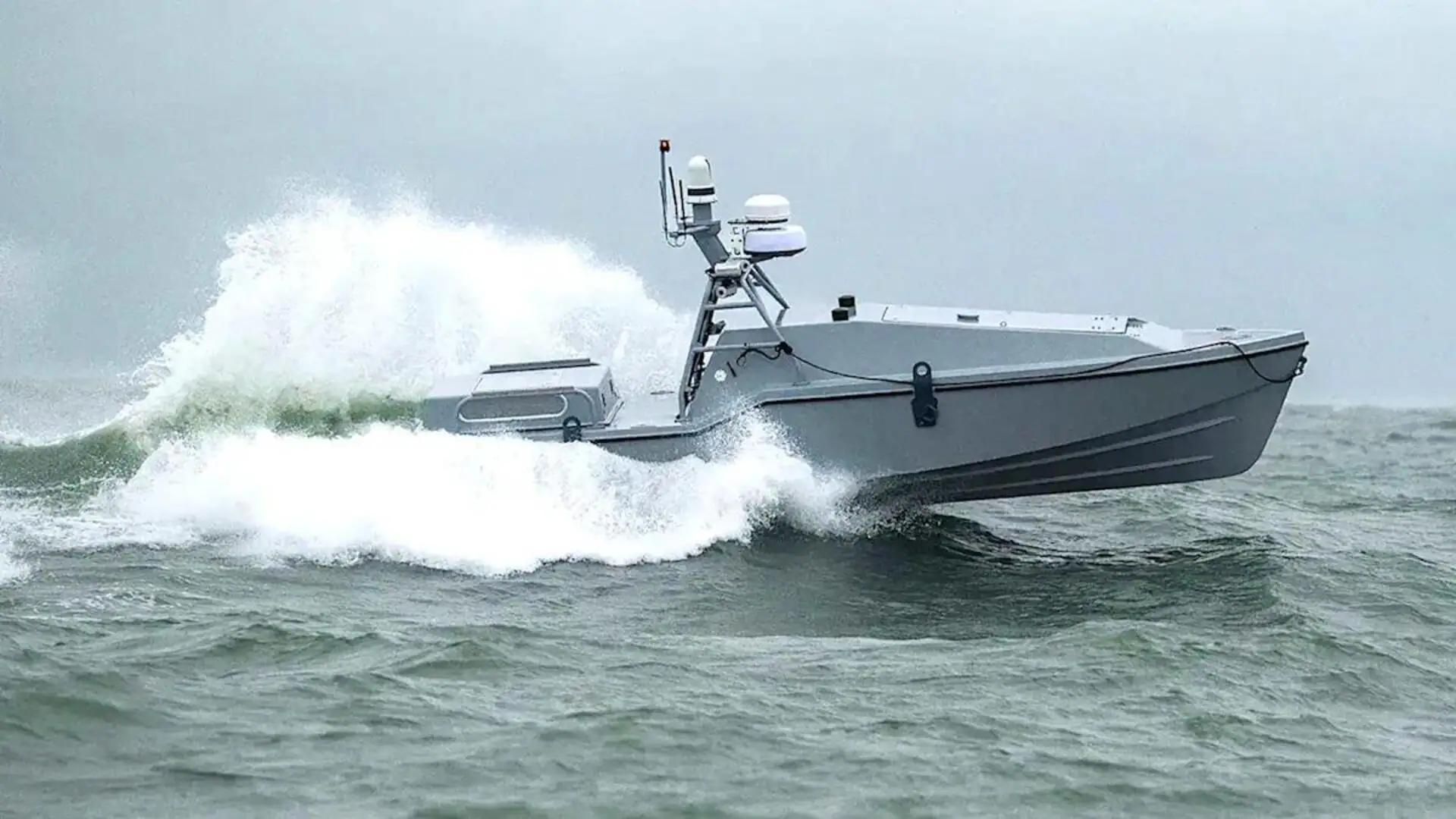
WASHINGTON — The Coast Guard is deploying more than a dozen Saildrone Voyager unmanned surface vessels (USVs) to the Great Lakes and the North Atlantic region in an effort to bolster maritime domain awareness.
The Voyager is equipped to conduct persistent coastal surveillance and nearshore mapping missions while remaining at sea for roughly 100 days at a time, according to the unmanned maritime systems manufacturer. In the Great Lakes, the unmanned vessels will support border security operations through monitoring and flagging suspicious activity, while in the North Atlantic, the vessels will assist Coast Guard efforts countering illegal fishing.
Ultimately, the 16 deployed Voyagers are designed to close visibility gaps — allowing Coast Guard personnel to tackle rescue and interdiction missions, according to Saildrone President John Mustin.
“The way that I have characterized it is we’re helping them to shift from a reactive model to now a proactive, persistent surveillance net, and what that allows is, it allows each precious member of the Coast Guard to focus on those things that only they can do, so we think of that in terms of offloading missions that may be mundane or trivial, and allowing them to focus on those things that only humans can do,” Mustin, the former chief of Navy Reserve, told Breaking Defense.