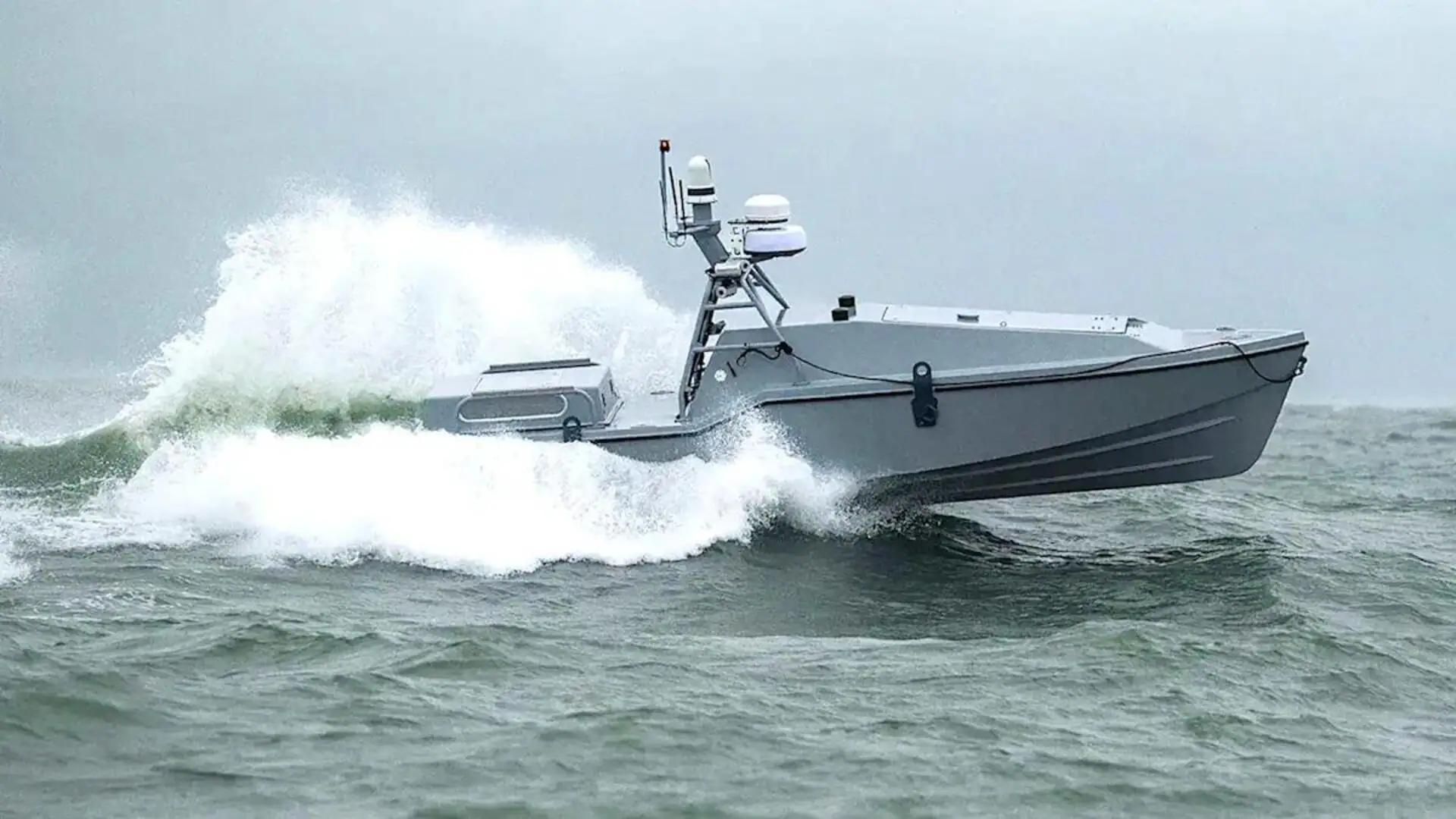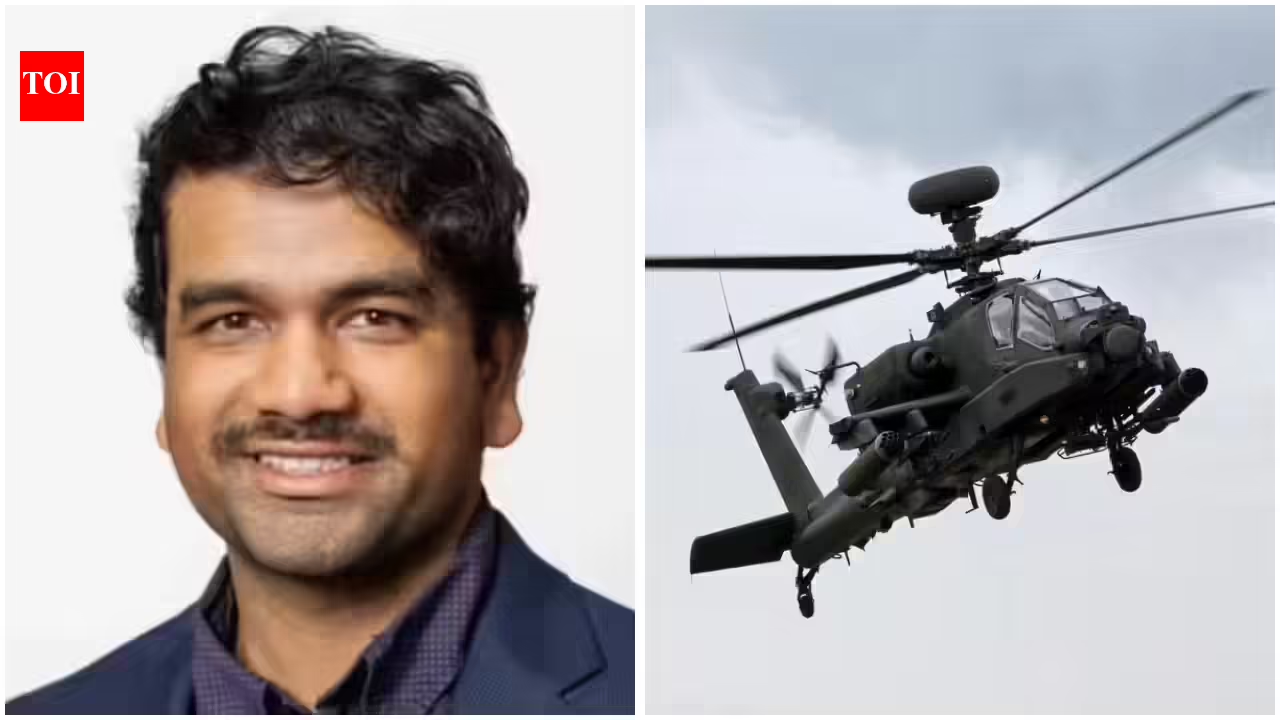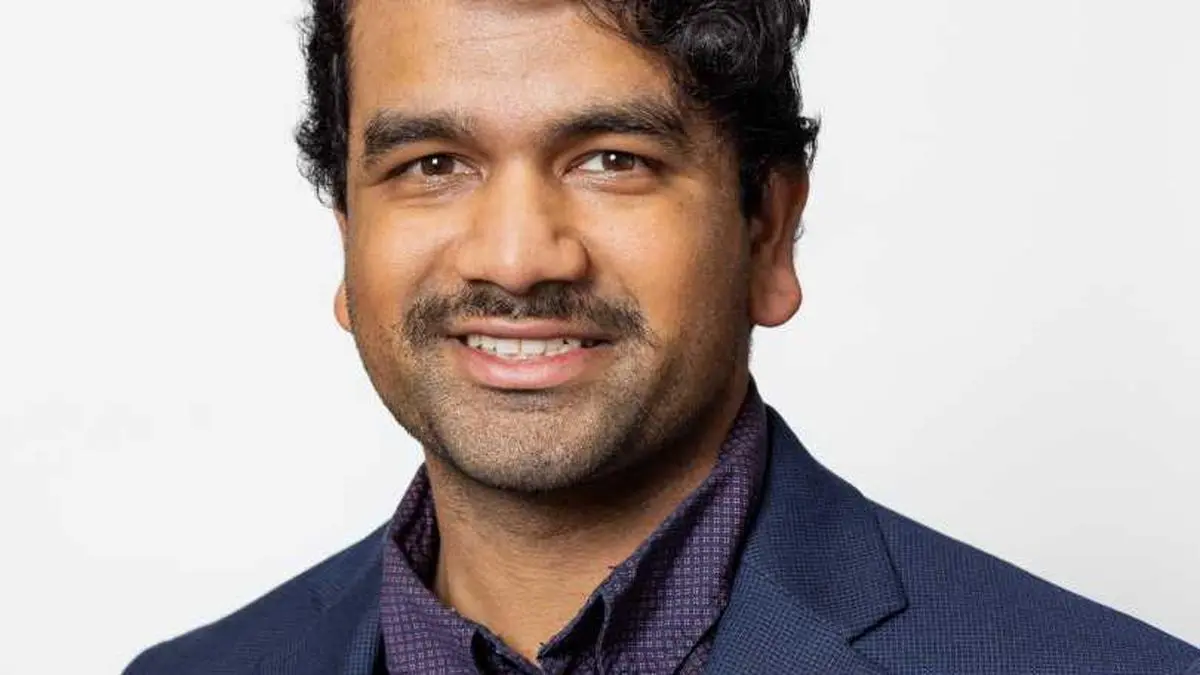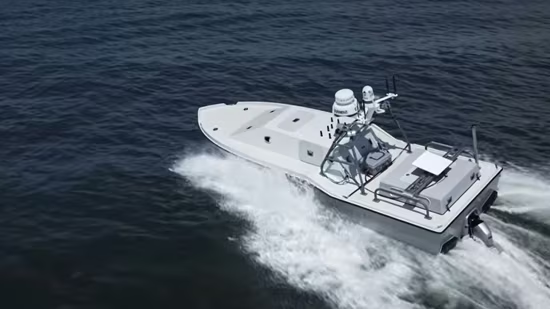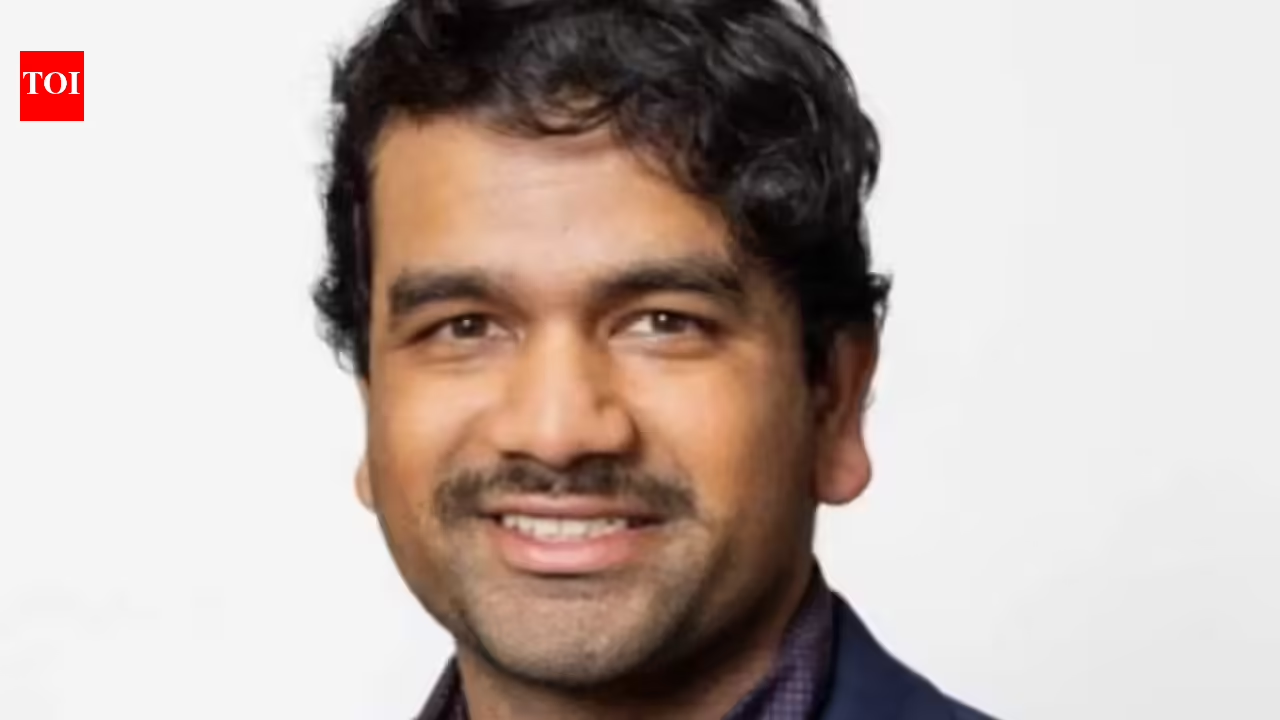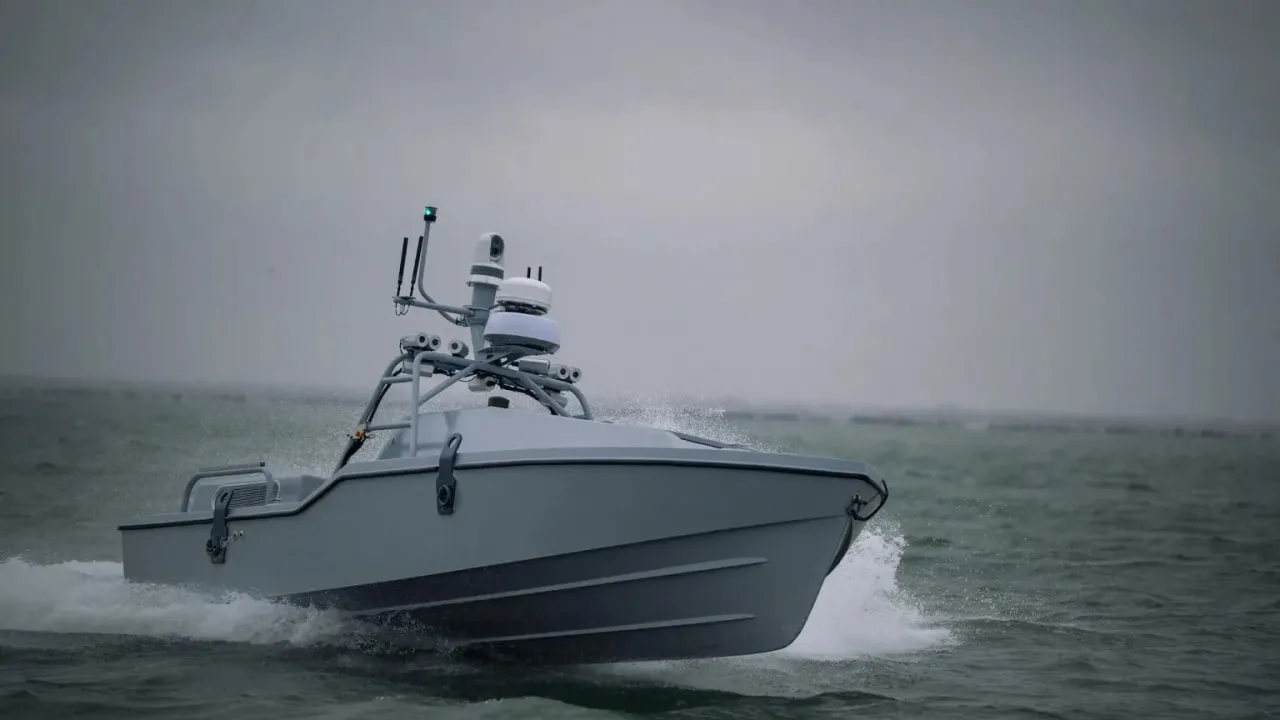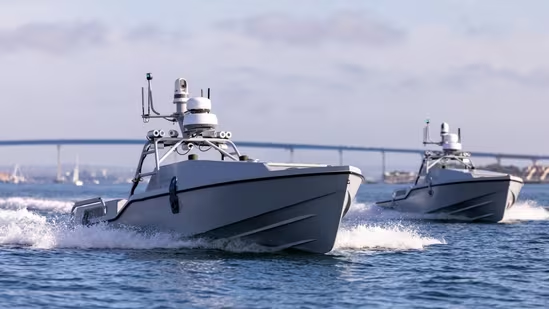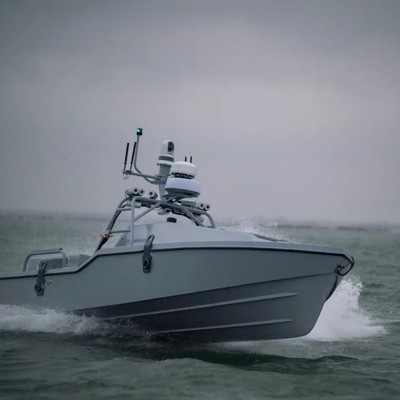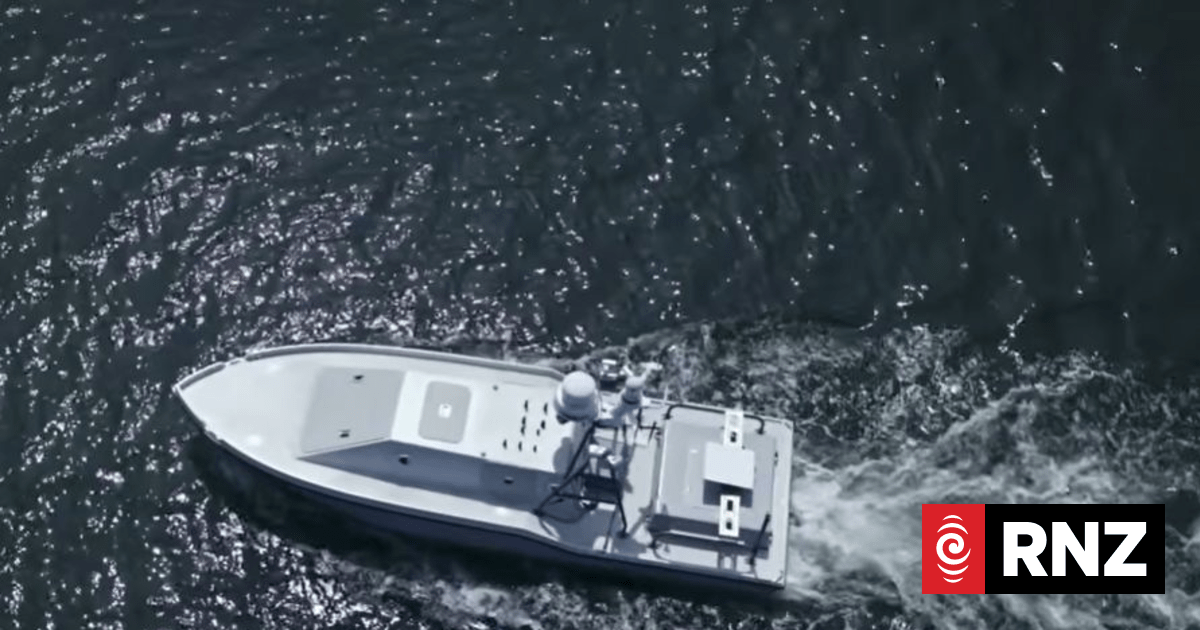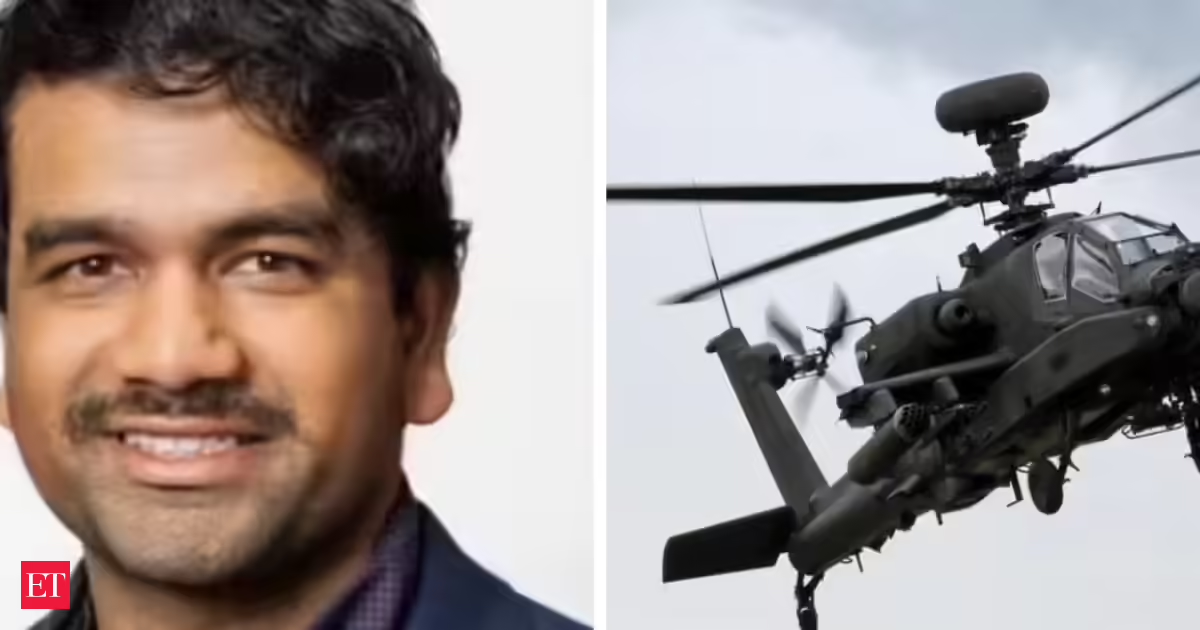
A dramatic rescue operation in the waters near the Strait of Hormuz has brought global attention to an Indian-origin technology leader whose autonomous vessel helped save two US Army personnel after a helicopter crash.The rescue involved Corsair, an unmanned surface vessel developed by Texas-based defence startup Saronic Technologies. According to the US military, the operation marked the first time an autonomous surface vessel was used to assist in the recovery of military personnel at sea.The incident occurred after a US Army Apache helicopter went down near the coast of Oman. Within roughly two hours, the two crew members were located and rescued. Both were later reported to be in stable condition.At the centre of the technological breakthrough is Vibhav Altekar, an Indian-American engineer and the co-founder as well as Chief Technology Officer of Saronic Technologies.From engineering student to defence-tech innovatorVibhav Altekar studied electrical engineering at the University of California before building a career around autonomous systems and advanced military technologies. At Saronic, he leads the teams responsible for software development, machine learning, navigation systems, perception technology and product engineering.Before launching Saronic in 2022, Altekar worked on several cutting-edge defence programmes in the United States. He was also among the earliest engineers at defence technology company Anduril Industries, where he contributed to multiple autonomous military projects, including work linked to Australia's Ghost Shark autonomous submarine programme.The vessel that made historyFounded by former Navy SEAL Dino Mavrookas alongside Altekar and other co-founders, Saronic Technologies focuses on autonomous maritime platforms designed for military operations.The company's Corsair vessel is a 24-foot autonomous craft capable of travelling more than 1,000 nautical miles and carrying heavy payloads. Built to operate in challenging maritime environments, it forms part of the US military's push to integrate autonomous systems into real-world missions.The Strait of Hormuz rescue is being viewed as a landmark moment for that effort. While autonomous vessels have often been associated with surveillance and reconnaissance tasks, the operation demonstrated their potential to assist in life-saving missions where speed and precision are critical.For Vibhav Altekar, the rescue has become a defining moment—showcasing how advanced autonomous technology can move beyond experimentation and play a direct role in protecting human lives.
Meet Vibhav Altekar, the Indian-origin engineer behind the drone boat that pulled off a first-of-its-kind US military rescue
A remarkable rescue operation near the Strait of Hormuz saw an autonomous vessel, Corsair, play a vital role. Developed by Saronic Technologies, co-founded by Indian-American engineer Vibhav Altekar, the vessel helped save two US Army personnel. This event marks a significant milestone for autonomous maritime technology, demonstrating its capability in life-saving missions.
361 words~2 min read