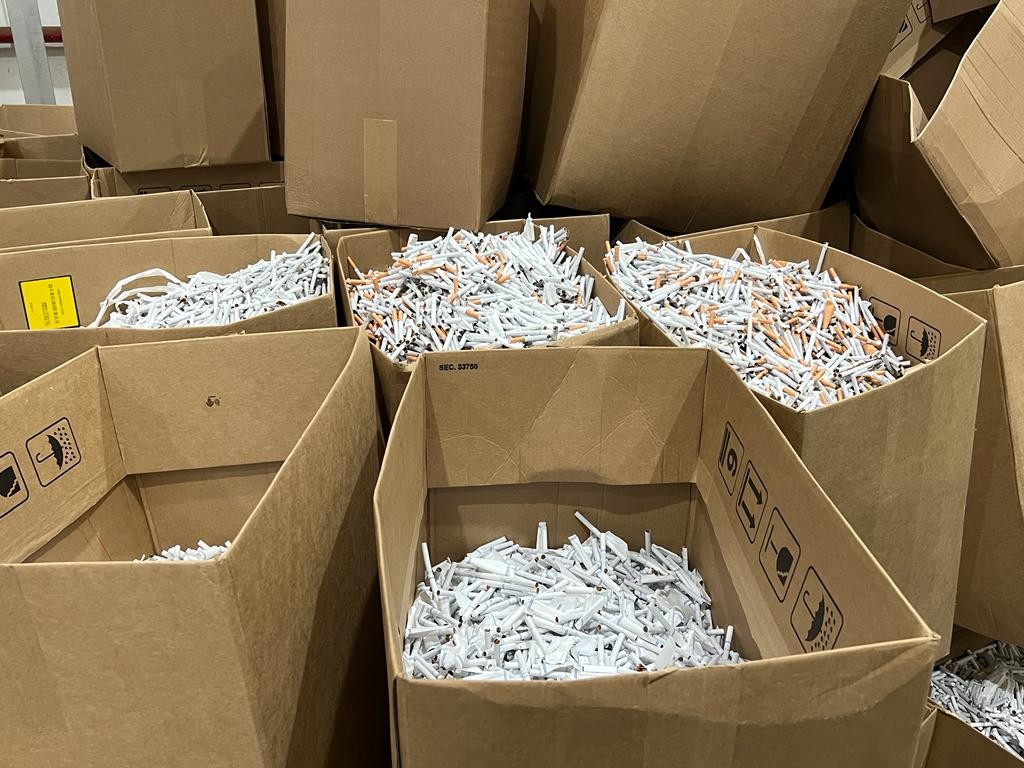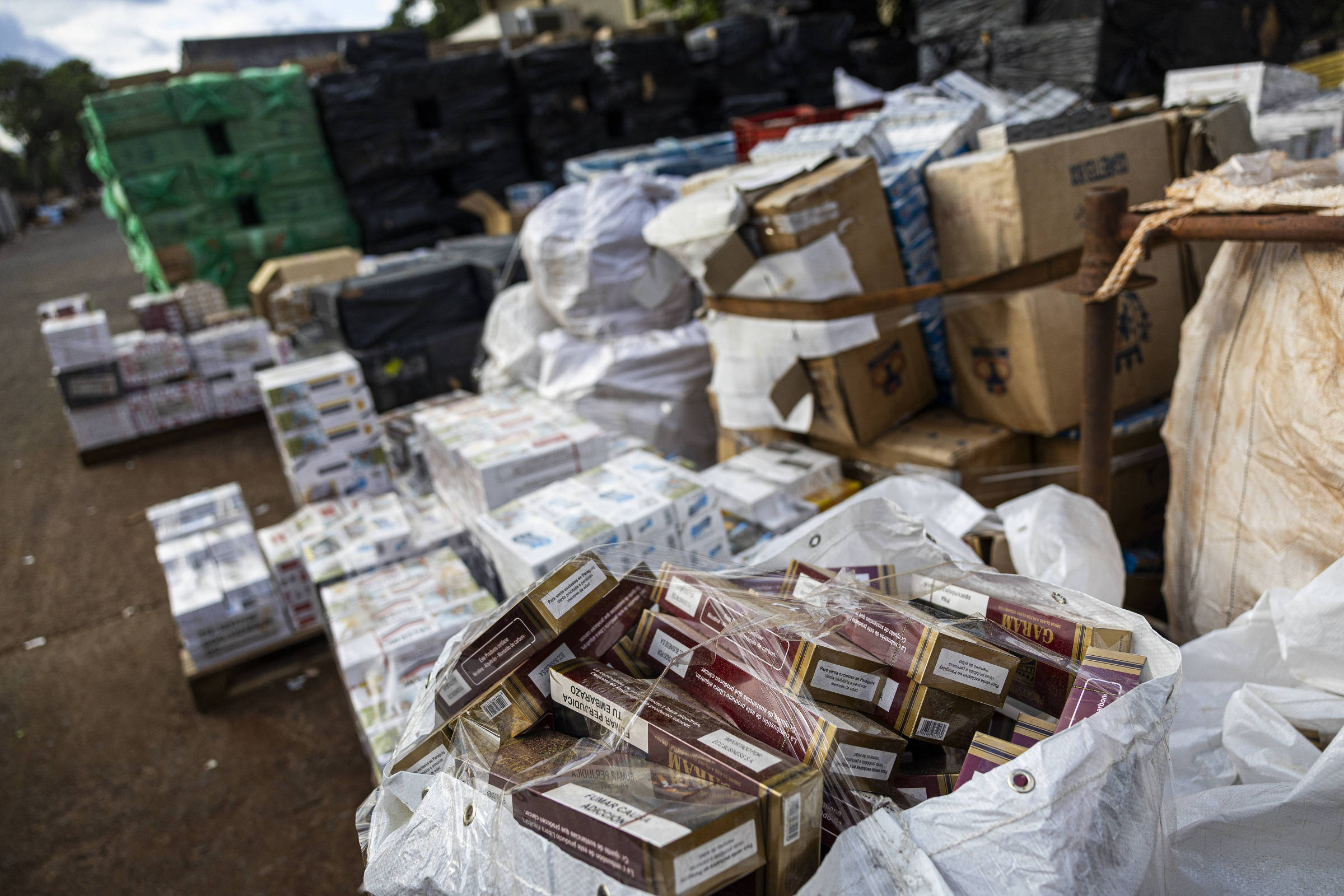
The smuggling of goods from Paraguay into Brazil can generate profits of more than 500% for organized crime, strengthening the presence of criminal groups such as the PCC and Comando Vermelho (CV) around Foz do Iguaçu, in the state of Paraná, the country's main entry point for illegal goods. According to a study by the Institute for Border Economic and Social Development (Idesf), the trade moves about 60 billion reais ($12 billion) a year outside the formal economy without paying taxes.
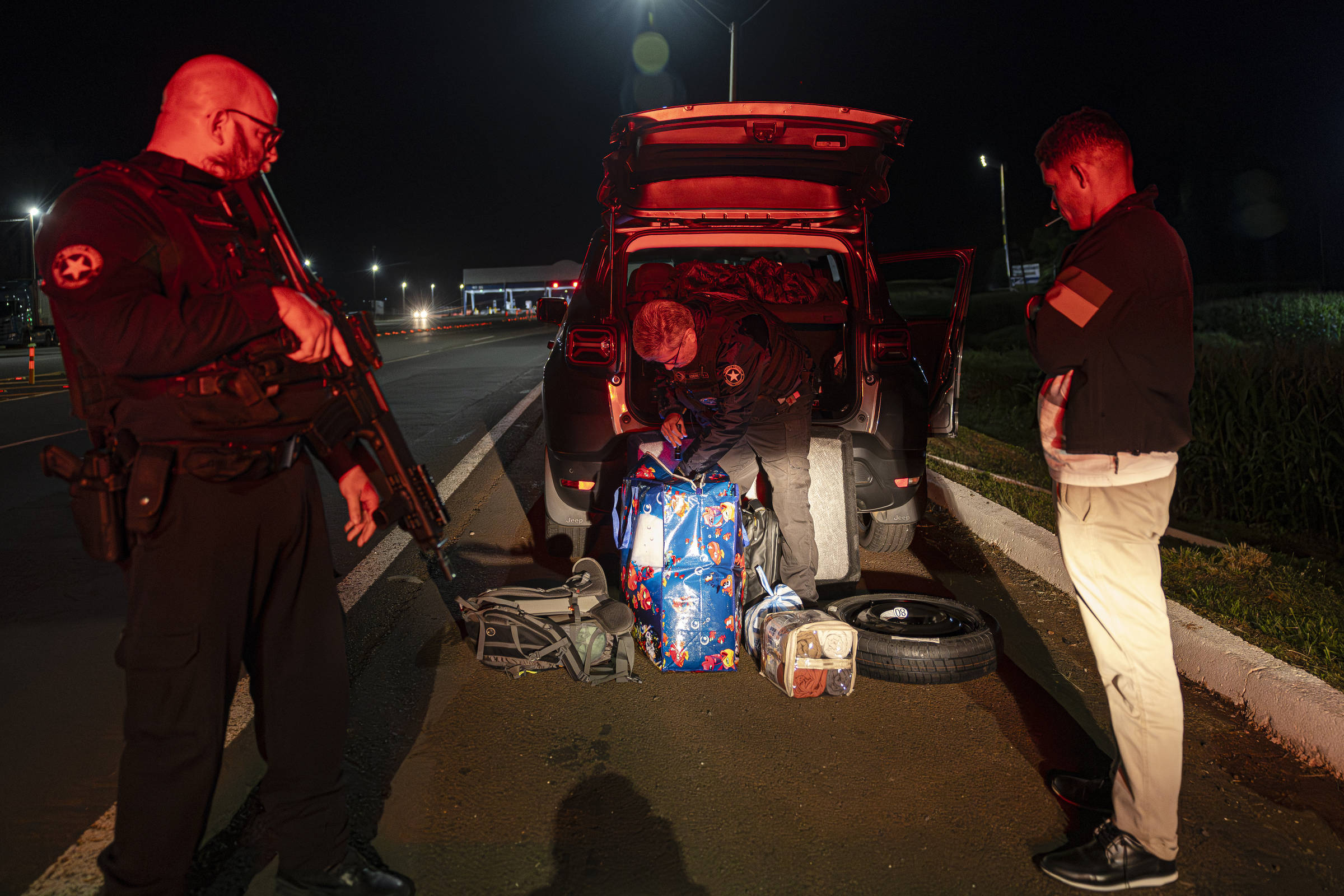
Cigarettes are the most profitable item, with a 507% profit margin, followed by medicines (415%) and smartphones (390%). The calculation is based on the difference between the cost of smuggling the goods into the country and their resale value on the black market. According to Idesf, only 5% to 10% of smuggled goods are seized, while inspections at the Friendship Bridge cover less than 2% of the daily flow of 100,000 people.
In addition to the bridge, smugglers use clandestine ports in Vila Portes, on the banks of the Paraná River. The price difference between Brazilian and Paraguayan cigarettes reaches 650%, although smugglers' logistics costs—estimated at 22%—include transportation, labor, vehicle depreciation, legal fees and even a type of "unemployment insurance" to cover periods of intensified police crackdowns.