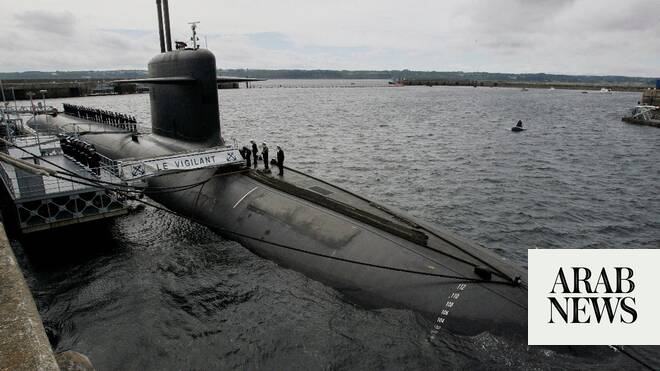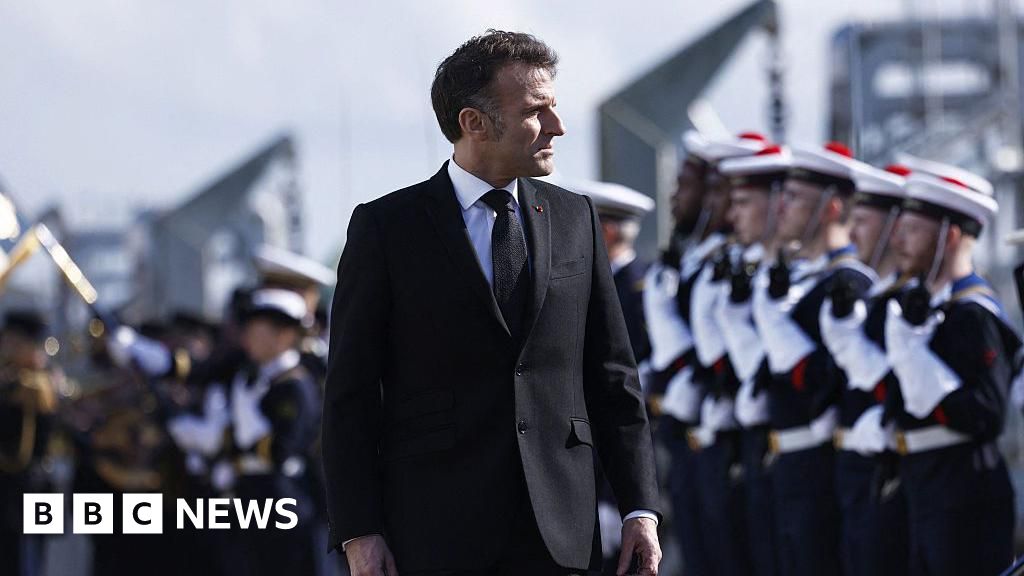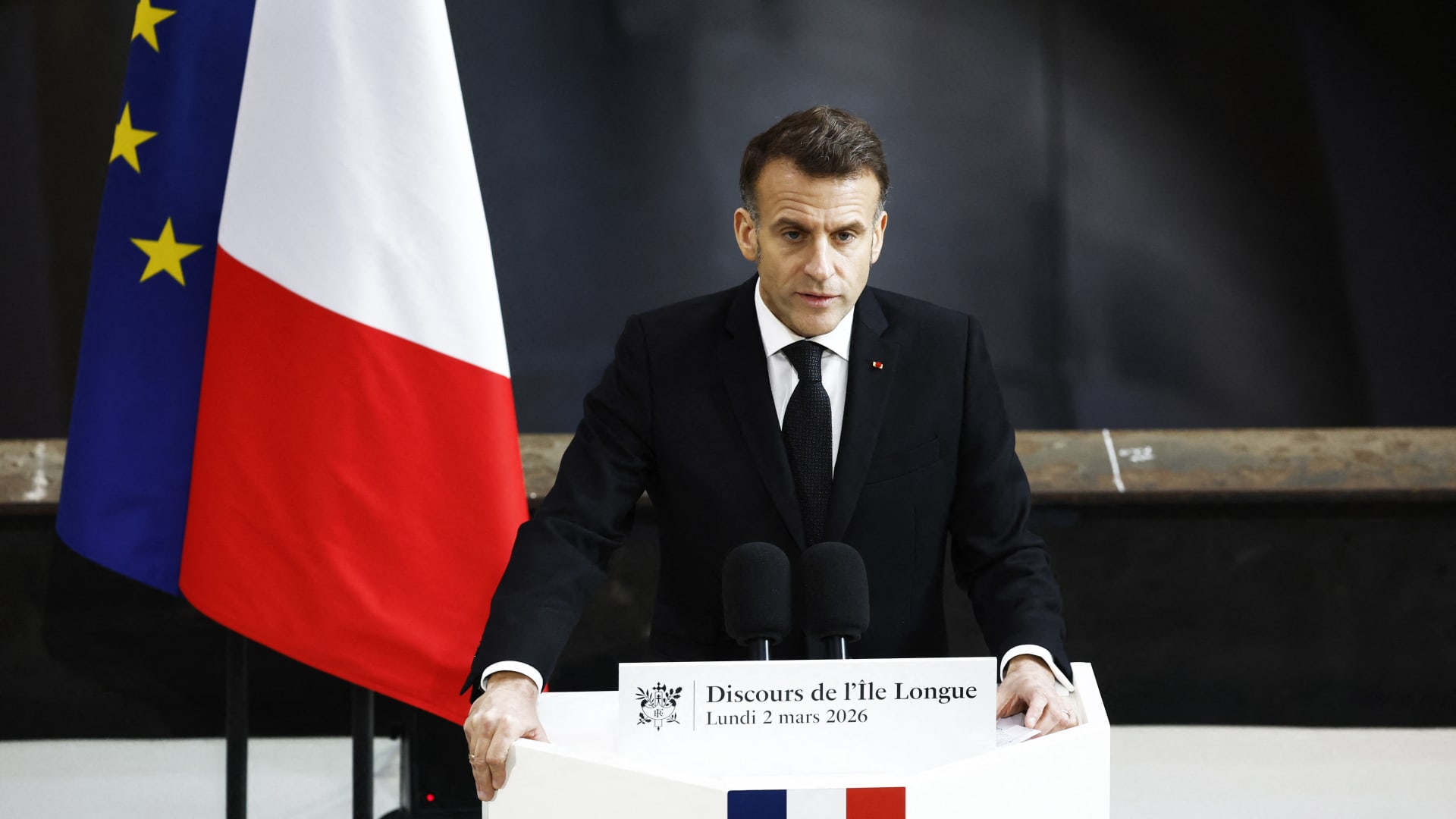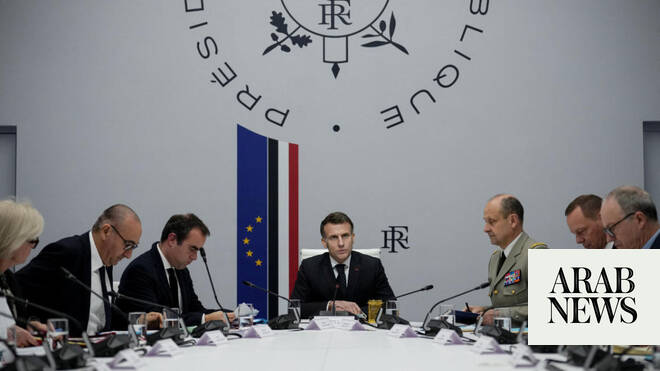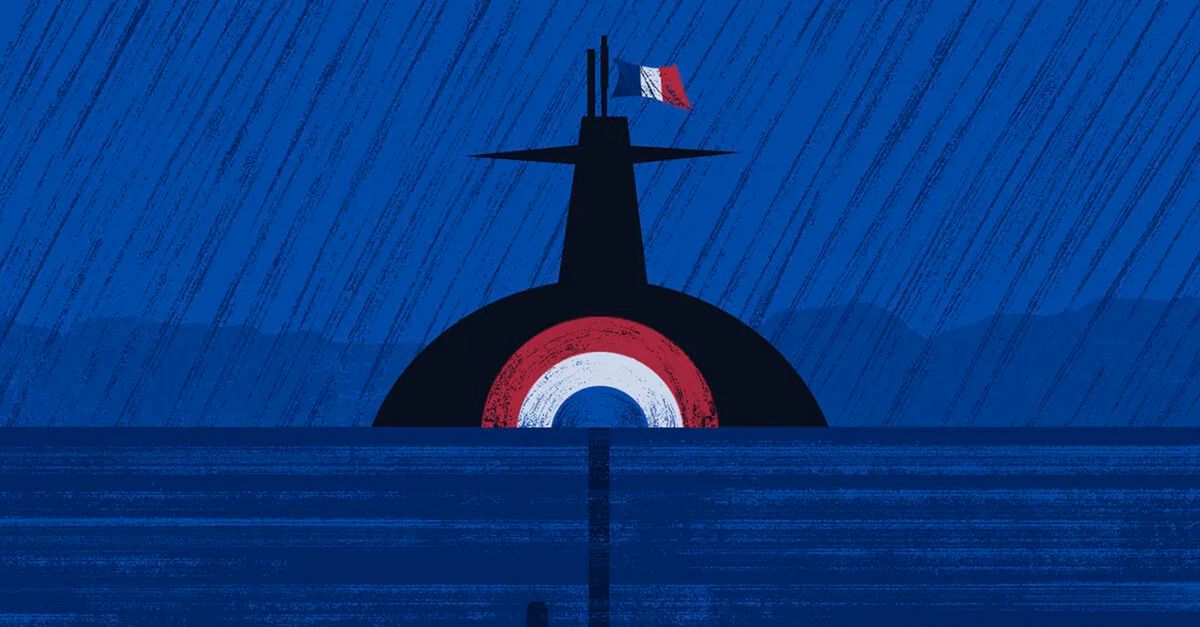
Can French swagger keep Europe safe? A growing number of European governments seem anxious to find out. This is a lonely world, stalked by great-power bullies. France has something that continental neighbours lack: a small but potent nuclear arsenal. Its air- and submarine-launched missiles are distinct in one more way.
Thanks to decisions taken decades ago by President Charles de Gaulle, the embodiment of Gallic haughtiness from his cavalry boots to his aquiline nose, France’s nukes are wholly independent. Though France is a member of NATO, its home-grown arsenal is firmly under national control. Europe’s other nuclear power, Britain, relies on American technology for its submarine-launched nuclear missiles. Launch authority rests with Britain’s prime minister, but the missiles are assigned to NATO. Alliance planners can count on British missiles as a complement to America’s vast arsenal, like an extra rib to America’s nuclear umbrella.
De redactie van NRC selecteert de beste artikelen uit The Economist voor een breder perspectief op internationale politiek en economie.
De Gaulle sniffed privately that Britain had sold its birthright and become a vassal to the Yanks. As for America’s offer to protect Europe from Soviet attack, he asked John F. Kennedy: why should the world believe that America would sacrifice New York for Paris? De Gaulle was no starry-eyed European. While paying lip-service to European unity, he wanted France firmly in charge, like a cockerel crowing on a dunghill, as one of his ministers put it.