Most longevity capital attempts to answer the same question: how do we extend life? The more consequential question remains unasked: what will people do with the extra time they have? The numbers reflect this problem. In 2024, global investment in the sector reached $8.5 bn, with a primary focus on the biology of ageing: cellular reprogramming, drug discovery, diagnostics, biohacking. However, this is just the tip of the iceberg; the industry’s fundamental problem is that its focus is too narrow, both in aging societies and in younger economies like India.
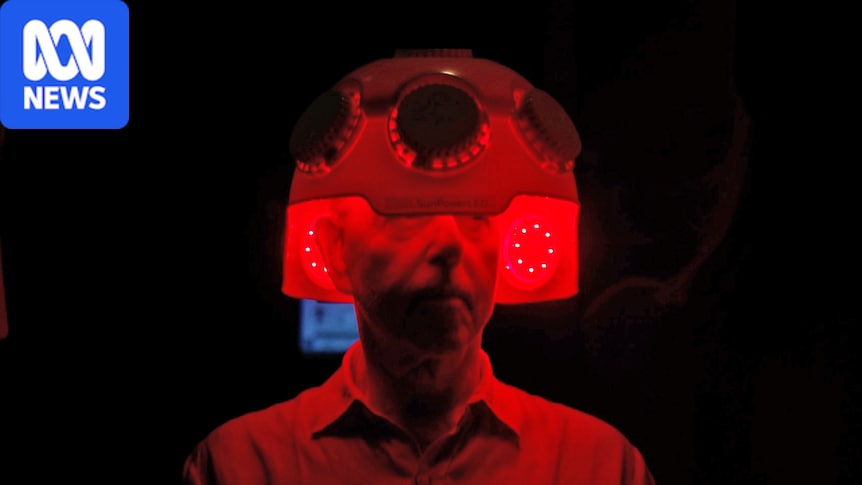
This is a design failure that impacts individuals, healthcare systems and society at large, especially as countries age. The Silver Generation, those aged 50 and above who are willing and able to work, is a unique market worth investing in. Rather than only focusing on anxieties about living longer, another investment avenue exists in building products and services that support individuals in this crucial phase of their lives.Biohacking has captured cultural imagination as the primary vehicle for longevity, and is framed as an elite endeavour. The recent boom in wellness clubs, hyperbaric oxygen chambers, competition over smoothies, and ice baths has come to be equated with living longer and better, without thinking about how this plays out in culture and society at scale.