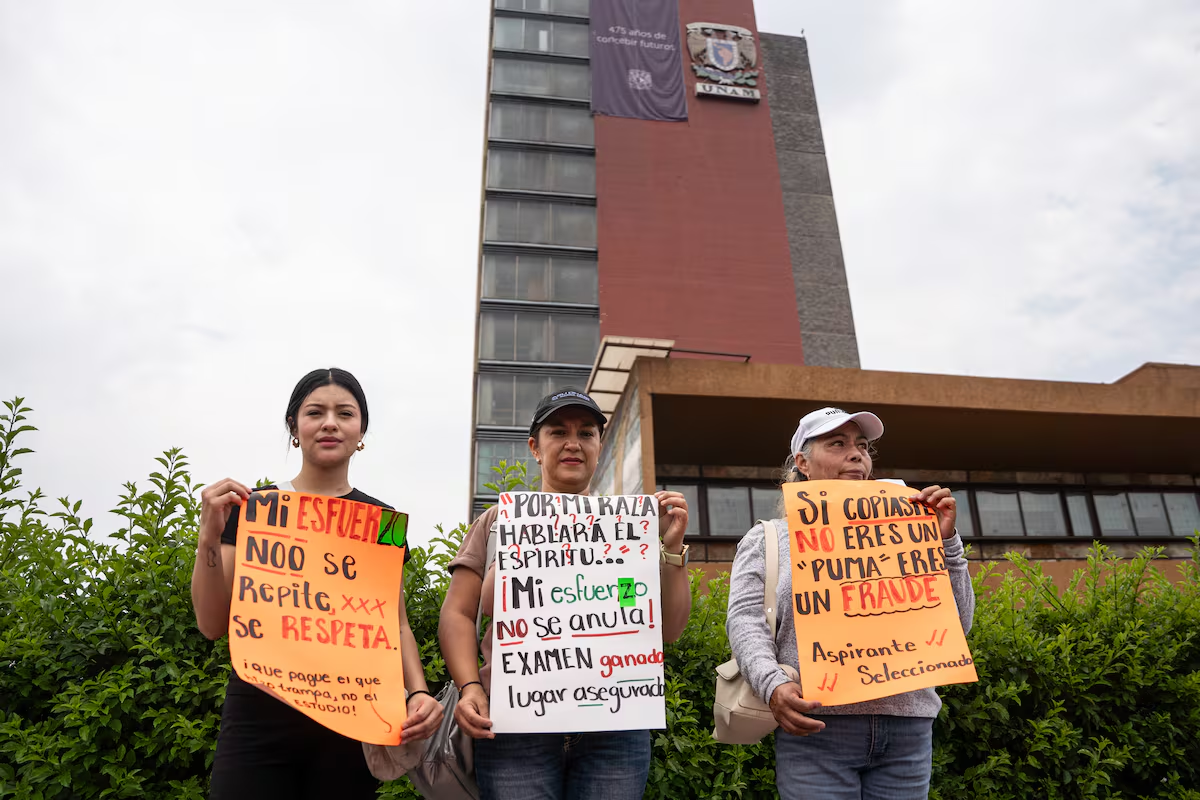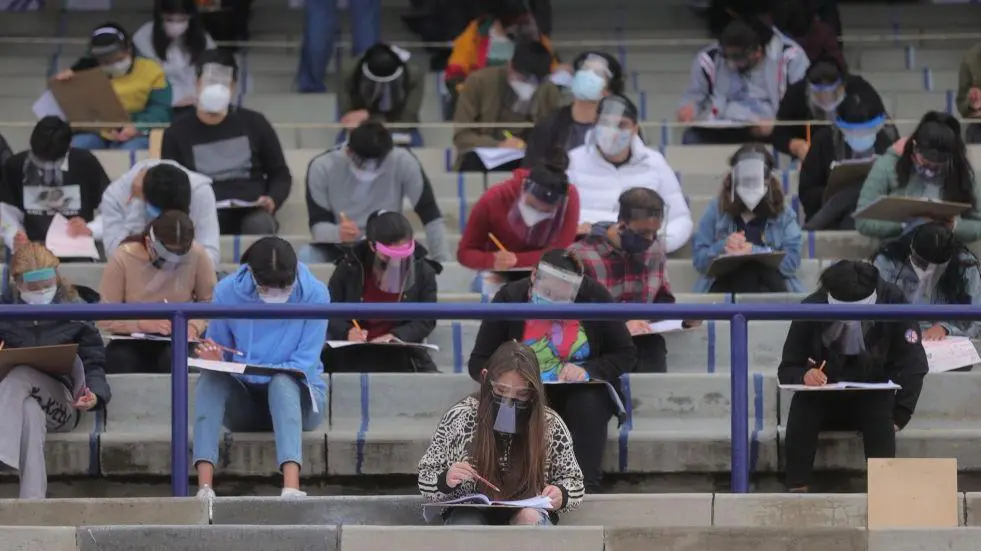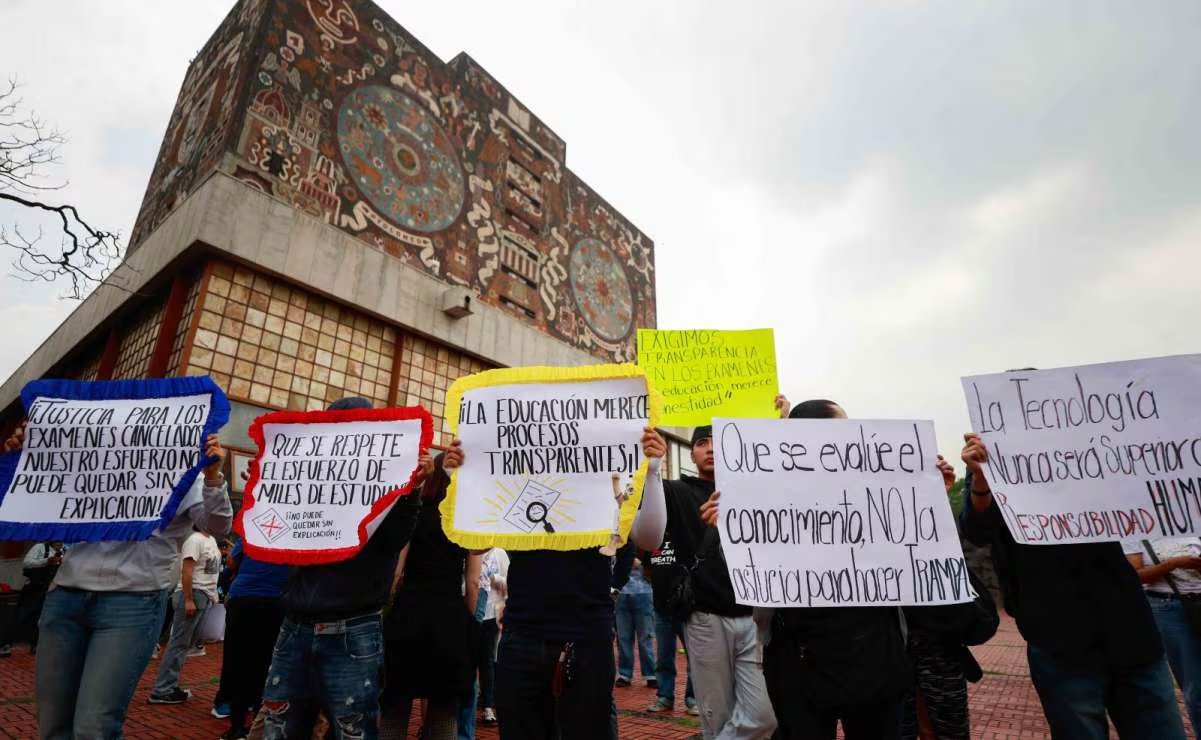
When nearly 160,000 students sat down to take UNAM’s entrance exam this summer, they did something no previous class had done: they took it entirely from home. AI-powered webcam proctoring, a lockdown browser, facial recognition. The whole nine yards of digital surveillance.
The results were, to put it gently, implausible.
In UNAM’s Medicine program, one of the most competitive undergraduate tracks in Latin America, 29.3% of candidates scored 100 or higher out of 120. The year before, that figure was 9%. That’s not grade inflation. That’s a statistical earthquake, and it has forced the university to summon roughly 58,000 applicants back for control exams while a commission of 16 experts investigates what went wrong.
What happened at UNAM
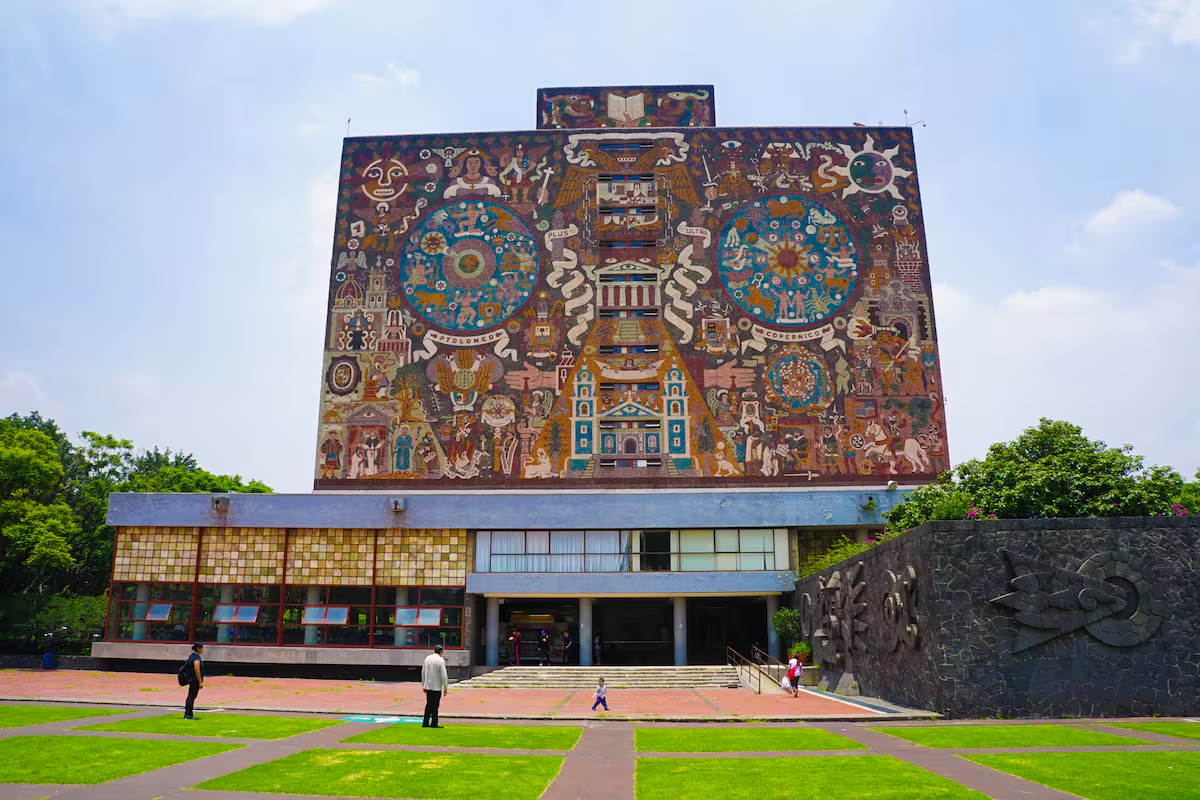
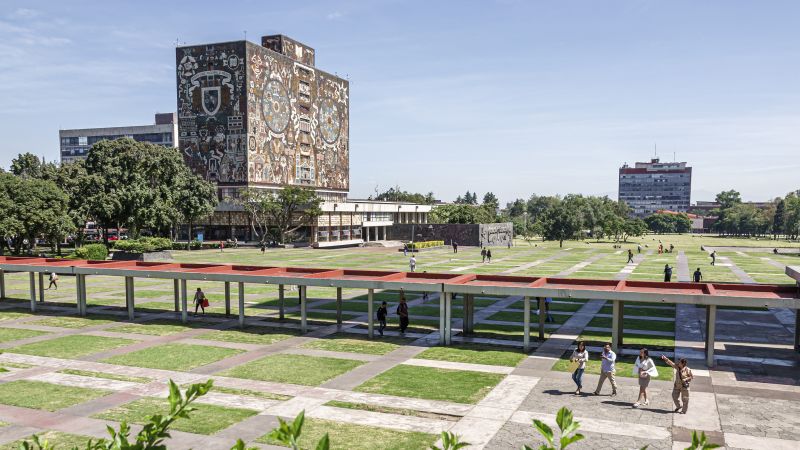
UNAM, formally the National Autonomous University of Mexico, is Latin America’s largest public university with over 373,000 students. Its entrance exam, the Concurso de Selección, is legendarily competitive. Admission rates in popular fields like Medicine historically hover around 1.5%.