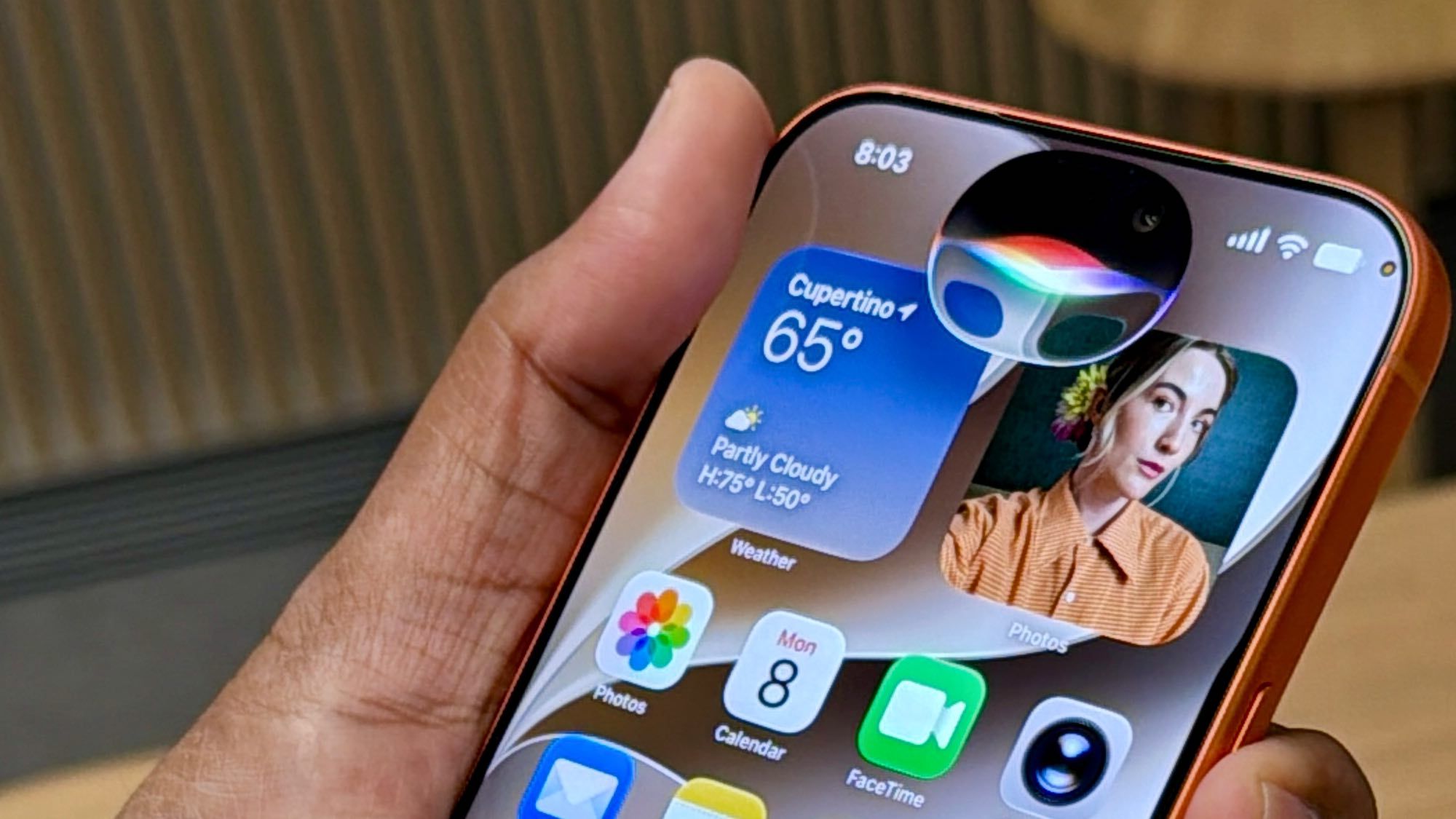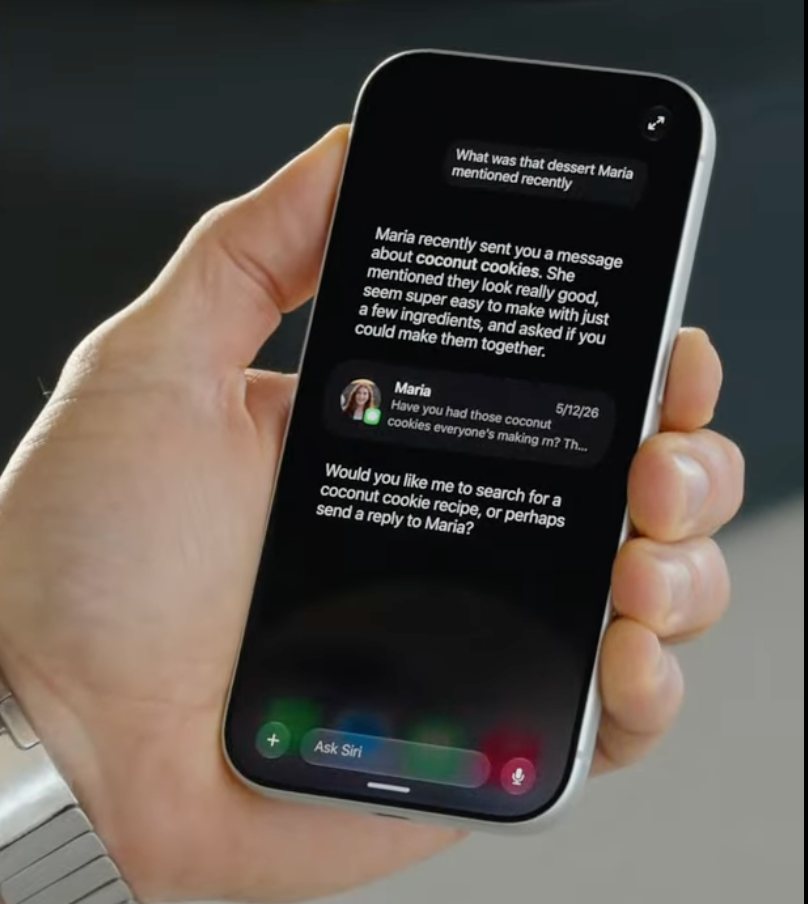
After rounds of delays, Siri AI arrived in the consumer beta build of iOS 27, launched in July. The AI assistant now does what Apple promised: it understands your personal context, taps into broad world knowledge to answer your questions, and surfaces relevant information stored on your iPhone.
And yet, the arrival feels somewhat anticlimatic. Apple finally has a functional — actually, a fairly impressive — AI assistant, but it’s arrived past the time where such a launch feels novel and exciting.
If anything, the AI race has surged ahead in the months and years Apple has dawdled on AI. Today, AI tools are coding and building software, AI agents are completing multi-step tasks, and AI is working alongside you, using your computer, reasoning, thinking, remembering, creating media, and more. Being a functional chatbot or AI helper isn’t the breakthrough that it once would have been.
That is not to say Apple’s Siri AI isn’t valuable or useful. With Siri AI’s launch, Apple delivered on its promises and then some.
You can now have natural, back-and-forth conversations with Siri, which has settings that let you tweak the expressivity and pacing of its voice responses. You can also type to the assistant, if you choose, or use it via a dedicated app for the first time, referencing past conversations.