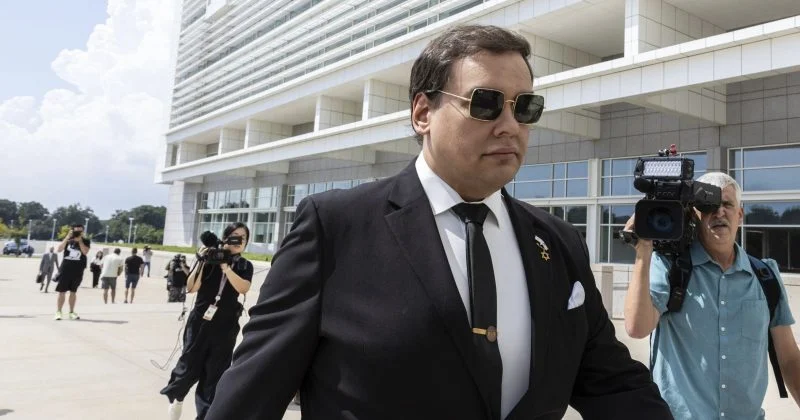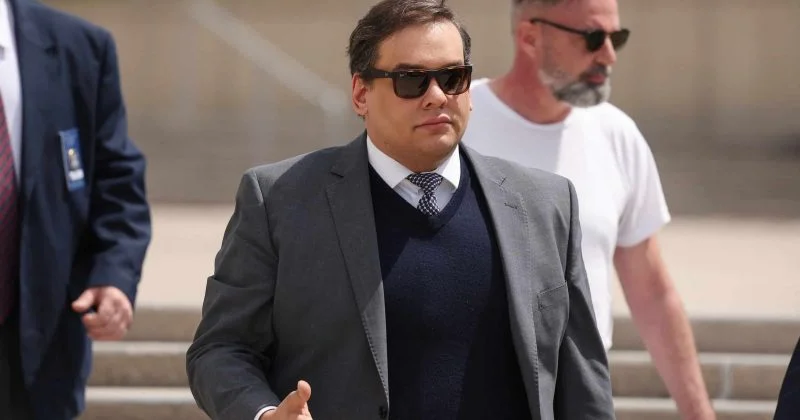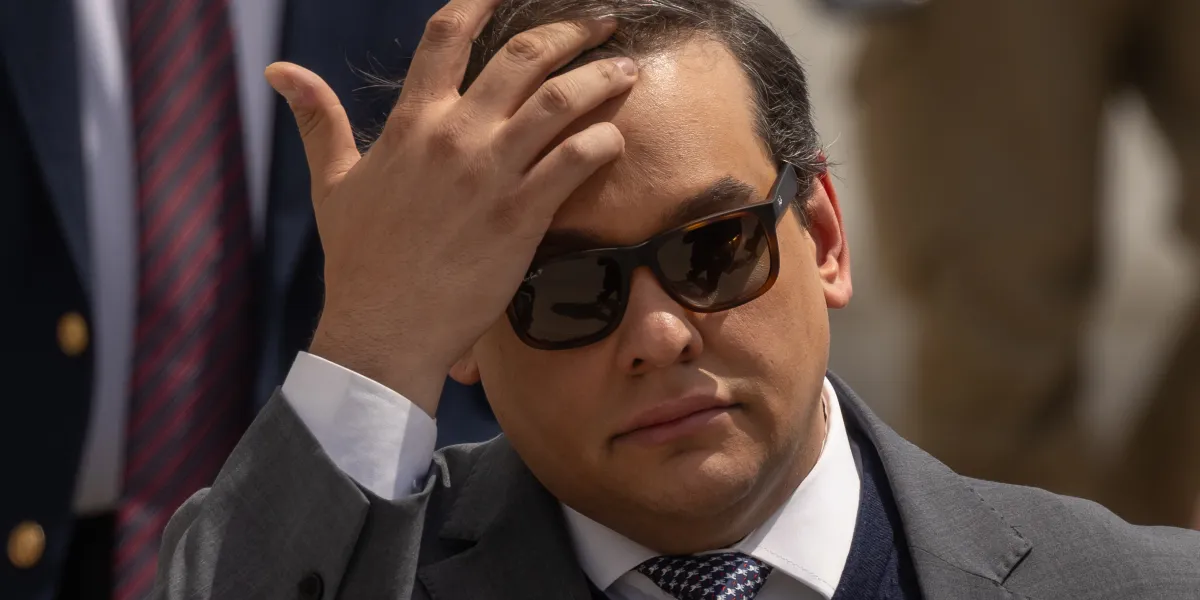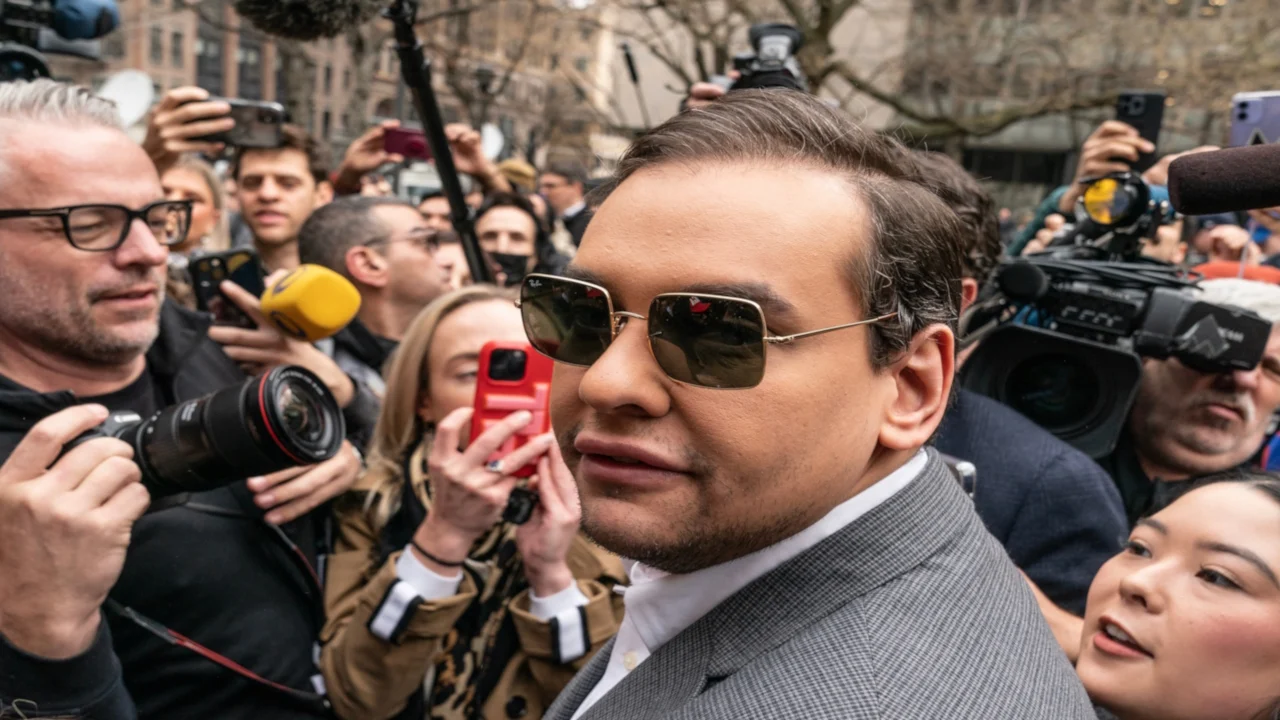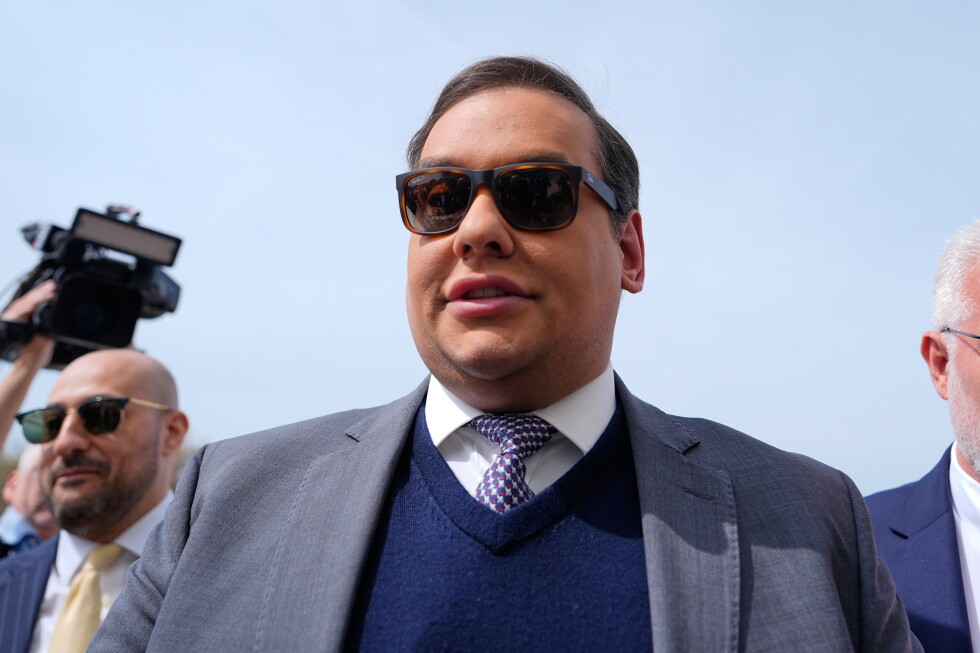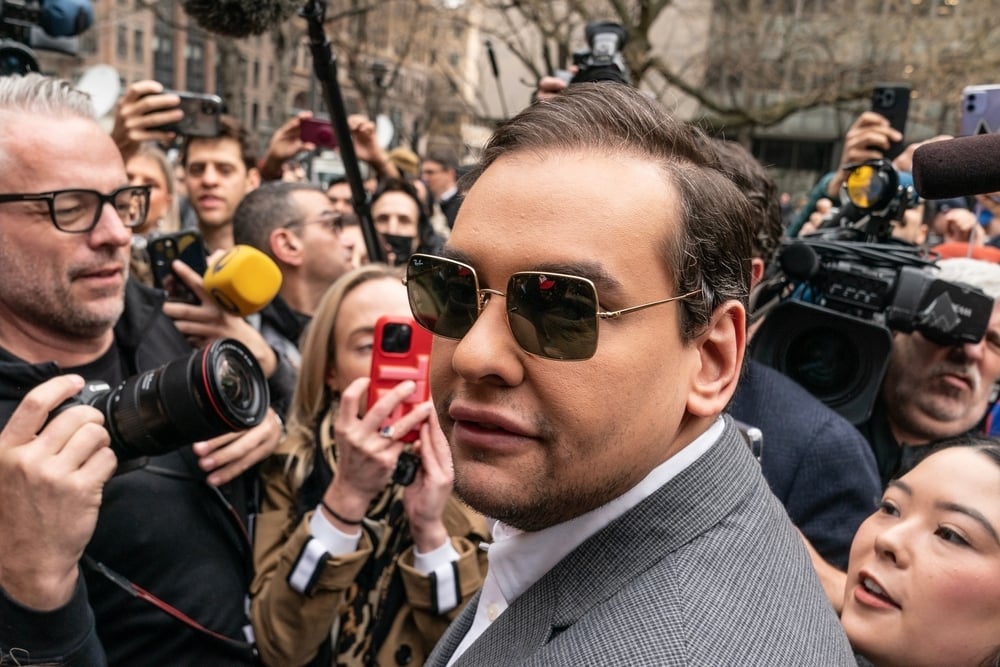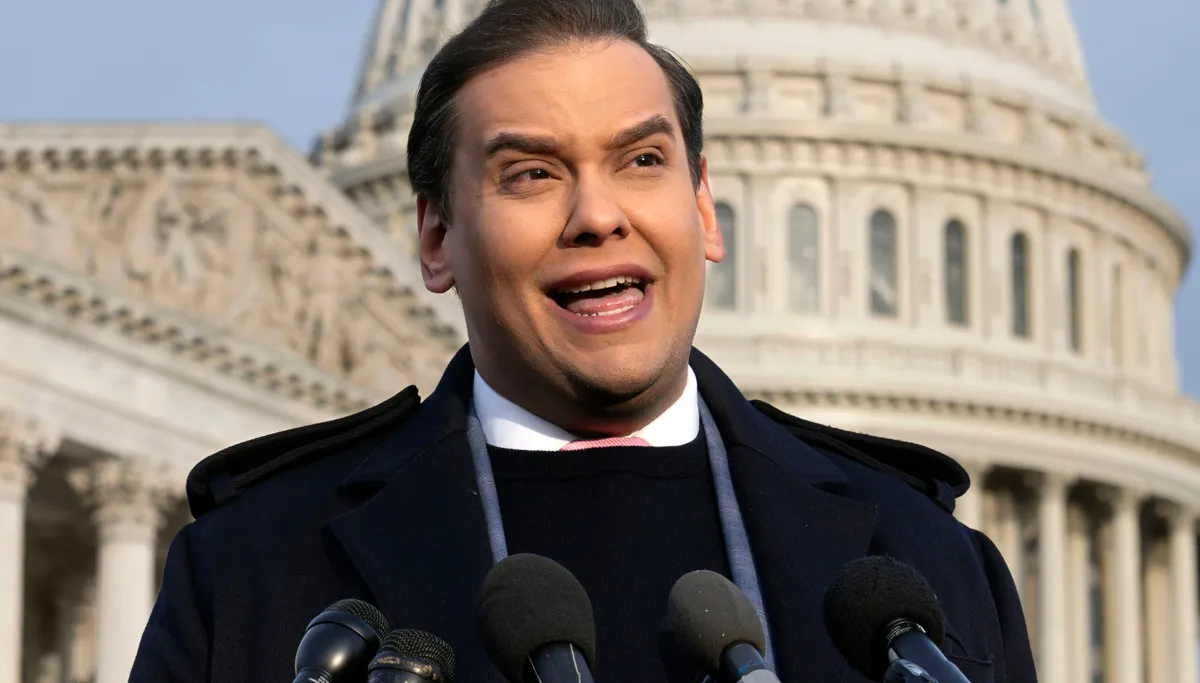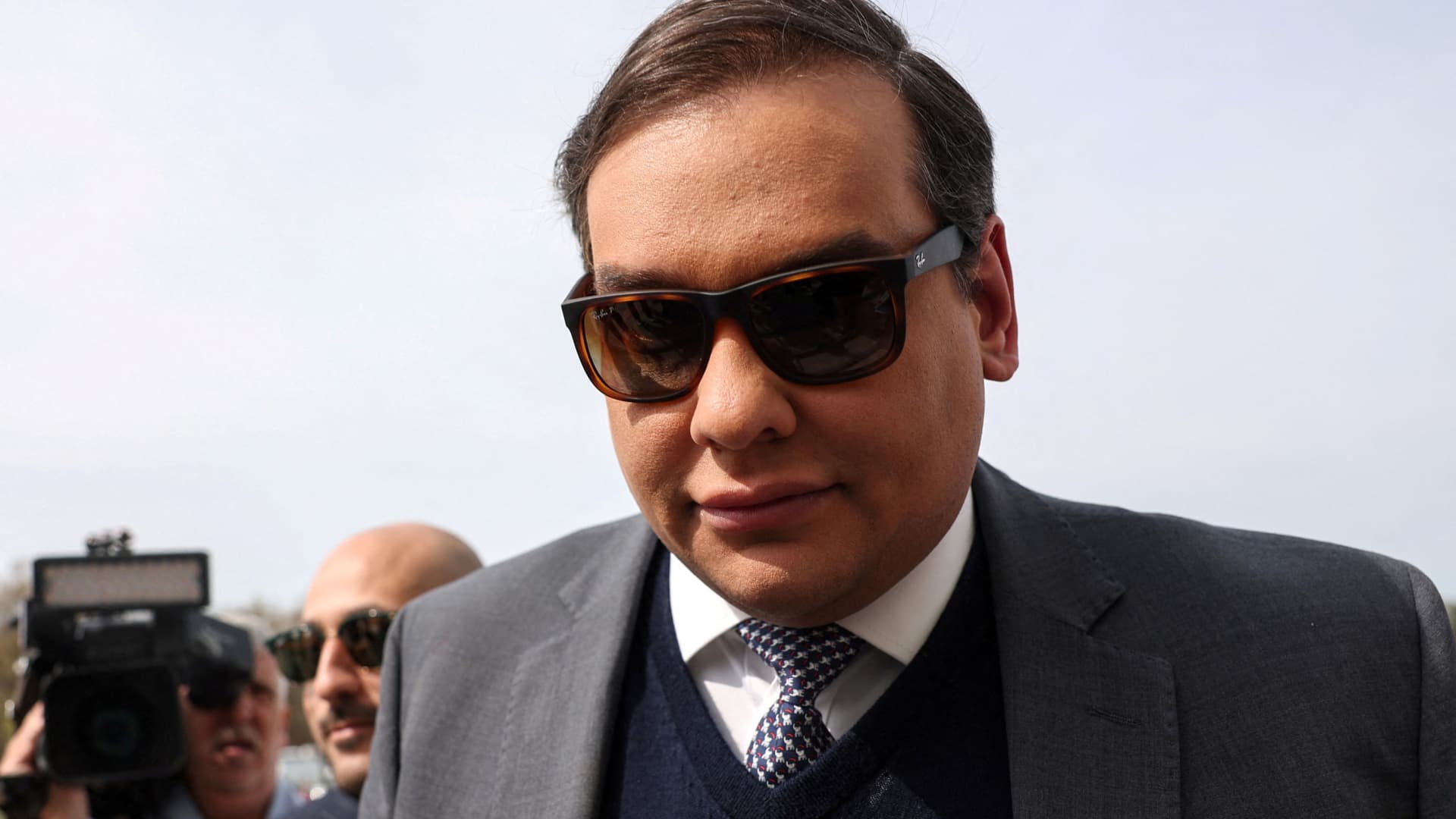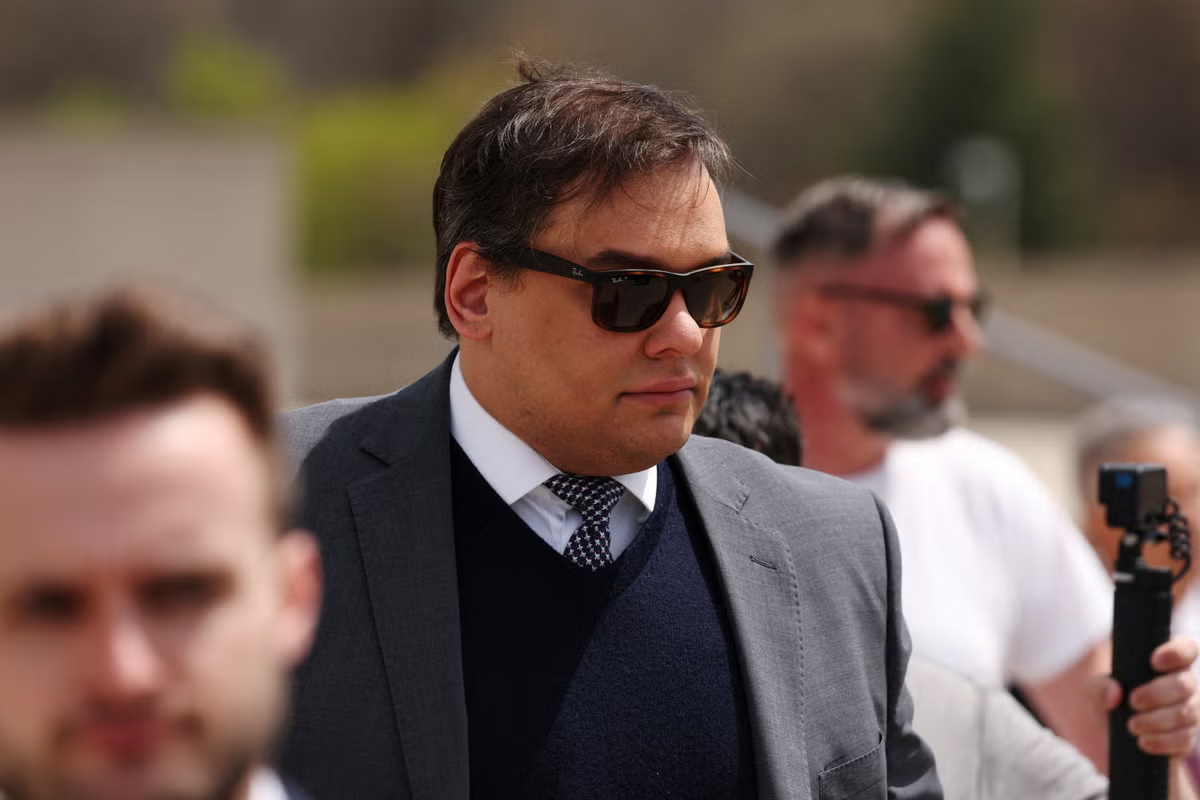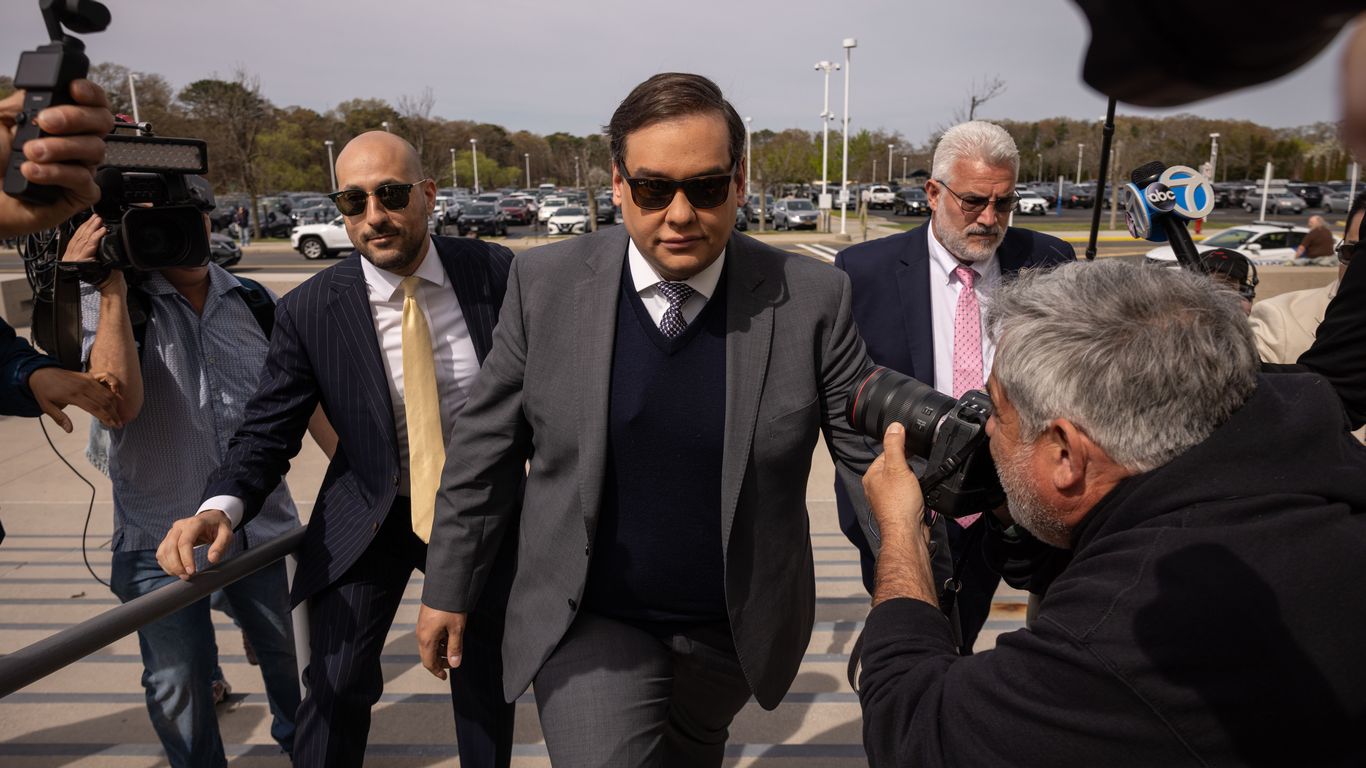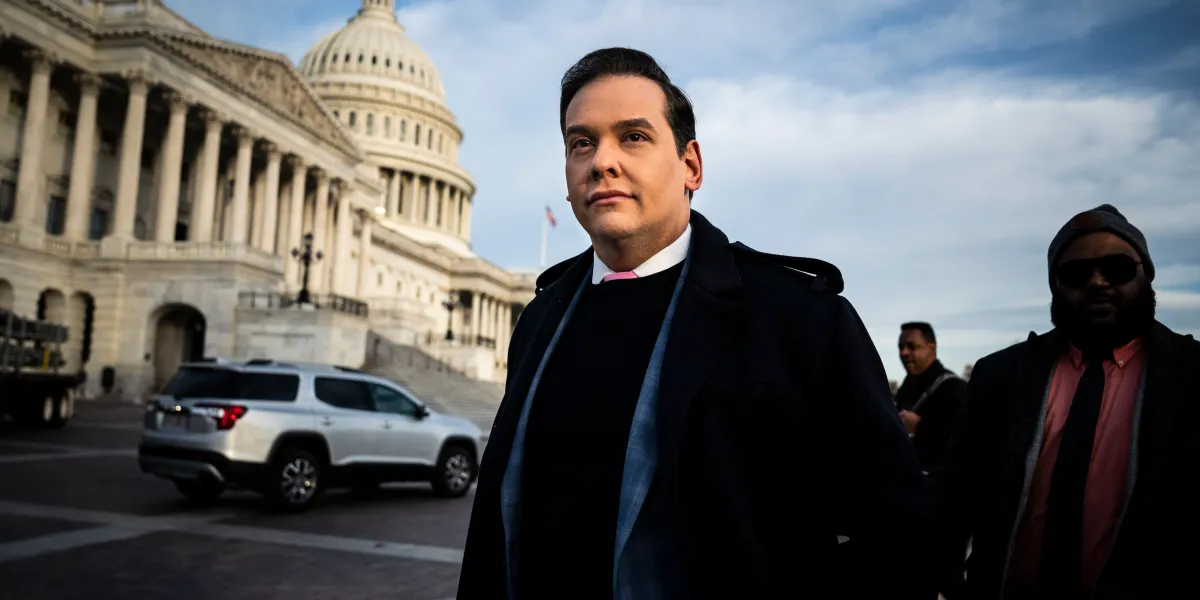
George Santos, the former lawmaker convicted of fraud, got in fresh trouble following his release from prison by making illegal bets on Kalshi. Then, hours after the Commodity Futures Trading Commission ordered the former U.S. representative to pay $35,000 for manipulative trading, Santos fired off a social media broadside, vowing to shut down the prediction market platform, and accused it of hiding behind a “protection veil” of contract swaps to dodge gambling regulation.
In response, Kalshi CEO Tarek Mansour shot back on X by saying the platform should be judged by its enemies: casinos, insider traders, and, now, Santos himself.
— Tarek Mansour (@mansourtarek_) August 3, 2026
The dust-up came after it transpired that Santos, who received a pardon last year from President Trump, bet on a Kalshi contract that let users wager on whether he would show up for the State of the Union. Like other prediction markets, Kalshi lets users trade binary contracts on whether specific events will happen, paying out if they guess the right outcome. The platform, though, bars people from profiting from insider information—as was the case with Santos betting on whether he would attend the speech.
As prediction markets have grown, so have fears that they can be exploited by people with inside information or direct control over the events being traded. Regulators have already scrutinized bets on sensitive geopolitical and political outcomes and opened cases against insiders accused of cashing in on their access.