in Music | August 3rd, 2026 Leave a Comment
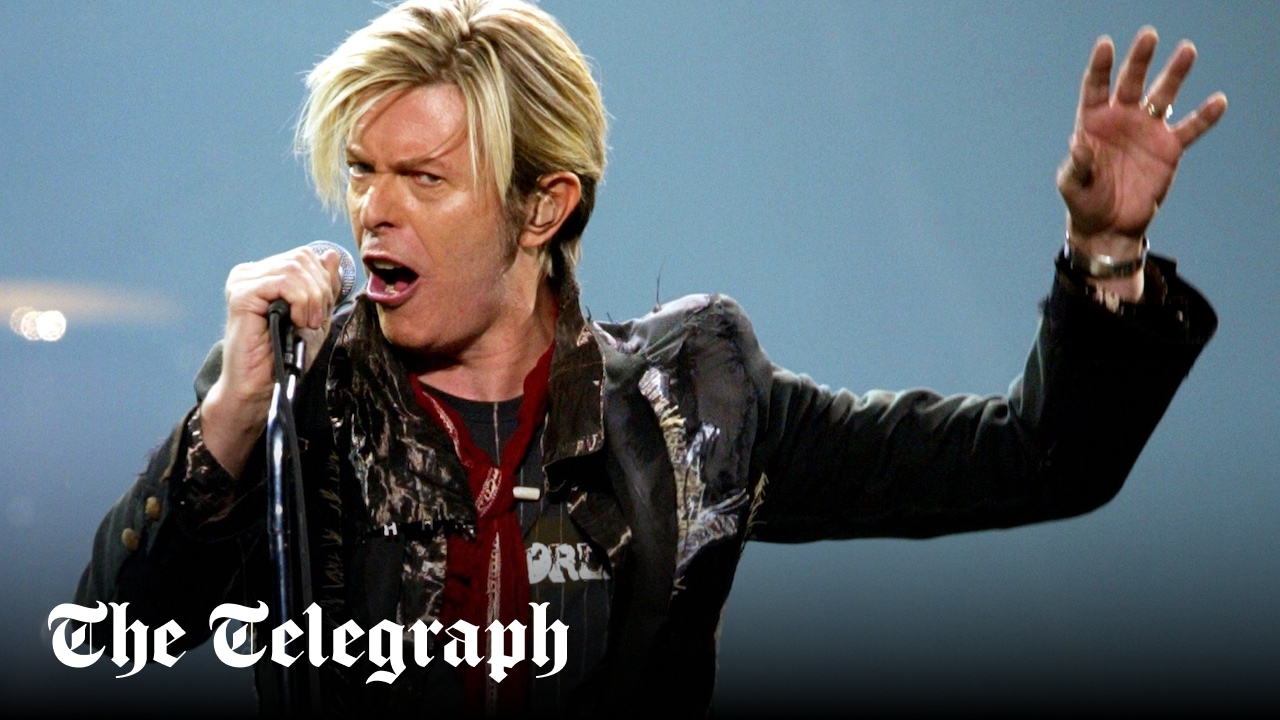
It’s common to feel like we know our artists, writers, musicians, actors… we want so badly to touch their lives in some way, as their lives touch ours. This overwhelming desire is responsible for a huge market share of our mass media, from the most tasteless tabloid hit jobs to the most respectful longform essays. Since David Bowie’s passing, we’ve seen no shortage of the latter, and thankfully little of the former.
Vulture has collected some of the best of these online tribute articles and obituaries, and one in particular—Judy Berman’s “We Always Knew Who David Bowie Really Was”—has resonated with me. Berman cuts through “all the clichés about how he was a chameleon or a shape-shifter or opaque or unknowable” and shows some of the ways Bowie made himself intimately available in his work.
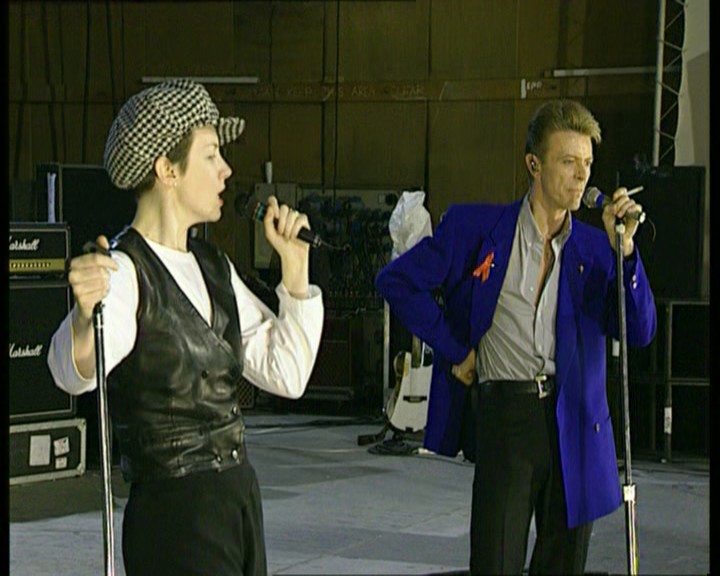
Bowie’s self-revelation by way of theatrics and costume changes resembles the less intellectual, more emotional, vulnerability of his friend and collaborator Freddie Mercury. Just as musicians around the world celebrate, and mourn, Bowie now, he performed a similar service for Mercury 34 years ago at London’s Wembley Stadium for an audience of 72,000 people, along with the remaining members of Queen and a full roster of superstars. Bowie did four songs in total, but the most poignant was certainly “Under Pressure,” which he’d composed with Mercury 11 years earlier. The song became, of course, a massive hit (twice over, thanks to Vanilla Ice’s appropriation). Its wrenching lyrics also gave us yet more insight into Bowie’s personality: his fears, his sense, as Berman writes, “of how fleeting and insignificant one human life is in the grand scheme of the universe,” and his defiance in the face of that knowledge.