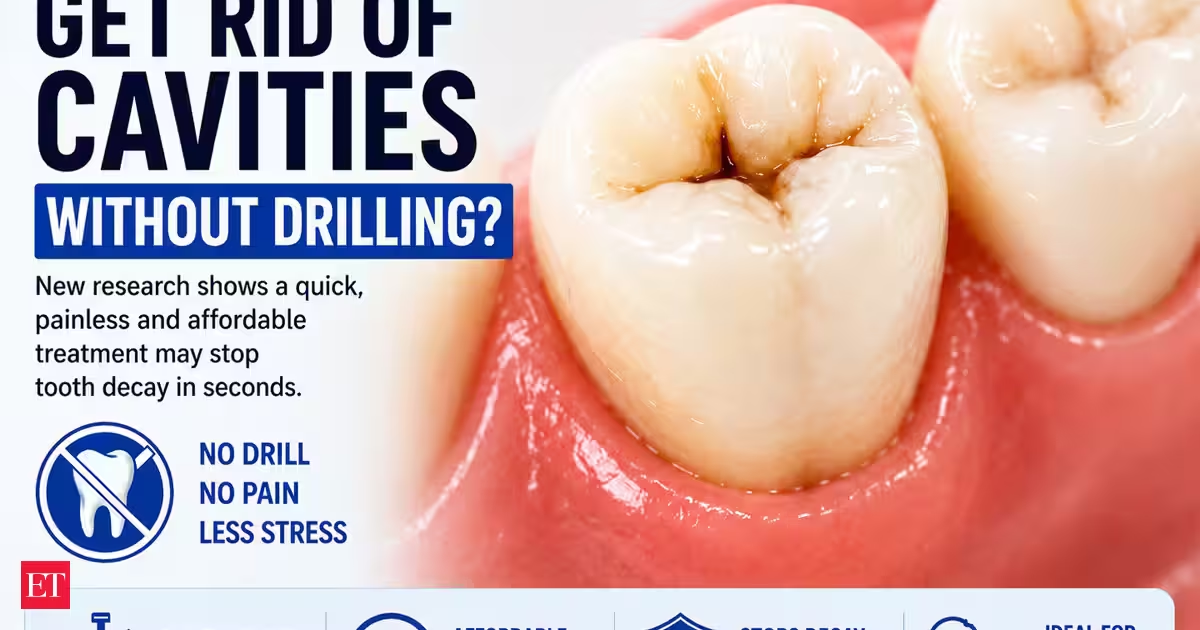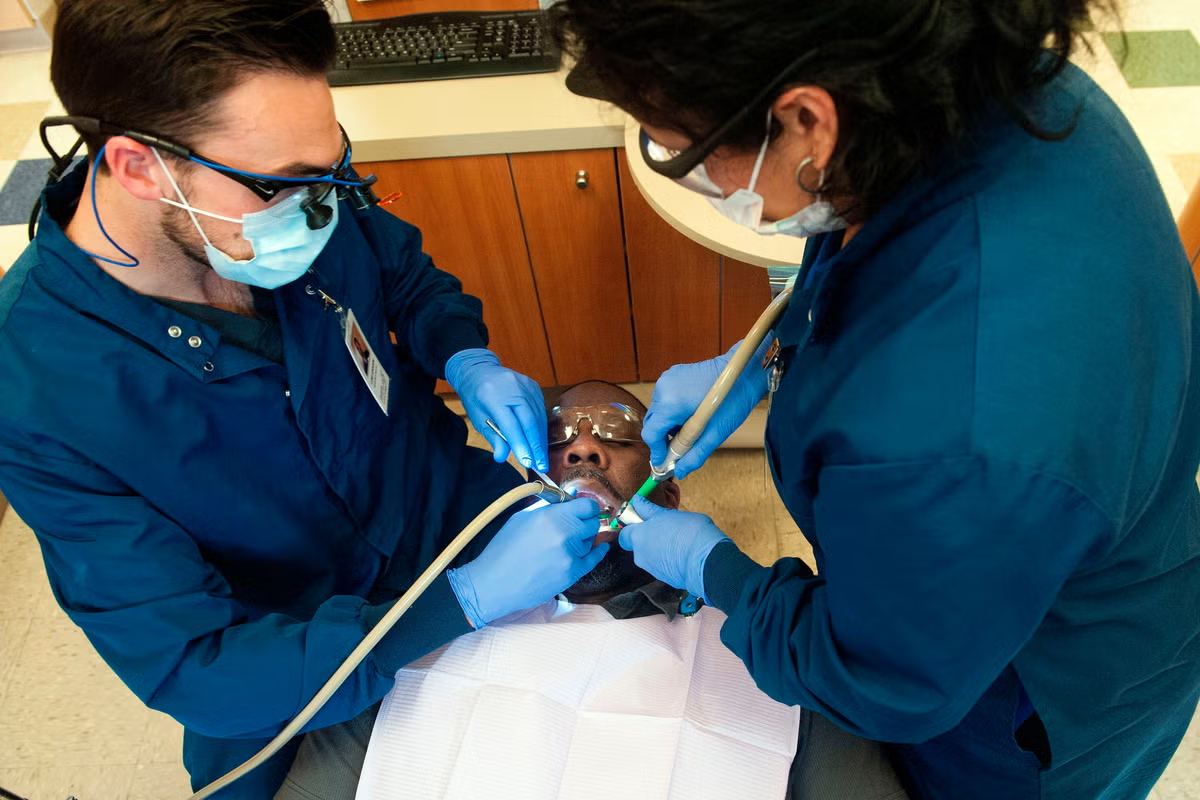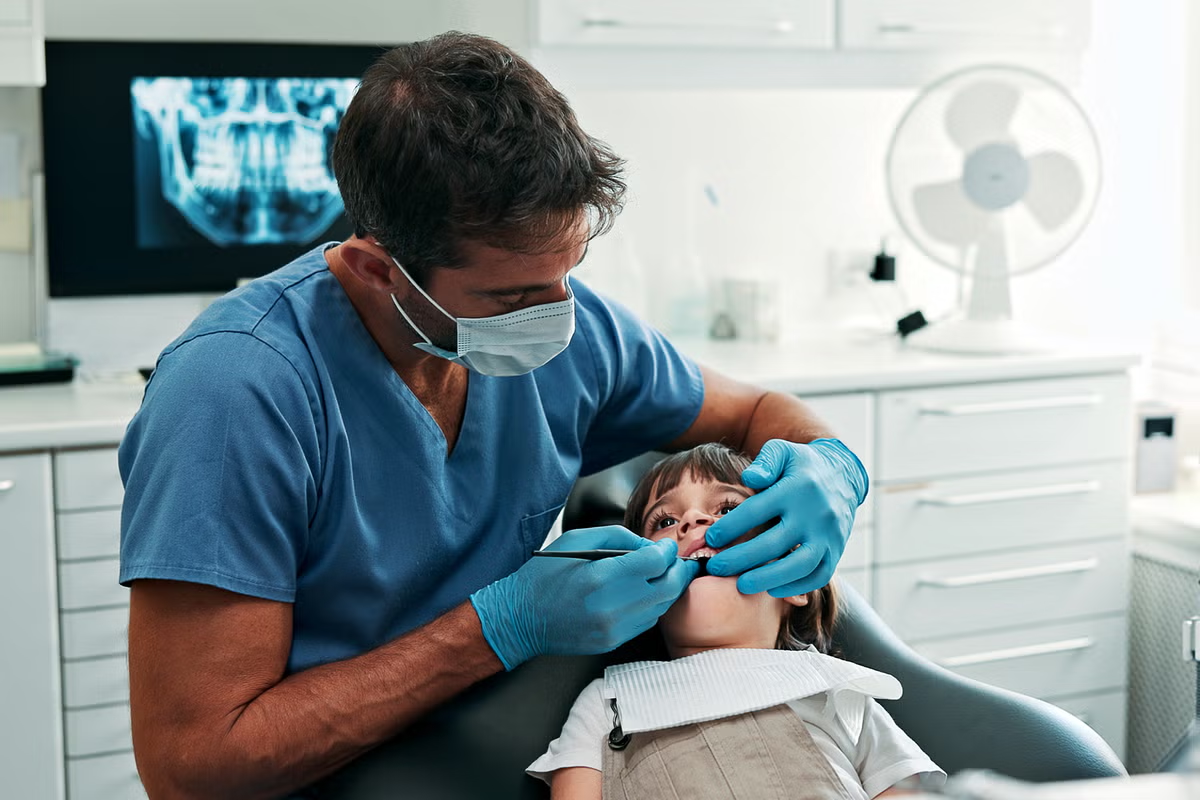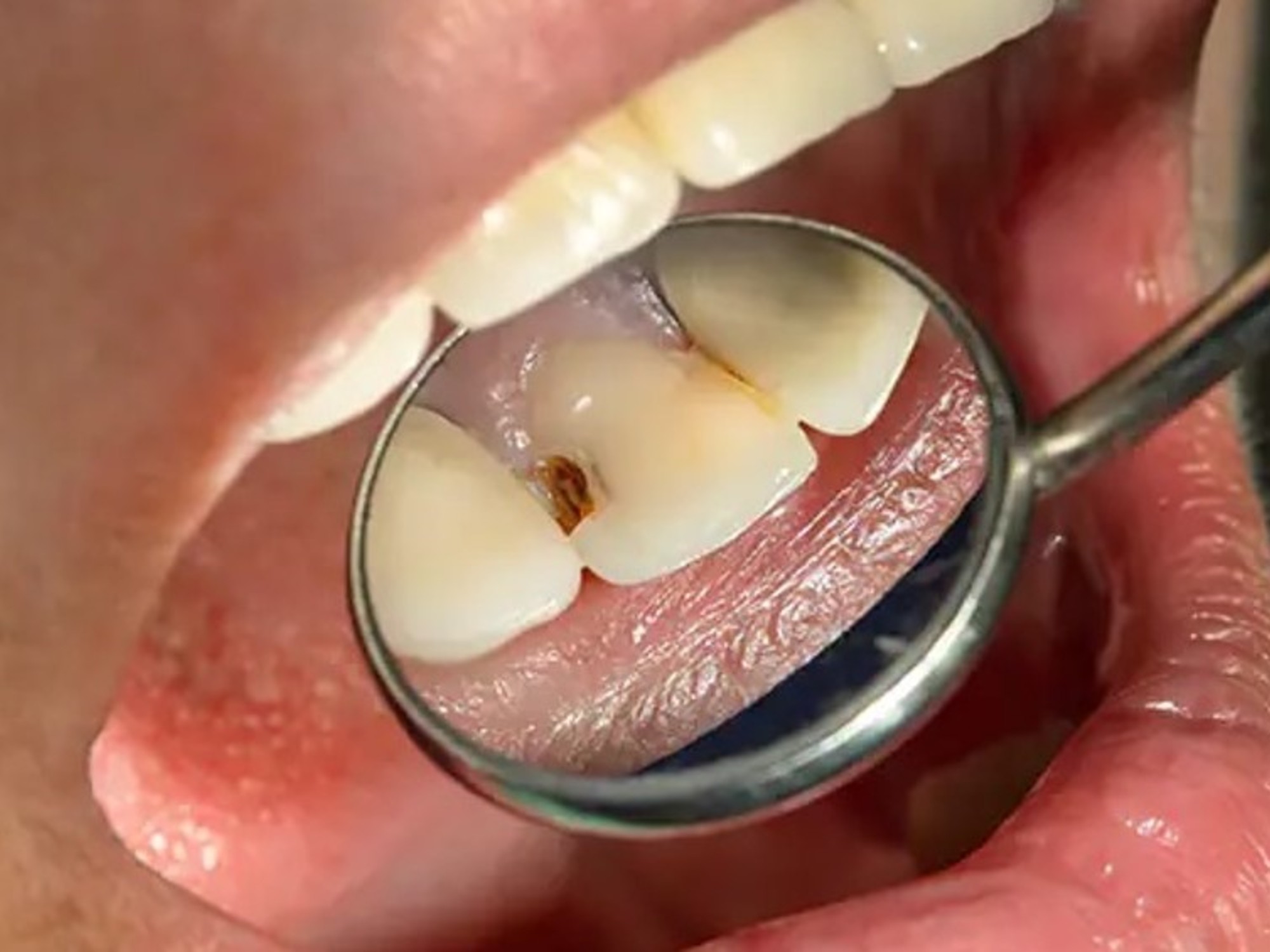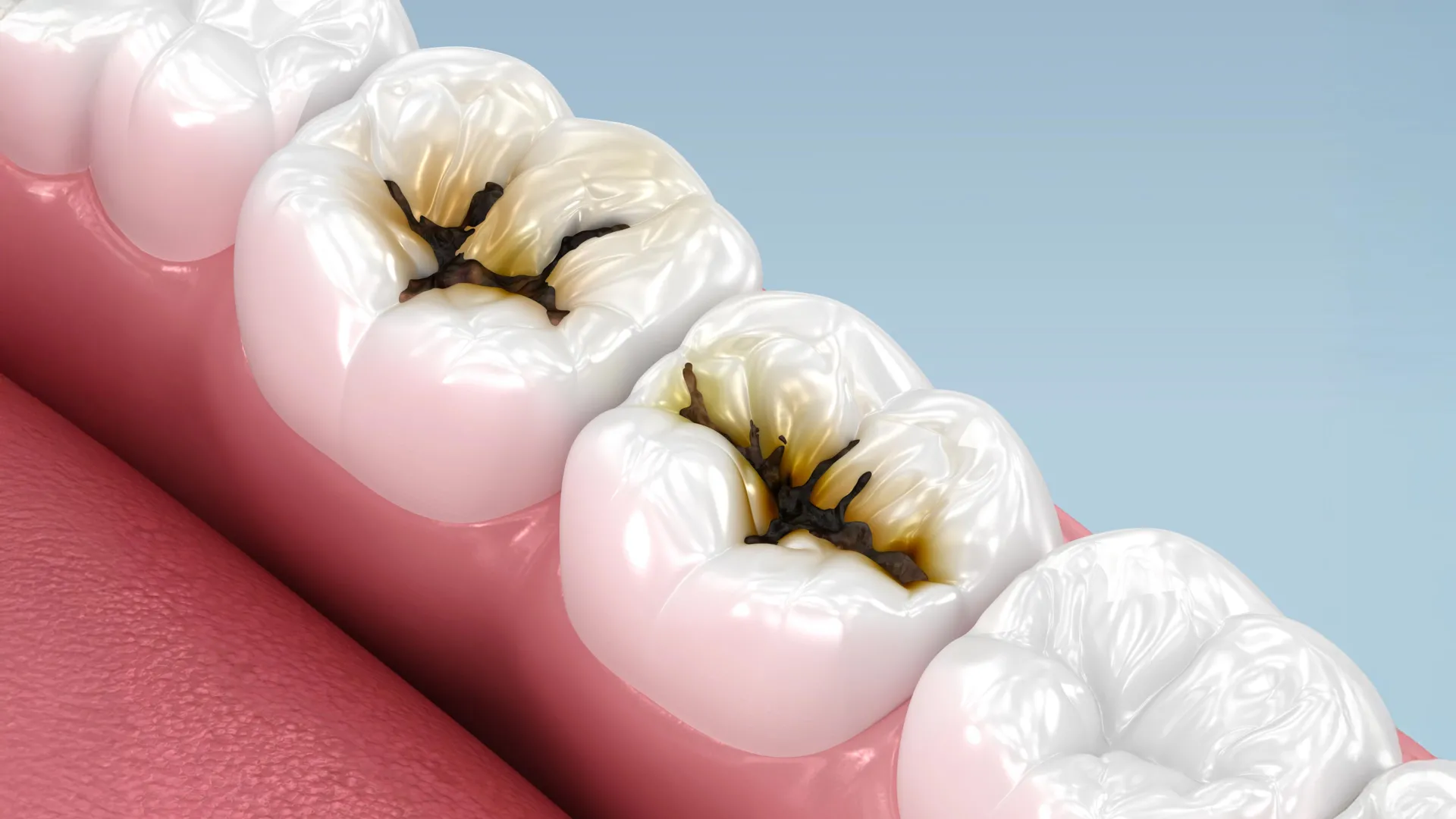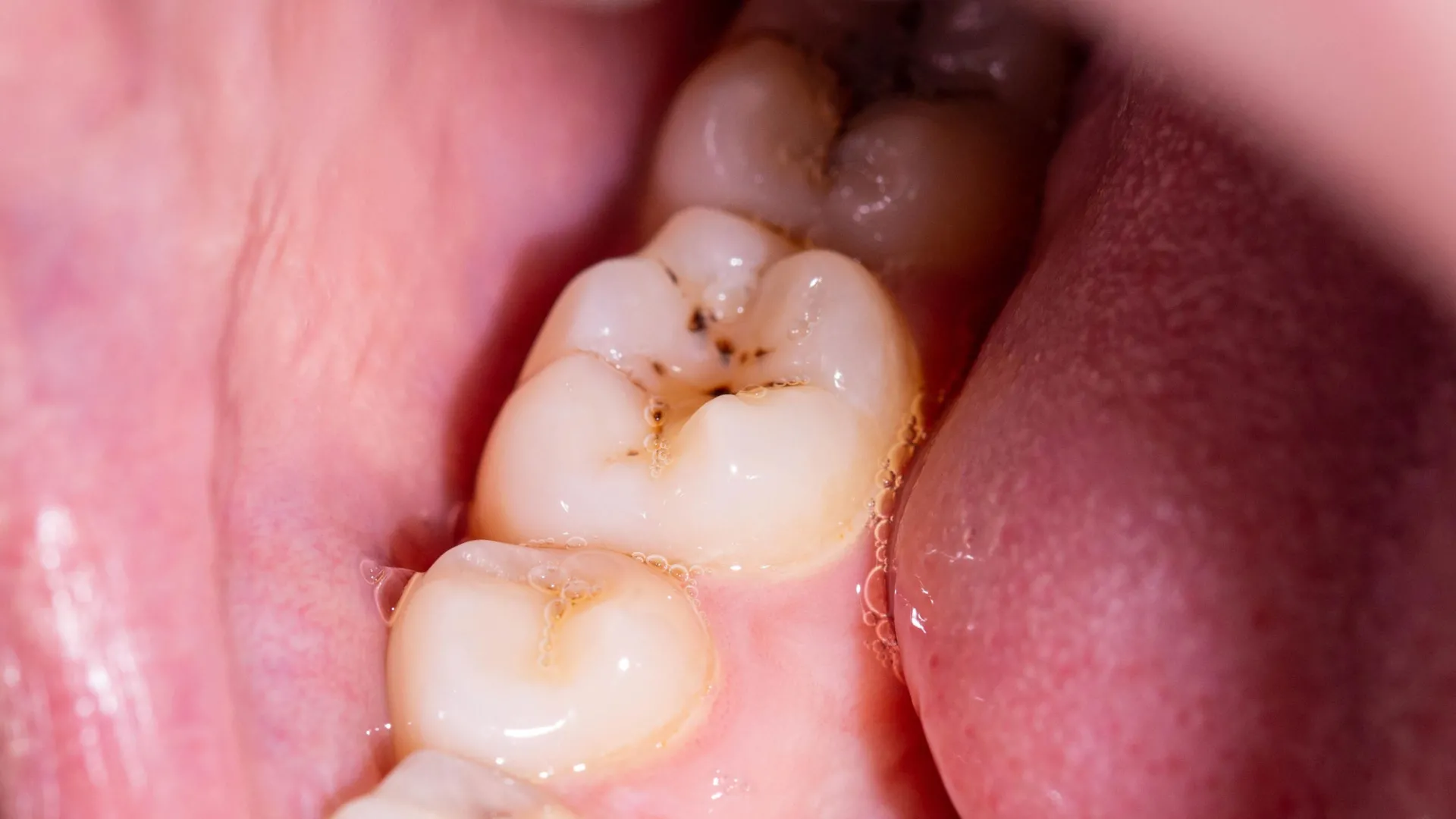
Dentists might soon have an easier option on hand to treat the dreaded cavity. Researchers at the University of Michigan conducted a large-scale Phase III trial testing out a liquid form of fluoride on children’s cavities. Compared to placebo, the treatment was significantly better at preventing further tooth decay and avoiding the need for more invasive options like fillings or surgery. The findings show that liquid fluoride can be an effective “noninvasive treatment for young high-risk children and [support] its consideration for FDA drug approval,” the researchers wrote in their paper, published in July in JAMA Pediatrics. Currently off-label Cavities (also called caries) are holes caused by bacteria that erode the protective surface of our teeth. Though people these days might be taking better care of their teeth than in the past, more than 40% of children in the U.S. still develop some level of teeth decay. Cavities are usually treated using fillings, but in more severe cases where the decay penetrates deeper and causes an infection, people will need a more invasive root canal or even a complete removal of the affected teeth.
Fluoride has long been known to help prevent cavities, which is why governments in many parts in the world add small amounts of it to their drinking water supply. It also seems to be effective at preventing, or arresting, the further progression of existing cavities. Many countries have approved certain fluoride-based treatments, such as silver diamine fluoride (SDF), to prevent worsening cavities. Notably, however, this list doesn’t include the U.S.