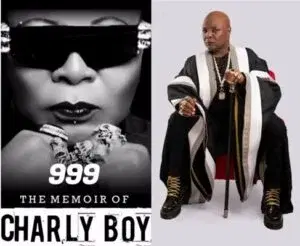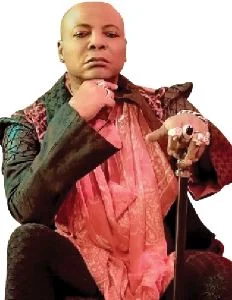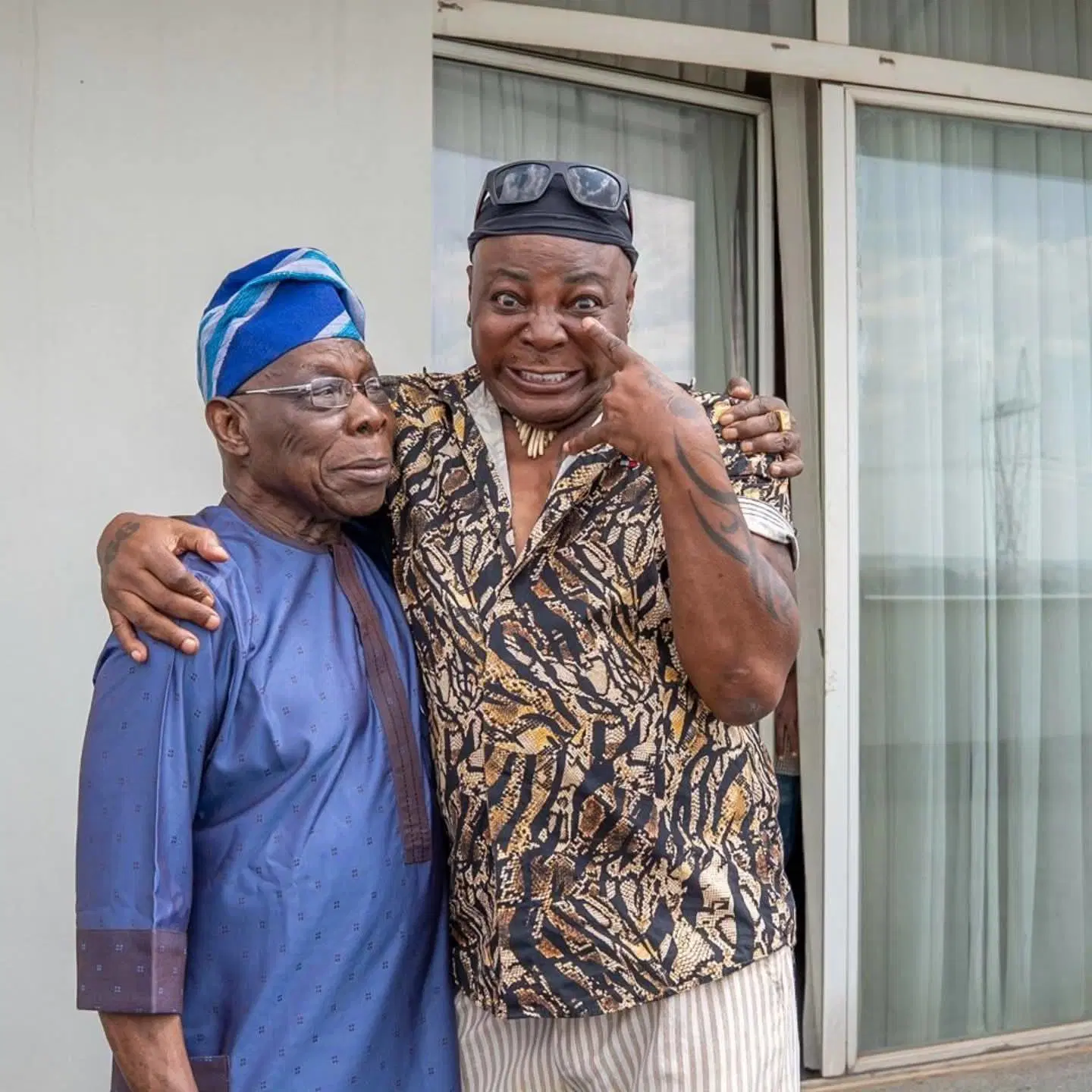
Few figures in Nigeria’s cultural landscape embody rebellion, wit, and social conscience as vividly as Charles Oputa, popularly known as Charly Boy.
For decades, he has occupied a peculiar yet fascinating space between performance and protest, fusing music, media, and activism into a life that has constantly defied convention.
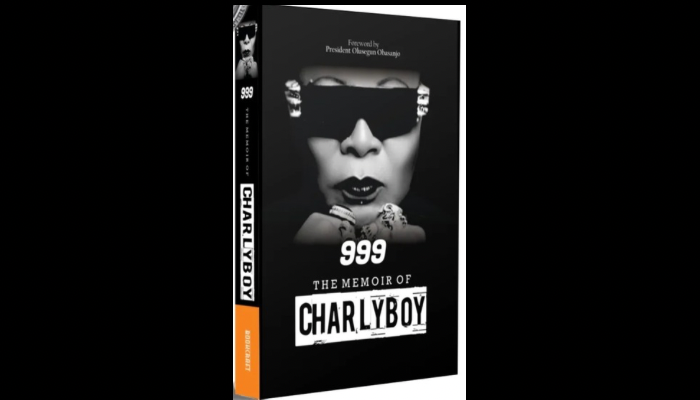
In his memoir, 999, Oputa invites readers beyond the flamboyant persona into the intimate terrain of struggle, identity, resilience, and self-invention. Some may view the book as the story of a controversial celebrity, but it is also the testimony of a man who repeatedly and unapologetically chose to live on his own terms in a society often resistant to difference.
Charly Boy’s memoir is not a conventional literary autobiography; it is a sprawling act of self-exposure. What gives the memoir its power is the writer’s willingness to reveal himself without filters, but that same openness may unsettle some sensitive readers.
The memoir arrives with the same energy that made Charly Boy one of Nigeria’s most polarising cultural figures. By his own description, the book is “not an autobiography” but “a battleground”: a mix of confession, rebellion, activism, family trauma, health struggles, and social commentary.