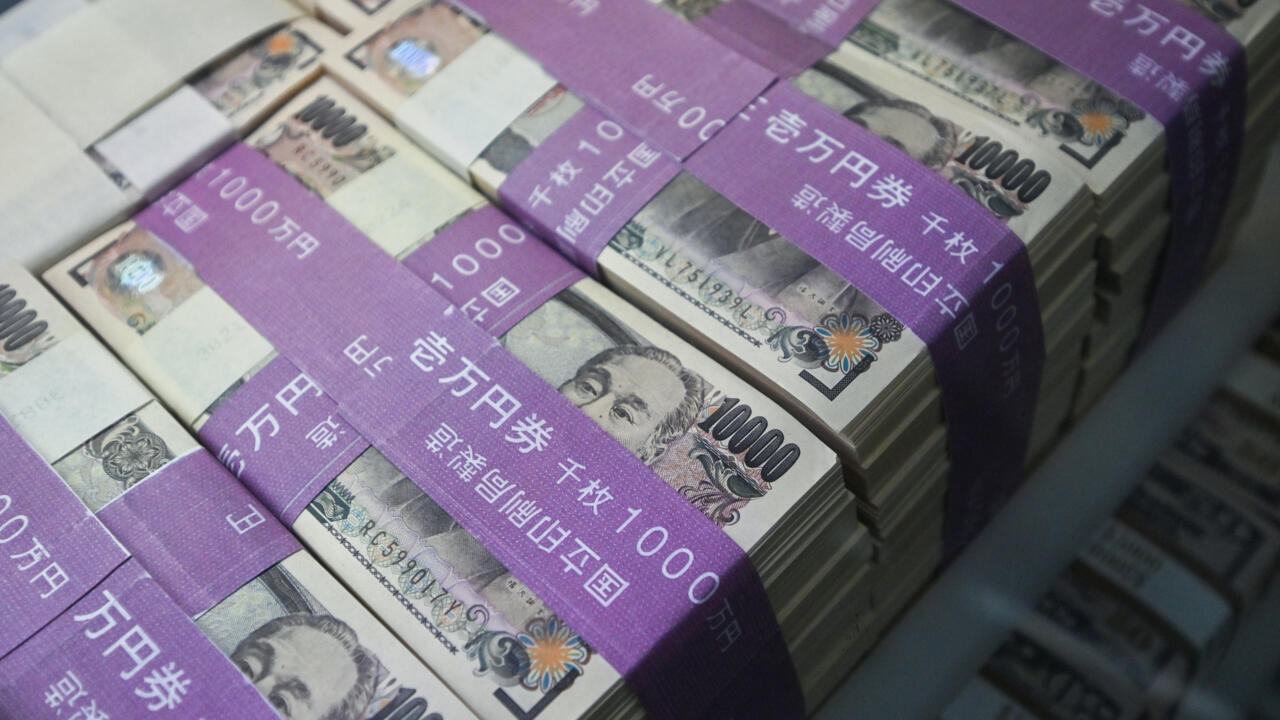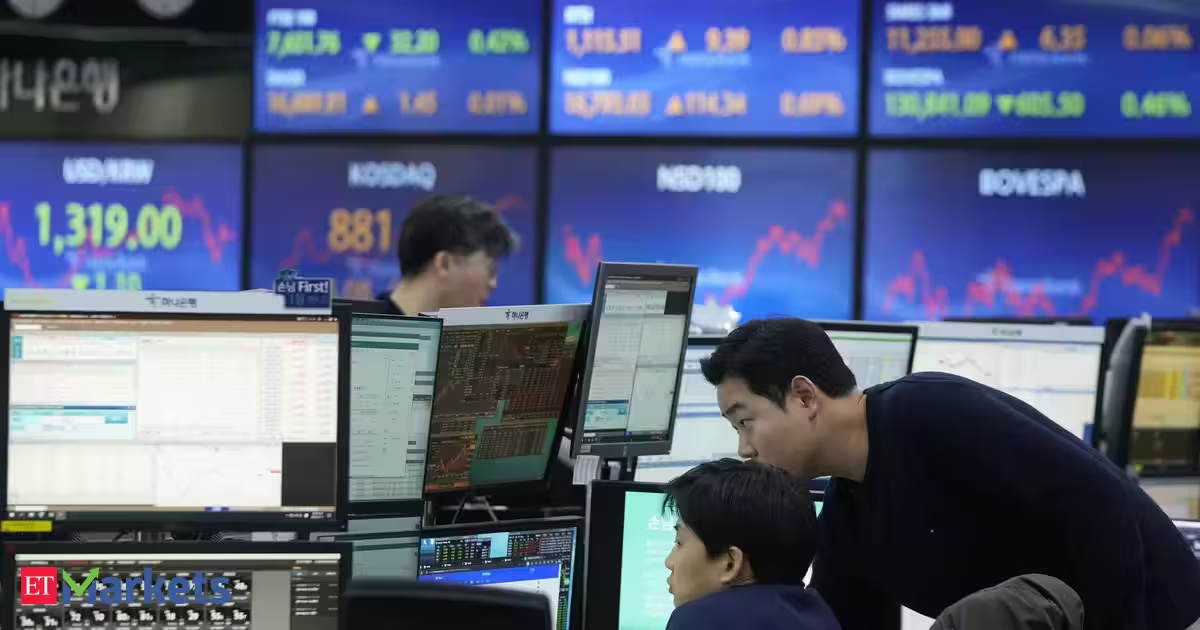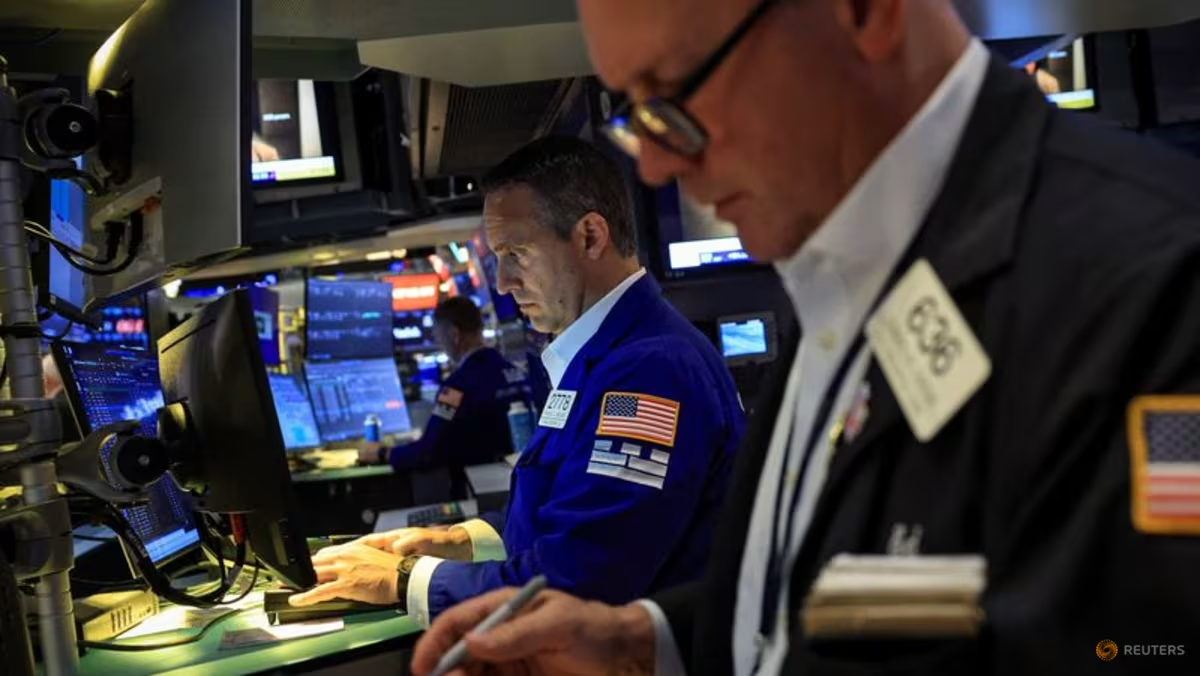
NEW YORK/LONDON, Aug 3 : Oil prices dropped and major stock indexes gained on Monday on signs that U.S.-Iran tensions were easing again, while the yen strengthened against the euro and dollar after the U.S. and Japan confirmed joint intervention to support it.Oil prices fell sharply after U.S. President Donald Trump held off on a fresh attack on Iran in the hope of sealing a quick deal that could boost oil supplies from the Gulf. U.S. crude was last down 6.07 per cent at $79.53 a barrel and Brent was off at $83.64 per barrel, down 4.88 per cent on the day.However, Iran said on Monday there were no talks under way with the U.S. and no plans for any meetings.Optimism over earnings helped to underpin equities. More than 300 of the S&P 500 component companies have reported earnings so far, with roughly 85 per cent of firms beating expectations, according to LSEG data.
"The sharp drop in oil prices, due to Trump's cancelling severe attacks against Iran and hopes of a diplomatic resolution, set the ball rolling this morning," said Peter Cardillo, chief market economist at Spartan Capital Securities in New York.Also a plus for equities, "so far most of the earnings have beat expectations," and guidance has been upbeat, he said.Amazon's market value topped $3 trillion for the first time on Monday, helped by a sharp rally following strong earnings and signs that the AI boom is driving fresh demand for its cloud-computing services.The Dow Jones Industrial Average rose 512.69 points, or 0.98 per cent, to 52,998.45, the S&P 500 rose 96.74 points, or 1.29 per cent, to 7,586.46 and the Nasdaq Composite rose 512.28 points, or 2.02 per cent, to 25,886.13.MSCI's gauge of stocks across the globe rose 8.86 points, or 0.79 per cent, to 1,129.37. The pan-European STOXX 600 index rose 0.45 per cent. AstraZeneca investors punished the pharmaceutical firm on Monday over reports of merger talks with U.S. rival Bristol Myers Squibb that could make it one of the world's biggest drugmakers with a combined value of nearly $400 billion.Japan's Nikkei closed 1 per cent lower, while South Korea's KOSPI slid more than 5 per cent.Japan and the U.S. conducted coordinated yen-buying intervention and will not hesitate to take further action, Japan's finance ministry said on Monday, confirming a rare bilateral action to halt the yen's slide to fresh 40-year lows.Trump said on Sunday that the U.S. was helping Japan prop up the yen as a sign of friendship and to help the world economy. The dollar index, which measures the greenback against a basket of currencies including the yen and the euro,rose 0.24 per cent to 99.95, with the euro down 0.18 per cent at $1.1506. Against the Japanese yen, the dollar weakened 0.44 per cent to 156.87.Tokyo's solo intervention conducted between late April and early May caused only a brief yen rebound, while a rate hike in June by the Bank of Japan provided little support, underscoring the challenge policymakers face of rising oil prices and a wide interest-rate differential against other major economies.Elsewhere, U.S. Treasury yields retreated as oil prices fell, even as traders continued to weigh the odds of a Federal Reserve rate hike should the war drag on.The yield on benchmark U.S. 10-year notes dropped 5.52 basis points to 4.69 per cent. It reached 4.747 per cent on Friday, the highest since January 2025.The 30-year bond yield fell 4.44 basis points to 5.2306 per cent after peaking at 5.2811 per cent on Friday, the highest since 2007.