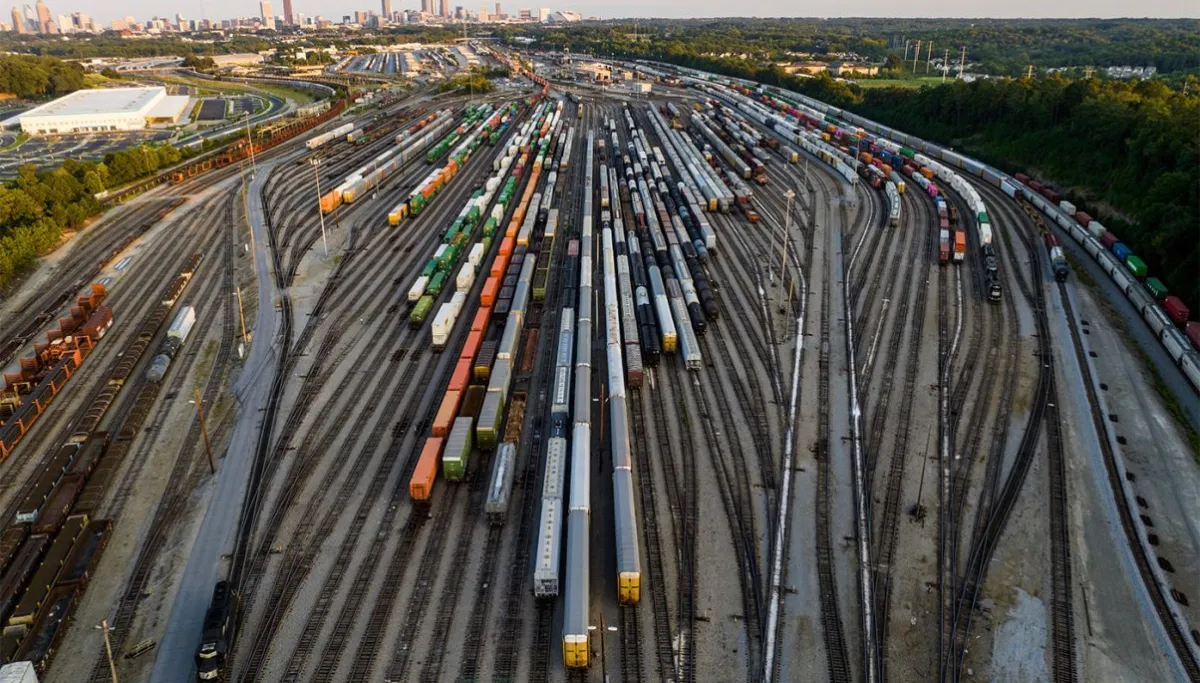
Every economy has its visible monuments. Roads carry goods from farms to markets, ports connect producers to global consumers, power lines illuminate factories and homes, and fibre-optic cables move information across continents in milliseconds.
These are the infrastructures we see and readily associate with economic growth. Yet beneath every thriving economy lies another form of infrastructure, one that rarely appears in photographs, ribbon-cutting ceremonies or development plans. It carries neither people nor products but instead carries capital, and in Kenya it may be among the most important and least appreciated drivers of economic growth.
Kenya is not a country starved of savings. Every year, billions of shillings arrive through diaspora remittances, pension funds continue to accumulate vast pools of long-term capital, SACCOs mobilise billions in member deposits, and thousands of chamas across towns, villages and cities quietly assemble investment capital through the discipline of collective saving.
Related
Affordable housing is building Kenyans’ dignity, not just homes