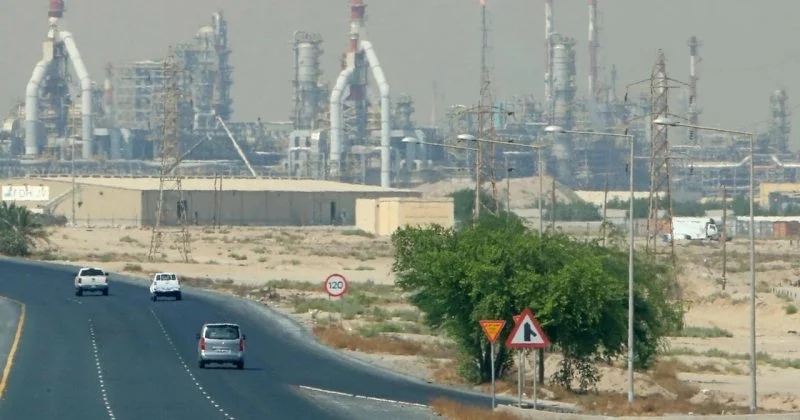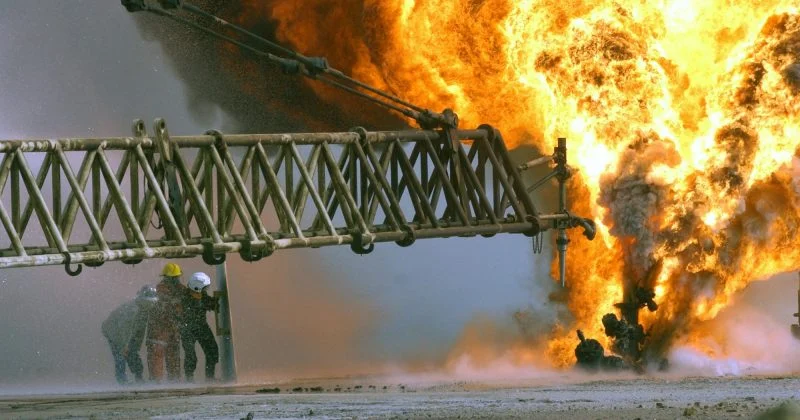
Kuwait pumped 1.65 million barrels per day in June, up from just 580,000 bpd in May. That’s a nearly threefold increase in a single month, and the highest production level the country has managed since the US-Iran conflict turned the Strait of Hormuz into a no-go zone earlier this year.
Kuwait was producing around 2.5 million bpd before the conflict erupted, meaning current output remains roughly 850,000 bpd below its pre-conflict baseline.
What actually happened
The story starts in late February 2026, when US and Israeli strikes on Iran triggered a cascade of retaliatory measures. Iran’s closure of the Strait of Hormuz, the narrow waterway through which roughly a quarter of the world’s seaborne oil trade transits, effectively choked Gulf oil exports.
Kuwait, along with other regional producers, was forced to slash output dramatically. Collectively, Gulf producers cut somewhere between 6.7 and 10 million bpd by mid-March.