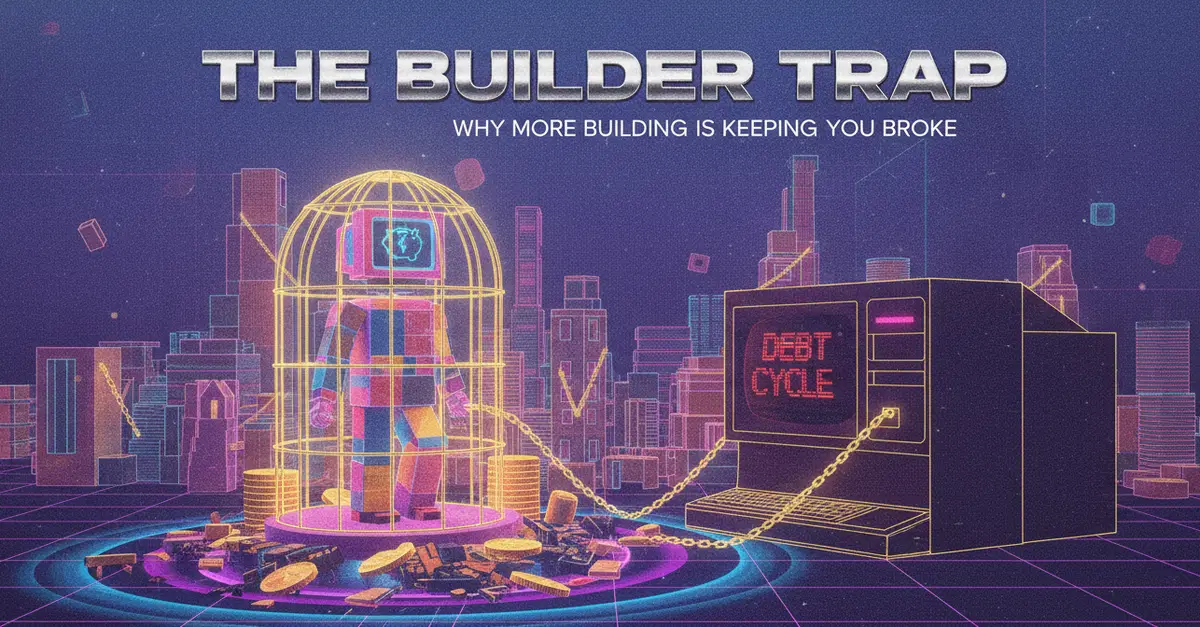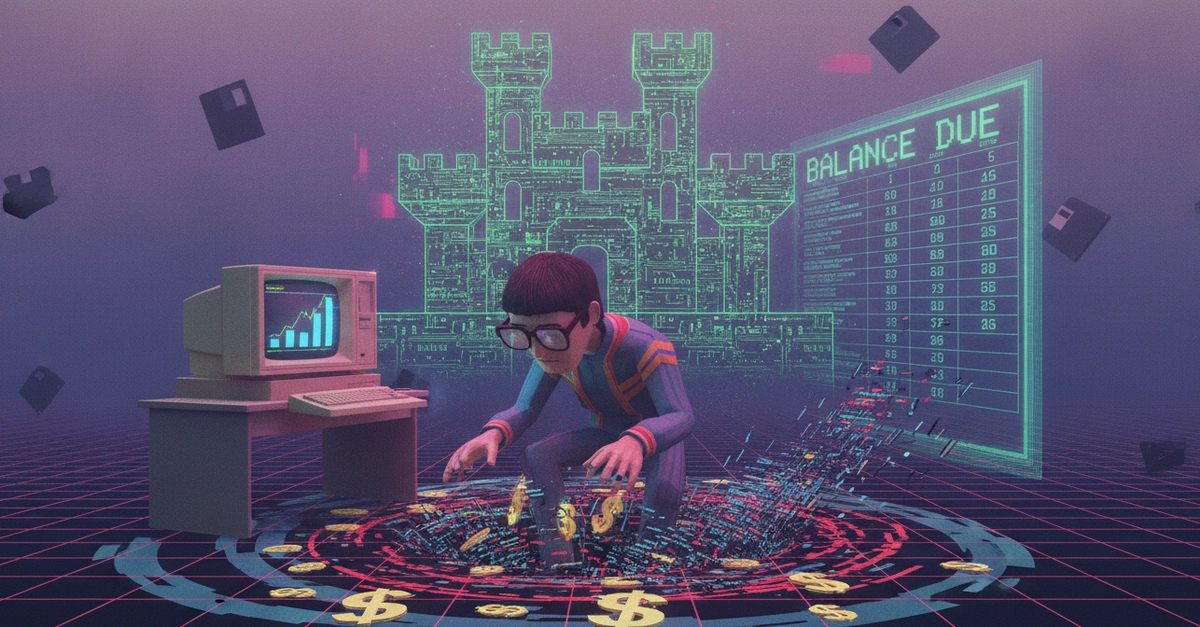
If you build software for a living — whether you freelance, run a small agency, or ship your own SaaS — there is a financial trap waiting for you that has nothing to do with bad code, and a recent breakdown of why profit is not protection explains it better than most accounting textbooks ever will. The trap is deceptively simple: you can be genuinely profitable and still run out of money. Your invoices say you earned $40,000 this quarter. Your bank account says you can't make payroll on Friday. Both statements are true at the same time, and if you don't understand why, your business is one slow-paying client away from a crisis.
Profit Is an Opinion, Cash Is a Fact
Accountants have a saying: revenue is vanity, profit is sanity, cash is reality. Profit is calculated on an accrual basis — you "earn" money the moment you send the invoice, not the moment it clears. Cash flow, by contrast, tracks the actual movement of money through your accounts, which is why Investopedia's guide to cash flow treats it as the clearest measure of whether a company can actually operate, pay its debts, and survive a bad month. The gap between the two is where good businesses die.
Think of it like the difference between a function's return value and its side effects. Profit is the return value — clean, declared, easy to read. Cash flow is everything that actually happened at runtime: the client who pays net-60, the annual hosting bill that hit in one lump, the contractor you paid upfront for work you'll invoice next month. You can't debug a production incident by reading the function signature, and you can't run a business by reading the P&L.