A century-old hospital near Michigan's southern border was one of the nation's first to convert into a new emergency-focused model Congress created to save rural care.
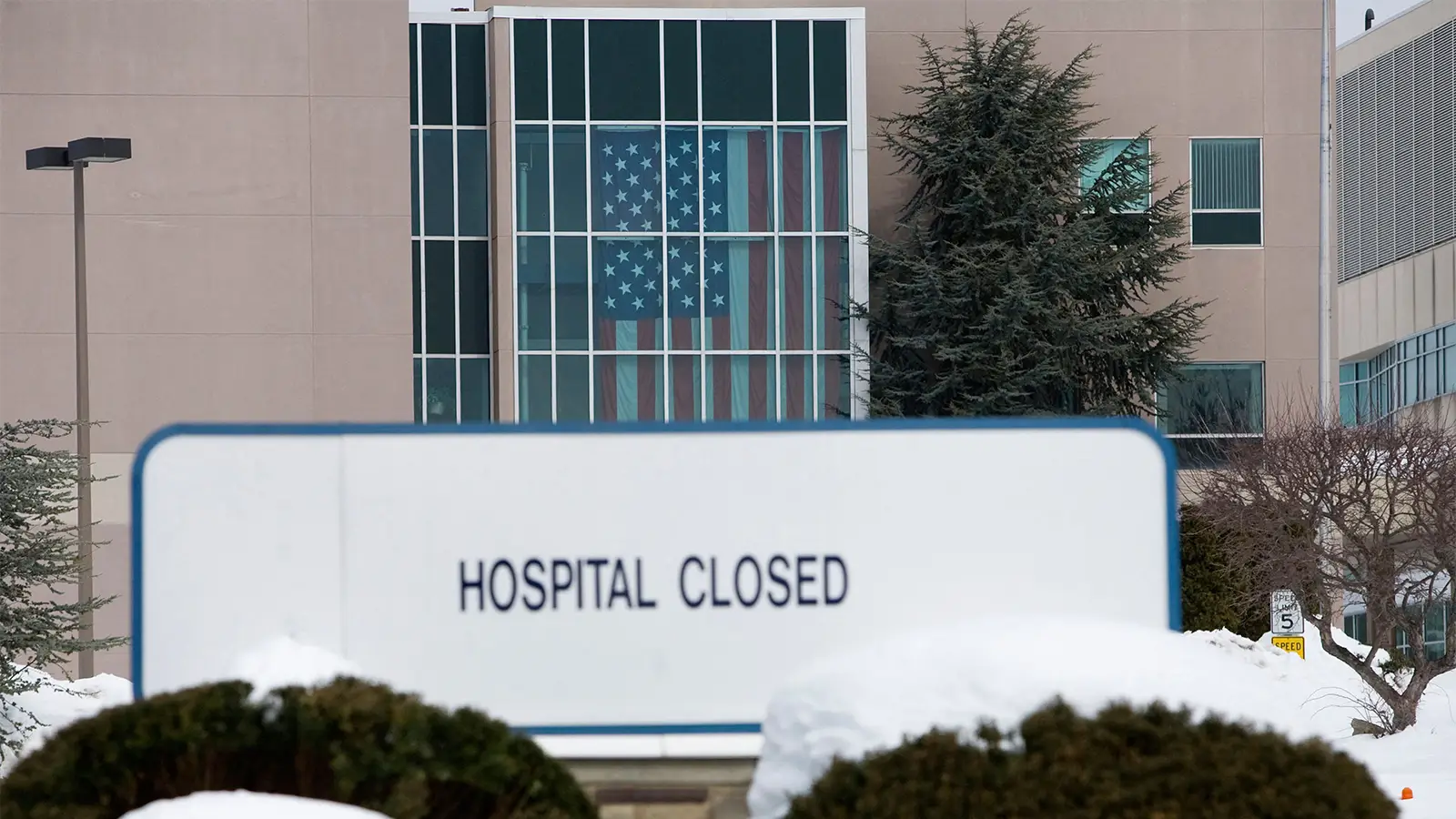
Afterward, though, use of Sturgis Hospital's emergency department fell, according to data collected at the state level. In June, 3 years after taking the federal lifeline, the hospital closed, leaving residents of Sturgis, a town of about 11,000 people, without critical healthcare. Its leaders had tried "every reasonable option" to remain open, including seeking a buyer, according to a hospital news release.
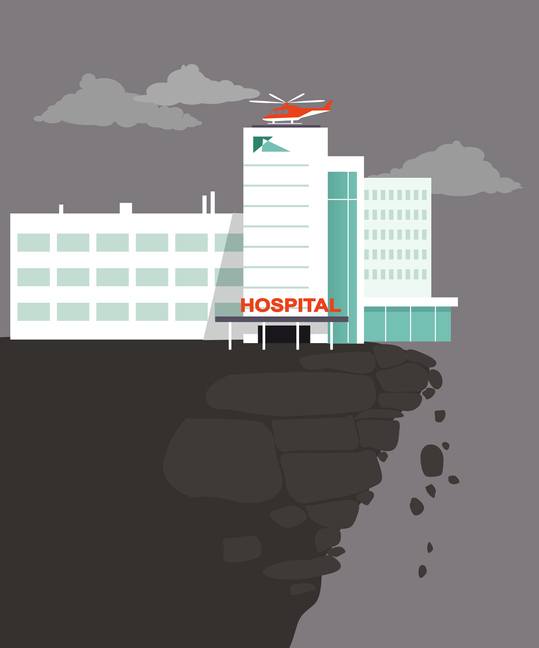
The closure "could be kind of a canary in the coal mine" for rural healthcare, said Lauren LaPine-Ray, DrPH, MPH, the vice president of policy and rural health at the Michigan Health & Hospital Association.
Federal leaders have spent decades trying to prop up rural hospitals, which face persistent staffing shortages, low federal payment rates, and declining patient numbers.
About 1,700 hospitals nationwide are eligible to convert to the stripped-down Rural Emergency Hospital model. So far, more than 50 rural hospitals in over 20 states have signed on, but LaPine-Ray and other hospital leaders nationwide fear Sturgis' failure is a sign the new model won't be enough to keep doors open when the anticipated federal funding losses arrive from President Donald Trump's signature One Big Beautiful Bill Act.