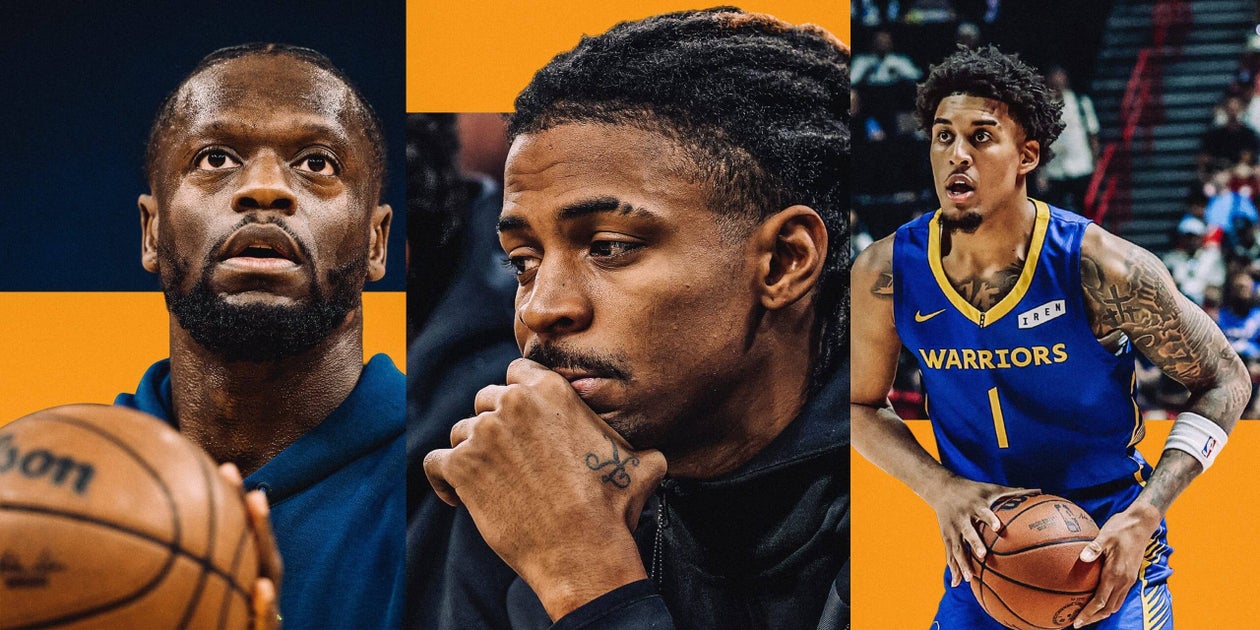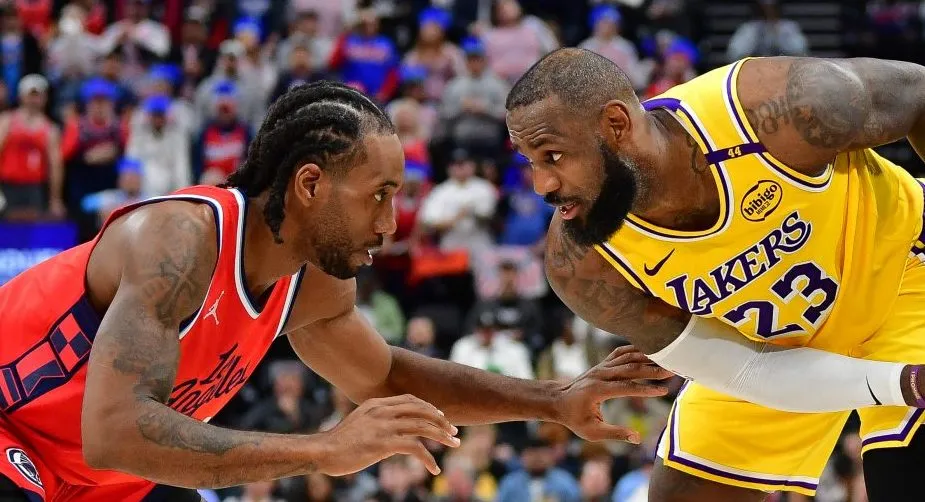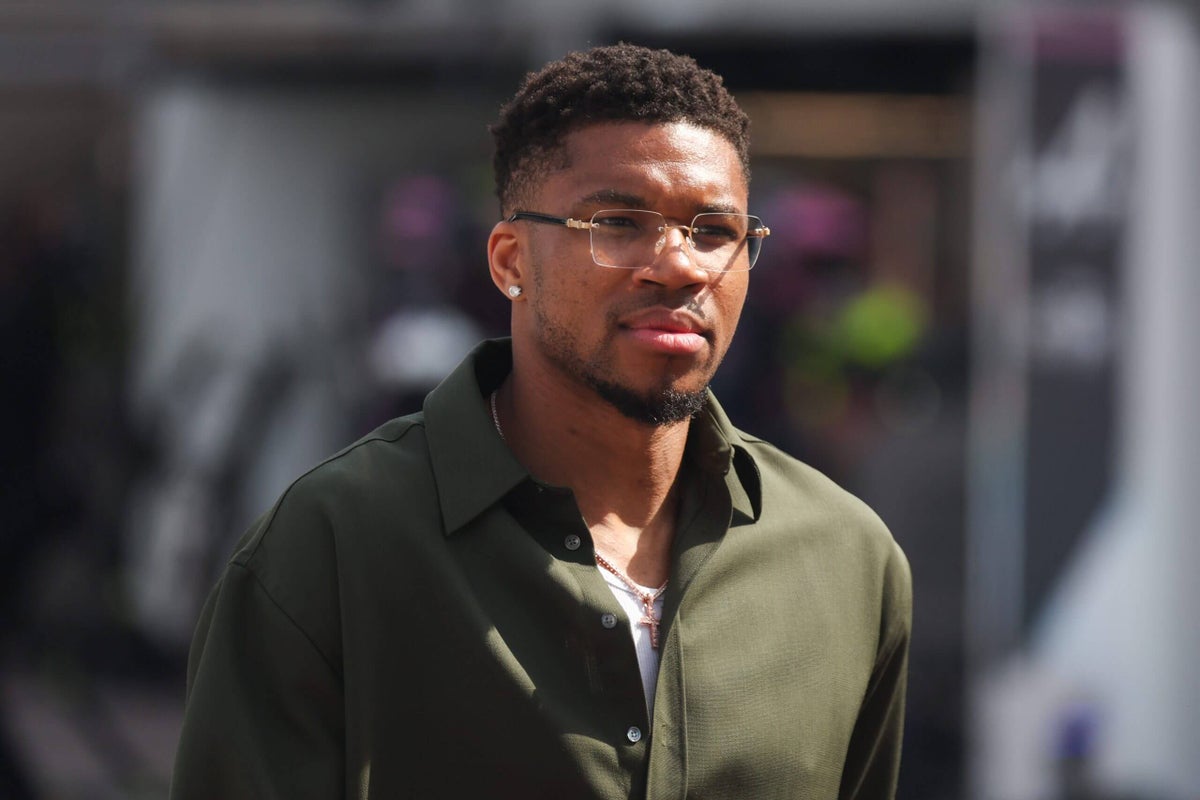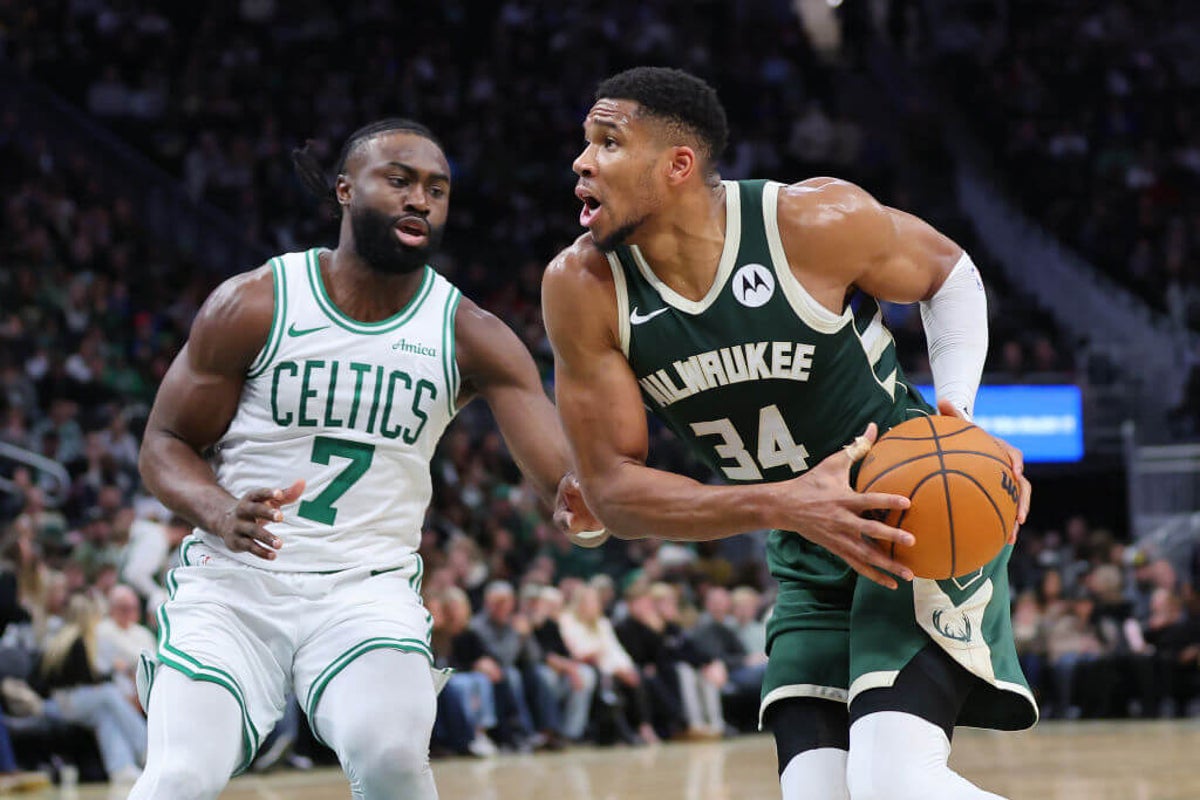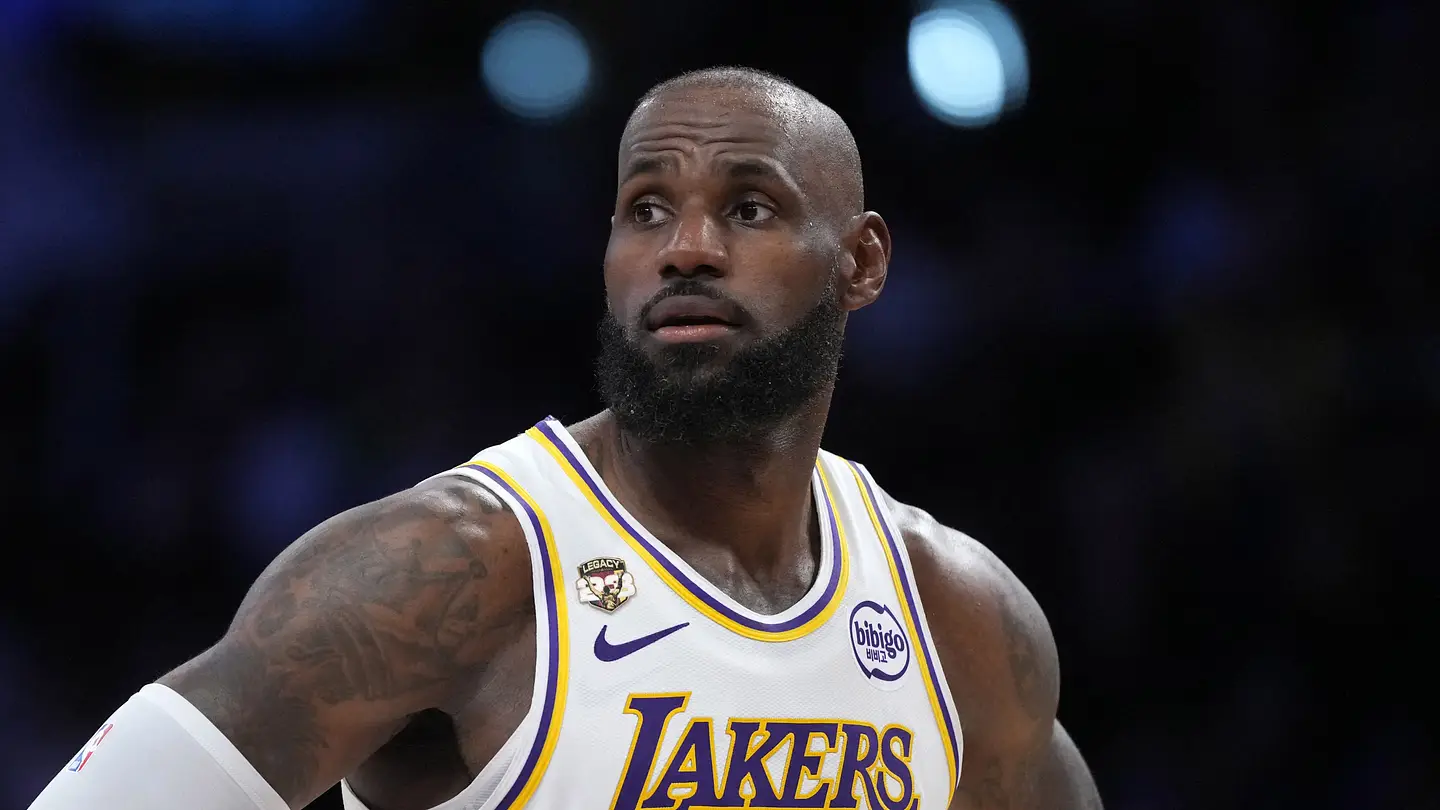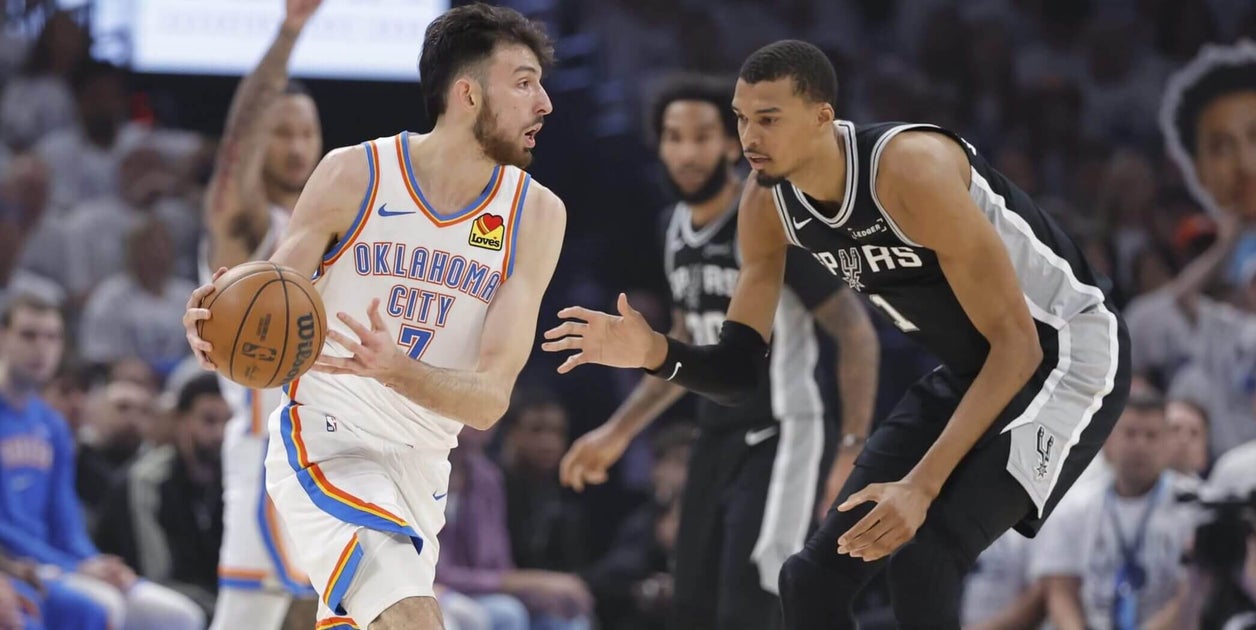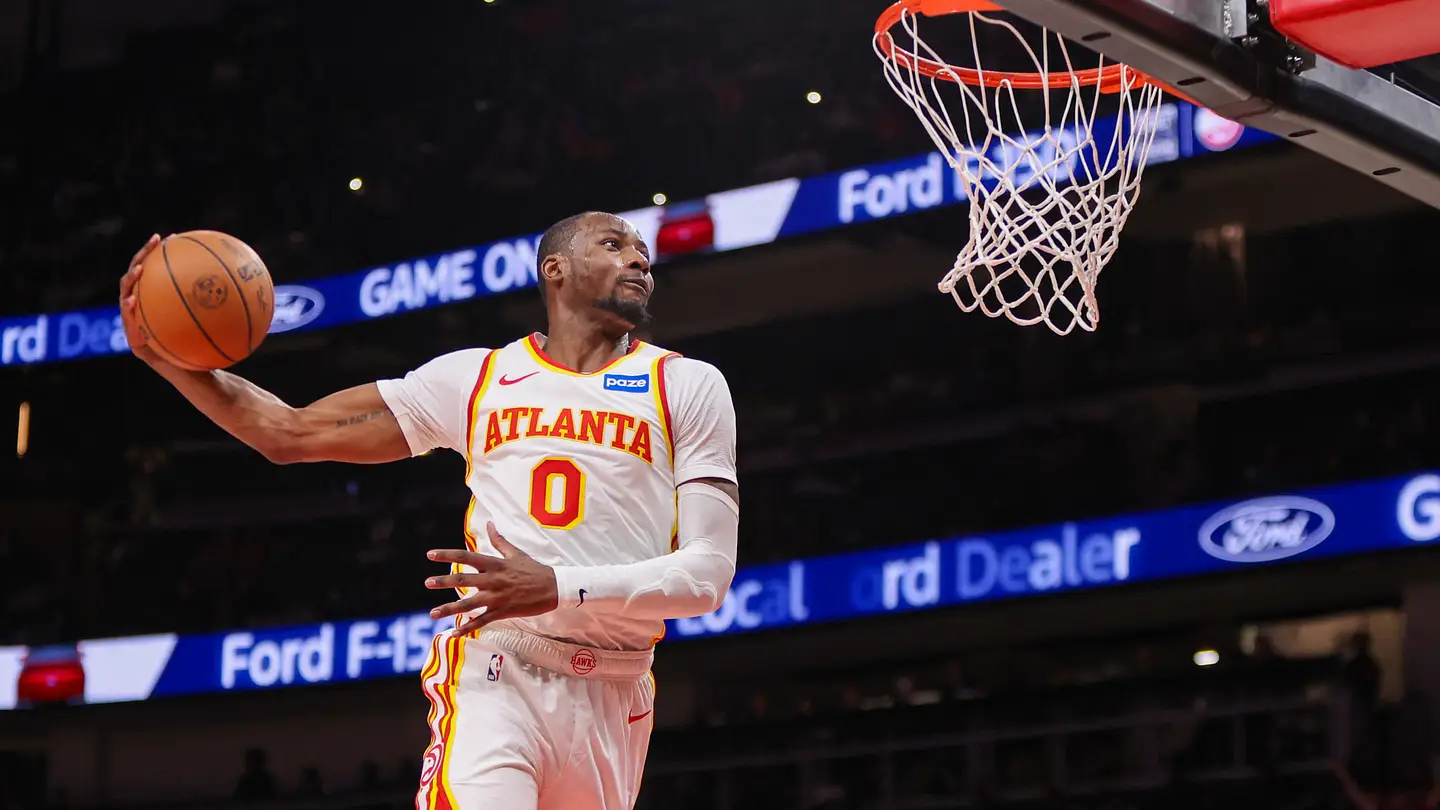
Well, that was quite an opening stretch to the NBA offseason, wasn’t it? The heralded 2026 NBA draft class heard their names called by Adam Silver and starred in Summer League play. LeBron James headlined a class of free agents changing teams. Giannis Antetokounmpo was the big superstar to get traded from his longtime home, and Jaylen Brown surprisingly joined him. The shape of the championship landscape looks fundamentally different in a way nobody could have foreseen two months ago, when the Knicks and Spurs were duking it out in the NBA Finals. It’s been wonderful entertainment. By now, the dust has settled. The winners and losers of the last few months have become apparent. Yet there are still looming questions that must be answered around the NBA before the full picture of the upcoming season becomes clear—from stretched-out free agent negotiations to contract decisions surrounding superstar names. Here are the five biggest questions that still must be answered after the craziness of this NBA offseason so far. How long will the Jalen Duren-Pistons situation drag out?Duren is locked in restricted free agent negotiations with the Pistons. | IMAGN IMAGES via Reuters ConnectAfter some huffing and puffing from Duren’s side of things early in free agency, it is now inevitable he returns to the Pistons in some capacity for next season. Reports suggested the All-NBA center was interested in sign-and-trade opportunities after Detroit came in low in opening contract negotiations with the restricted free agent, but there’s been zero movement on that front since. Which isn’t a surprise. Duren has zero leverage after a terrible playoff run and teams are extremely reticent to fork over max contracts for players with question marks nowadays. He could play out the last year of his contract with no extension but that’s very rare to see from players with Duren’s profile. He is clearly talented and has room to grow but one injury at the wrong time could destroy his earnings potential. Even if the Pistons’ final offer is well below the $40 million or so max annual salary they can offer, he’ll probably end up taking it. Maybe it’s over three or four years instead of the five-year maximum length but taking a deal, even at below his preferred price, ensures Duren gets paid now without any real sacrifice beyond pushing back another potential payday. So the question really is how long negotiations will stretch. Previous restricted free agents have waited until September or even early October to sign new deals. The closest recent comp for Duren is Alperen Şengün, who signed a rookie extension well below the max (but still paid him over $30 million annually) one day before the start of the 2024–25 season. The franchise would undoubtedly like to get a deal done earlier for everyone’s peace of mind but it’s clear the process won’t be moved by any public pressure, as the first month of his restricted free agency has proven. The final dollar amount will be fascinating to see, but we have no idea when that’ll come at this stage. At what point does Jonathan Kuminga give up and sign a prove-it deal?Jonathan Kuminga is pretty easily the highest-profile unrestricted free agent remaining. And it seems he is still unsigned because he has ... high expectations for what his new deal should pay him. The latest reports peg Kuminga’s salary demands between $15 and $25 million, which is established starter NBA money. And Kuminga hasn’t really established himself yet. The potential is obviously there and he had some good moments for the Hawks against the Knicks in the playoffs but Kuminga has yet to put together even a long stretch of games where he’s consistently performing at a high level on both ends, much less a season or multiple seasons. The wing, entering his sixth season, averaged 12.3 points per game coming off the bench in Atlanta, and that number ticked slightly up in the postseason. But his shooting is still a question mark, as is the effort he gives defensively each night. You can make the case he will turn into a player worth a starter-level salary given he’s still only 23 years old. But the player we’ve seen so far is definitely not worth anything near those numbers. Which feels like the key reason why he remains unsigned. Someone (like the Lakers, who have been linked to Kuminga) will bet on his potential—but not at that price point. Therefore, Kuminga is going to have to settle for a cheaper deal in some capacity. But if he’s really set on securing a deal worth $20 million or so annually in the near future, a prove-it deal is the only way that’ll happen. Signing for a low sum this season would undoubtedly sting for the confident young player but he needs a full season of work, away from the weird vibes of his situation with Golden State, to prove he can be relied upon to deliver if given a deal worth that much money. Kuminga has been insisting for years he deserves a bigger role—he has to prove that before getting paid like it. What will the Nuggets do with Peyton Watson?Watson is a restricted free agent after a career year. | IMAGN IMAGES via Reuters ConnectThe Nuggets have been at a crossroads with Watson and so far haven’t picked a direction. There’s reportedly a deal on the table worth $70 million over five years, which would be a coup for Denver. Watson isn’t worth as much as some of the bigger numbers getting thrown around but his combination of disruptive defense and adequate offense is definitely more valuable than $14 million annually, which is around what the Grant Williams and Corey Kisperts of the world get paid. He likely won’t accept that unless it comes down to the final hour. The problem for the Nuggets is, regardless of what offer he accepts, it’s going to add to an already-significant payroll due to second apron penalties. By matching Spencer Jones’s restricted free agent contract, Denver went over the second apron line and his $12 million contract increases the team’s tax penalties by a whopping $32 million. It therefore shouldn’t come as a surprise that even Watson signing his $6.5 million qualifying offer, the cheapest possible route to retaining his services for next season, the Nuggets’ tax bill would skyrocket further by nearly $60 million. All that can change if the front office traded some contracts to get the team back under the second apron—whether that’s Watson, Cam Johnson, Christian Braun or Aaron Gordon. But how much money they’d have to shed is tied in some capacity to what offer Watson signs. The rumor mill has also spit out plenty of Watson trade conjecture, so it seems dealing the young wing to avoid all these financial issues entirely is on the table. Watson is the domino that has to fall in order for the Nuggets’ offseason to really begin. If they sign him to a new deal, the tax penalties will reach hundreds of millions of dollars and no franchise in the NBA is really willing to pay that much for one team. So a trade would have to follow. Alternatively, Watson could be the one traded, which gives Denver a cleaner path towards avoiding all those penalties, but losing a defender of his caliber would hurt their title chances. Either way, a decision must be made, because the Nuggets aren’t going to roll into next season with the roster as is. Will the Kings’ pair of highly-paid, expendable stars go anywhere?The Kings have an exciting young prospect in Darius Acuff Jr. to build around for the future, but are paying a combined $94 million to Zach LaVine and Domantas Sabonis next season. Financials aside those two are still useful NBA players yet will prove antithetical to Sacramento’s goals of developing the next core of the franchise. They’re a pair of ball-dominant, established talents who will expect to play a lead role in the offense. Acuff is built from similar stuff as a score-first point guard; all rookies need reps to reach their potential but point guards, in particular, need a lot of trial-and-error early in their careers to figure out the NBA game. Sabonis meshes a bit better in that regard but both he and LaVine will only take possessions away from Acuff so long as they remain on the roster. However, it’s not a simple decision to ditch them. Both are heavily flawed defensive players, which means there are very few teams interested in trading for their talents at their current price points. There’s always a trade partner out there willing to take on a bad contract if it comes with assets attached, but Sacramento should be in asset accumulation mode for the foreseeable future, not the other way around. And the new factor looming above these kinds of discussions? The new lottery rules. The Kings are going to be bad no matter what next year, but if they finish with one of the worst three records in the league they’ll be punished with reduced lottery odds. LaVine and Sabonis’s skillsets overlap too much with Acuff to be ideal—but if their production is enough to get the team enough wins to avoid lessened draft odds, is it worth keeping them around anyway? These are the questions teams like Sacramento have to ask themselves now. Through that lens, it’ll be an interesting decision-making matrix through which we’ll be able to discern the priorities of this Kings front office. And if the two hit the trade market, we’ll learn a lot about whether serious teams view their offensive talents as needle-moving skills. Will Anthony Davis actually sign an extension with the Wizards?Will AD stick around in Washington? | IMAGN IMAGES via Reuters ConnectThe Wizards really want to keep Davis around. This much is clear after they’ve publicly stated as much on multiple occasions and reportedly refused to entertain any trade offers amid the LeBron James saga, which was notable. Washington could’ve taken a team like the Warriors to the cleaners in a desperate AD trade, but instead remained adamant that the star big man will be part of the team going forward. Of course, we don’t know if Davis wants that. The only way for the general public to find out how committed he is to the Wiz is to see his signature on the dotted line of a contract extension. Davis has one year remaining on his deal before a player option for 2027–28 and getting a fresh deal from a new team was one of the key items mentioned in trade talks around him back in February. But since the Wizards landed him, there’s been little news on that front, although negotiations cannot officially begin until mid-August. Davis isn’t a “fit” for Washington right now in terms of the team’s chances of competing for a title. But the front office obviously sees great value in having talented veterans around to help develop a young core that now features No. 1 pick AJ Dybantsa. It takes two to tango, however. If Davis doesn’t want to be part of a young team (or doesn’t like the numbers he’s seeing in potential extension offers), he won’t sign a new deal. Which means he could be a free agent next summer and would absolutely be a top trade candidate during the upcoming season. If he does sign an extension, then all that intrigue and possibility dissipates instantly. Whether he inks a new deal is a question with significant ramifications no matter which side Davis comes down on. More NBA From Sports IllustratedListen to SI’s NBA podcast, Open Floor, below or on Apple and Spotify. Watch the show on SI’s YouTube channel.Add us as a preferred source on GoogleFollow
The Five Biggest NBA Offseason Questions That Still Must Be Answered After LeBron James Decision
After over a month of activity, the NBA offseason has slowed to a crawl. But there are still plenty of questions that need answering before next season.
1,967 words~9 min read