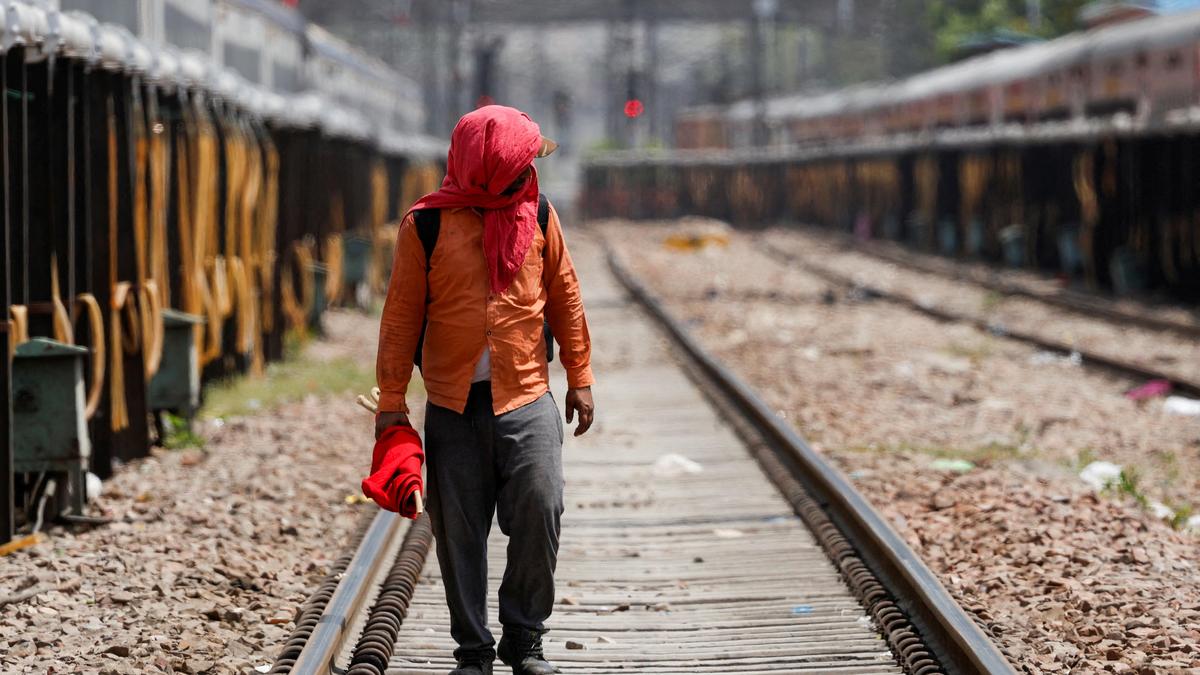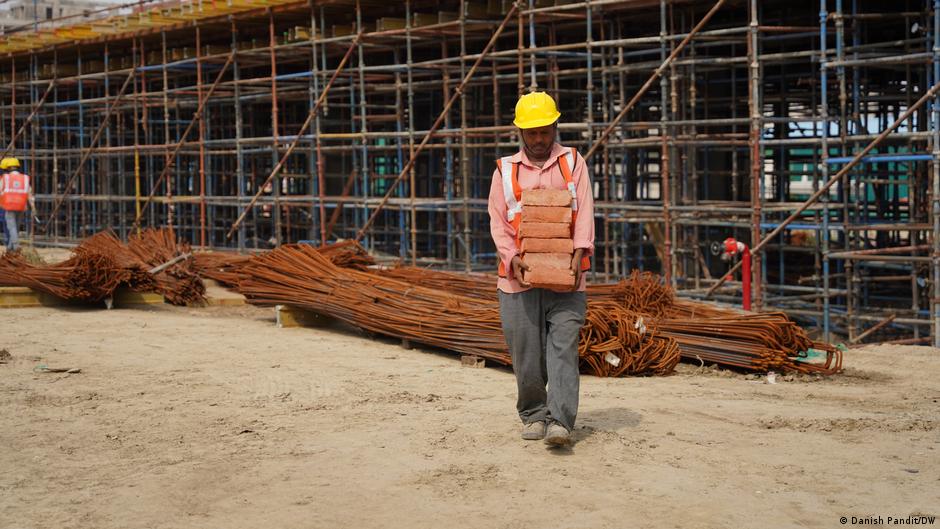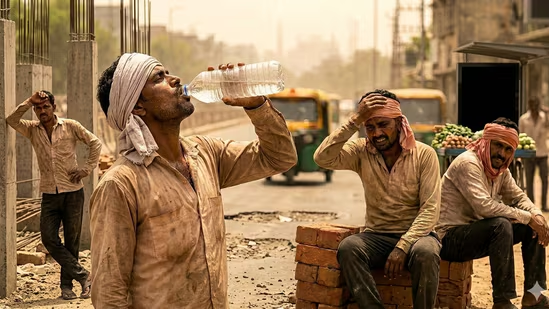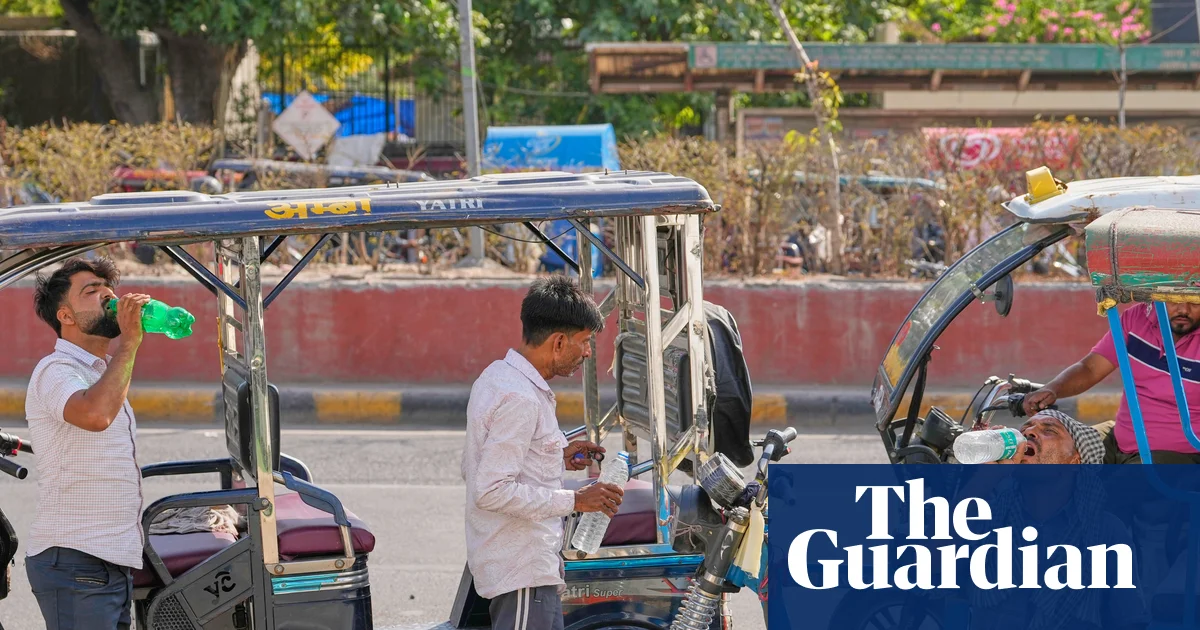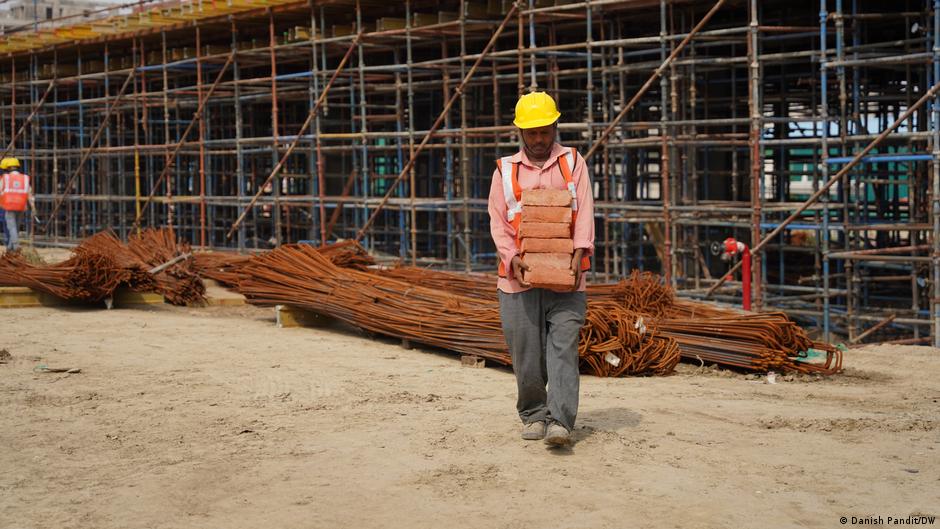
Brijpal Singh spends long hours working construction under the blazing sun in Noida, a sprawling industrial satellite city in India's National Capital Region. Even as temperatures soar past 45 degrees Celsius (113 Fahrenheit), work on the building site rarely stops.
By the end of each shift, the 51-year-old says his heart is pounding, and he's usually dizzy, dehydrated and physically drained from hours in the heat. Yet taking a day off is a luxury he cannot afford.
Missing work would mean losing his daily wage of 500 to 600 rupees ($6 to $7, €5.20 to €6.10). The money supports his wife and three children living in a village in Uttar Pradesh, a two-day journey away .
"There are days when I don't feel like working," said Singh. "But if I miss a day, who will take care of my children and pay for their expenses?"After a day in relentless heat on a construction site, Singh tries to find relief in front of a fanImage: Danish Pandit/DW
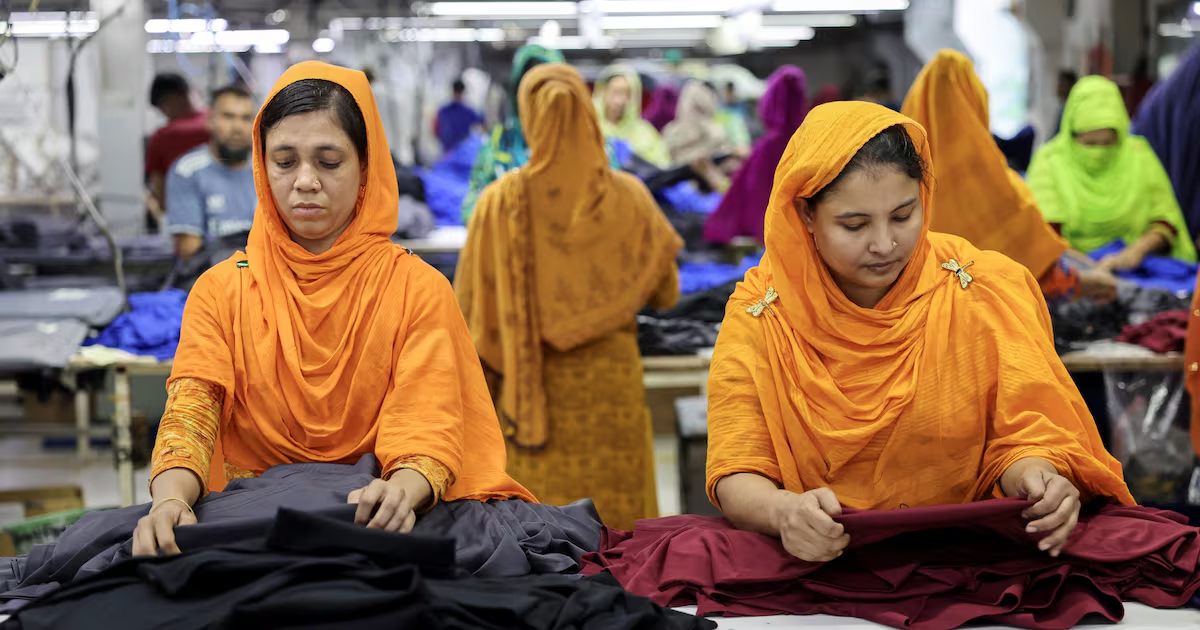
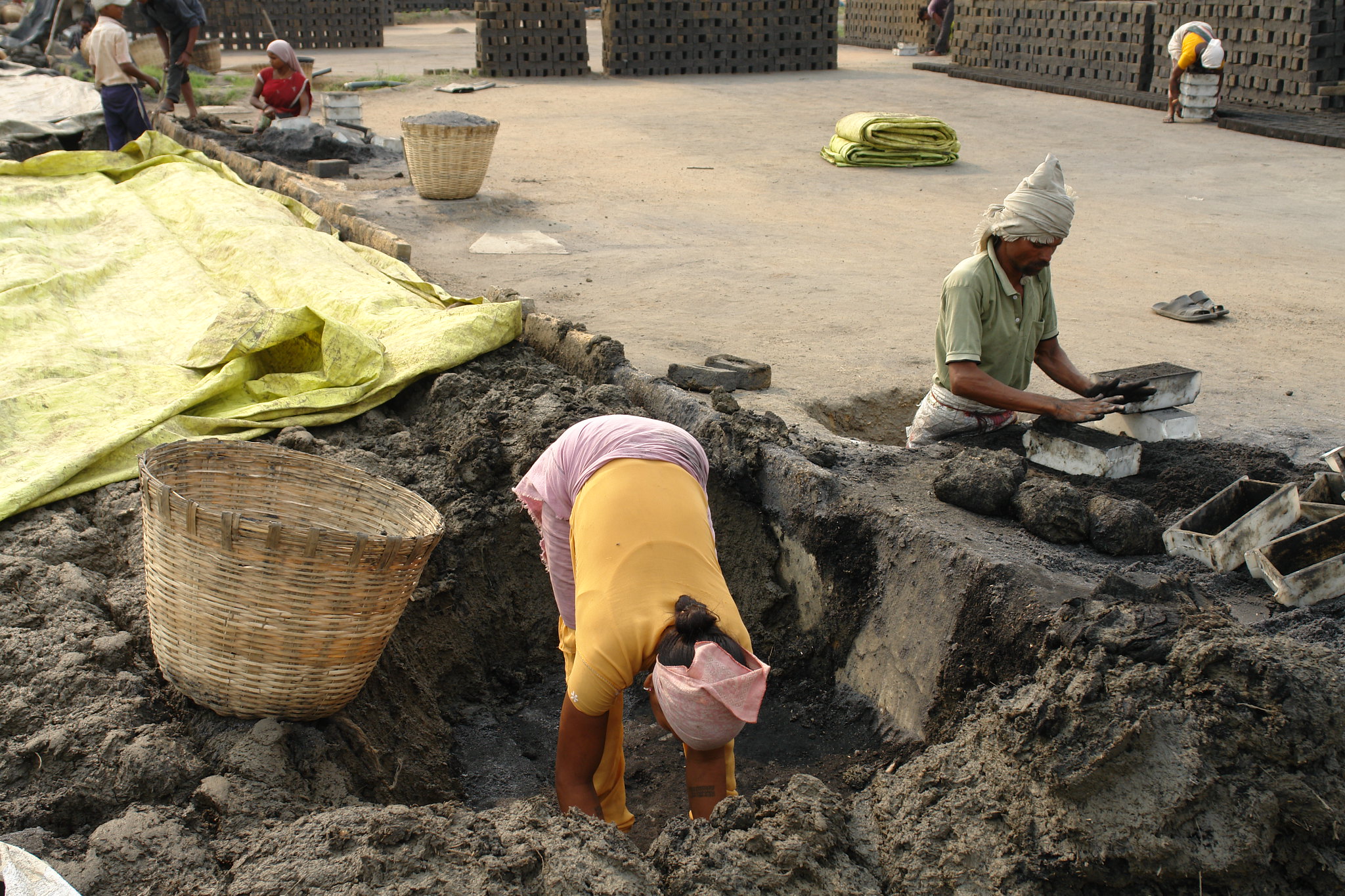
Some 5 million people work in the Delhi region's informal economy, accounting for roughly 80% of the total workforce. And as climate change drives up temperatures, many paid by the day like Singh are faced with an impossible trade-off between providing for their families and protecting their health.