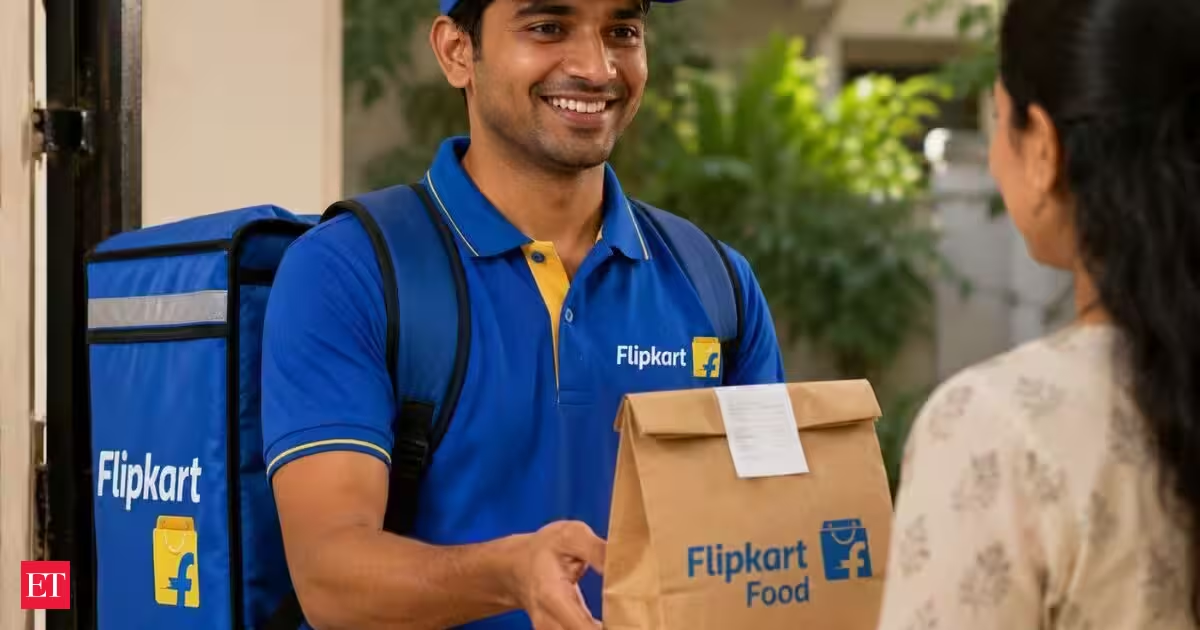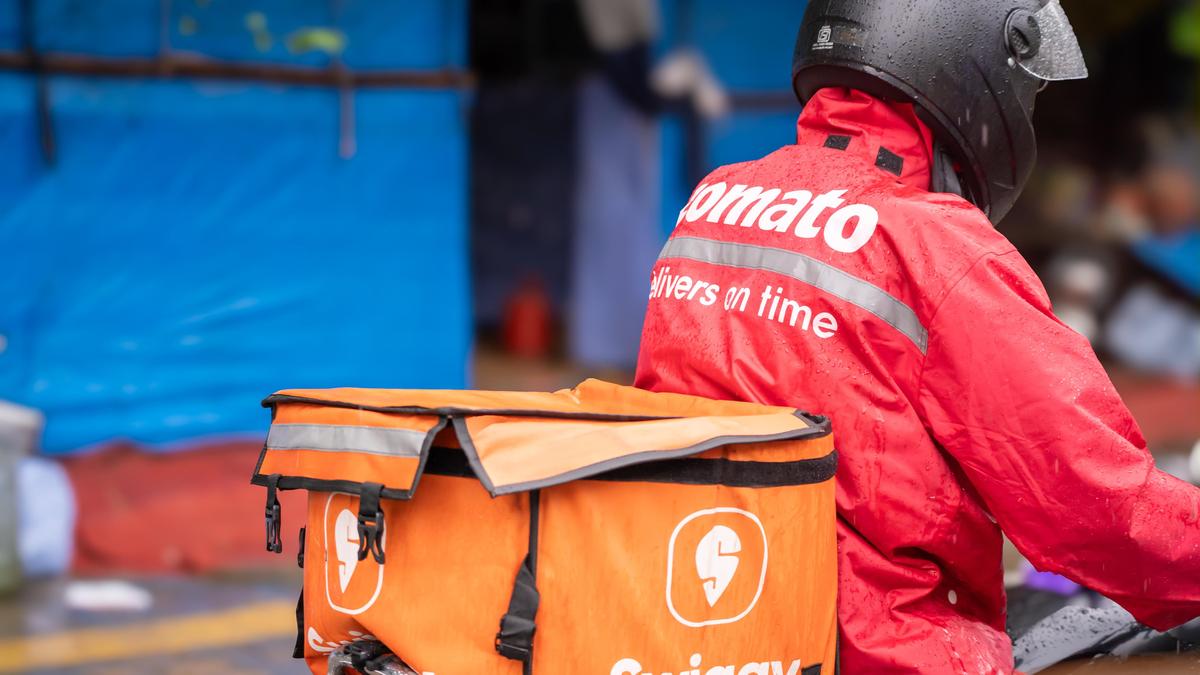
India’s food delivery market is witnessing renewed competition as new entrants adopt low-cost business models that could challenge the dominance of Swiggy and Zomato while reshaping platform economics for restaurants.Walmart-owned Flipkart is set to launch its food delivery service in Bengaluru as early as August 15, offering restaurants commissions of around 10 per cent, according to people aware of the development. The move follows Rapido-backed Ownly’s entry into the segment with a zero-commission model, positioning itself as a more restaurant-friendly alternative.The two companies are betting that lower commissions will help them attract restaurant partners at a time when merchants have increasingly voiced concerns over the high fees charged by incumbent platforms. While Swiggy and Zomato typically charge commissions ranging between 16 per cent and 30 per cent, both new entrants are pitching a significantly lower cost of doing business.Ownly has already gained traction in Bengaluru, scaling to over 40,000 daily orders across nearly 25,000 restaurants and capturing an estimated 7-10 per cent share of the city’s food delivery market within months of launch.Unlike conventional food delivery platforms, Flipkart is building its offering on the government-backed Open Network for Digital Commerce (ONDC), allowing it to leverage the open network while simultaneously developing its own in-app experience.Industry experts say the fresh competition addresses a long-standing pain point for restaurants and could force incumbents to rethink their commission structures and merchant incentives.“The sector was very boring for a long period of time. We had only two players and market shares were largely constant. At the same time, restaurants were raising concerns over high commissions while customers were seeing higher prices, which affected growth,” said Satish Meena, advisor at Datum Intelligence.According to Meena, the immediate impact may be greater competition for restaurant partnerships rather than a sharp expansion of the overall market.“The key question is whether this creates new demand or simply shifts market share. If the new players are able to scale while delivering a similar customer experience, it could put significant pressure on the incumbents’ core business,” he said.Analysts, however, believe Flipkart is unlikely to pursue an aggressive cash-burn strategy despite its financial strength. Instead, the company is expected to pilot the business, evaluate customer response and economics, and gradually expand the service, while Ownly’s ability to sustain its zero-commission model at scale will also be closely watched.Published on August 3, 2026
New challengers spark pricing war in food delivery, putting Swiggy and Zomato under pressure
New food delivery challengers like Flipkart and Ownly are pressuring Swiggy and Zomato with lower commissions and innovative models.
390 words~2 min read