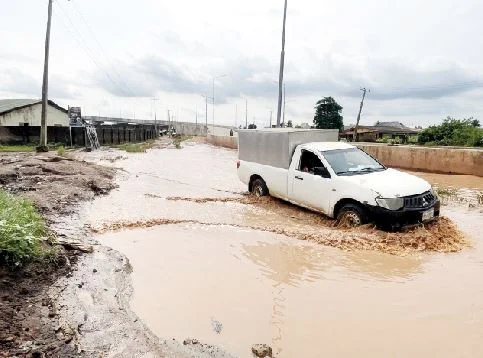
For many years, Ijebu-Ode was synonymous with poor roads. Travelling through the ancient town often meant navigating potholes, flooded streets during the rainy season and painfully slow journeys that took a toll on both commuters and vehicles. That reality shaped public perception and, for a long time, deservedly so. Today, Ijebu-Ode is telling a different story.
Since assuming office on 29 May 2019, Governor Dapo Abiodun has embarked on one of the most extensive road renewal programmes in the town’s history, transforming critical transport corridors and improving mobility across residential, commercial and recreational districts. The transformation is a practical demonstration of the Infrastructure pillar of his administration’s ISEYA agenda, which recognises that sustainable development begins with efficient connectivity.
Across Ijebu-Ode, roads that had suffered decades of neglect have been reconstructed, rehabilitated or expanded, making movement easier for residents, businesses and visitors alike.
The list of completed projects speaks for itself. Awujale Road, Ogbagba Street, the Molipa/Fusigboye/Ayegun/Ojofa Road network, Asafa Oke/Asafa Isale/Ojofa Street, the Molipa Expressway linking Ibadan Garage, Ejinrin/Oluwalogbon Road, Aiyegbami/Oju Ega Streets, Oyingbo-Olisa-Saka Ashiru Road, Ijebu-Ode Club Road near the Bisi Onabanjo Mausoleum, Awokoya Road, Igbeba-Talbort-Yidi Lane, Imoru Road, Osinubi-New Road, and the Odo Egbo Junction/Ereko Street/Ondo Road corridor have all received significant attention under the present administration.