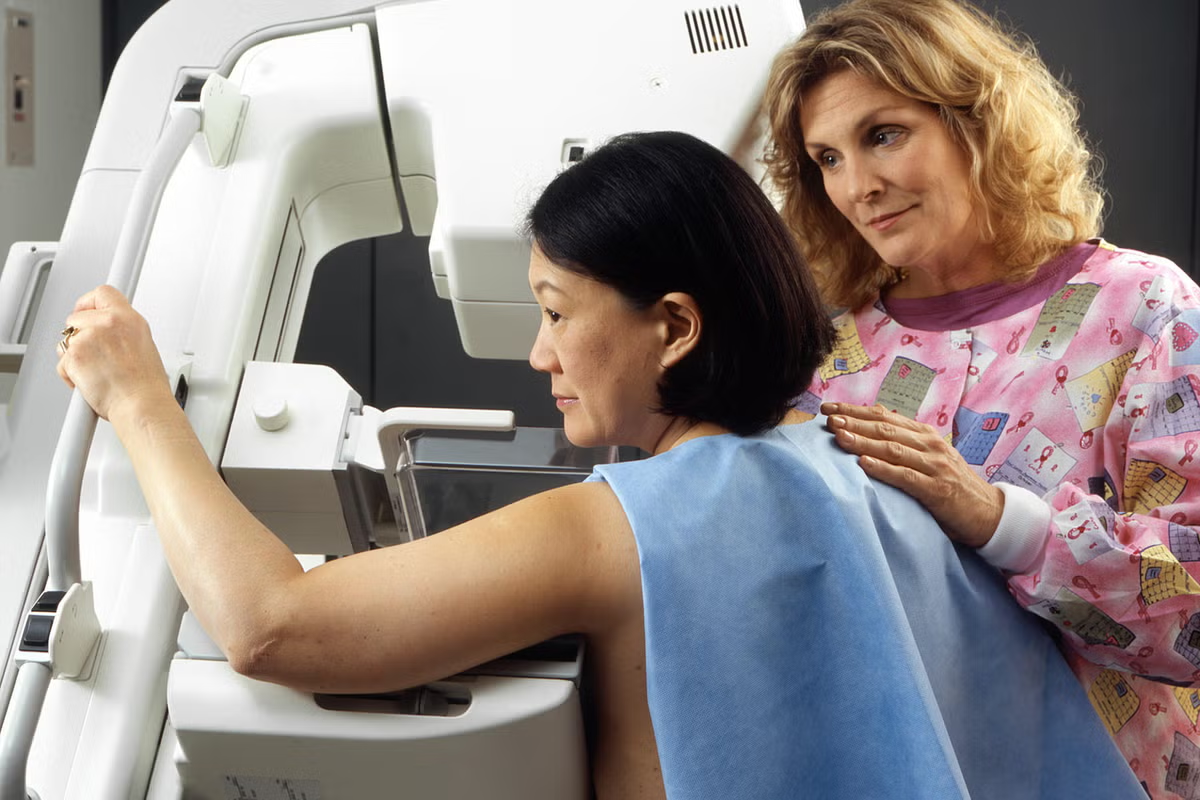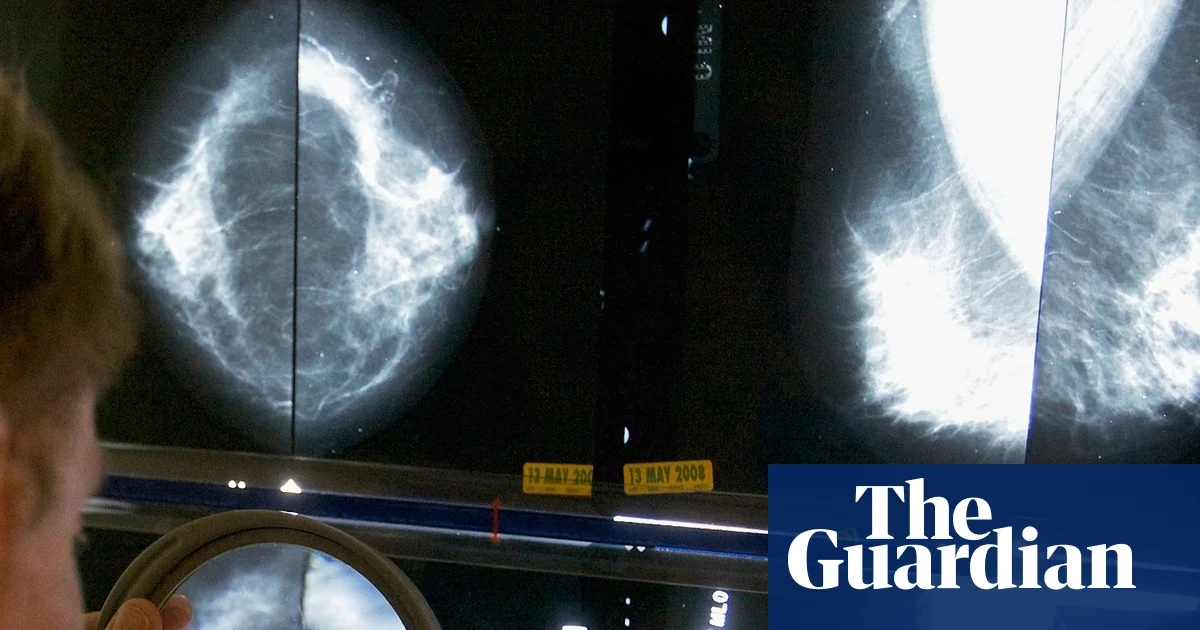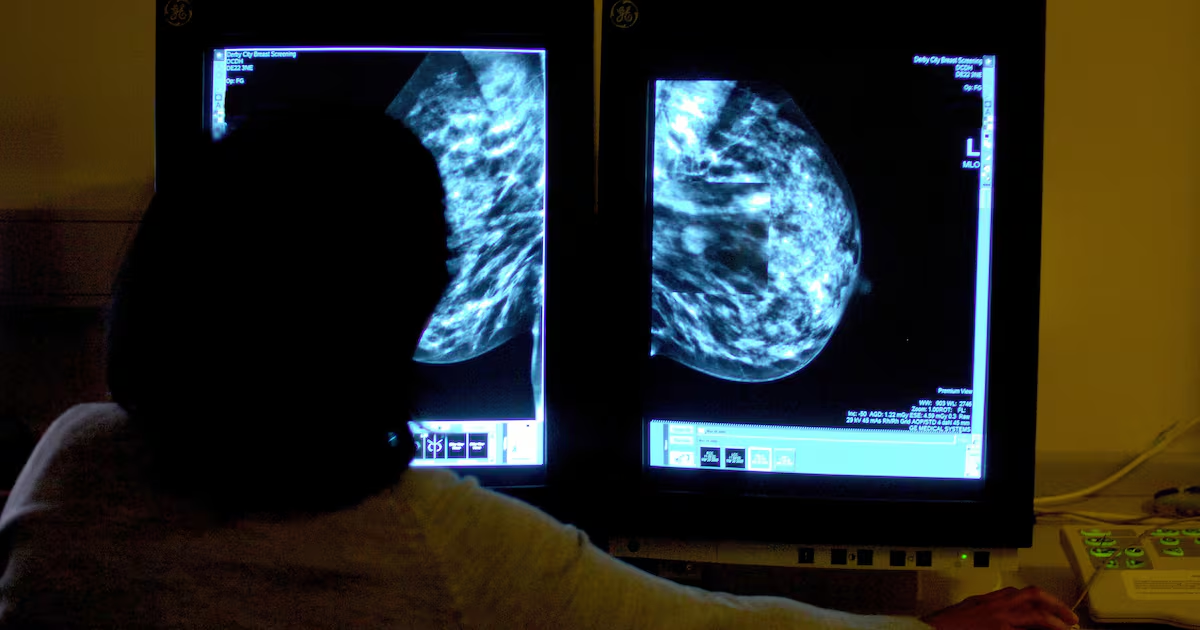
Almost 90 per cent of urgent breast cancer referrals to Letterkenny University Hospital in April were not seen within the two-week target time, according to the latest HSE figures.The urgent symptomatic breast disease clinics aim to see 95 per cent of patients within 10 working days. This is to ensure early cancer detection, reduce patient anxiety and improve survival rates. Non-urgent cases are to be seen within 12 weeks. However, official data highlight difficulties in meeting this target, with 61.3 per cent of cases nationally seen within two weeks last year.An improvement was recorded in the first four months of this year, when 75.2 per cent of patients were seen within two weeks. However, this is still well below the target of 95 per cent.The HSE management data report from April, the latest figures available, highlights regional differences when it comes to meeting the target. For example, 99.3 per cent of urgent cases were seen within the target timeline in the Dublin and Midlands region, with the rate rising to 99.6 per cent in the Mid West. In the HSE South West region, the figure was 75.7 per cent, while the Dublin and South East region met the timeline in 100 per cent of cases. The West and North West region, which covers Donegal, Sligo, Galway, Leitrim, west Cavan, Mayo and Roscommon, had the poorest performance. Its compliance with the two-week standard fell from 85.8 per cent in February to 70.2 per cent in March and then to 11.8 per cent in April. Within the region, Letterkenny University Hospital had the poorest performance, with 81.9 per cent of cases seen within two weeks in January before a sharp drop to 6.5 and 6.6 per cent in February and March respectively. This was then followed by a slight rise to 11.8 per cent in April.The Irish Times recently reported on an internal risk assessment regarding the cessation from this month of insourcing and its impact on waiting lists. Insourcing is an initiative in which private companies use HSE facilities and staff after hours to hold special clinics to treat patients on waiting lists, in an attempt to deliver more timely care. . The assessment highlighted possible impacts on breast triple assessments (clinical examination, medical imaging and a tissue biopsy) and stated there would be a “significant increase in the numbers of patients breaching urgent colonoscopy and breast targets”.The report added that abruptly ending the initiative created a “significant risk of unintended harm to patients”.Asked if the drop-off in timely breast care was related to insourcing, a spokeswoman for the HSE West and North West region said achieving targets in the breast service “remains an ongoing challenge due to consultant vacancies”.She said there had been delays “recruiting a second consultant breast surgeon” for Letterkenny hospital, but that a locum has accepted the position and is due to begin work on August 19th. “Once in situ, the breast waiting list will be immediately addressed,” she added.The spokeswoman said a second breast radiologist began working at the hospital last December in a temporary capacity, pending appointment to a permanent position and this would assist with triple assessment clinics.“There are 18 breast clinics scheduled for August and this number will increase once the second breast surgeon commences their role,” she said.“A total of 87 clinics were scheduled where a total of 782 patients with urgent referrals to the clinic were seen in the first six months of 2026 and a further 269 patients with non-urgent referrals.”The spokeswoman added there are plans to develop cancer centre infrastructure at University Hospital Galway, as well as delivering 30 systemic anticancer treatment chairs as part of the surgical hub development in Letterkenny.A spokeswoman for the HSE’s national cancer control programme said many cancer services are meeting or exceeding targets, but performance can vary across hospitals and regions.“Where hospitals are challenged to meet the targets, this is often due to shortfalls in staffing levels, difficulty in accessing diagnostics and in some areas, problems with infrastructure and capacity,” she said.
Almost 90% of urgent breast cancer referrals to Letterkenny not seen within target time
HSE data report highlights sharp regional differences in meeting two-week objective
669 words~3 min read