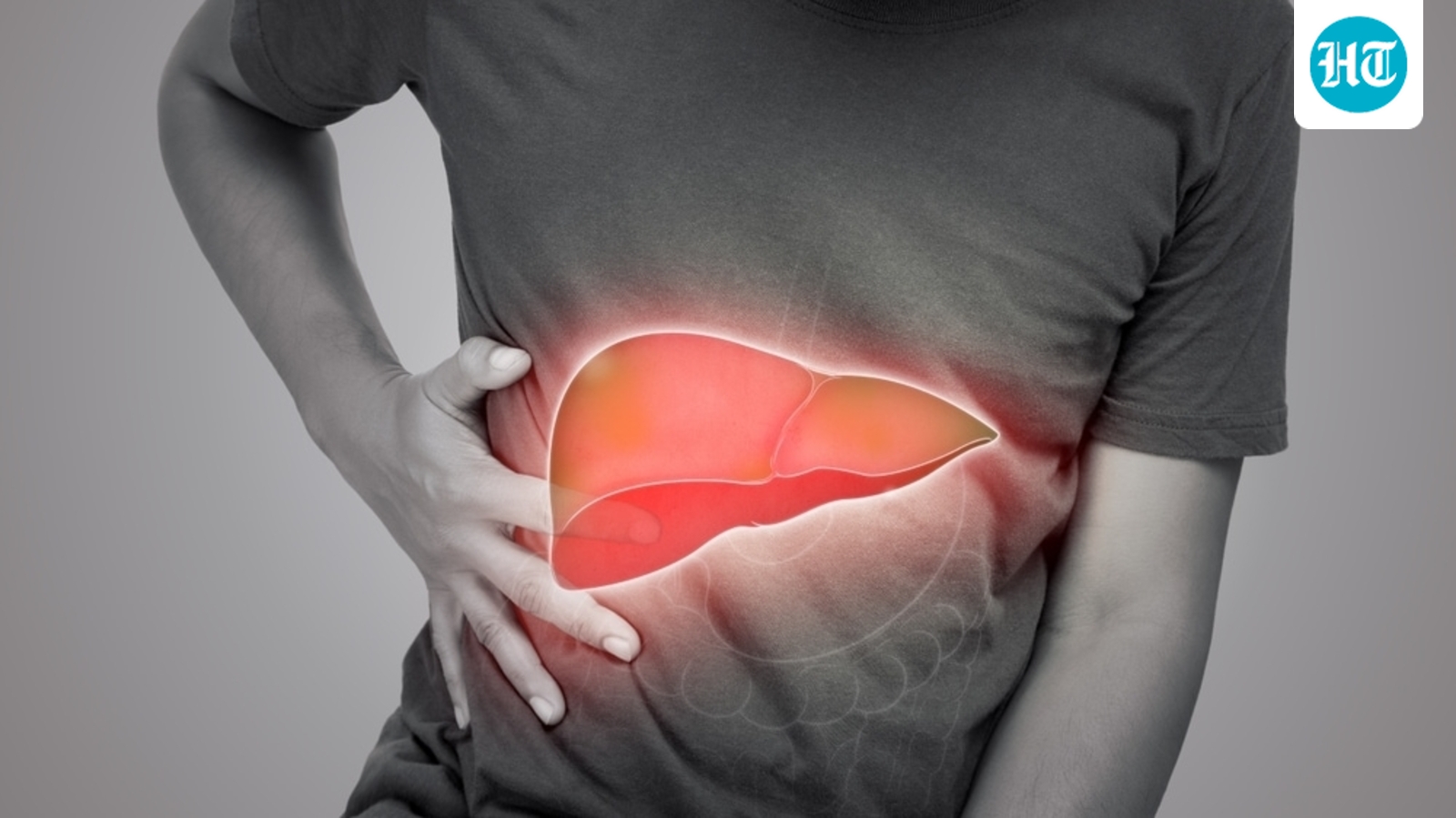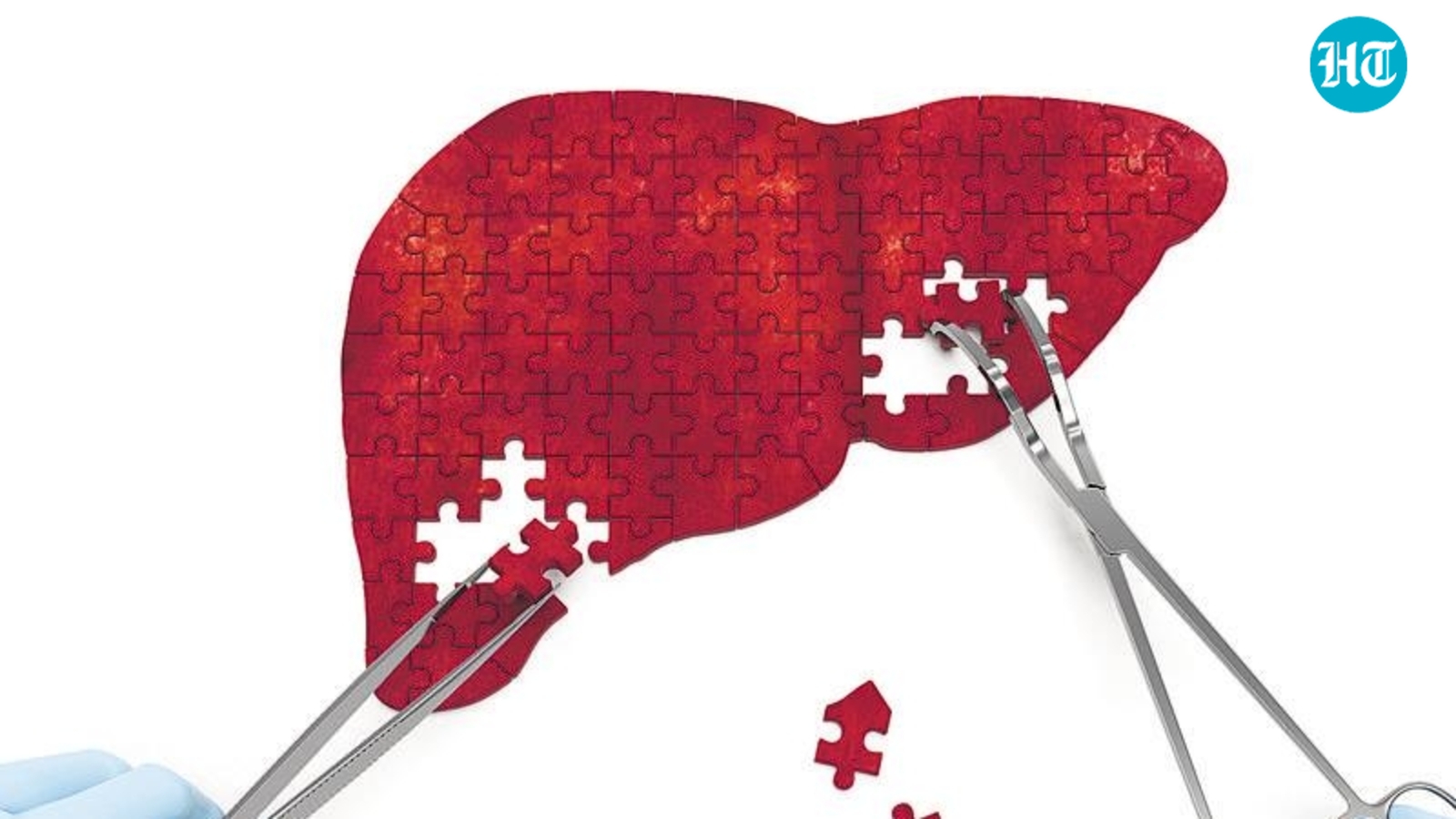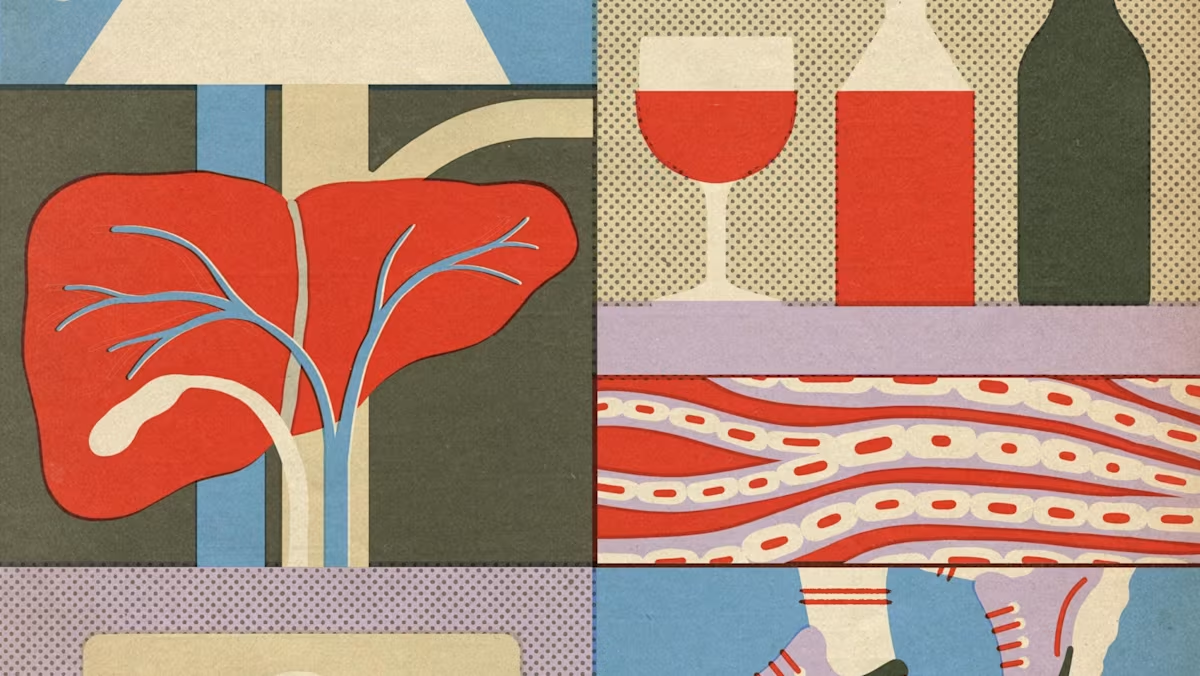
Yellow eyes, dark urine and itchy skin are more than just symptoms. (Pexel) From jaundice to persistent itching, Gastroenterologist explains the hepatitis symptoms you should never brush aside.The liver is one of the body's most vital organs, performing hundreds of essential functions, including filtering toxins, aiding digestion, storing nutrients, and regulating metabolism. However, when the liver becomes inflamed due to hepatitis, its ability to function properly is affected.One of the biggest challenges with hepatitis is that it often develops silently, with many people experiencing mild symptoms until significant liver damage has occurred. Dr Sanjay Khanna, Co-chairman of Manipal Institute of Gastroenterology, Hepato-Biliary and Pancreatic Sciences, Manipal Hospital Dwarka, New Delhi, reveals the early warning signs of hepatitis and why timely diagnosis can protect your liver.Also read | Who should get tested for hepatitis? Gastroenterologist shares screening guidelines even if you have no symptomsSigns of hepatitisAccording to Dr Sanjay Khanna, when hepatitis affects the body, it begins showing visible warning signs. Along with yellow eyes, dark urine, and itchy skin, some even experience fatigue, nausea, loss of appetite, abdominal discomfort, or fever.Hepatitis can be caused by viral infections, excessive alcohol consumption, certain medications, autoimmune diseases, or fatty liver disease. (Unsplash)“Ignoring these symptoms allows the infection or liver damage to progress silently. Hepatitis can be caused by viral infections (Hepatitis A, B, C, D, and E), excessive alcohol consumption, certain medications, autoimmune diseases, or fatty liver disease,” added Dr Sanjay Khanna. While some forms resolve on their own, others can become chronic and require long-term treatment.Tips to keep your liver healthyGet vaccinated against Hepatitis A and Hepatitis B.Fill your plate with fresh fruits, vegetables, whole grains, and protein while cutting down on processed and oily foods.Wash your hands regularly and make sure to stay away from contaminated food, water, and blood.Staying physically active keeps the body healthy and helps the liver to function better.Limit alcohol intake, avoid sharing razors or needles, and get vaccinated against hepatitis B as suggested by the doctor.Early diagnosis is essential to prevent long-term liver damage. (Unsplash)Diagnosis and treatmentDr Sanjay Khanna highlighted that early diagnosis is essential to prevent long-term liver damage. Blood tests to assess liver function and detect viral hepatitis, along with ultrasound and other imaging studies, help identify the underlying cause. In selected cases, advanced investigations such as FibroScan or liver biopsy may be required to assess the extent of liver damage.Treatment depends on the type and severity of hepatitis. Acute viral hepatitis often requires adequate hydration, nutrition, and rest, while chronic Hepatitis B and C may require antiviral medications to control the infection and prevent disease progression.Patients with autoimmune hepatitis may require immunosuppressive therapy, whereas alcohol-related or fatty liver disease is managed through lifestyle changes, weight management, and avoidance of alcohol. In advanced cases that progress to liver failure or end-stage liver disease, liver transplantation may be the only life-saving treatment option.Note to readers: This article is for informational purposes only and not a substitute for professional medical advice. Always seek the advice of your doctor with any questions about a medical condition.Anukriti Srivastava thrives at the intersection of words and voice, where journalism meets storytelling. A digital editor and journalist with over 5 years of experience, she has written across lifestyle, women issues, relationships, entertainment, fashion, and travel. She did her Masters in Broadcast Journalism and has published more than 500+ lifestyle content pieces across platforms.
Yellow eyes, dark urine, and more: Gastroenterologist explains the hepatitis symptoms that need immediate attention
From jaundice to persistent itching, Gastroenterologist explains the hepatitis symptoms you should never brush aside. | Health
759 words~3 min read