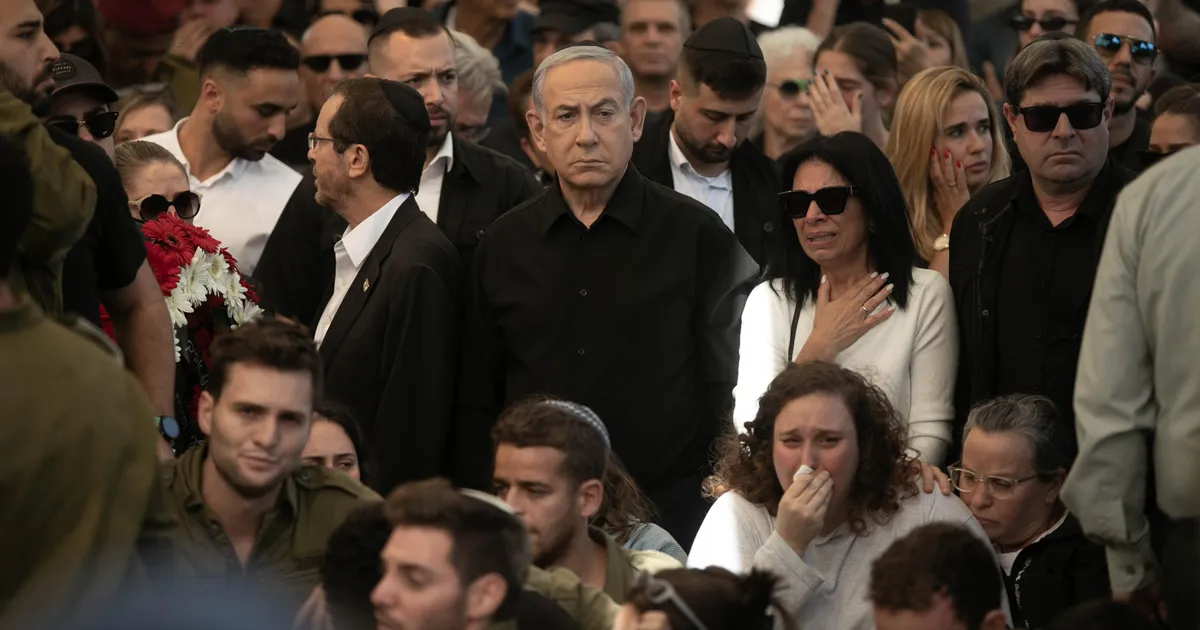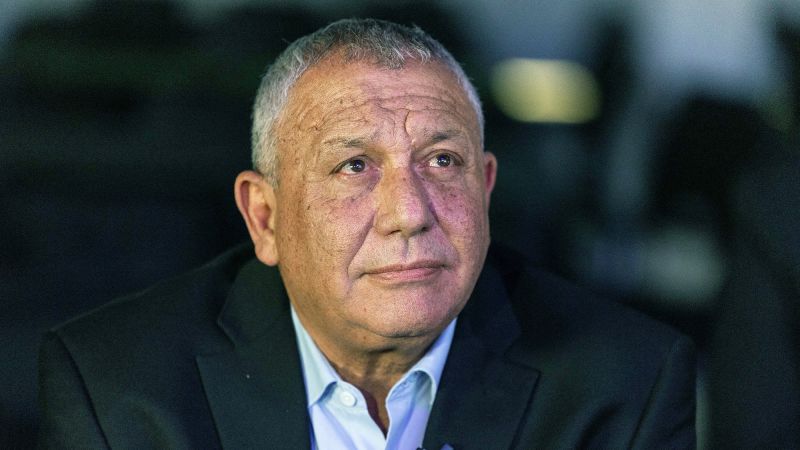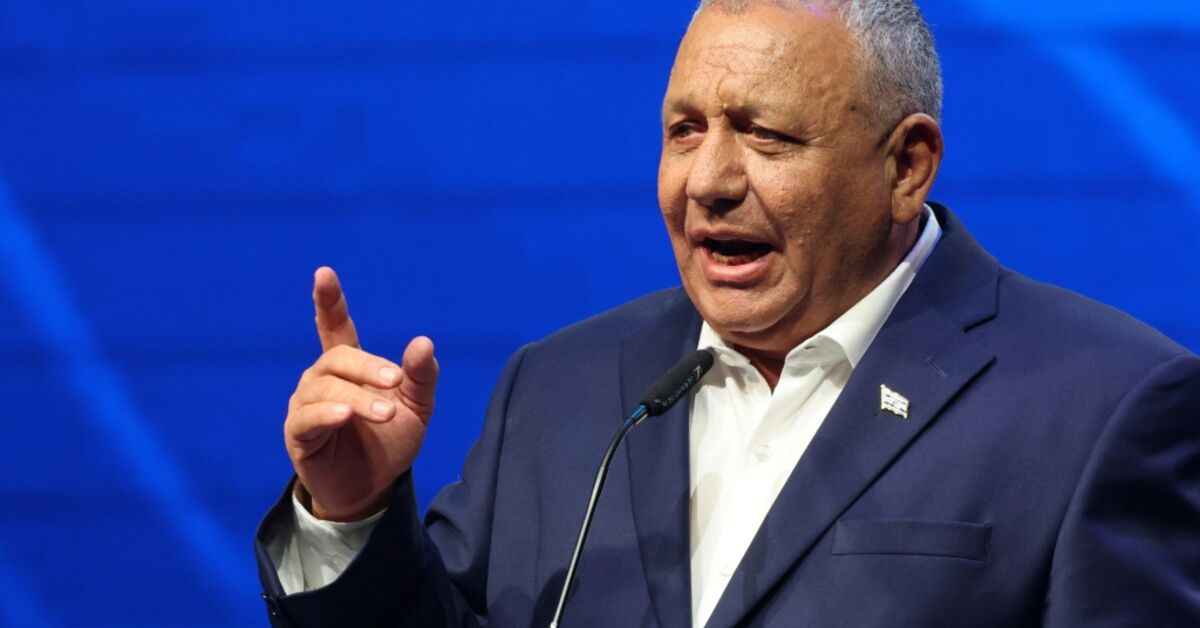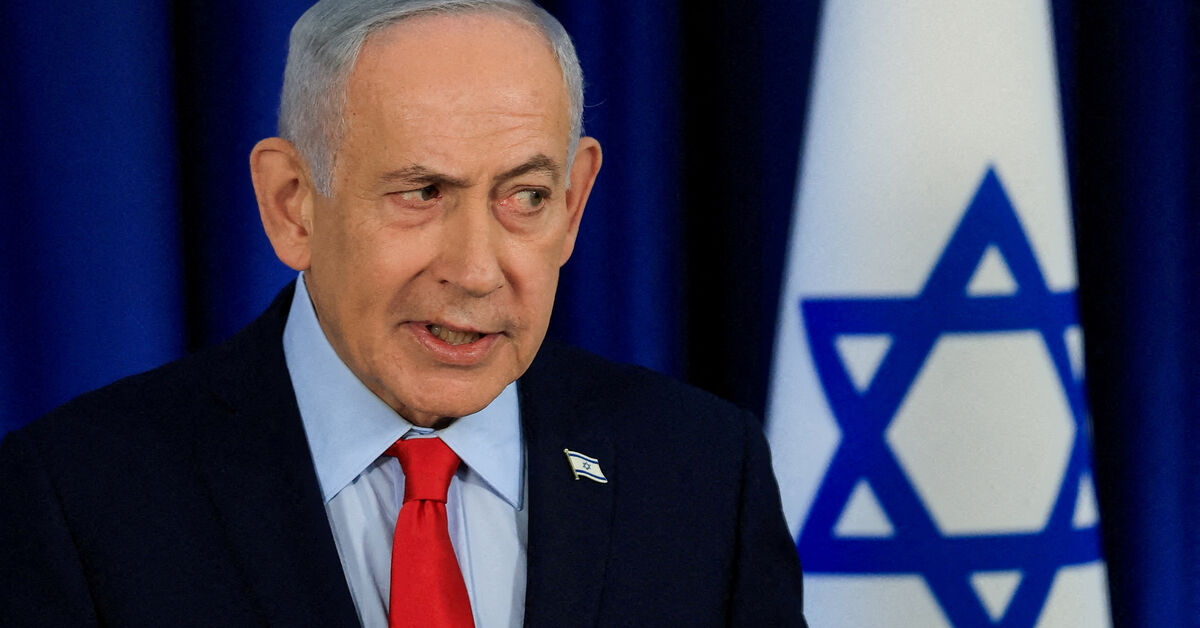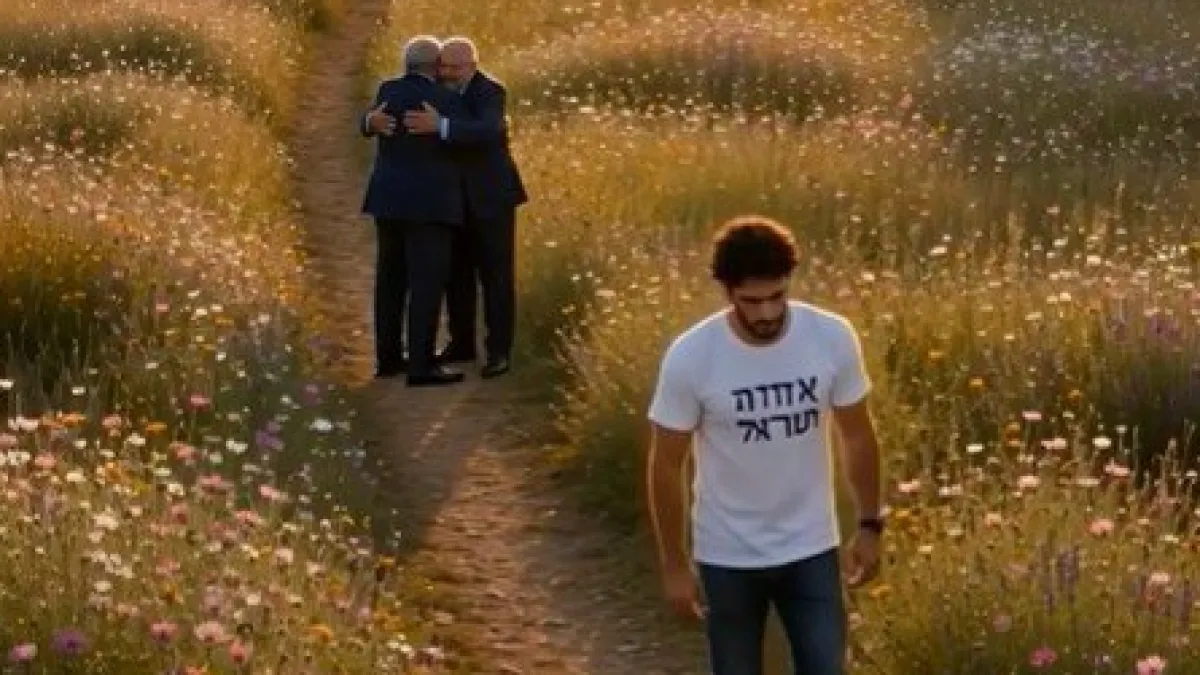
As Israel’s general election campaign got under way last month, Benjamin Netanyahu posted an attack ad video aimed at Gadi Eisenkot, the favourite to replace him as prime minister.
Eisenkot, a former commander of the Israeli military, is shown running through a sunlit wildflower meadow, a soppy grin on his face (the video is made by AI). His arms are open and he is about to hug a young man in a T-shirt reading “Israeli unity”, but then he turns away and embraces the leader of the Arab Ra’am party.
The advert caused outrage, because the young man appears to resemble Eisenkot’s son, killed fighting in Gaza at the age of 25.
Among those condemning the ad was David Horovitz, former editor of the Jerusalem Post and perhaps the best-known Israeli journalist writing in English. The country’s prime minister was, he wrote, “plumbing new depths” to besmirch a rival by depicting him “ignoring a beyond-the-grave Israel-unifying plea from his own fallen son”. Netanyahu was “desperate” and “shameless”, he said.
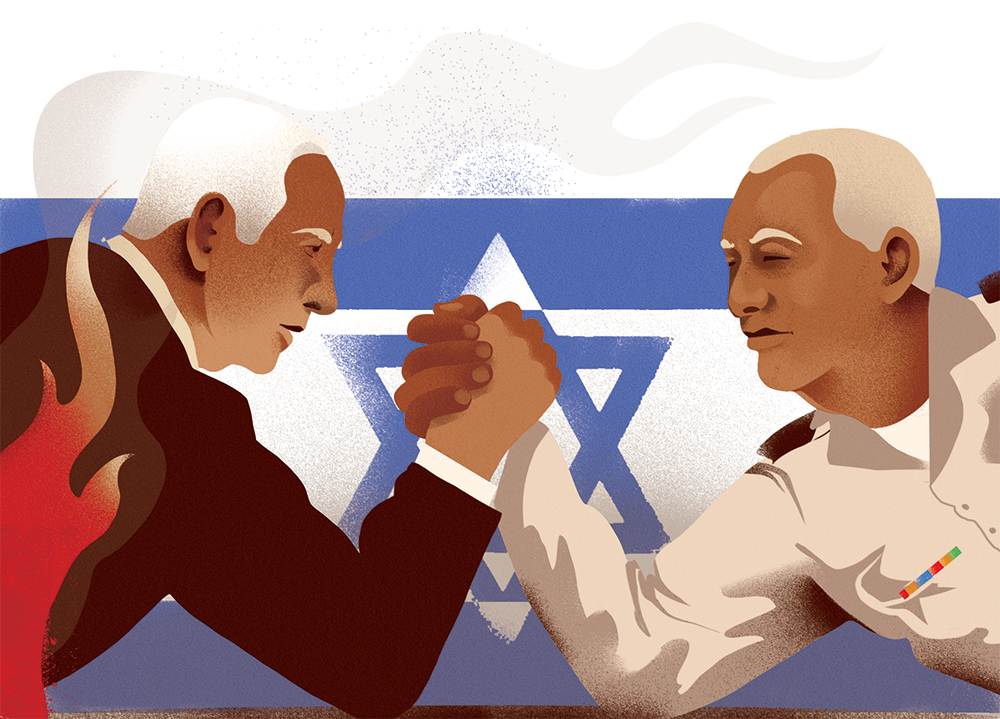
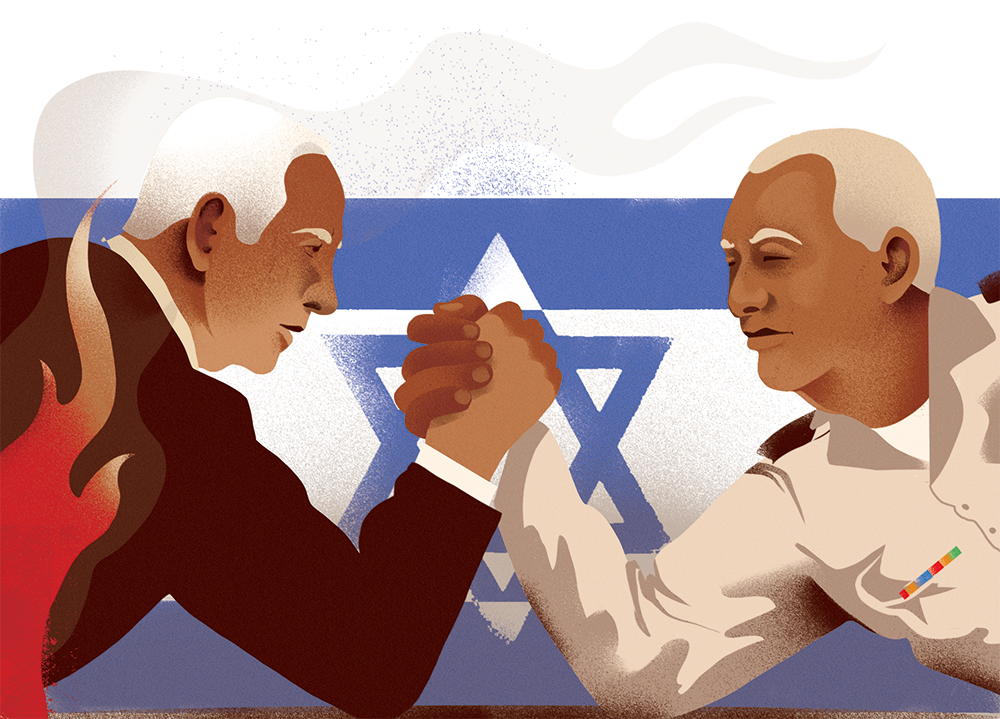
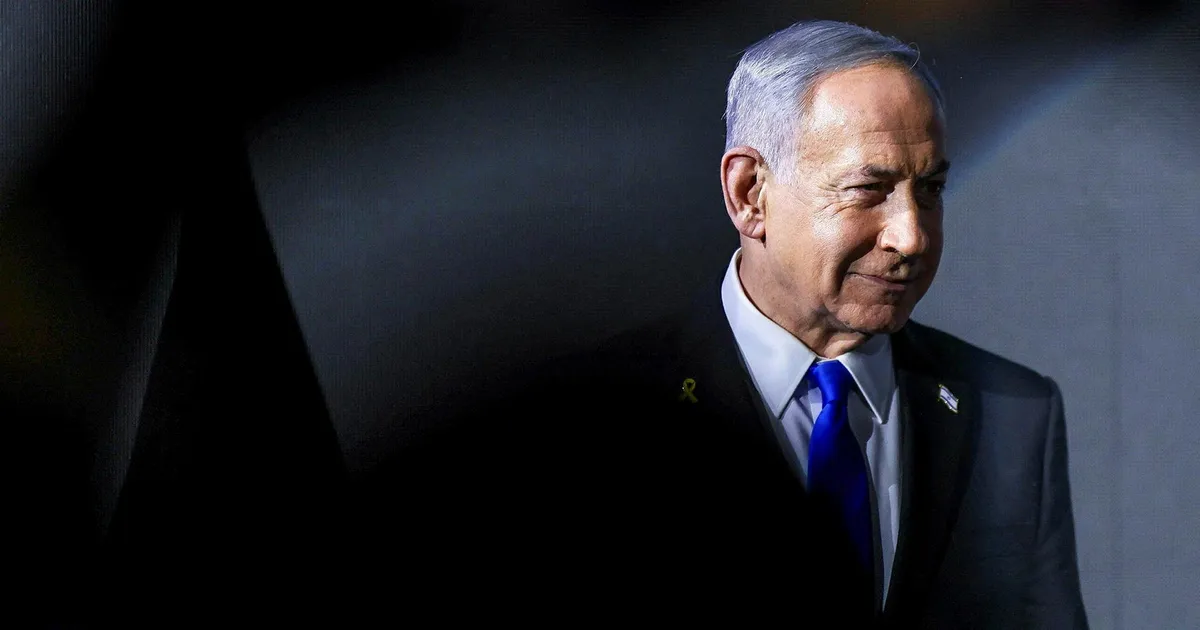
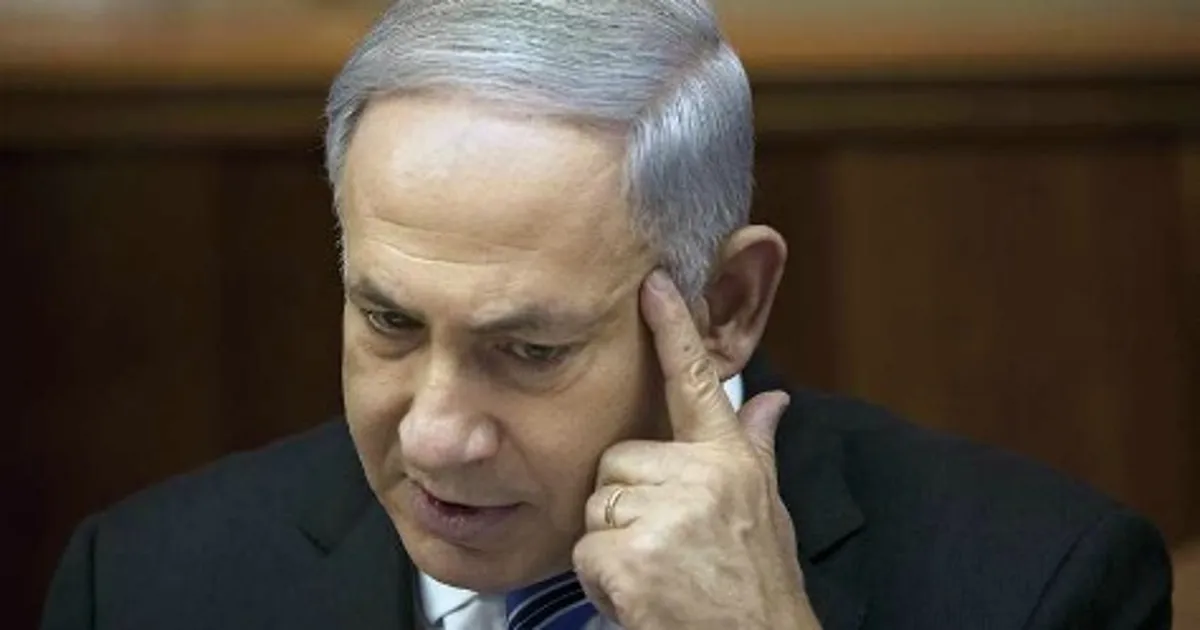
Netanyahu’s Likud party denied the AI-generated video was meant to look like Eisenkot’s son, though they did put out a new clip with a woman in the unity T-shirt. Whatever the facts of this particular controversy, Horovitz’s accusations demonstrate the central fact of this election. It is a referendum on one man: Netanyahu.