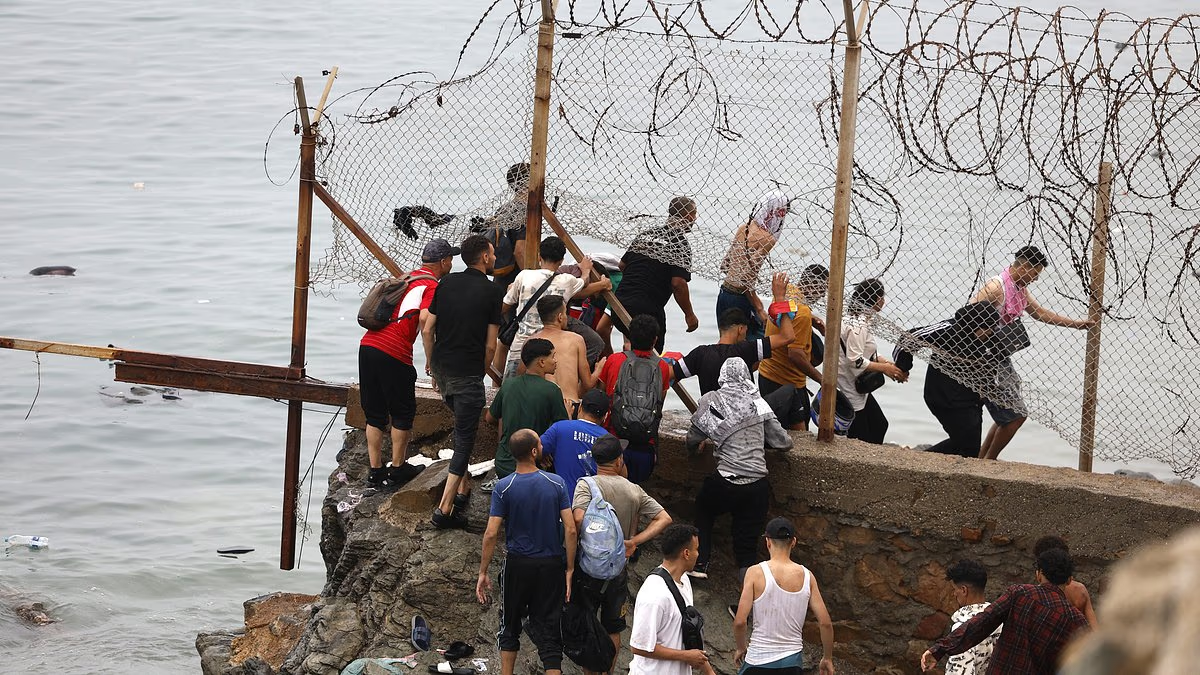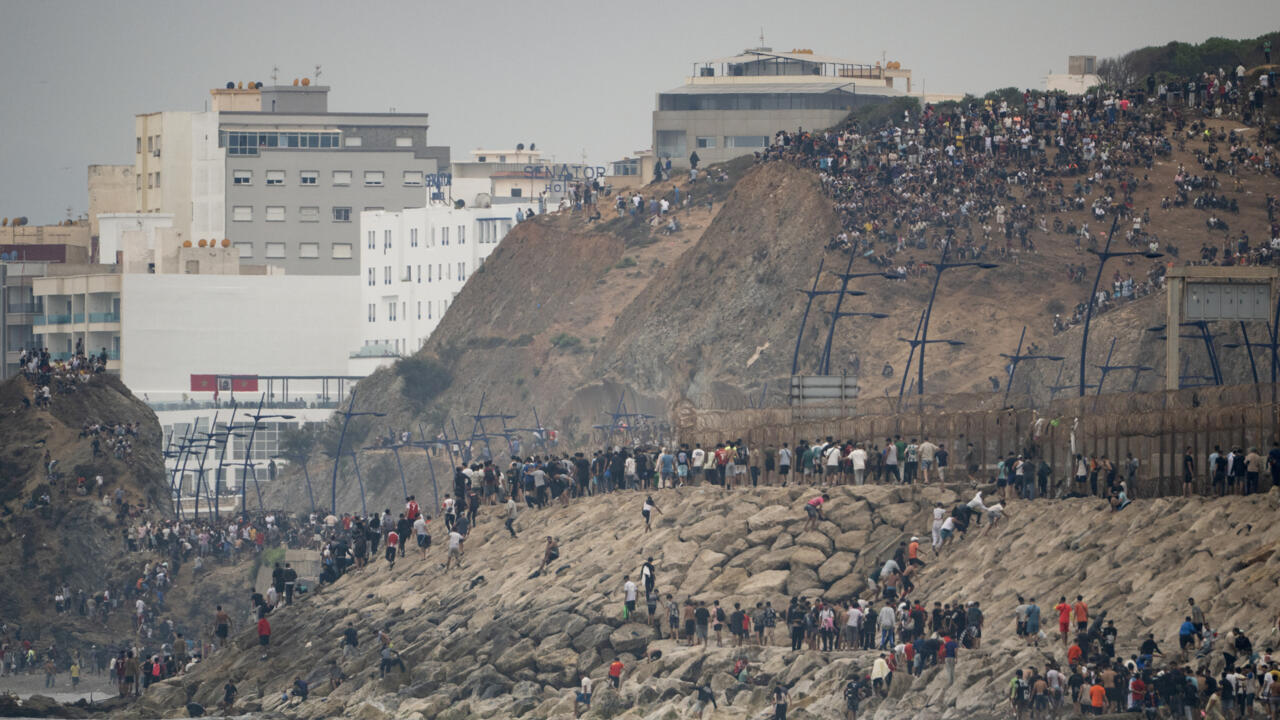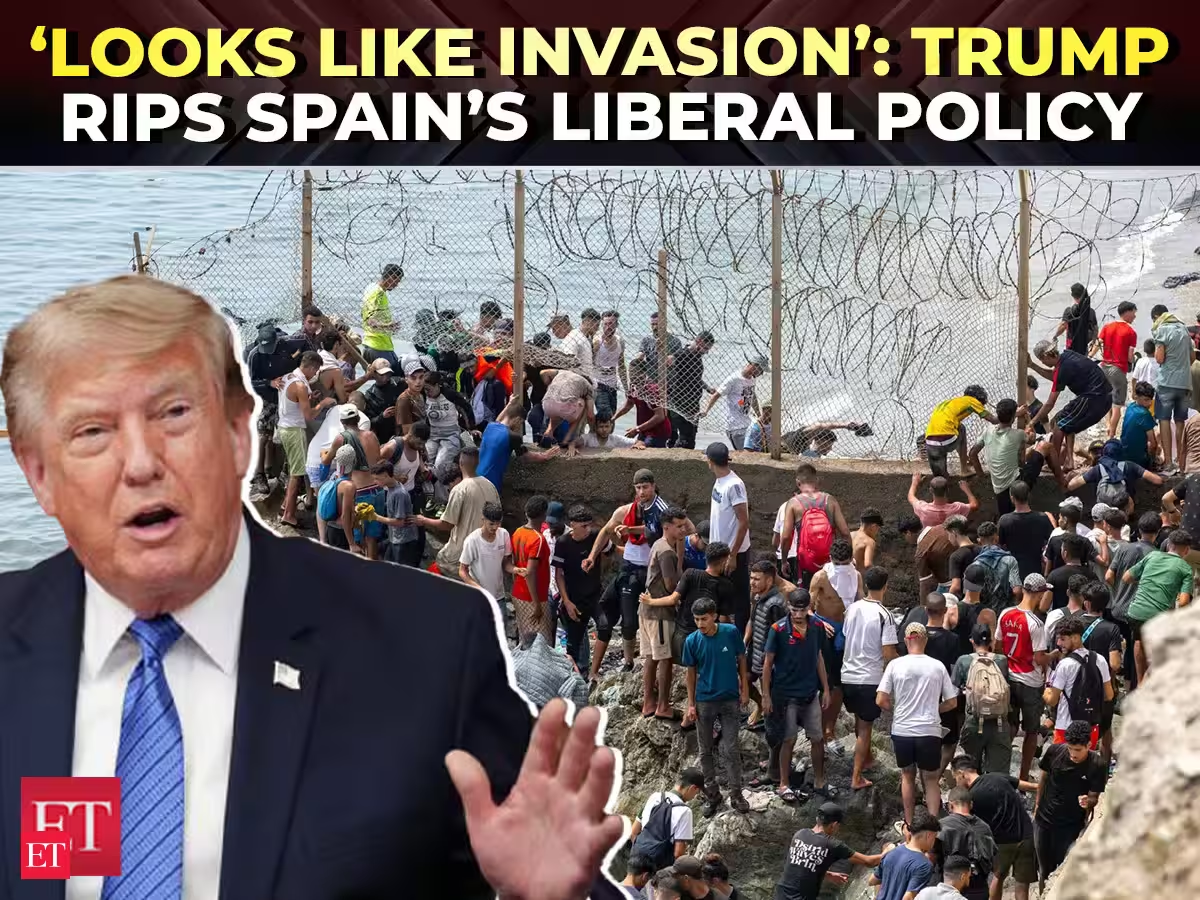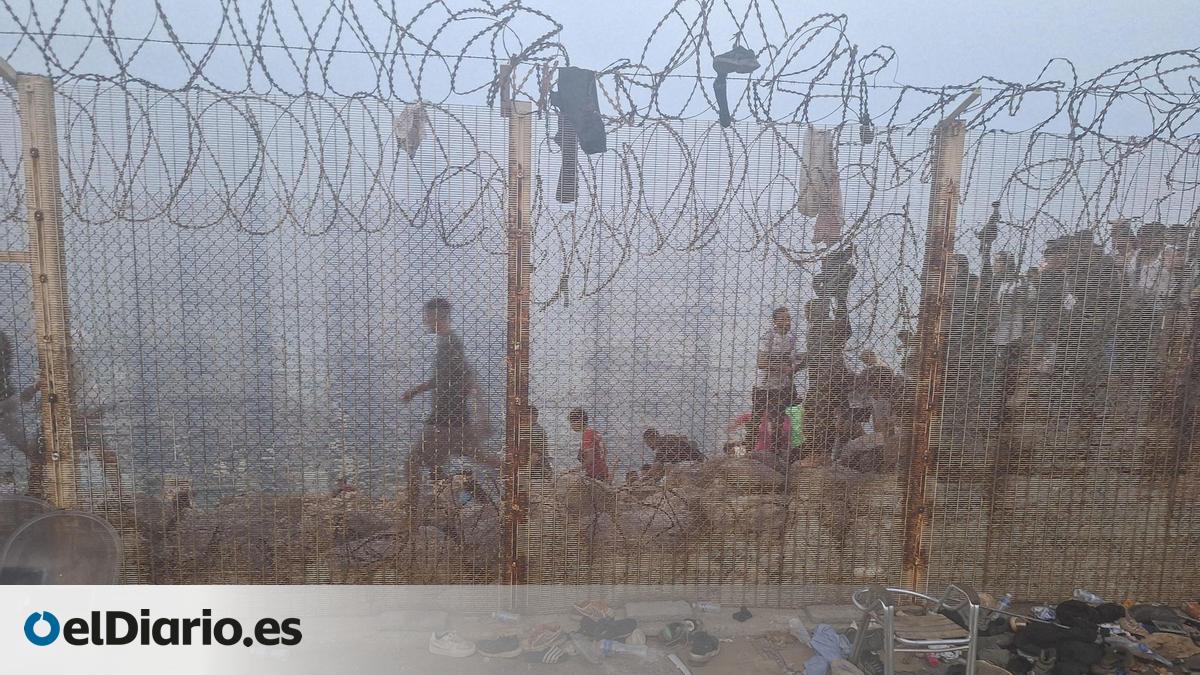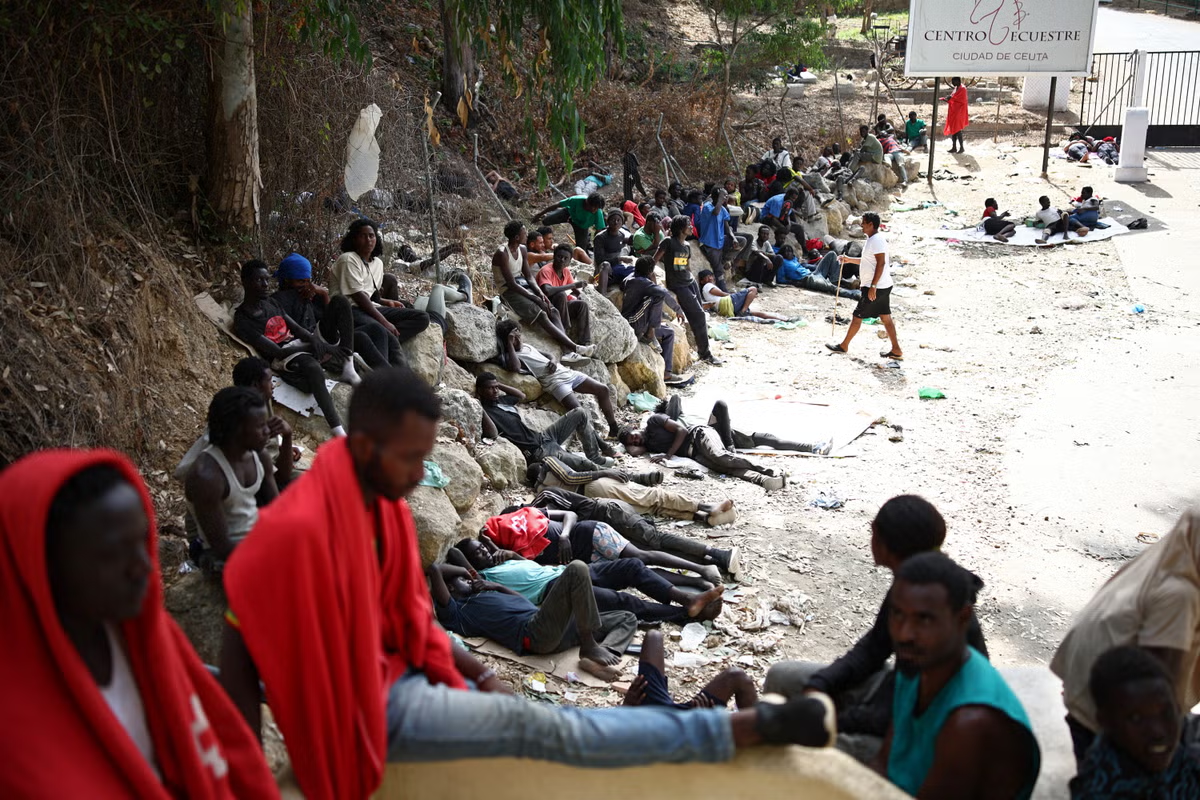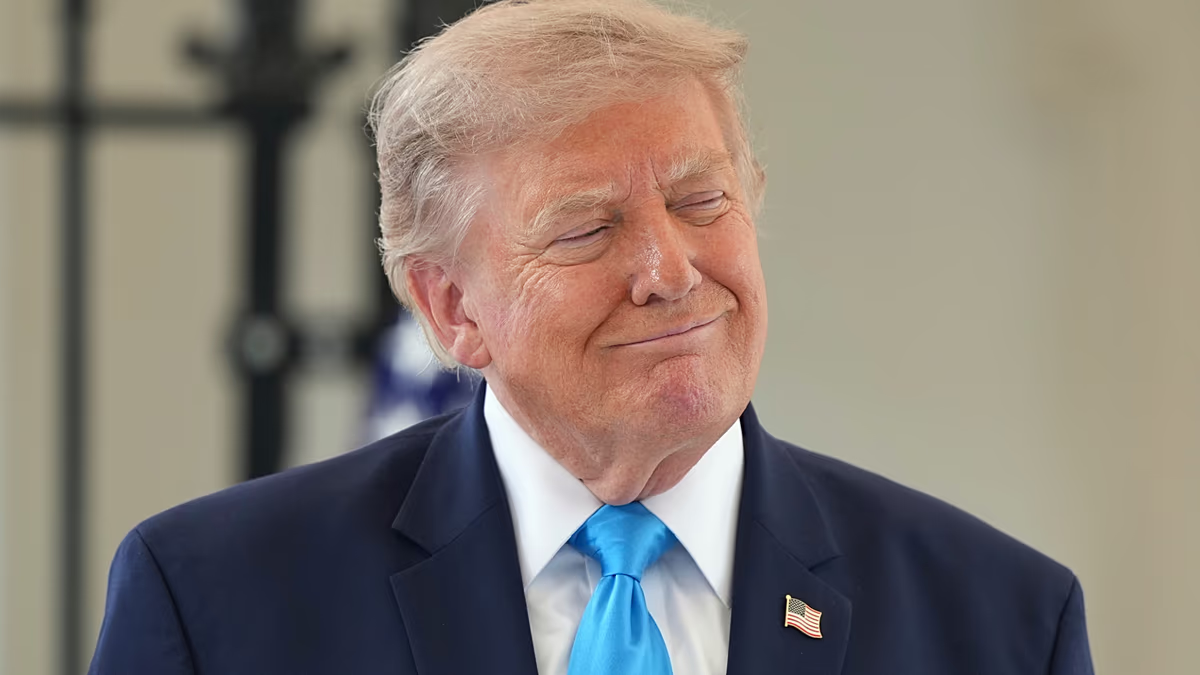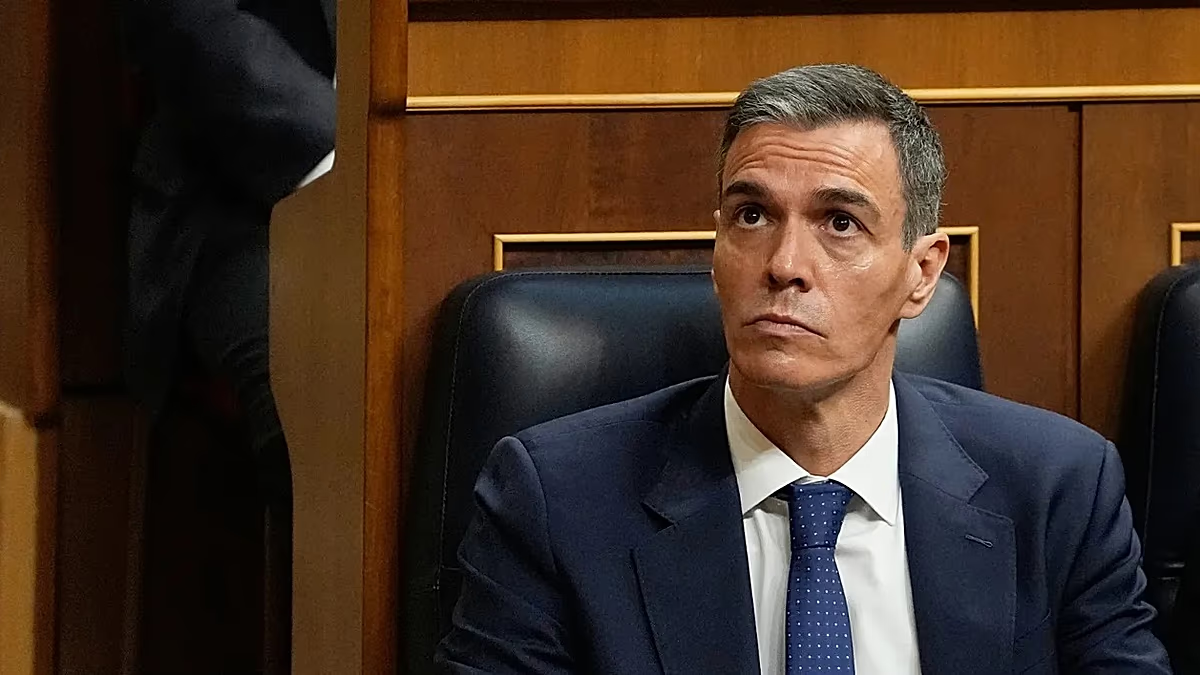
Donald Trump has been doing it for months – using every opportunity to attack a man he regards as a dangerous socialist. Europe’s conservatives have been more circumspect. But last week’s dramatic influx of migrants, the biggest single day of irregular crossings anywhere in the EU for a decade or more, has given them the chance to pile in against Spain’s Prime Minister Pedro Sánchez. And they’ve done it with alacrity.
The crisis casts a spotlight on pretty much every aspect of contemporary politics, instant communication and the unrelenting surge by populists. It has given succour to the far right demonstrated the fragility of European unity.
The stakes could not be higher. In Germany, the far-right AfD is gearing up for success in three regional elections next month. In France, everything hinges on next spring’s presidential elections; victory for Marine Le Pen and the National Rally, with their pro-Putin leanings and strong support from Donald Trump, would call into question the future of the European Union and Nato.
Across Europe, mainstream governments are hanging on by a thread, often aping the messaging of the extremes to curry favour with voters, particularly on immigration.
Sánchez has been different. Despite intense pressure, he has refused to increase defence spending to the level demanded by Nato, refused to ingratiate himself with Trump, attacked his war in Iran and Israel’s destruction of Gaza, denounced climate change, and taken a different approach to immigration. He has defiantly argued that Spain and Europe need migrants to fill the gap of a declining labour force.