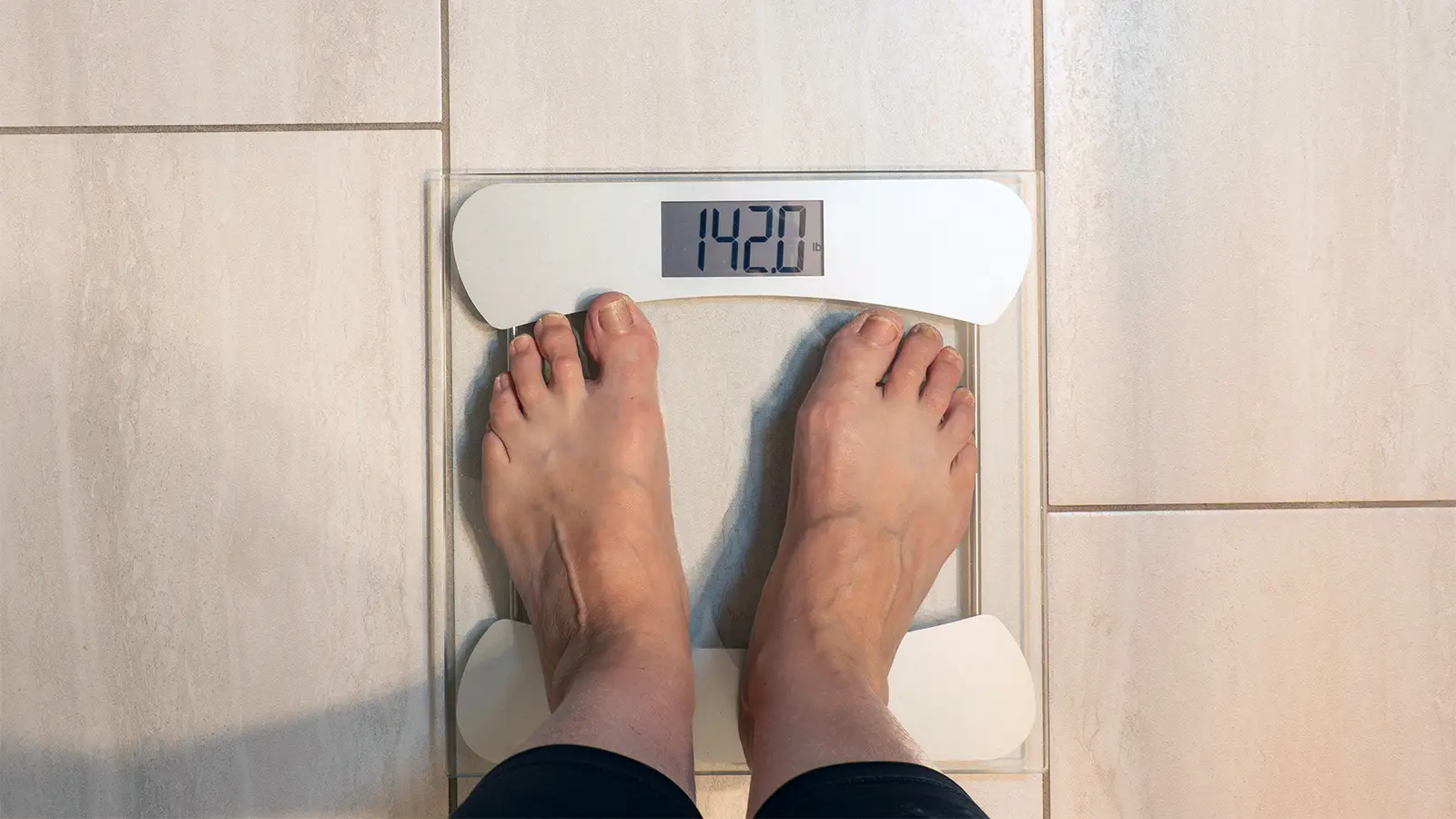
Body mass index (BMI) has long been the standard for diagnosing obesity. A BMI of 25 to less than 30 is considered overweight, while a BMI of 30 or higher defines obesity.
However, momentum is building to move beyond BMI. In 2023, the American Medical Association advised against using BMI as a standalone diagnostic tool, driven by data showing BMI often fails to reflect actual body fat percentage.
Now, clinicians face a major paradigm shift: continue relying on BMI, or diagnose obesity based on fat distribution and organ dysfunction.
"The frameworks are gaining conceptual traction faster than practical traction," said Brian Lee, MD, MAS, a hepatologist and liver transplant specialist at Keck Medicine of USC in Los Angeles. "Outside of research settings and some obesity medicine practices, anthropometric measures beyond BMI are still uncommon in routine visits."
Reality in Clinical Practice