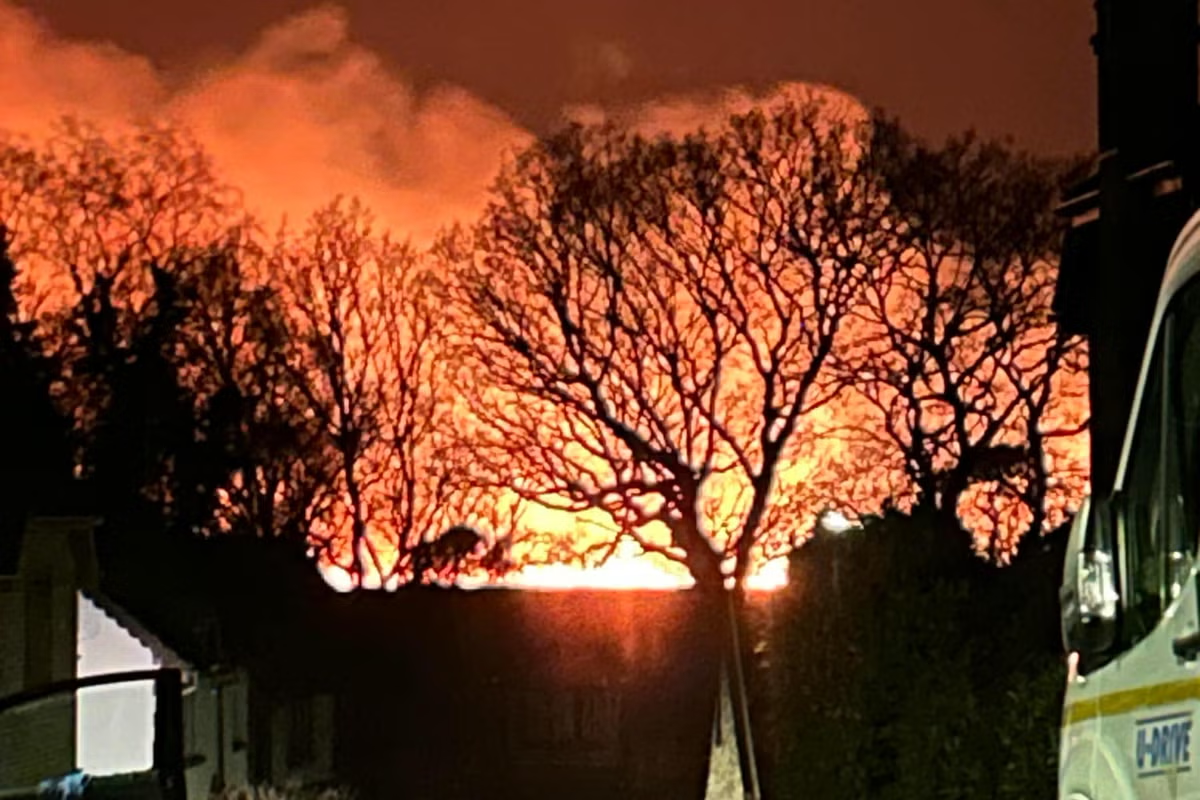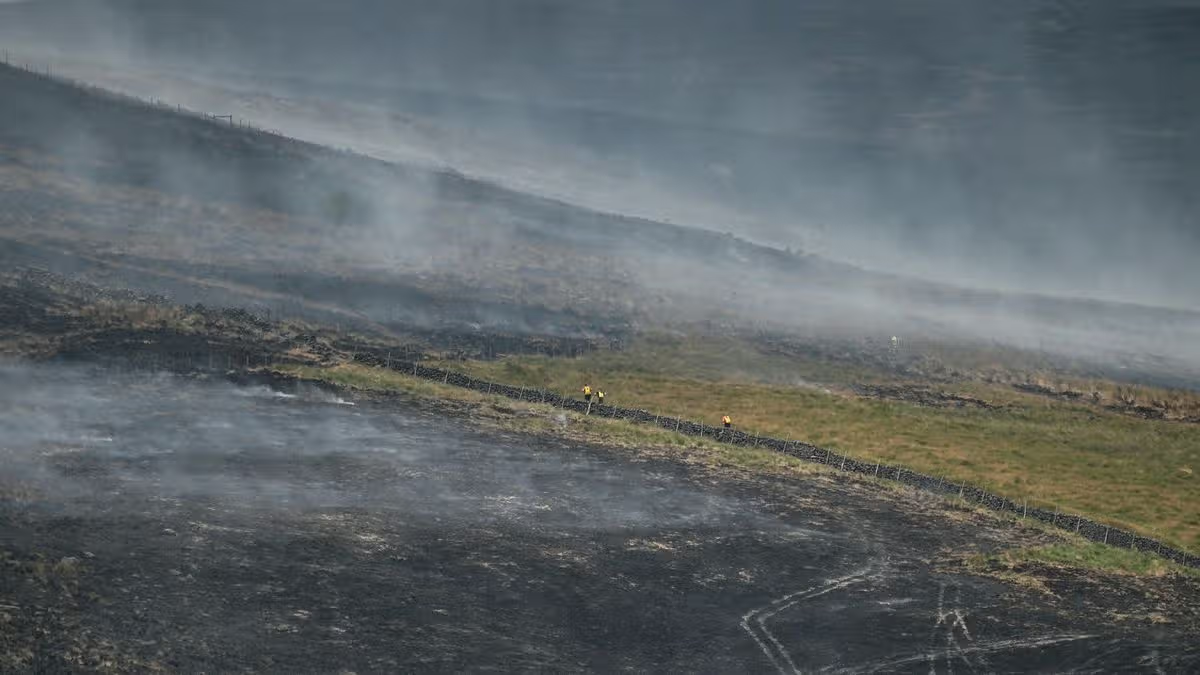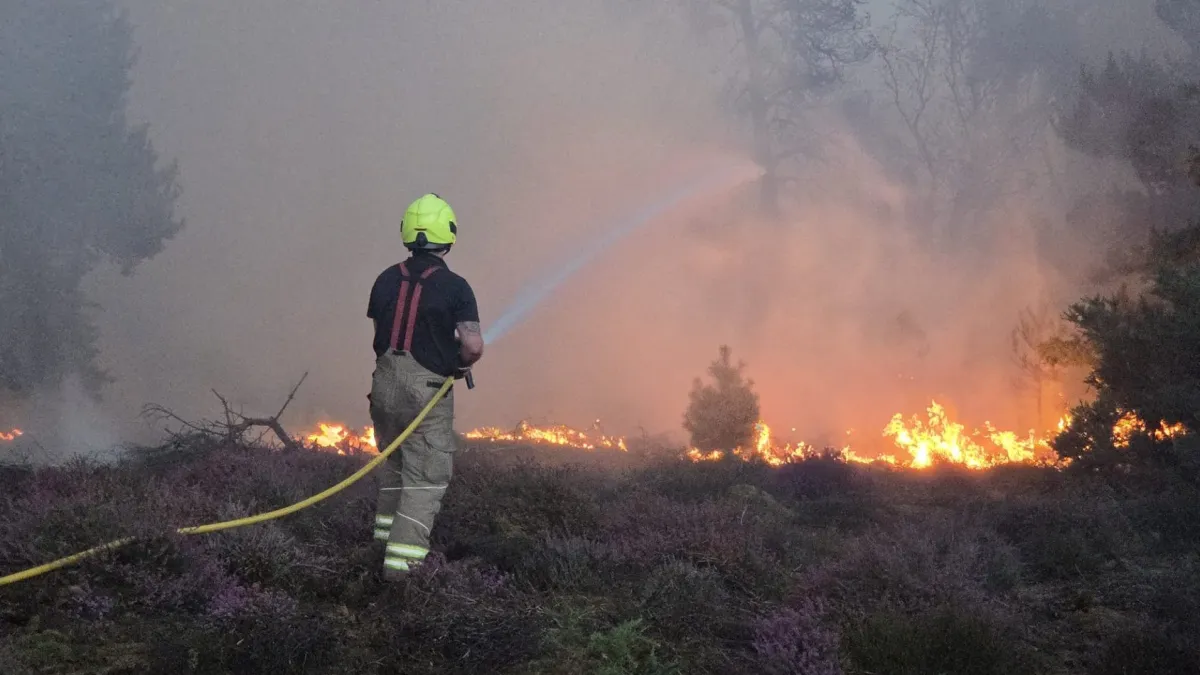
It was lunchtime in a quiet village on the edge of London when Laurence Kamm looked out of his front window and was appalled to see glowing embers streaming through the air. A retired driving instructor with a keen sense of community, he stepped outside to investigate and found himself in a totally unexpected maelstrom of heat and smoke.
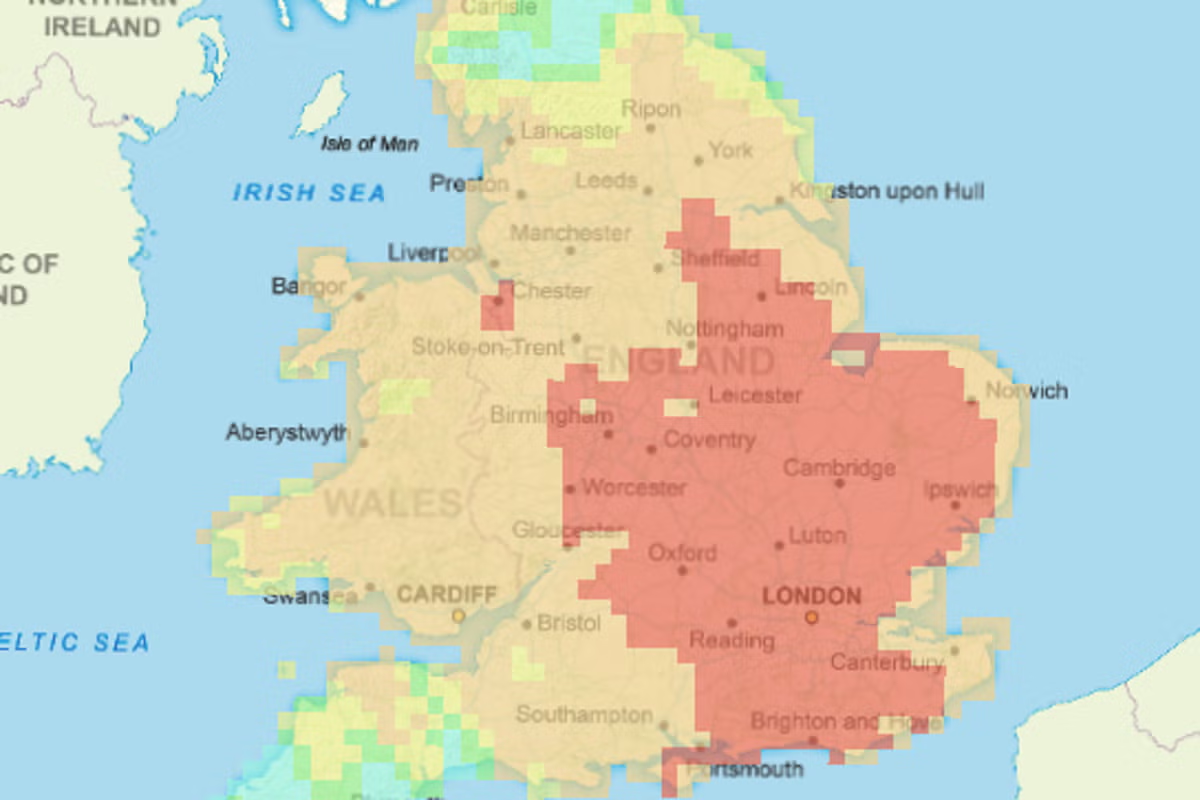
It was July 19th 2022, Britain’s hottest day, when the temperature reached a record 40°C and the unimaginable was about to become reality: Laurence’s village, Wennington, was soon to be engulfed by fire.
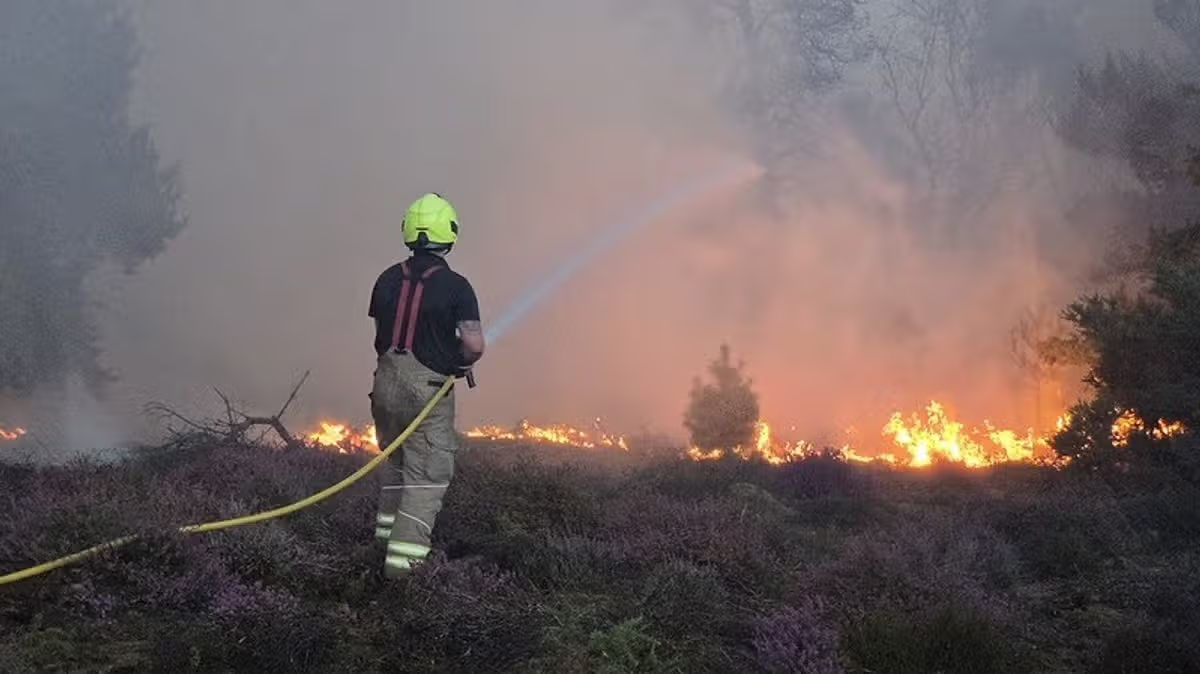
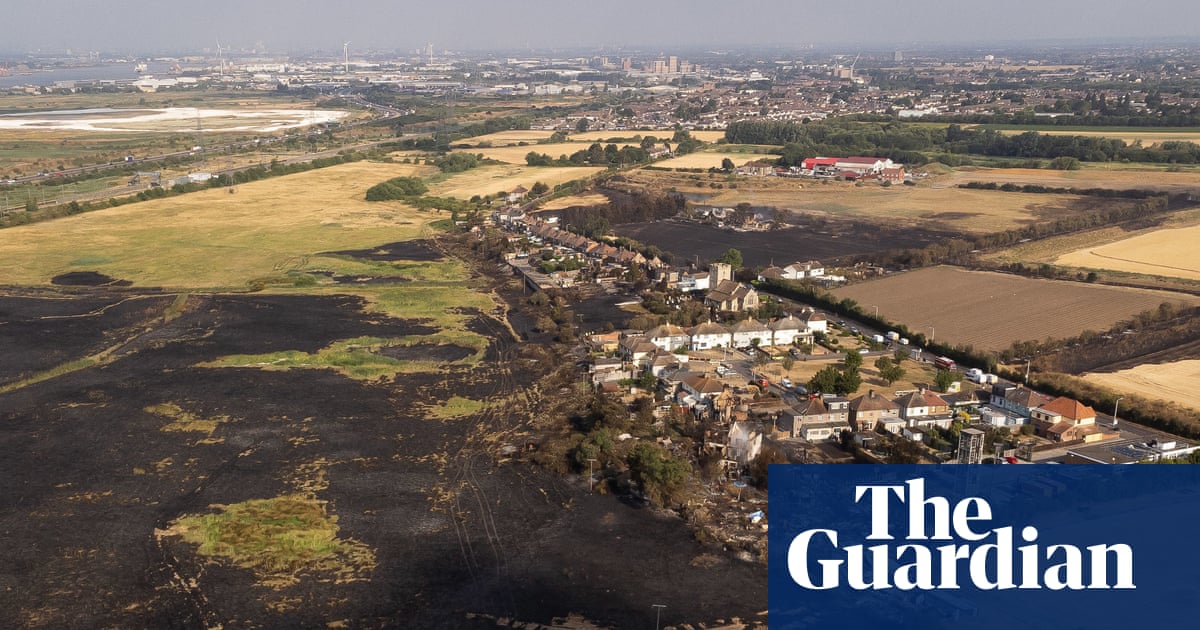
The embers were flowing from a semi-detached house nearby. That was just the start. A dried-out marsh beside the village was alight and the wind was driving the wildfire into one home after another. It was like an invasion. Laurence and others banged on doors, shouting at people to get out, one family saving their tortoise, a woman fleeing barefoot with her cat in its bed, others losing everything.
After leading his wife to the sanctuary of the medieval church, he had the idea of spraying his burning lawn – only to watch in horror as the water vaporised and the grass reignited. Within a matter of hours, in scenes that resembled a war zone, 18 houses were destroyed. In a lucky twist of fate, Laurence’s survived. In all, a staggering 40 homes in the London area were burned that day with another 30 in West Yorkshire and Norfolk. It was the largest ever loss of British housing to wildfire. And it’s shocking to me how little known this is. It’s the unrecognised impact of temperatures being driven up by carbon-fuelled climate change.