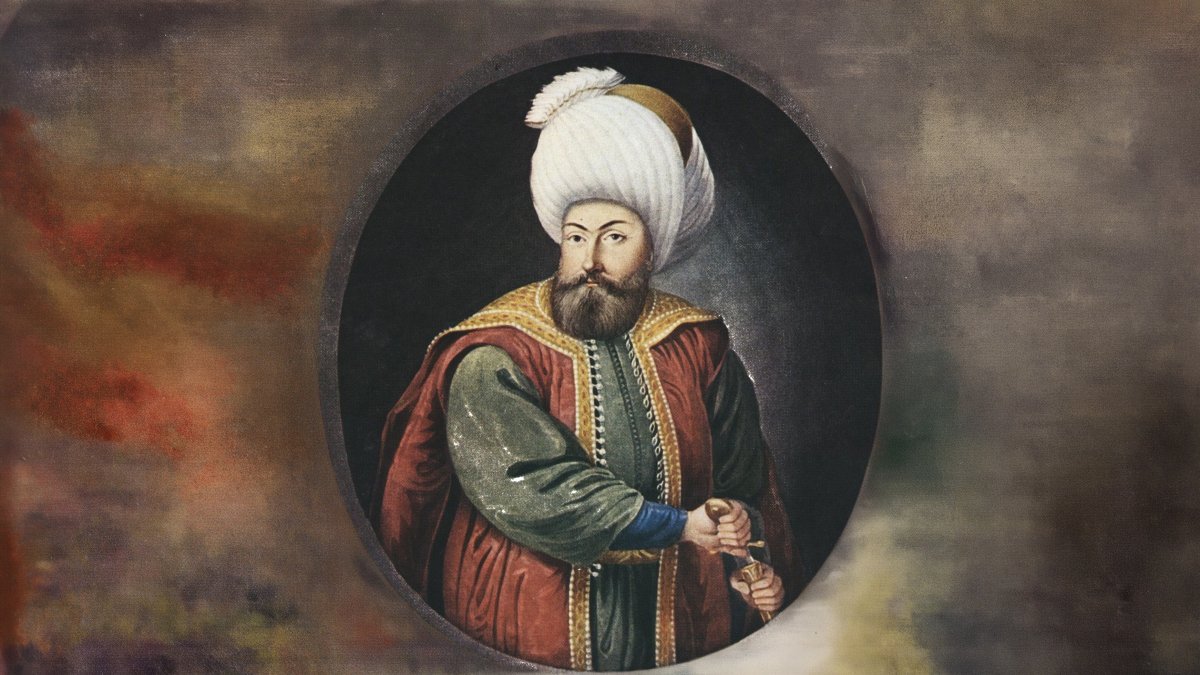
Osman I, also called Osman Gazi, the founder of the Ottoman Empire, transformed the Kayı tribe into a powerful political force in western Anatolia, laying the foundations of an empire that would eventually span three continents through military success, strategic leadership and a governance model centered on justice, according to a Turkish historian.
Known for his courage, military skill and political foresight, Osman Gazi expanded his territory through a series of conquests while establishing the administrative framework of the emerging Ottoman Empire. Historians say his leadership was shaped by the governance traditions inherited from his father, Ertuğrul Gazi, as well as the spiritual guidance of Sheikh Edebali.
By defeating neighboring Byzantine fortress lords, known as tekfurs, and implementing policies aimed at protecting local communities, Osman Gazi earned the trust of the population and secured stability in newly conquered territories, paving the way for the Ottoman Empire's rapid expansion.
Following the conquest of Bursa in 1326, Osman Gazi was buried in the city's Tophane district in accordance with his final wish. His tomb remains one of the most significant symbols of respect for the founder of the Ottoman Empire and continues to attract visitors.