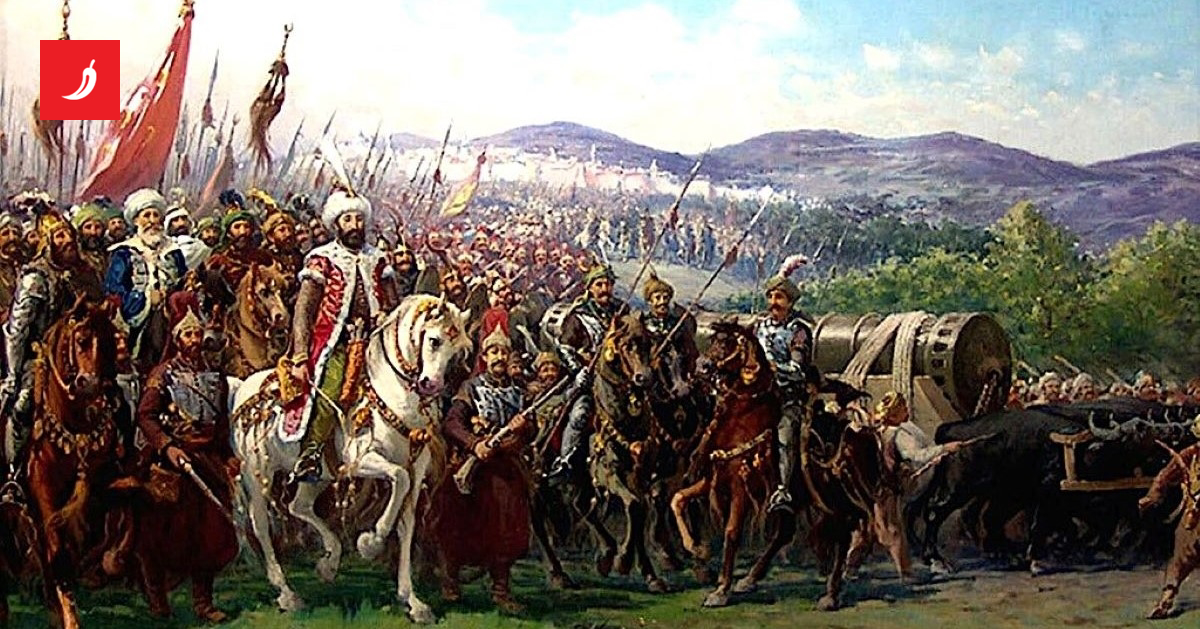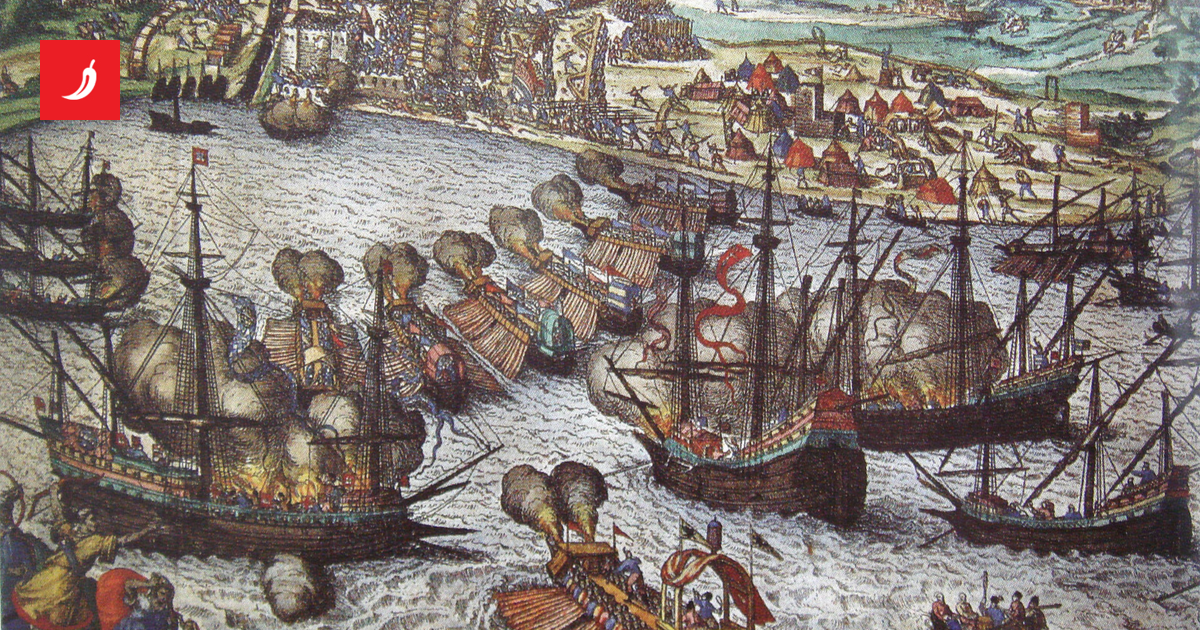
The conquest of Istanbul on May 29, 1453, remains one of the most transformative moments in world history, marking not only the rise of the Ottoman Empire as a global power but also the end of the Byzantine Empire after more than 1,100 years of existence.
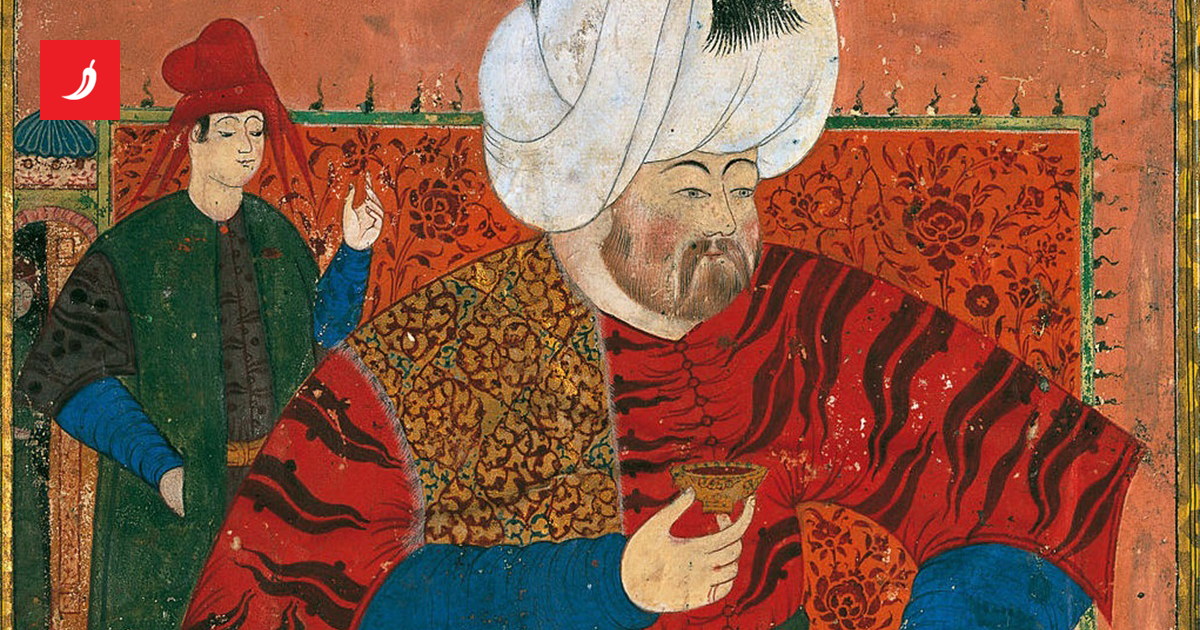
The city fell following a 53-day siege led by 21-year-old Ottoman Sultan Mehmed II, also known as Fatih Sultan Mehmet, bringing an end to an empire that traced its roots to the Roman Empire.
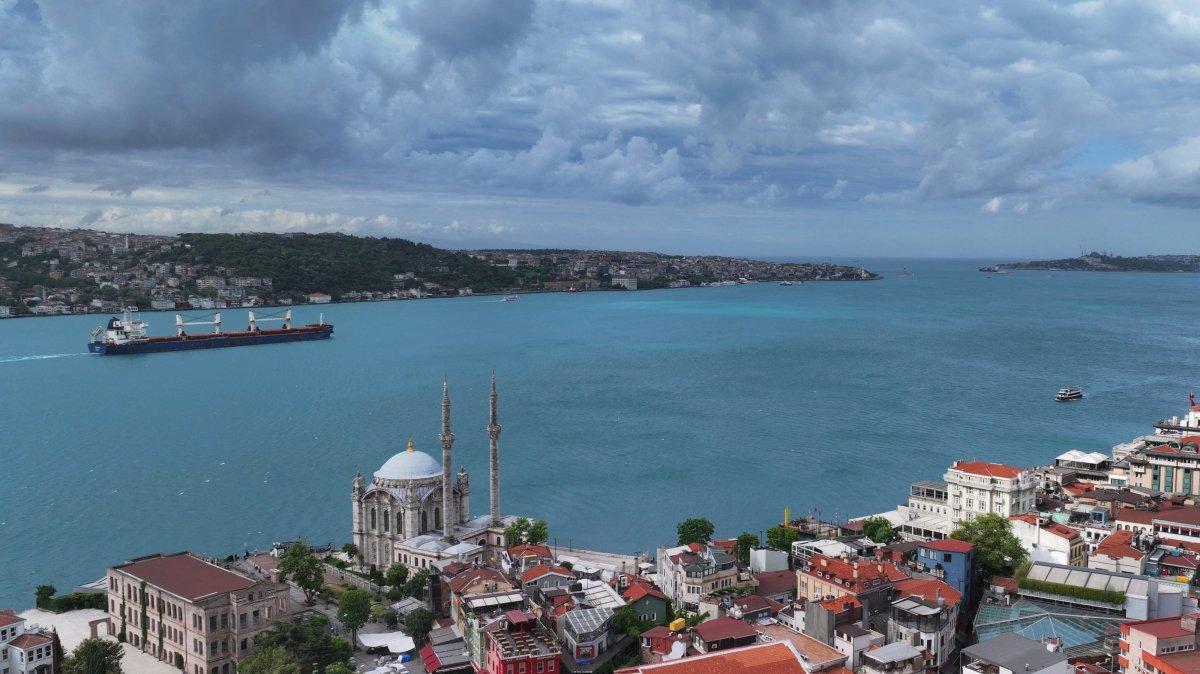
For centuries, Constantinople, now Istanbul, served as the capital of the Byzantine Empire and a major center of trade and politics. Founded in 330 by Constantine the Great, the city was protected by the Theodosian Walls and remained unconquered for centuries despite repeated sieges.
For centuries, Constantinople, now Istanbul, was the capital of the Byzantine Empire and one of the world's leading political, religious and commercial centers.
Founded by Constantine the Great in 330, the city controlled key trade routes between Europe and Asia. Its Theodosian Walls, built in the fifth century, protected Constantinople from numerous attacks and helped preserve Byzantine rule for more than 1,100 years.