Nigeria’s SMEs generate almost half of GDP and employ nearly 9 in 10 working Nigerians. Yet they account for just a fraction of the country’s total exports, leaving the country’s largest job engine almost invisible in global trade.
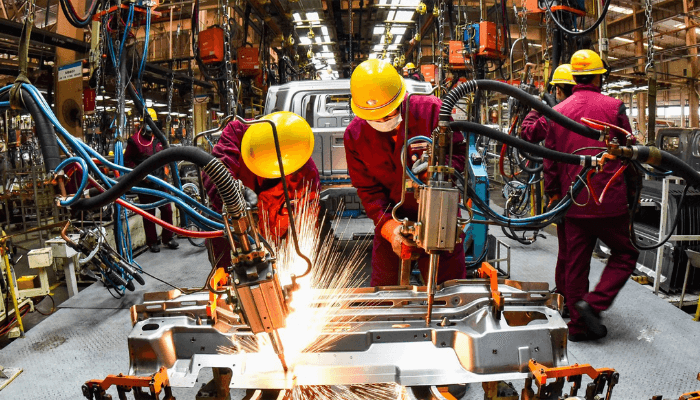
Vietnam, on the other hand, started from a similar place. In the 1990s, its SMEs struggled with power cuts, limited access to credit, and high failure rates. Two decades later, those same firms powered an export manufacturing boom, supplying global supply chains.
The difference was not luck. Vietnam fixed electricity, made banks lend to small firms, and plugged them into foreign investment. For Nigeria, where policy inconsistency and diesel costs still stall manufacturers, Vietnam’s playbook offers clear lessons.
In a 2025 interview with BusinessDay, Oye Akinsemoyin, the director-general of the Nigeria Vietnam Chamber of Commerce & Industry, said, “Nigeria has a lot to learn from Vietnam by using its model of farm settlements and integrated circular economy industrial parks, sustainable infrastructure, renewable energy, and multimodal transportation systems for rapid economic growth and development.”
He also stated that Vietnam was able to transition from being a net importer of food to being a net exporter in a very short time and earns over $72 billion annually using its MSME sector.