(Image credit: Tom's Hardware)
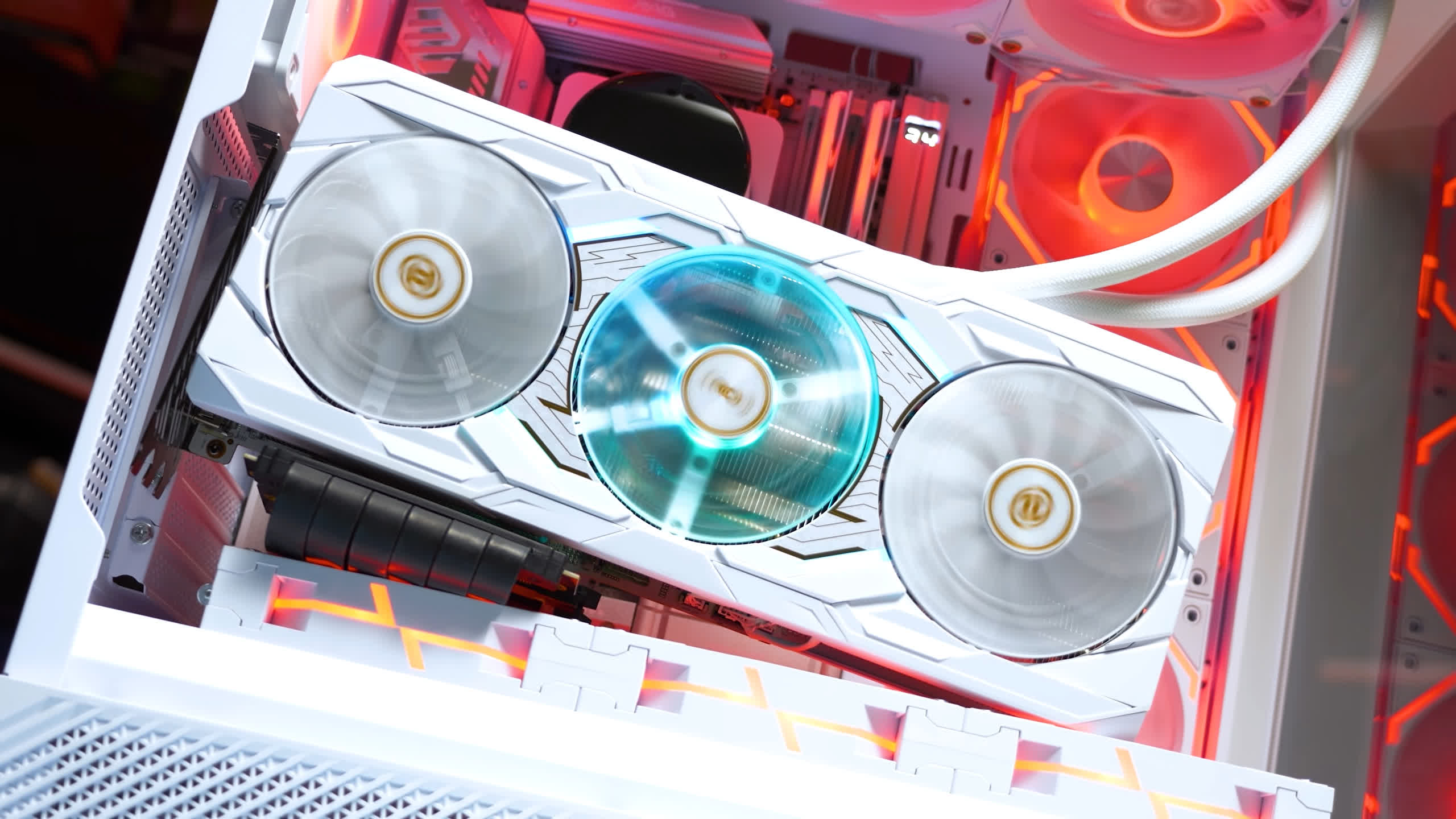
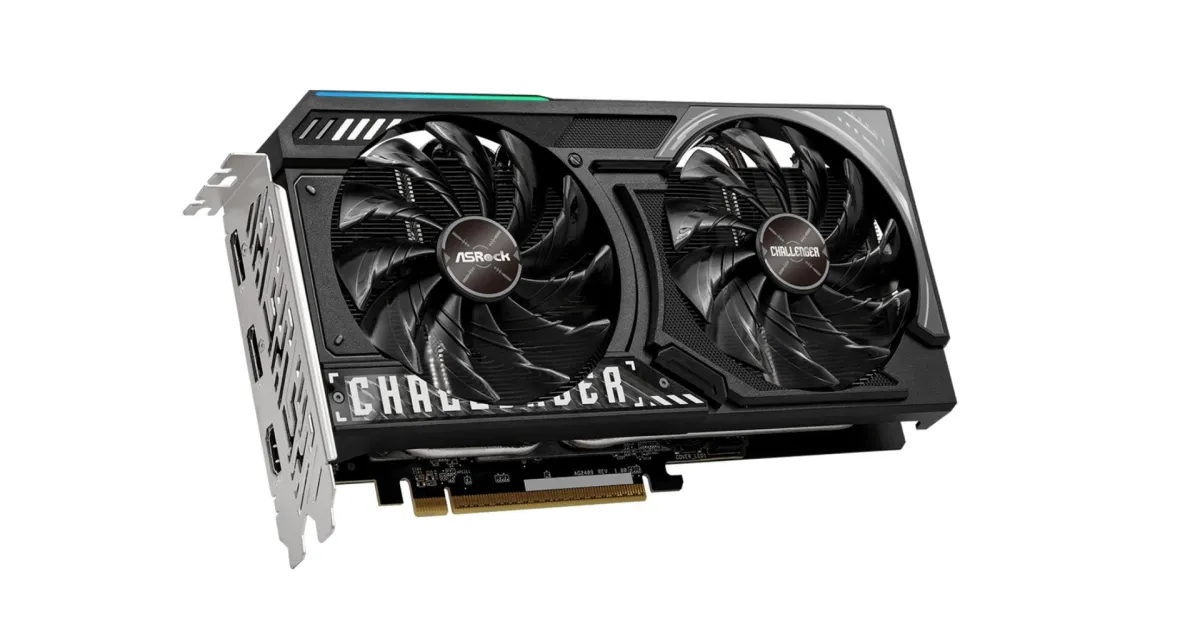
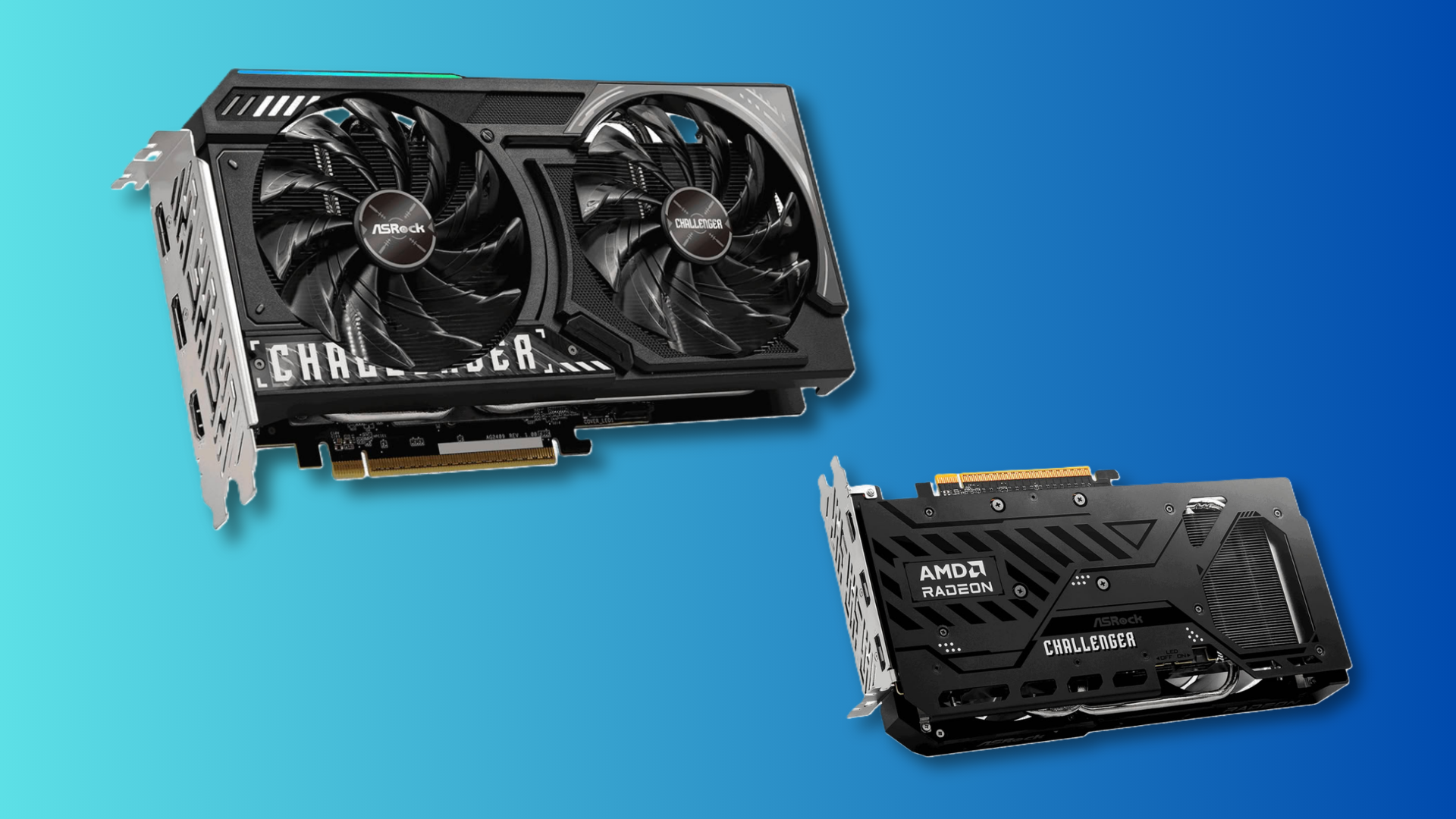
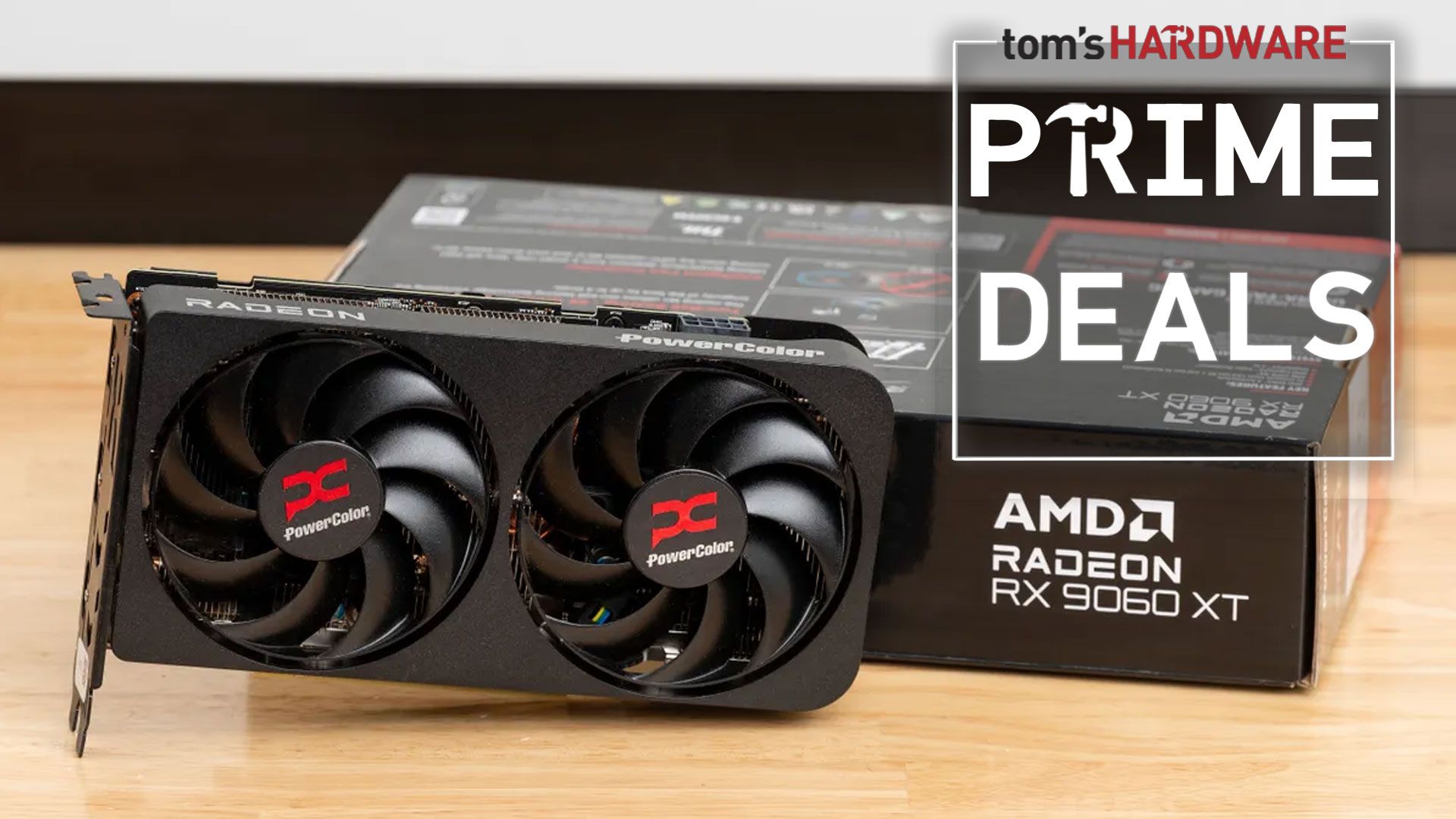
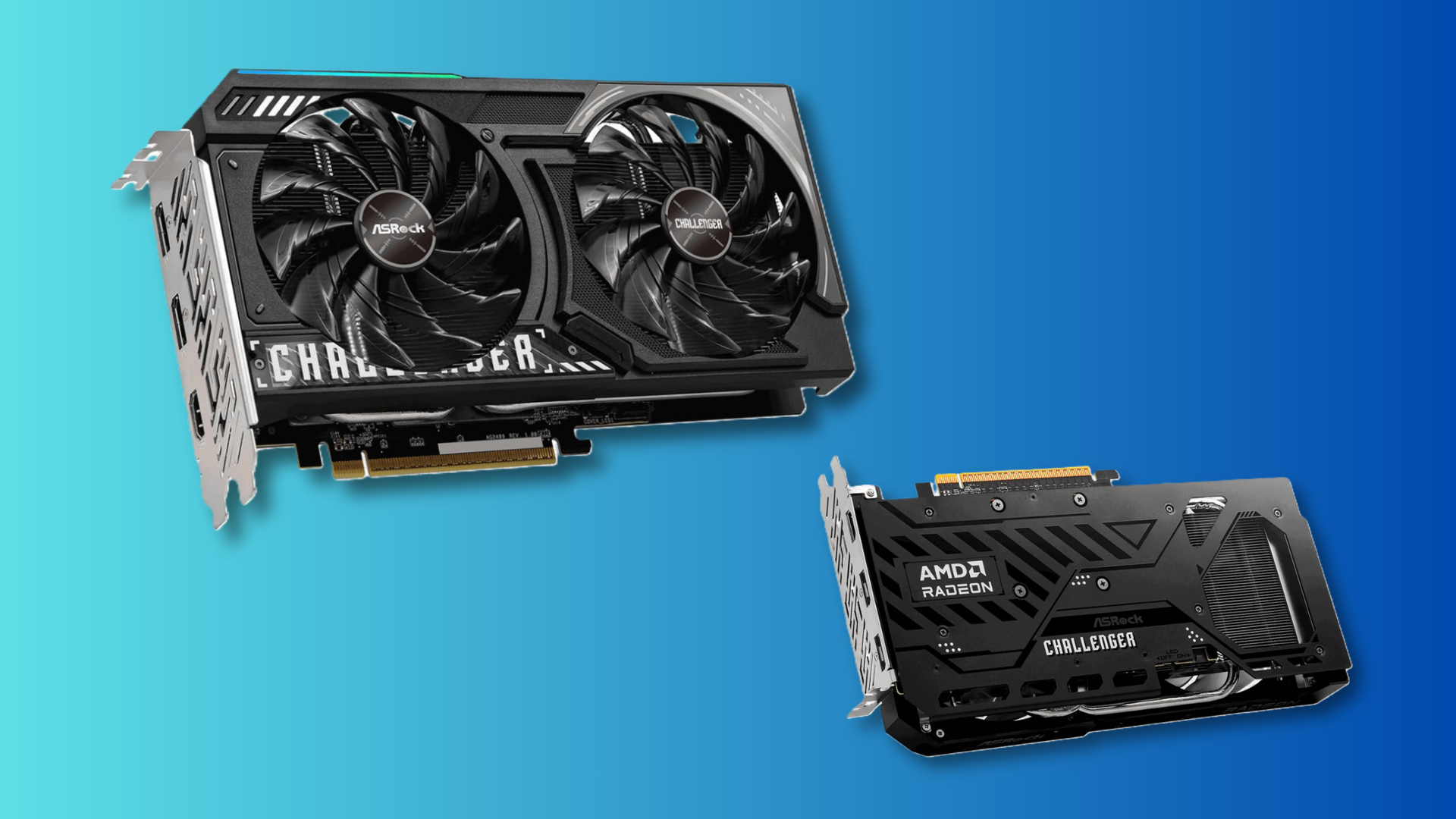
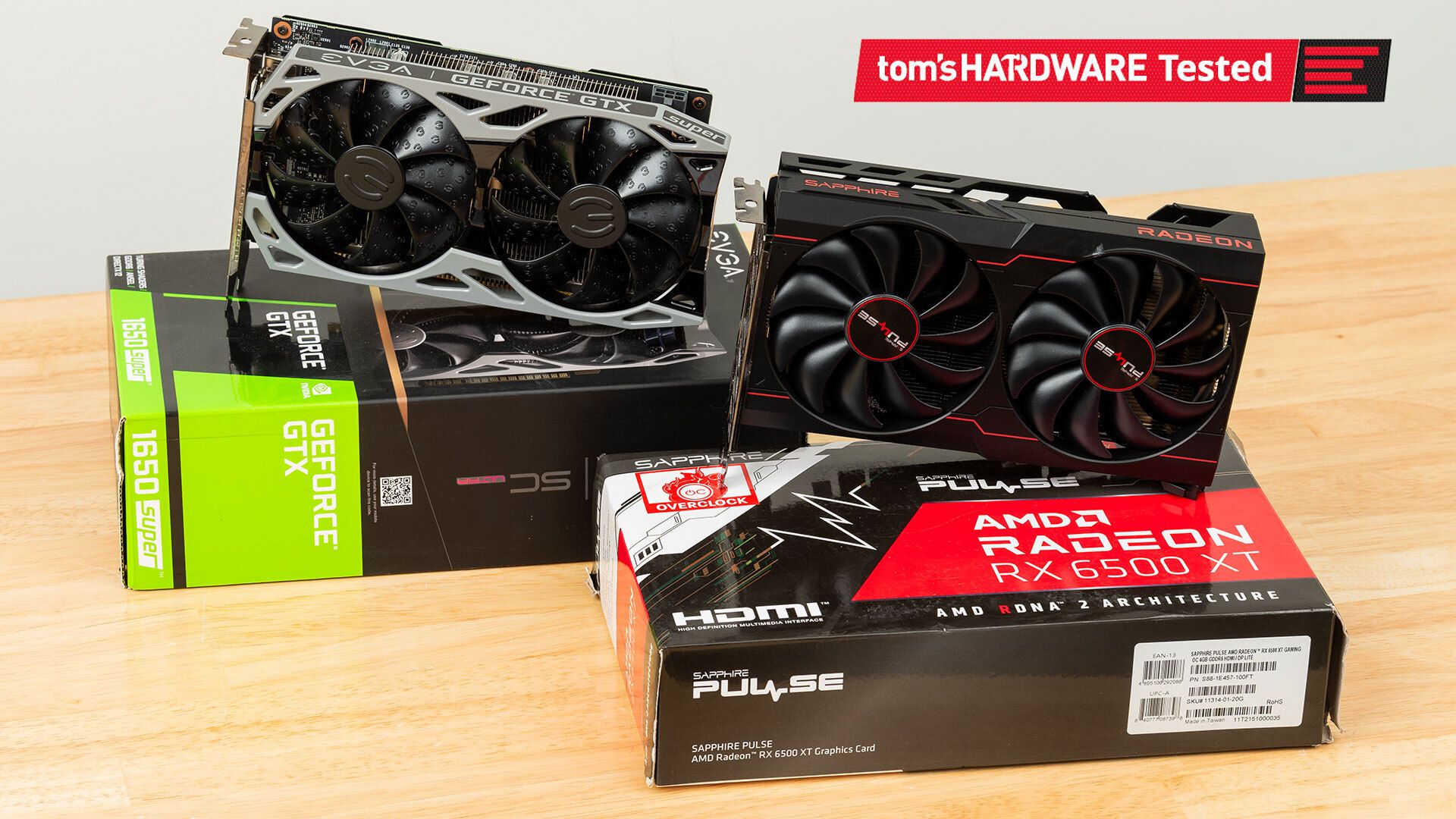
As memory supplies get tighter and tighter and graphics card prices continue to rise, things are getting weirder and weirder in the discrete GPU market. The latest sign of the times is AMD's launch of the RX 9050 4GB, an OEM-only and region-specific variant of the already limited-release RX 9050 8GB. If 4GB GPUs are coming back, we wanted to see how much gamers should expect to suffer by attempting to play the latest games on graphics cards with such small memory pools.For reference, the last time AMD launched a new 4GB product was all the way back in 2022 with the RX 6500 XT and the RX 6400. And at least for discrete GPUs, Nvidia got off the 4GB train years earlier, after the launch of the GTX 1650 Super back in 2019. At a minimum, most every discrete GPU since has had 6GB or 8GB of VRAM.AMD says the existing RX 9050 8GB is meant for 1080p medium gameplay with no further details about settings or upscaling, so the bar is already low for that product before the 9050 4GB cuts both bus width and memory bandwidth in half. Despite its cutting-edge RDNA 4 GPU architecture, the 9050 4GB has a meager 64-bit memory bus and a mere 144 GB/s of memory bandwidth, specs that would have been low-end even 10 years ago.But the RX 9050 brings support for FSR 4 to even this lowest rung of the discrete graphics ladder, and its more advanced machine-learning-powered upscaling model should deliver a massive leap in image quality compared to the temporal approach of FSR 3 and earlier generations. Upscaling is likely going to be key to achieving playable performance in all but the most lightweight games on 4GB graphics cards.So, is it totally insane for AMD to release a 4GB graphics card in 2026? Does that tiny VRAM pool make a graphics card useless for gaming? We don't have an RX 9050 4GB at hand, but we do happen to have both an RX 6500 XT and a GTX 1650 Super in the TH GPU library, so we fired up a few popular titles on these cards to see what kind of experience gamers can expect if they’re stuck with just 4GB.To track GPU memory usage, we used HWiNFO64 and logged both its “GPU D3D Dedicated” and “GPU D3D Dynamic” parameters. If a GPU reports a large dynamic memory allocation, it’s a good sign of spilling out of VRAM, but that’s not an immediate sign that performance is going to fall off a cliff. Different games handle this kind of spillover in different ways, so it’s worth knowing about but not necessarily cause for alarm.FortniteWe started our testing with Fortnite, which needs no introduction as one of the most popular PC games out there. While it may have a reputation as a potato game, it can just as easily showcase the most advanced features of Unreal Engine 5.Get Tom's Hardware's best news and in-depth reviews, straight to your inbox.Fortnite recently started using hardware RT acceleration to enable UE5's flagship Lumen effects, so the RT-Core-less GTX 1650 simply can't run the game with the visual richness we've taken for granted on most every other graphics card we've tested this year.As a fully DirectX 12 Ultimate-compatible graphics card with RT support, the RX 6500 XT would seem to have an advantage here. And you can certainly run the game with Lumen enabled at medium settings and with XeSS Quality upscaling on the RX 6500 XT despite reported memory usage totaling well over 4GB.But even though those delivered frame rates might seem acceptable, input latency is not, even with Radeon Anti-Lag enabled. Nvidia’s FrameView utility estimates input latency of 63.9 ms with Lumen on, and that’s too much for a competitive shooter like this. To get input latency down, you have to disable Lumen, and since that makes for an apples-to-apples comparison anyway, that’s how we continued our testing.