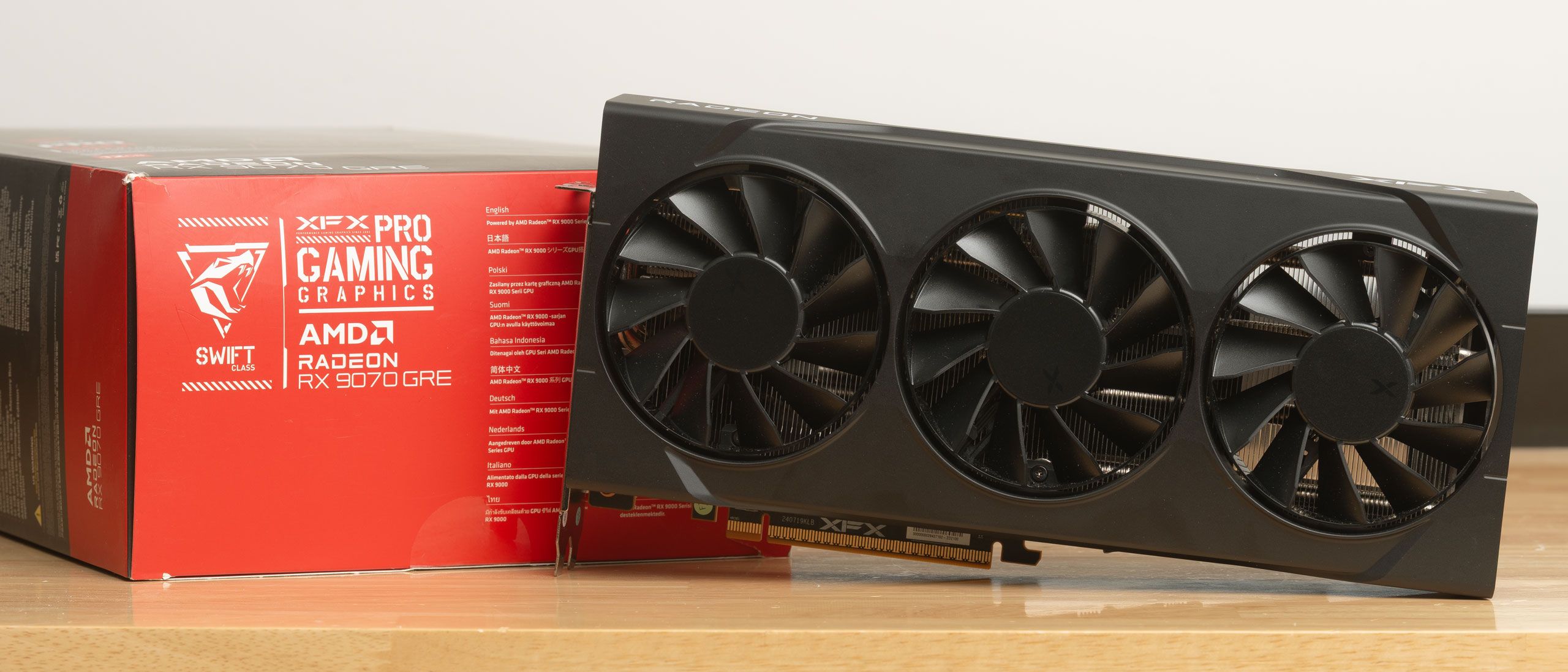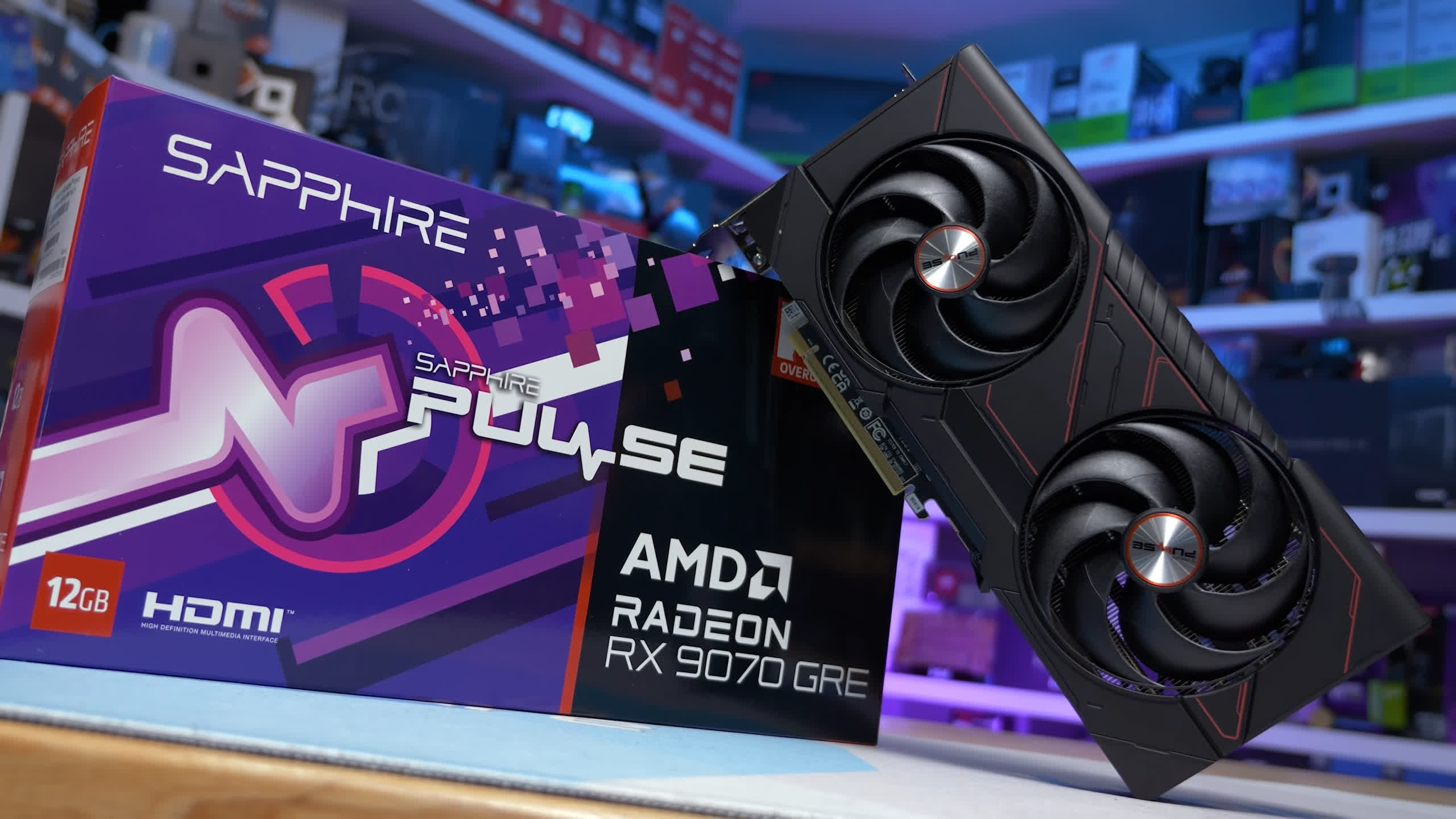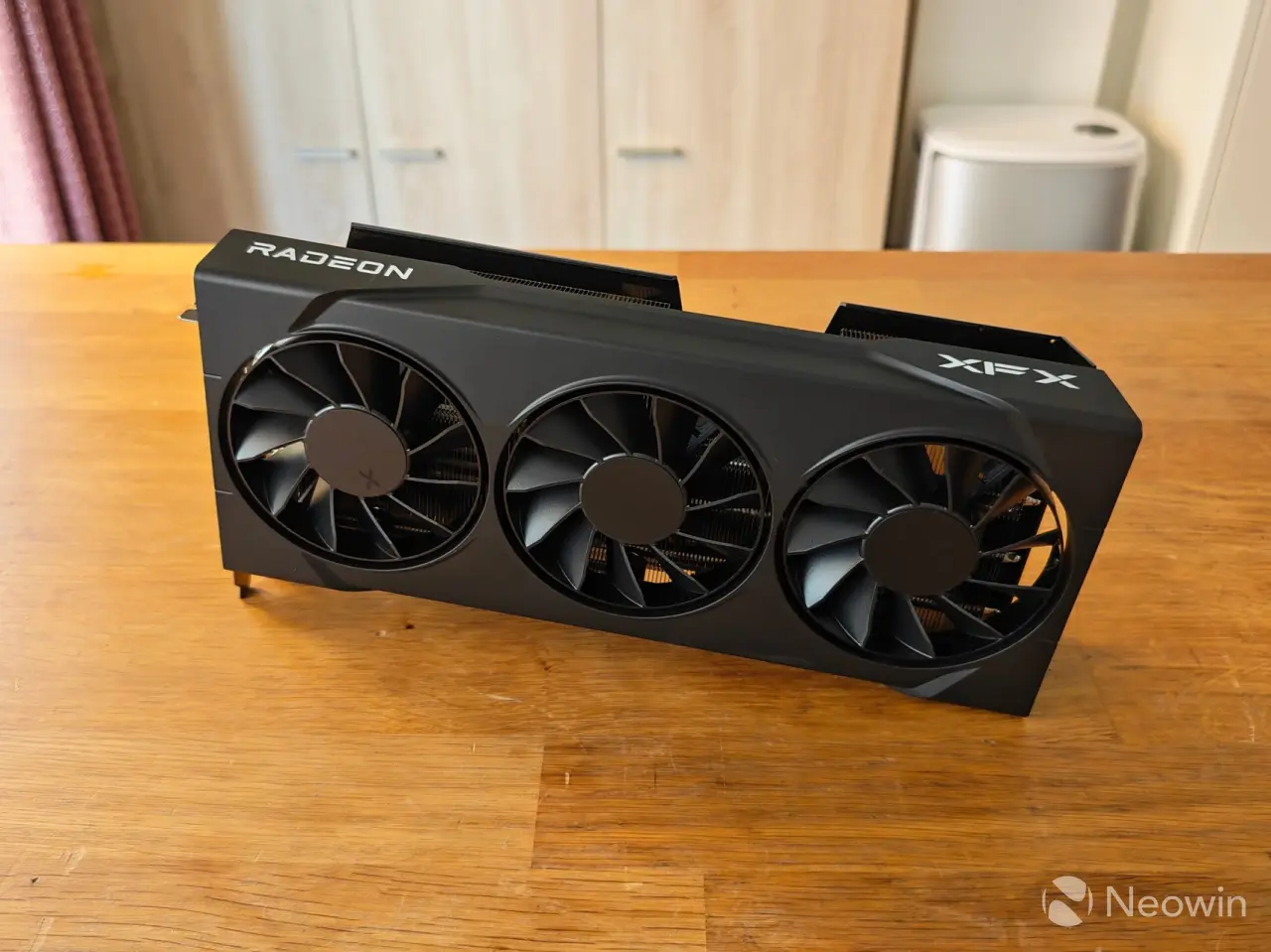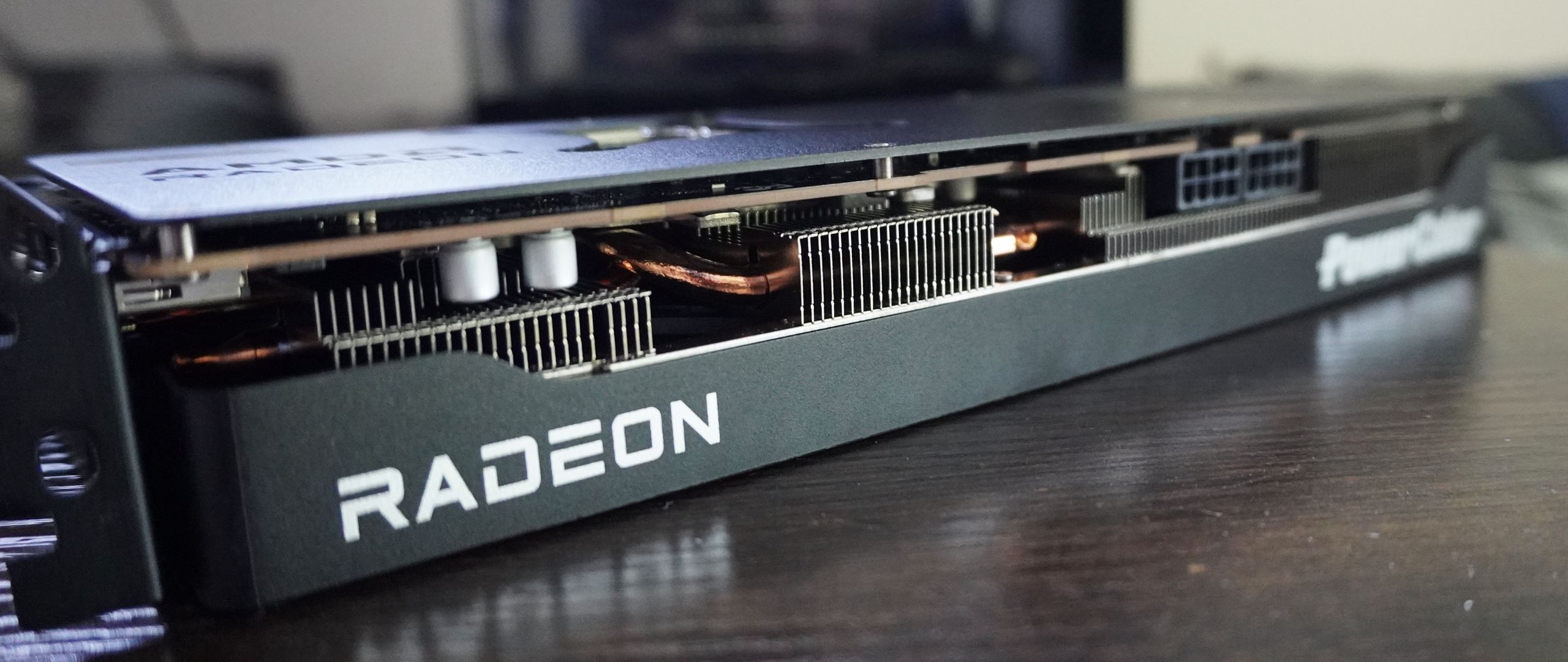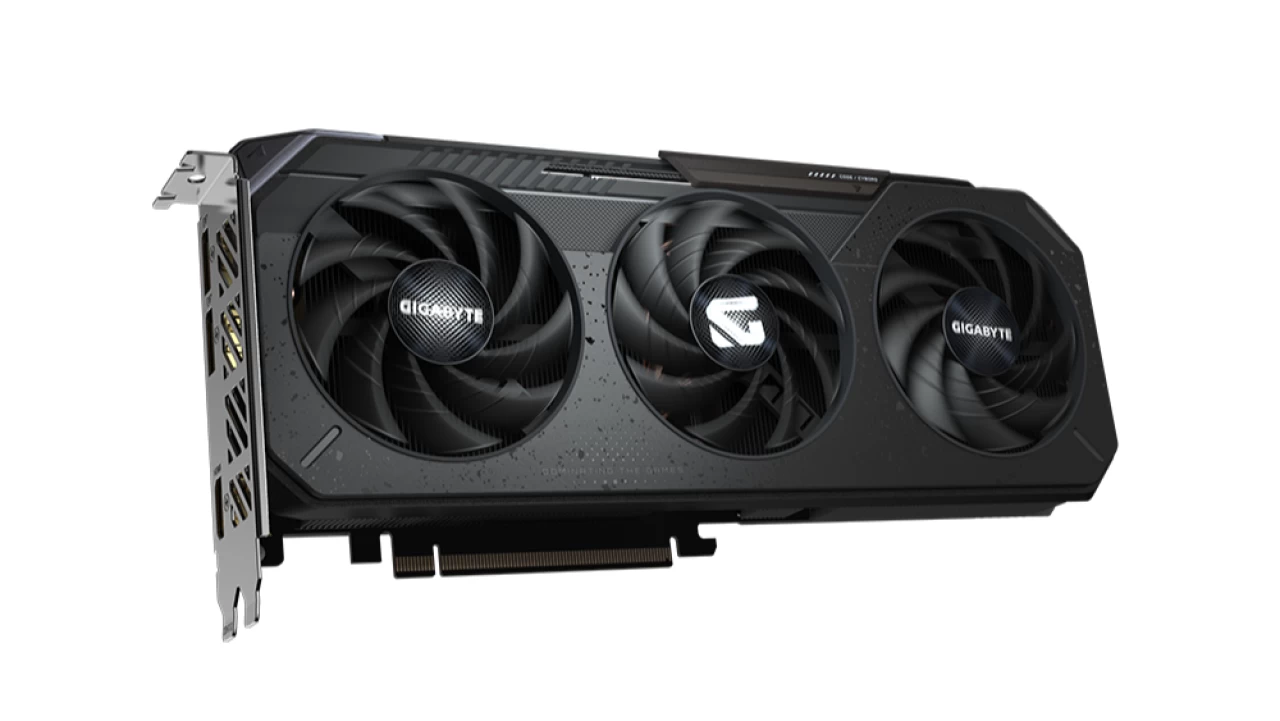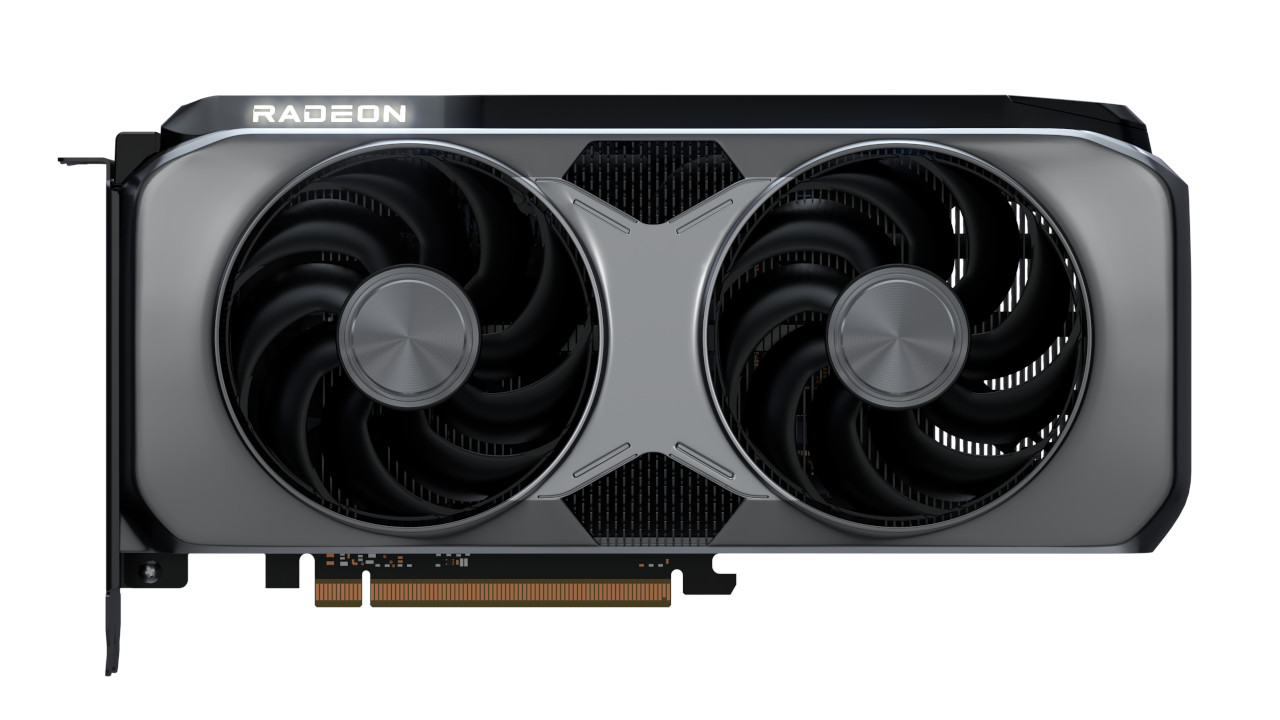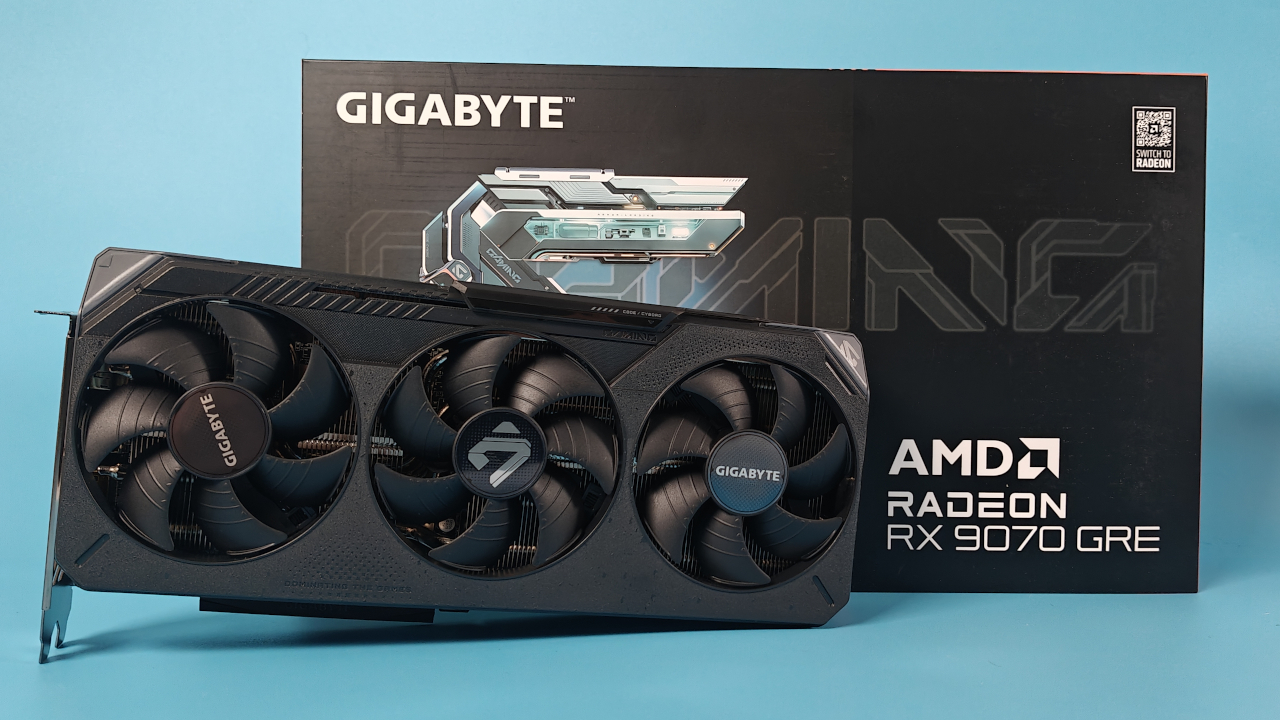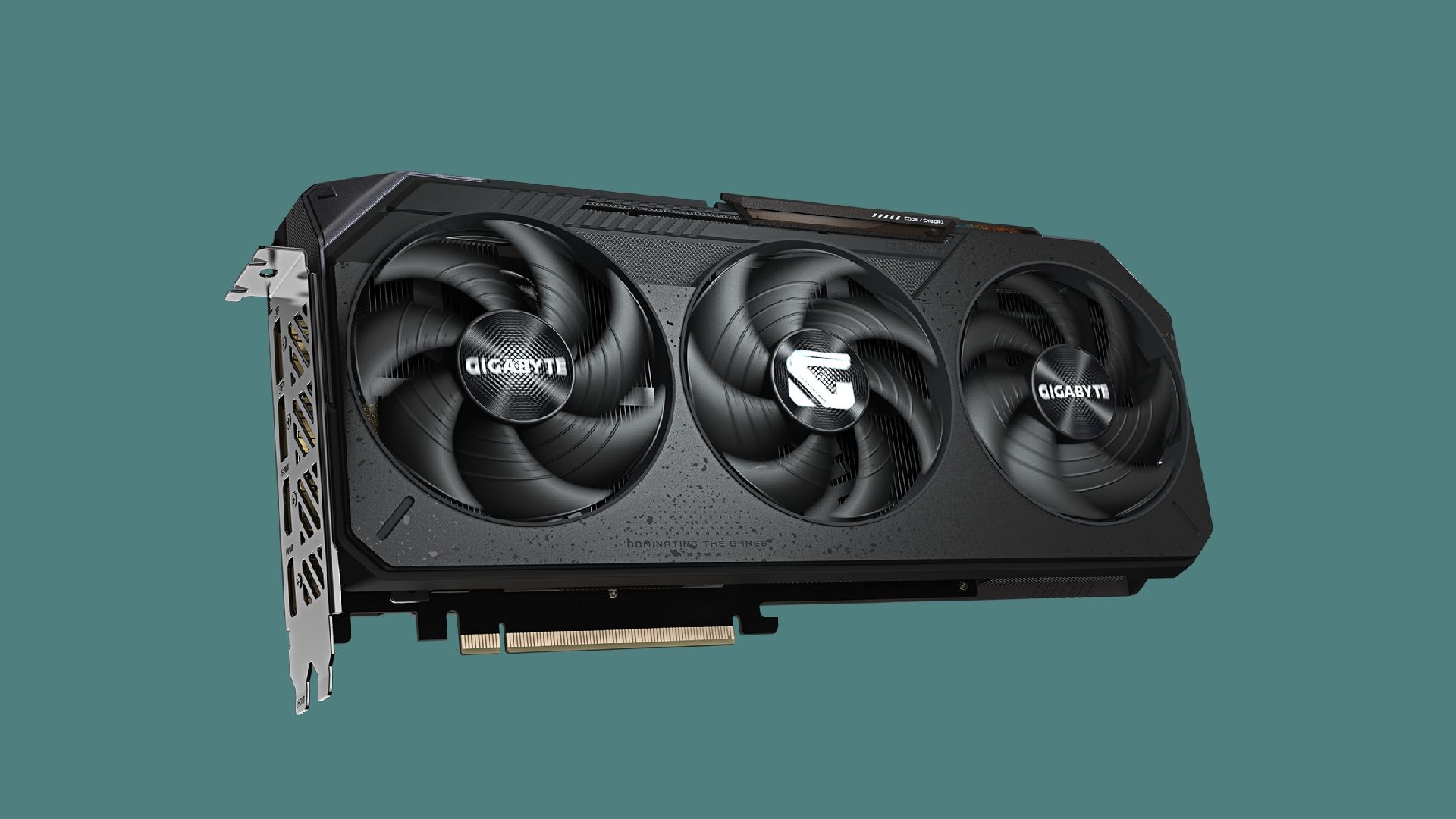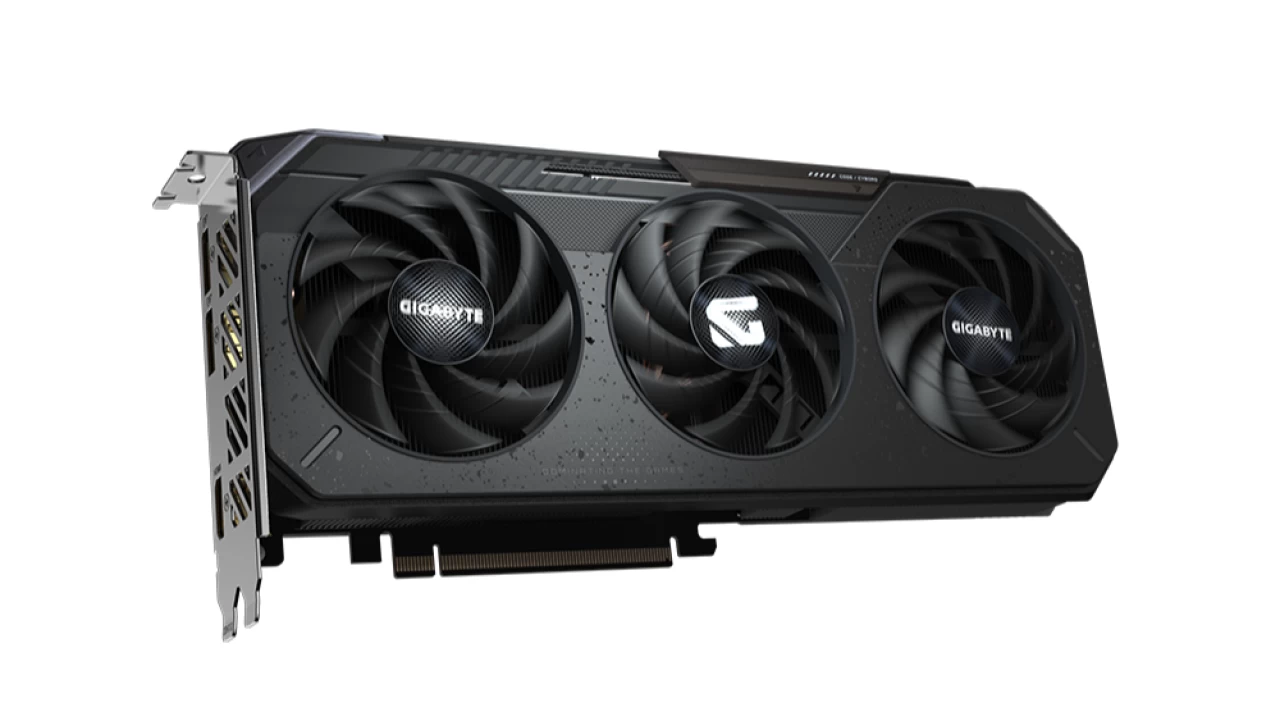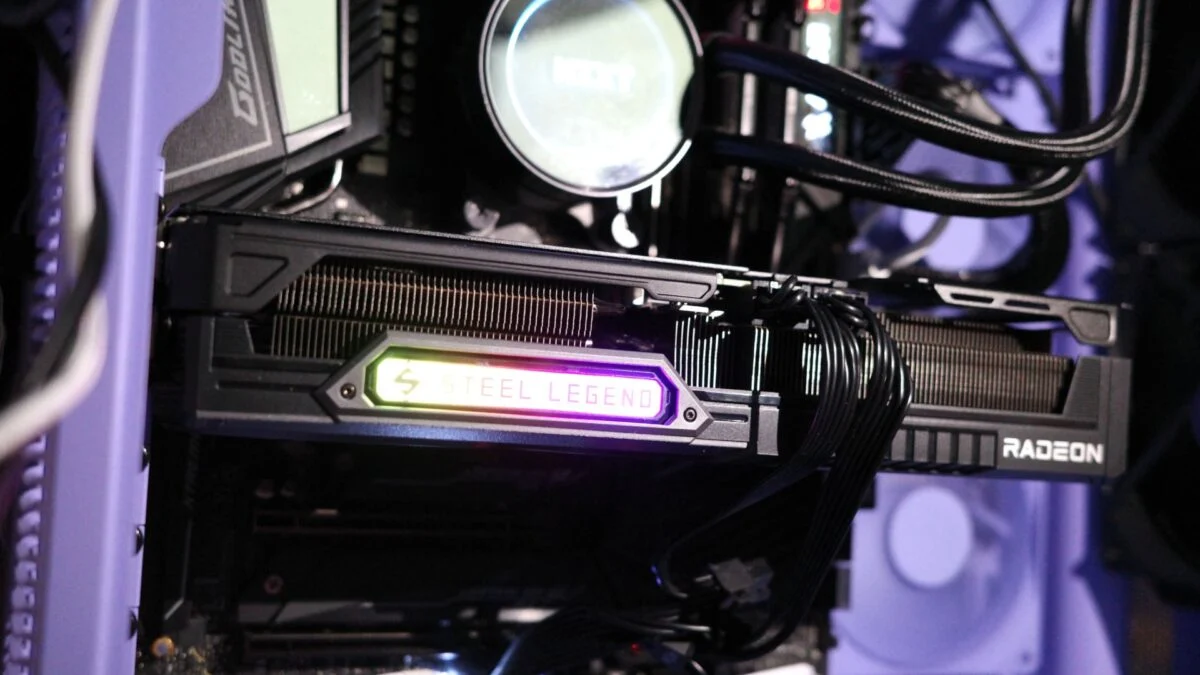
The Radeon RX 9070 GRE, AMD’s revision of last year’s RX 9070, is only now arriving on our doorsteps because GPU prices are a complete mess. Unlike Nvidia, which boosted the VRAM of its RTX 5070 in response to the ongoing RAM pricing apocalypse, AMD is instead offering a downgrade from its other midrange gaming-ready GPUs at a slightly reduced (though still inflated) price.
Compared to Nvidia, AMD has managed to keep its desktop-grade graphics card prices relatively stable. But its GPUs are still more expensive than they were in 2025, largely due to the memory pricing apocalypse. Gamers looking to upgrade their PC’s graphics performance are stuck between buying a less capable GPU or paying exorbitant rates for something that can handle higher resolutions. The $550 Radeon RX 9070 GRE is supposed to offer a middle ground between the extremes of price and performance. But first, some background. If you weren’t already aware of AMD’s esoteric nomenclature, you may have assumed this “Great Radeon Edition” was an upgraded AMD Radeon RX 9070. It’s the opposite. AMD’s non-GRE midrange graphics card has 16GB of VRAM and a total of 56 compute units (AMD’s name for its GPU core clusters). The GRE model has 12GB of VRAM and 48 CUs. The GRE card has been available in China since 2025. Starting Monday, it’s now available to U.S. customers as well. The chipmaker is even selling the GRE for the same $550 launch price the original 9070 had when it launched in 2025. © AMD AMD offered Gizmodo the chance to test the $550 GPU before launch, so I decided to stick this 12GB graphics card inside a PC geared toward 1440p gaming. The system in question was running a last-generation AMD Ryzen 7 5800XT CPU and 32GB of RAM. This is the kind of desktop tower AMD is explicitly targeting. This week, the company debuted a 10-year anniversary edition of the Ryzen 7 5800X3D, the best AM4 gaming CPU, explicitly billed for gamers who can’t afford more modern RAM on a new motherboard.