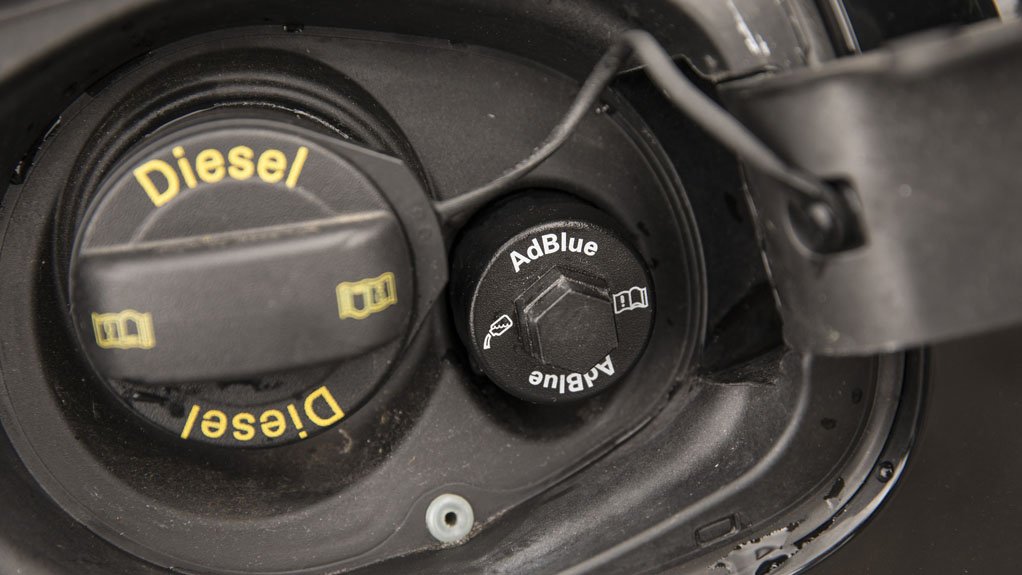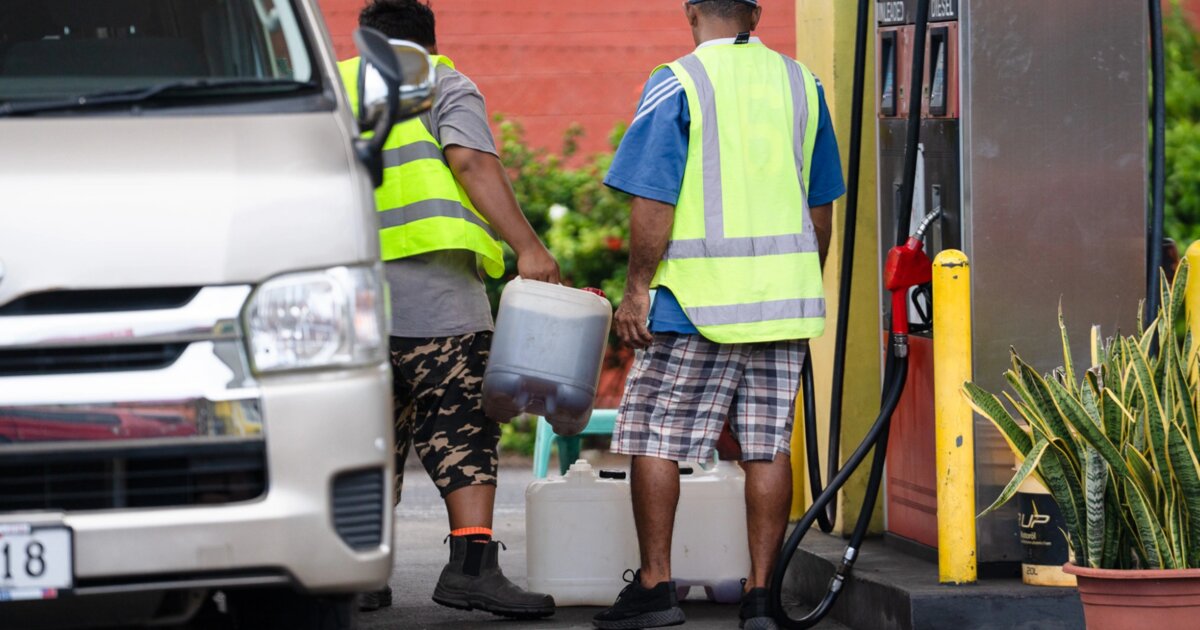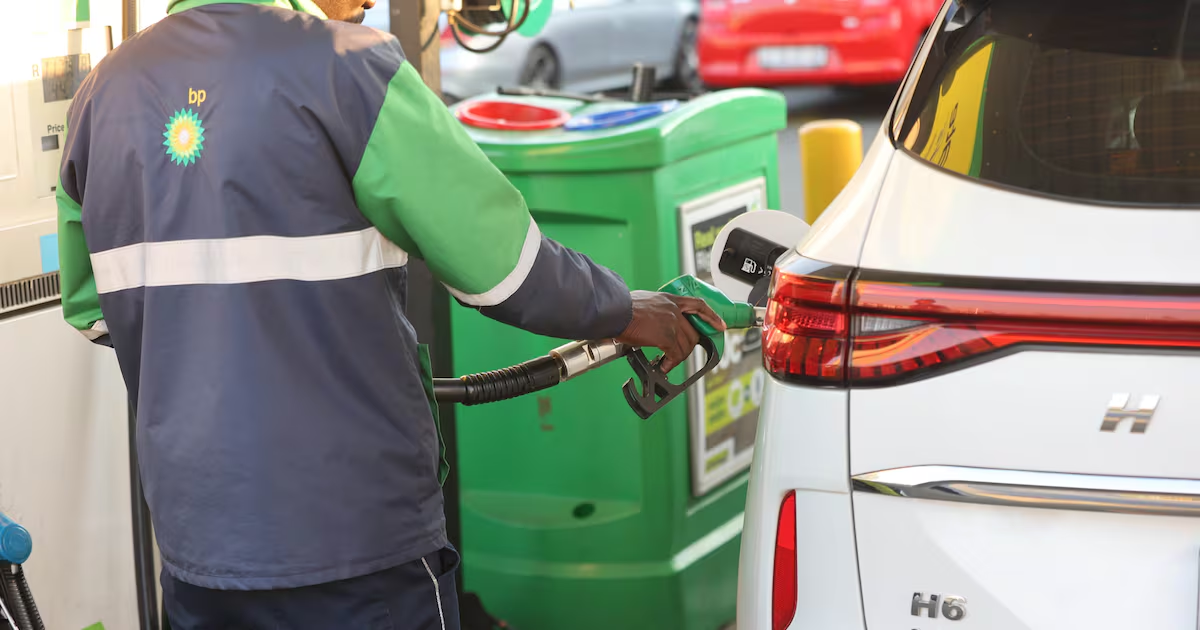
Petrol prices are set to fall by more than 50c/l on Wednesday, while diesel will rise by more than R1/l, reflecting weaker global demand for crude oil. Mineral and petroleum resources minister Gwede Mantashe announced on Monday the price of 93- and 95-octane petrol will decrease by 52c/l. Diesel containing 0.05% sulphur will increase by R1.38/l, while diesel containing 0.005% sulphur will rise by R1.23/l. The price of illuminating paraffin will increase by R1.52/l. South Africa’s fuel prices are adjusted monthly, informed by international and local factors. Mantashe said the main reasons for the fuel price adjustments included the average Brent crude oil price decreasing from $86.53 to $82.37 during the period under review. “The impact of renewed US/Iran tensions which caused the price to increase up to a $100 mark, was offset by the fact that the prices had already decreased significantly the previous month and the first half of this month due to the ceasefire MOU between the US and Iran as well as lower global demand for crude oil,” he said. The rand depreciated slightly on average against the dollar (from R16.34 to R16.46 per dollar) during the period under review compared with the previous one. “This led to higher contributions to the basic fuel prices of petrol, diesel and illuminating paraffin by 6.37c/l, 8.14c/l and 7.89c/l, respectively.” Business Leadership SA (BLSA), an organisation representing the country’s bluechip companies, said: “The global crisis has created uncertainty and exposed our economy to significant global headwinds. Rising fuel prices have placed considerable pressure on the business sector, forcing many companies to cut costs in other areas to offset increased fuel expenses.” BLSA said, though the impact had been felt across South Africa and many international markets, “the South African economy has withstood global selling pressure better than many of its peers”. “Continued reform momentum has helped differentiate the country from other emerging markets that are grappling with the effects of the oil crisis.” Cosatu spokesperson Zanele Sabela said: “Fuel price increases have had a devastating impact on workers who had already been drowning in debt, supporting up to seven relatives and spending on average 40% of their paltry wages on transport. “Fuel price hikes have also worsened the escalating cost of living, forcing workers to borrow more when their income finishes before the end of the month, plunging them into a debt spiral so they can put food on the table, keep the lights on and pay school fees.” Sabela said the government needed to provide relief for the working class and poor by reducing fuel taxes and investing in public transport. Michael Bagraim, a labour analyst and DA spokesperson on employment and labour, said: “I don’t think rising fuel prices are a major issue. The economy at the moment is struggling. I do agree that workers are struggling, but are the increases sustainable? It’s a struggle between workers and businesses.“The government must act as a mediator, but it’s the market economy. If I were the employee, I’d say my salary must go up by 20%, but on the other hand, businesses are saying, ‘If I’m not going to make a profit, I must cut my staff by half’.” Motor Industry Staff Association spokesperson Phakamile Hlubi-Majola said: “Workers and their families are still reeling from the shock caused by high fuel prices as a result of the war in Iran. The fuel costs resulted in higher public transport costs, as well as an increase in food prices and an increase in the cost of paraffin. “All of these increases happen against the backdrop of higher energy tariffs from Eskom, which have been in place since April.” Hlubi-Majola said workers were struggling to cope, and “it makes it harder for people to survive from month to month on their incomes”. Fuel price increases deepened the “suffering for ordinary people”. South Africans have endured sharp fuel price volatility in 2026. Petrol prices surged by a record R3.06/l in April and a further R3.27/l in May, driven by the conflict in the Middle East, higher Brent crude oil prices, a weaker rand, and increases in the general fuel levy, Road Accident Fund levy and carbon fuel levy. Relief came in July when petrol prices were cut by R2.01/l for 93-octane and R1.96/l for 95-octane, following a retreat in global oil prices, a stronger rand and lower international refined fuel prices.Business Day
Petrol price to drop 52c/l, but diesel to surge by more than R1.30/l from Wednesday
Decline in global oil demand has pushed petrol prices lower, but diesel and paraffin users will pay significantly more
729 words~3 min read